Zimbabwe rejected a US health aid agreement over concerns about data access and sovereignty. The decision signals growing scrutiny of how US health financing agreements handle biological samples and research benefits—scrutiny that could reshape future aid negotiations across Africa.
Zimbabwean officials labeled the proposed US health aid agreement as "lopsided," pointing to clauses that granted the US broad access to biological samples collected during health initiatives. They argued the agreement allowed the US to access samples without ensuring benefits returned to Zimbabwe, such as affordable medicines or shared technology. The decision reflects growing concerns about sovereignty in health partnerships, where data from local populations becomes a bargaining chip.
A similar US health financing proposal in Zambia has drawn parallel criticism. A leaked draft revealed demands for extensive data sharing and performance targets. That deal, worth more than $1 billion, also included provisions for US access to Zambian mining concessions. Zambian advocates have called this "shameless exploitation," though sources do not name specific individuals making this claim. While Zimbabwe's case doesn't involve mining, both agreements emphasize data control, raising questions about consistency in US aid negotiations.
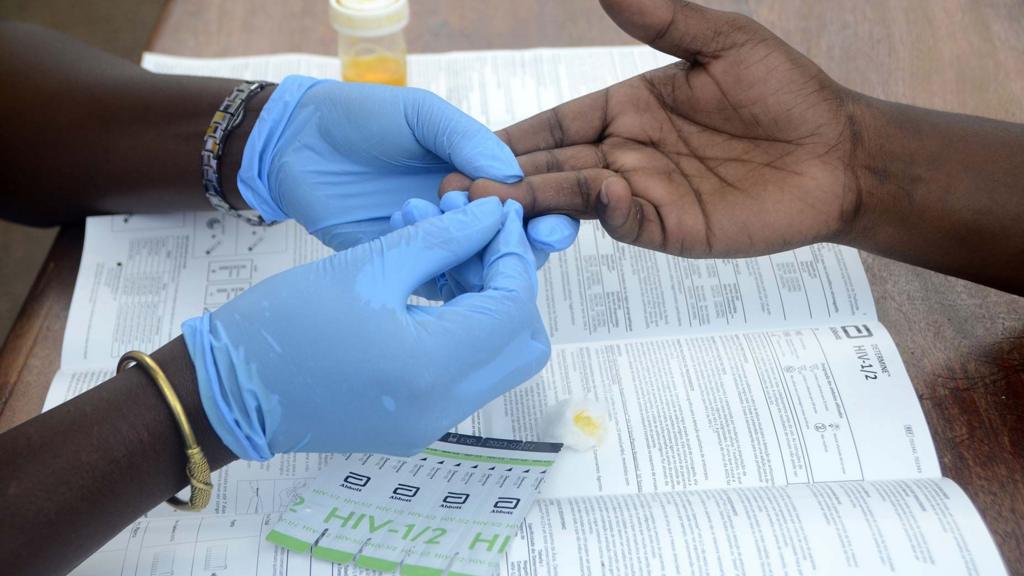
Zimbabwean health officials have warned that without the aid agreement, clinics and testing efforts could face funding shortfalls. This could affect HIV treatment and disease monitoring programs. The rejection also means US health aid dollars may need to be reallocated to other partners, potentially weakening efforts to combat diseases that spread across borders.
Zimbabwe may seek alternative funding sources to replace the rejected US agreement. US officials may need to reconsider the terms of health aid agreements to avoid further rejections. The outcome of these negotiations could determine whether health aid becomes a tool for collaboration or a source of friction between the US and African nations.
If you're worried about how US foreign aid might erode data privacy overseas, Zimbabwe's bold rejection of a health deal could foreshadow stricter global pushback against American demands. The African nation's stand spotlights the risks of unequal agreements that let the US access sensitive biological samples without sharing research rewards, potentially complicating aid programs you fund through taxes and exposing flaws in US policy that affect international trust.
Zimbabwean officials labeled the proposed US health aid agreement as "lopsided," pointing to clauses that granted the US broad access to biological samples collected during health initiatives. They argued this setup allowed American researchers to profit from discoveries without ensuring benefits flowed back to Zimbabwe, such as affordable medicines or shared technology. The decision, announced last week, reflects growing concerns about sovereignty in health partnerships, where data from local populations becomes a bargaining chip.
A similar US health financing proposal in Zambia has drawn parallel criticism, with a leaked draft revealing demands for extensive data sharing and performance targets that critics call overly intrusive. That deal, worth more than $1 billion, also included provisions for US access to Zambian mining concessions, fueling accusations of "shameless exploitation" from local advocates. While Zimbabwe's case doesn't involve mining, the shared emphasis on data control underscores a pattern in US aid negotiations that could erode partner nations' autonomy.
Thousands of Zimbabweans relying on health programs for HIV treatment and disease monitoring now face delays, as the rejected aid would have supported clinics and testing efforts. Health workers in the country warn that without alternative funding, routine services could suffer, leaving families vulnerable to outbreaks. For the US, this means aid dollars—earmarked for global health stability—might go unused, potentially weakening efforts to combat pandemics that don't respect borders.
As Zimbabwe seeks alternative partners, like those from China or the European Union, US officials may need to revise their approach to avoid further rejections. This shift could force American policymakers to prioritize equitable terms, ensuring data sharing benefits all sides and prevents future diplomatic friction. For the 16 million Zimbabweans affected, the outcome of these renegotiations will determine whether health aid becomes a tool for collaboration or a point of contention.
Highlighted text was flagged by the council. Tap to see feedback.