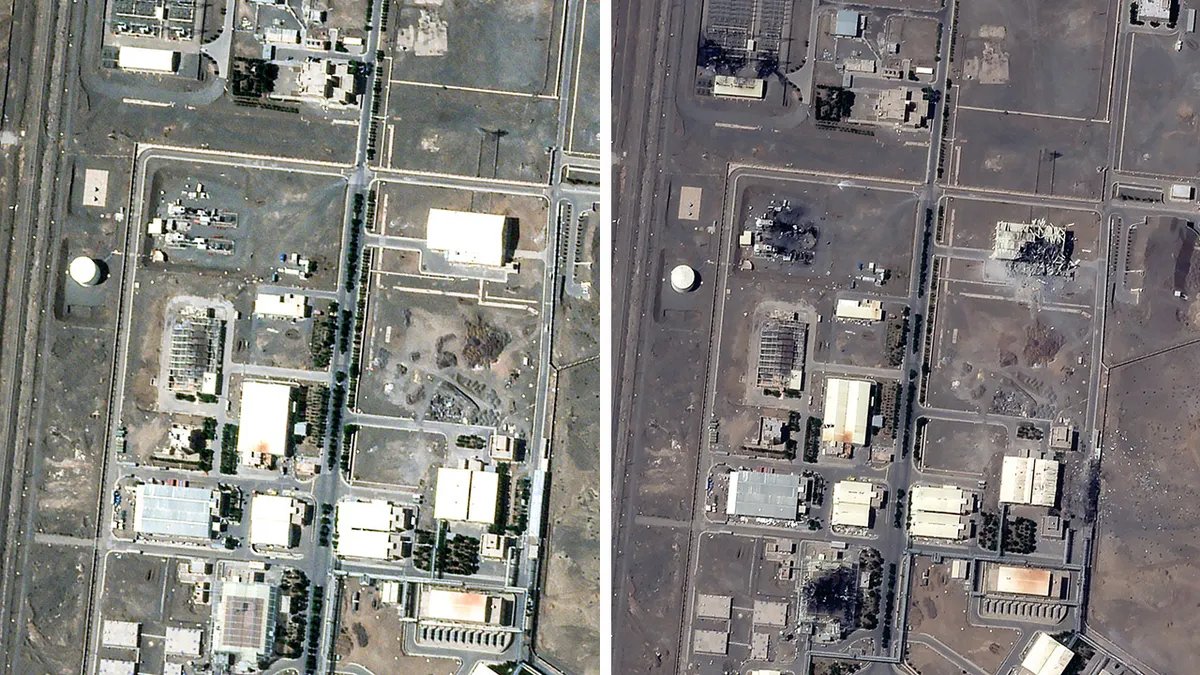
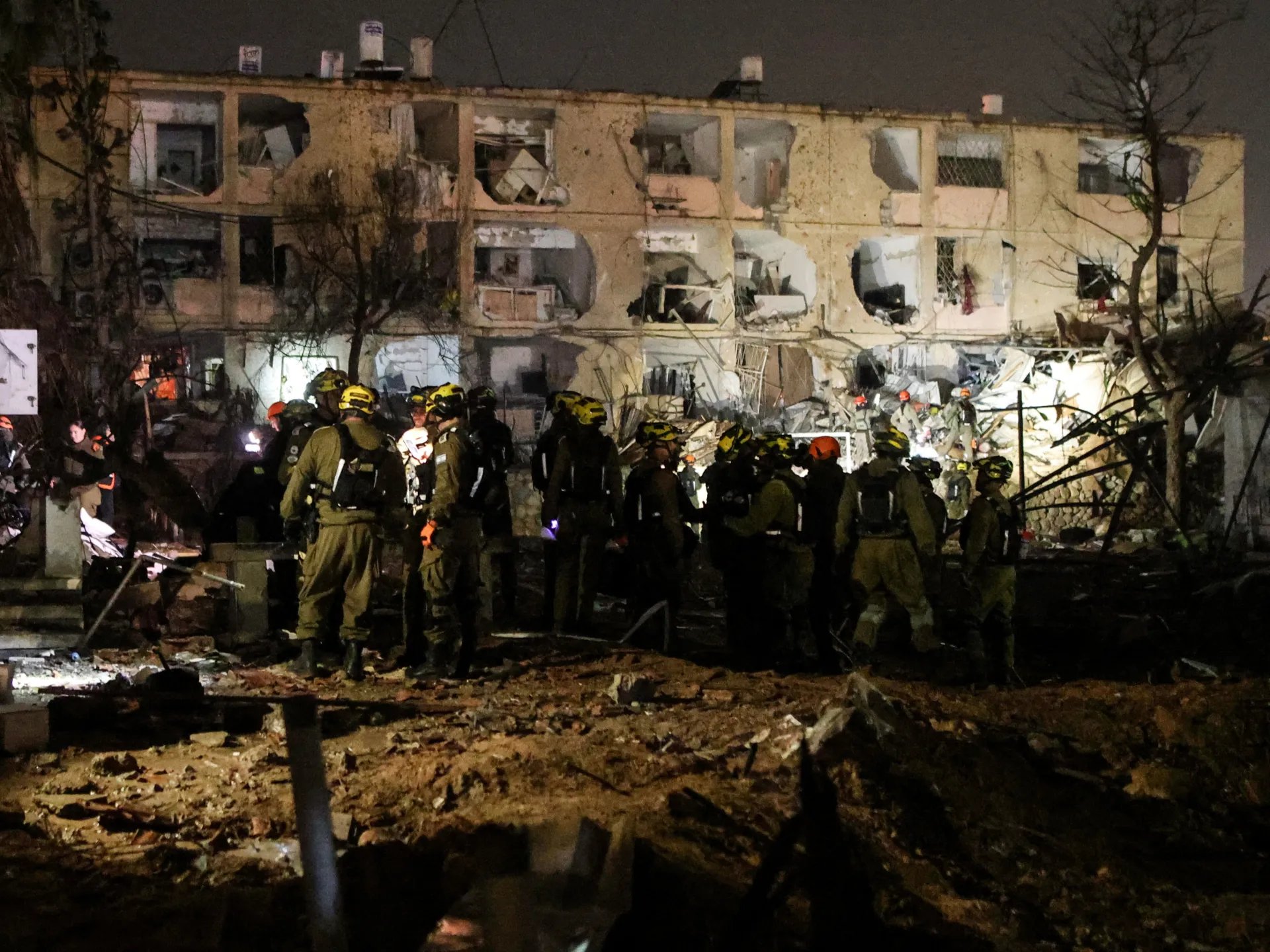
Iran's Natanz nuclear enrichment facility was hit by an airstrike, according to the Iranian news agency Mizan. The report came on Saturday as the war enters its fourth week.
U.S. Central Command chief Adm. Brad Cooper stated that the Pentagon's operation in Iran has struck more than 8,000 targets since the start of the Middle East conflict. Cooper shared this update on social platform X, noting that the campaign has weakened Iran's combat capabilities. The strikes have also crippled Iran's naval forces, as detailed in his remarks.
The US reported that Iran's ability to threaten marine traffic on the Strait of Hormuz has been degraded after destroying a facility along the Iranian coastline. This action occurred earlier this week, affecting a key area for international shipping.
The airstrike on Natanz follows broader US operations that have struck over 8,000 targets, according to U.S. Central Command chief Adm. Brad Cooper. Mizan's report highlights Iran's perspective on the facility attack, while US statements focus on military outcomes. These events together underscore a pattern of escalation involving both nations' forces.
Iran's Natanz nuclear enrichment facility was hit by an airstrike, according to the Iranian news agency Mizan. The report came on Saturday as the war enters its fourth week. This incident directly involves Iran's nuclear infrastructure, potentially disrupting energy production and raising concerns for global supply chains.
U.S. Central Command chief Adm. Brad Cooper stated that the Pentagon’s operation in Iran has struck more than 8,000 targets since the start of the Middle East conflict. Cooper shared this update on social platform X, noting that the campaign has weakened Iran’s combat capabilities. The strikes have also crippled Iran’s naval forces, as detailed in his remarks.
The US reported that Iran’s ability to threaten marine traffic on the Strait of Hormuz has been degraded after destroying a facility along the Iranian coastline. This action occurred earlier this week, affecting a key area for international shipping. Such developments could lead to safer passages for commercial vessels, reducing risks for trade routes that carry everyday goods.
The airstrike on Natanz follows broader US operations that have hit over 8,000 targets, as claimed by Adm. Brad Cooper. Mizan’s report highlights Iran’s perspective on the facility attack, while US statements focus on military outcomes. These events together underscore a pattern of escalation involving both nations' forces.
The destruction of the Hormuz facility means Iran can no longer effectively threaten key shipping lanes, potentially stabilizing oil transport for consumers worldwide. Workers in global ports may see fewer disruptions from potential blockades, allowing for more reliable job opportunities in logistics. Families dependent on imported fuel could experience steadier prices as a result of these military shifts.
Highlighted text was flagged by the council. Tap to see feedback.