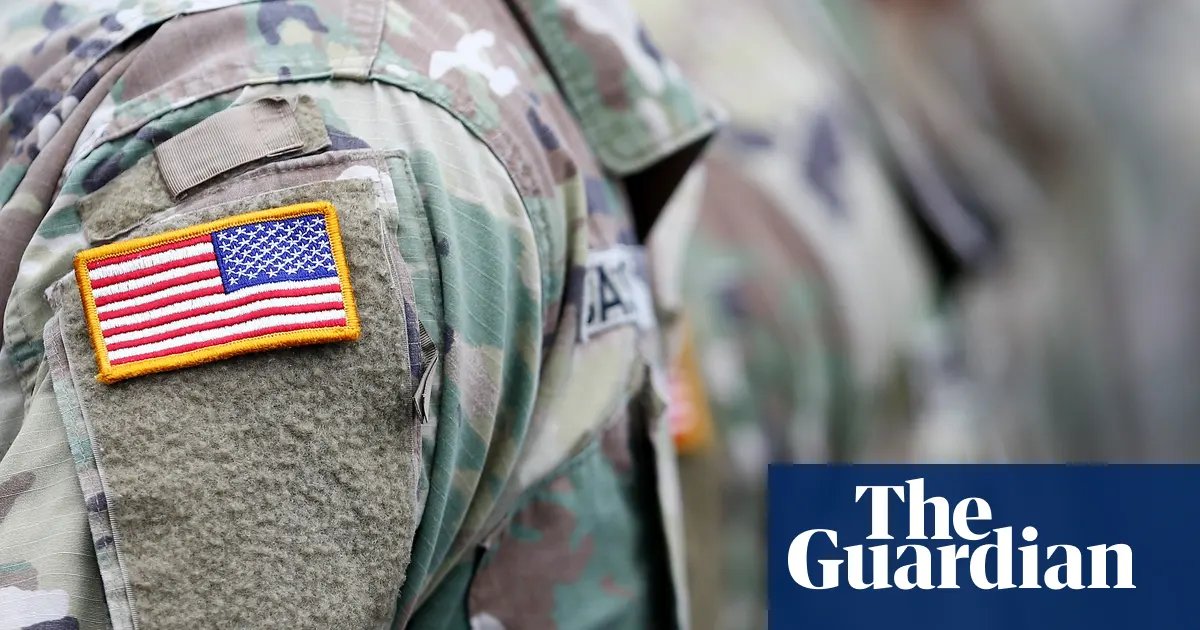
The U.S. Army has officially raised the maximum enlistment age to 42, a significant increase from the previous limit of 35. This change, set to take effect in April, aims to broaden the recruitment pool as the military faces ongoing recruitment challenges. In addition to the age adjustment, the Army has relaxed rules regarding potential recruits with past drug convictions, particularly those related to marijuana and drug paraphernalia.
Under the new regulations, individuals with a single conviction for possession of marijuana or related items, such as bongs and pipes, can enlist without requiring a special waiver from Pentagon officials. Previously, such convictions necessitated a 24-month waiting period and a drug test before enlistment.
The Army's recruitment struggles have been notable, with the service missing its recruitment target by 25% in 2022. Analysts from the Rand Corporation have suggested that older recruits tend to be more focused and motivated, which has influenced the decision to raise the age limit. Angela Chipman, chief of military personnel accessions at the Army, emphasized the need for a "more mature audience" with technical skills, suggesting that older recruits may better fulfill the Army's evolving needs.
The new age limit aligns the Army's enlistment policies with those of other military branches, such as the Navy and Air Force, which have long accepted older recruits. This harmonization may enhance the Army's appeal to a broader demographic.
As the Army adapts its recruitment strategies, the implications for potential recruits are significant. Individuals who may have felt excluded due to age or past legal issues now have new opportunities to serve. The Army's focus on attracting a more diverse and technically skilled workforce could reshape the future composition of its ranks, potentially enhancing operational effectiveness in an increasingly complex military landscape.
The U.S. Army has officially raised the maximum enlistment age to 42, a significant increase from the previous limit of 35. This change, effective April 20, aims to broaden the recruitment pool as the military faces ongoing recruitment challenges. In addition to the age adjustment, the Army has relaxed rules regarding potential recruits with past drug convictions, particularly those related to marijuana and drug paraphernalia.
Under the new regulations, individuals with a single conviction for possession of marijuana or related items, such as bongs and pipes, can enlist without requiring a special waiver from Pentagon officials. Previously, such convictions necessitated a 24-month waiting period and a drug test before enlistment. This policy shift reflects a growing recognition of the need to attract a diverse range of candidates who may have previously been excluded from military service.
The Army's recruitment struggles have been notable, with the service missing its recruitment target by 25% in 2022. Analysts from the Rand Corporation have suggested that older recruits tend to be more focused and motivated, which has influenced the decision to raise the age limit. Angela Chipman, chief of military personnel accessions at the Army, emphasized the need for a “more mature audience” with technical skills, suggesting that older recruits may better fulfill the Army's evolving needs.
The new age limit aligns the Army's enlistment policies with those of other military branches, such as the Navy and Air Force, which have long accepted older recruits. This harmonization may enhance the Army's appeal to a broader demographic, particularly as it seeks to attract younger generations, including Gen Z applicants.
These policy changes occur against the backdrop of the U.S. military's ongoing operations in the Middle East, including recent troop deployments to Iran. The Pentagon has requested an additional $200 billion in funding related to these efforts, contributing to an already substantial annual budget exceeding $900 billion. As the Army seeks to bolster its ranks, these alterations in recruitment policy could play a pivotal role in meeting operational demands.
As the Army adapts its recruitment strategies, the implications for potential recruits are significant. Individuals who may have felt excluded due to age or past legal issues now have new opportunities to serve. The Army's focus on attracting a more diverse and technically skilled workforce could reshape the future composition of its ranks, potentially enhancing operational effectiveness in an increasingly complex military landscape.
Highlighted text was flagged by the council. Tap to see feedback.








The sources do not specify that the age limit change is set for April.