The Supreme Court unanimously ruled in favor of Cox Communications in a copyright dispute with Sony, impacting the music and telecommunications industries. Justice Clarence Thomas wrote the majority opinion, reversing a lower court decision that held Cox liable for its users' illegal music downloads. This ruling means internet providers are not automatically responsible for the copyright infringements of their subscribers.
Peter Navarro stated that the Supreme Court striking down the bulk of President Trump's emergency tariffs imposed under the International Emergency Economic Powers Act (IEEPA) was the "best possible outcome" for the administration. Navarro said "Even though we lost the IEEPA tariffs, it was the best possible outcome because the justices ratified and affirmed the use..."
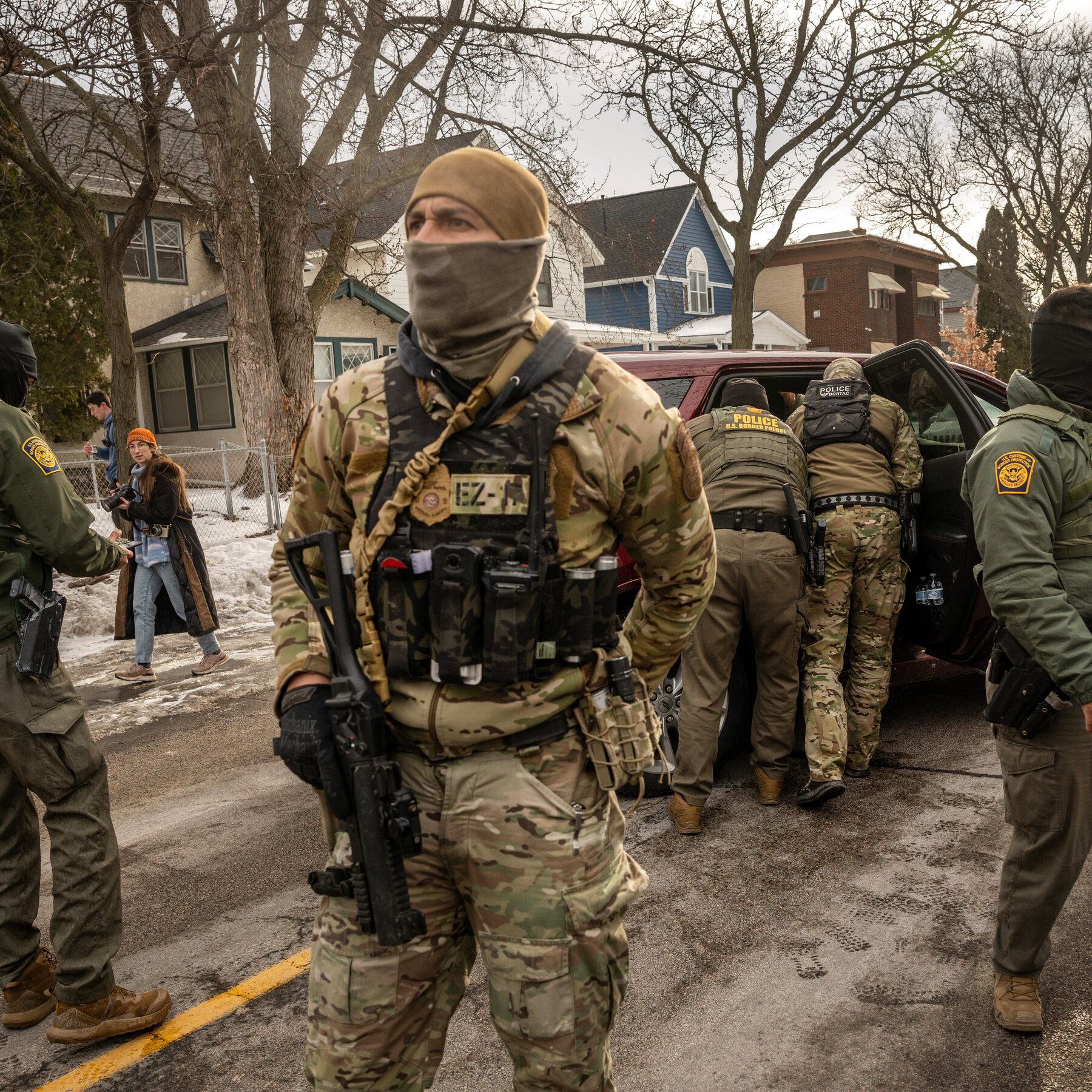
The Supreme Court heard arguments regarding the legality of the "metering" policy, which allows border officials to turn back asylum-seekers attempting to reach a port of entry. This practice originated in the Obama administration and the Trump administration wants the right to potentially restore it. The Trump administration has appealed a lower court's finding that the policy violated federal law.
The legal question is whether asylum seekers stopped on the Mexican side of the border have arrived in the United States, which would allow them to apply for asylum. Conservative Justice Amy Coney Barrett questioned Kelsi Corkran, the lawyer representing the immigrant advocacy group Al Otro Lado, on the definition of arriving in the United States. The Supreme Court has a 6-3 conservative majority.
Justices Sonia Sotomayor and Ketanji Brown Jackson's questioning at Supreme Court arguments this week highlighted tensions with their colleagues. Chief Justice John Roberts cut off Sotomayor during arguments on Tuesday, asking a lawyer to "complete your answer."
The Supreme Court unanimously ruled in favor of Cox Communications in a copyright dispute with Sony, impacting the music and telecommunications industries. Justice Clarence Thomas wrote the majority opinion, reversing a lower court decision that held Cox liable for its users' illegal music downloads. This ruling means internet providers are not automatically responsible for the copyright infringements of their subscribers.
Peter Navarro stated that the Supreme Court striking down the bulk of President Trump’s emergency tariffs imposed under the International Emergency Economic Powers Act (IEEPA) was the “best possible outcome” for the administration. Navarro said "Even though we lost the IEEPA tariffs, it was the best possible outcome because the justices ratified and affirmed the use..."
The Supreme Court heard arguments regarding the legality of the "metering" policy, which allows border officials to turn back asylum-seekers attempting to reach a port of entry. This practice originated in the Obama administration and the Trump administration wants the right to potentially restore it. The policy was dropped by President Biden in 2021. The Trump administration has appealed a lower court’s finding that the policy violated federal law.
The legal question is whether asylum seekers stopped on the Mexican side of the border have arrived in the United States, which would allow them to apply for asylum. Conservative Justice Amy Coney Barrett questioned Kelsi Corkran, the lawyer representing the immigrant advocacy group Al Otro Lado, on the definition of arriving in the United States. The Supreme Court has a 6-3 conservative majority.
Justices Sonia Sotomayor and Ketanji Brown Jackson's questioning at Supreme Court arguments this week highlighted tensions with their colleagues. Chief Justice John Roberts cut off Sotomayor during arguments on Tuesday, asking a lawyer to "complete your answer."
The Supreme Court's decision on metering could reshape border enforcement and asylum processes, potentially allowing the Trump administration to reinstate policies that limit access to asylum at US borders.
Highlighted text was flagged by the council. Tap to see feedback.