
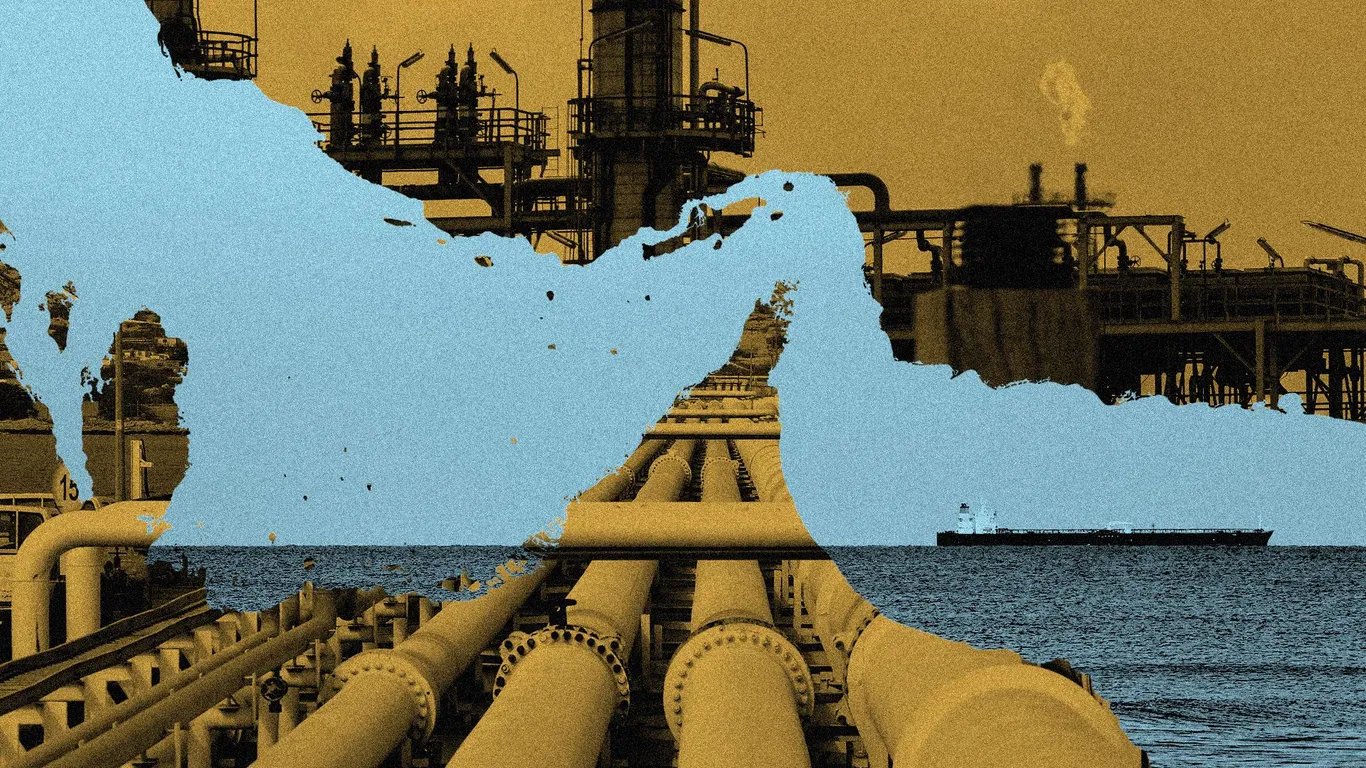





Graham's Reconciliation Strategy
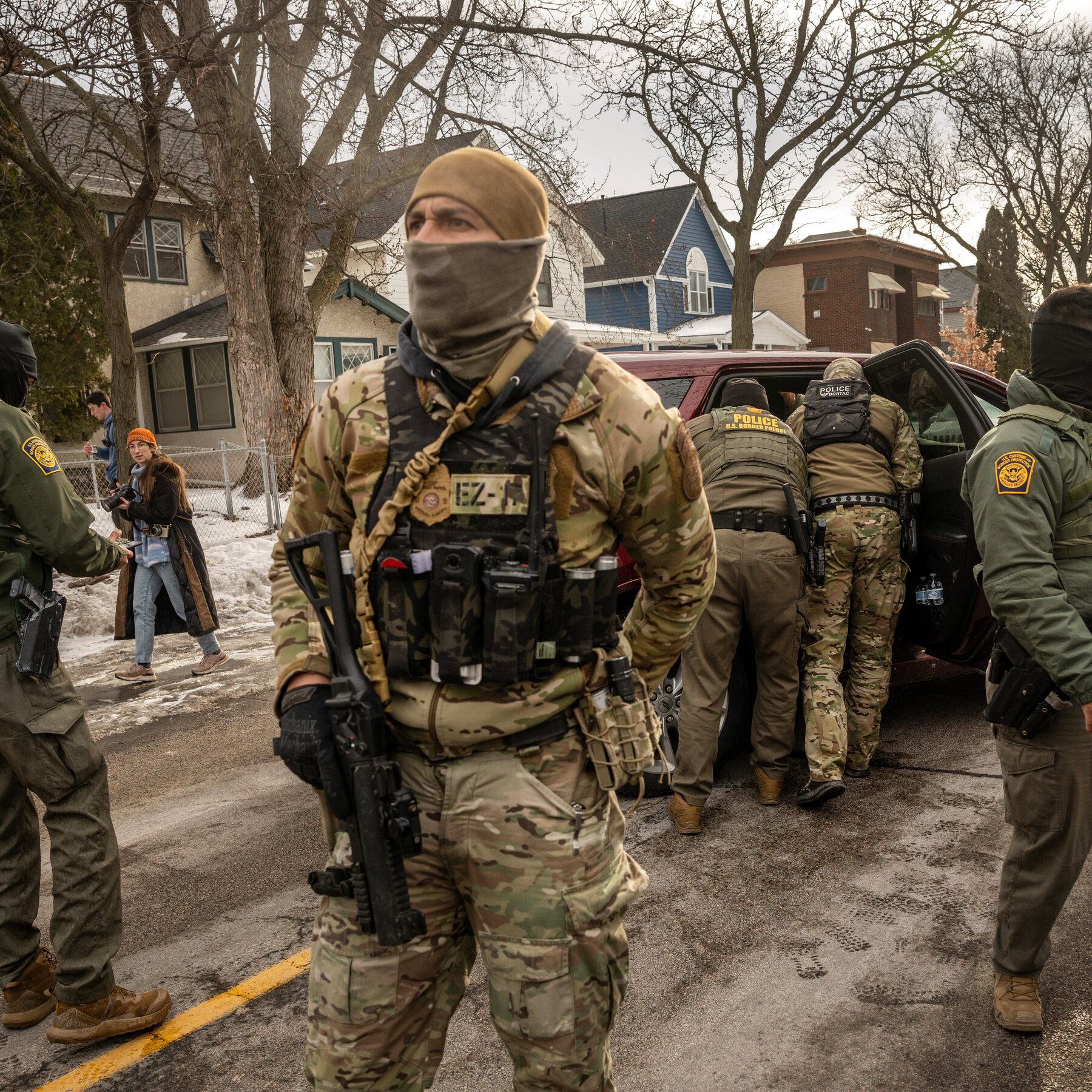
Sen. Lindsey Graham announced Wednesday that he will "expeditiously move" to write a second budget reconciliation bill with backing from President Trump and Senate Majority Leader John Thune. The measure would fund Immigration and Customs Enforcement deportation operations, provide military spending for the Iran war, and advance portions of the SAVE America Act, which imposes stricter voting laws across the country. Graham said in a statement that "the purpose of the second reconciliation bill is to make sure there is adequate funding to secure our homeland and to support our men and women in the military who are fighting so bravely."
The reconciliation process allows the Republican-led Senate to bypass the 60-vote filibuster rule and exclude Democrats from negotiations. It is the same procedure Republicans used to pass Trump's first major bill last year.
The Pentagon's War Funding Request
Republicans expect to pursue funding for Trump's war with Iran, with the Pentagon reportedly requesting $200 billion or more. While the White House has not formally settled on that number, Democrats call the conflict an unjustified war of choice and have opposed additional funding. Reconciliation may be the only legislative path available to secure war spending without Democratic support.
The Pentagon also wants to shift roughly $1.5 billion in previously approved funding to buy critical missile interceptors from Lockheed Martin and RTX Corp., weapons in short supply as the Iran war consumes vast amounts of munitions.
Election Law Obstacles
Graham said he sees "many opportunities to improve voter integrity through reconciliation," but the reconciliation process faces strict constraints. The procedure is heavily restricted to provisions about taxes and spending, and Democrats can appeal to the parliamentarian to strip out provisions that do not comply with those rules.
Sen. Mike Lee, the SAVE America Act sponsor, said it is "essentially impossible" to pass the bill through reconciliation. "There are many things the Senate could pass with a simple majority using the procedure known as 'budget reconciliation.' The SAVE America Act is not one of them," Lee wrote on X. Senate Minority Leader Chuck Schumer warned Wednesday that Democrats will "fight you tooth and nail throughout the reconciliation process, every step of the way."
Republican Divisions
Even key Republicans expressed skepticism about the effort. Sen. Rick Scott said he is "interested in it, but I think it's hard to do," adding that the biggest challenge will be to "keep it focused" and prevent wasteful spending. Sen. Susan Collins said she does not believe reconciliation is a "good approach" to funding parts of the Department of Homeland Security.
In the House, a senior Republican on the Appropriations Committee doubted the bill could pass through the narrow 217-214 majority, where Republicans can afford only one defection. Rep. Jason Smith, chairman of the Ways and Means Committee, expressed skepticism at the annual House Republicans' retreat, saying "I would love to do reconciliation 2" but comparing it to an unrealistic fantasy.
Public Skepticism on Iran War
Polling shows most Americans oppose the Iran war. A March 2026 AP-NORC poll found roughly six-in-ten adults say recent U.S. action against Iran has gone too far. A Quinnipiac University poll found 42 percent of voters believe the conflict is making the world less safe, while 35 percent say it will increase global safety. A March 17-19 Reuters-Ipsos poll found that 65 percent of U.S. adults thought it was at least somewhat likely the U.S. will deploy troops in Iran for a large-scale ground operation, yet just 7 percent said they supported deploying a large number of troops on the ground.
Rep. Nancy Mace drew her own red line Wednesday, writing on X that after attending a briefing on Iran, she would not support boots on the ground as part of the operations. Sen. Josh Hawley told reporters Wednesday that "it's time to bring this to an end. I hope we wouldn't escalate it with ground troops."
Economic Fallout
Gasoline prices have surged as a result of the conflict. The average U.S. gas price on Wednesday was a little over $3.98 per gallon, up from approximately $2.98 a month ago, according to AAA. Energy Secretary Chris Wright has been reassuring the oil industry that the Iran war will be short-lived, despite no end in sight.
The International Monetary Fund is running scenarios on countries to gauge which economies could need fresh financing if the Iran war drags on. Morgan Stanley warned that the dollar will weaken as interest-rate differentials between the U.S. and Europe shrink and the war in Iran curbs economic growth.
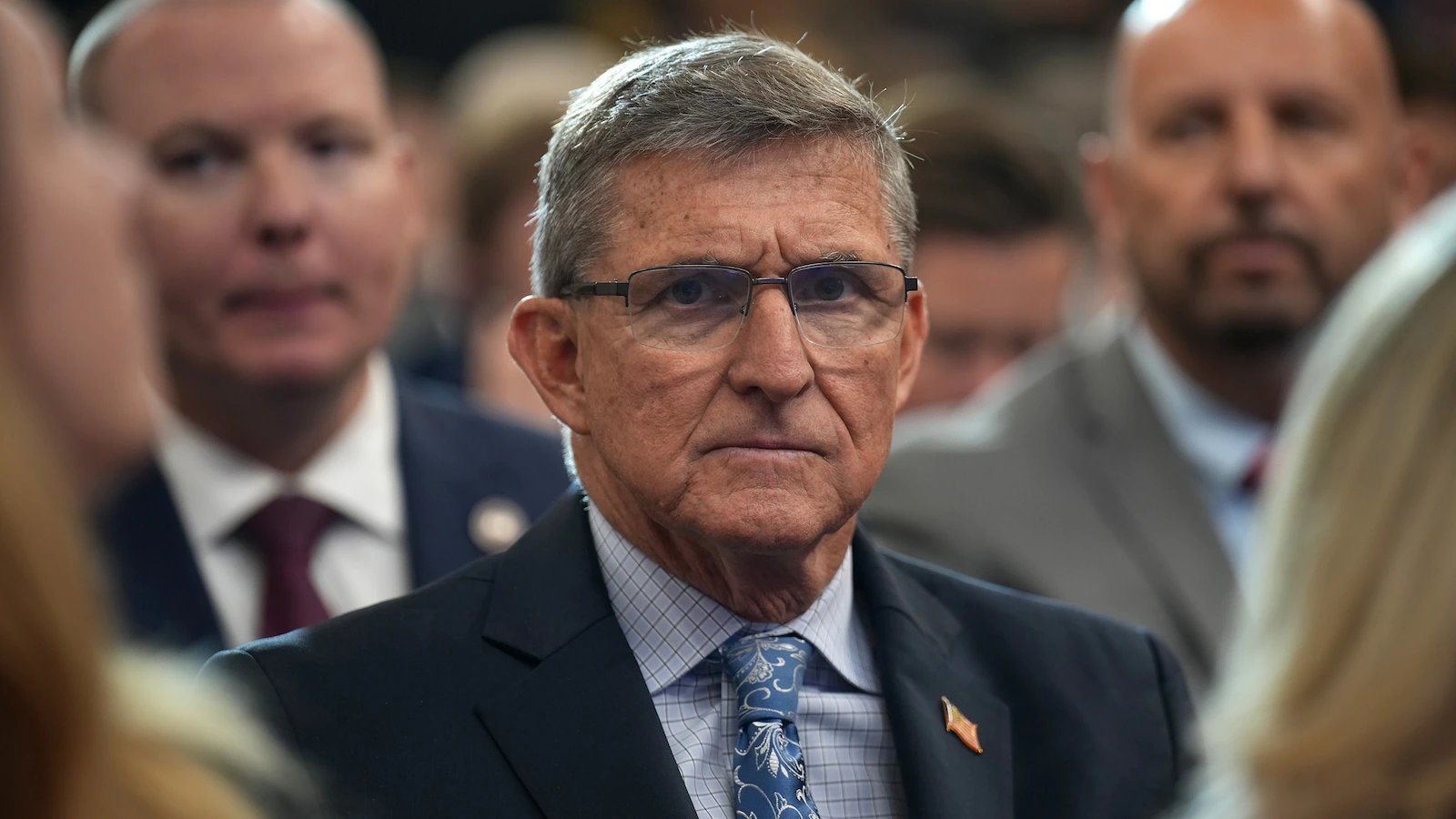
Sen. Mike Lee, R-Utah, sponsor of the SAVE America Act, wrote on X that passing the bill through reconciliation is 'essentially impossible.'