
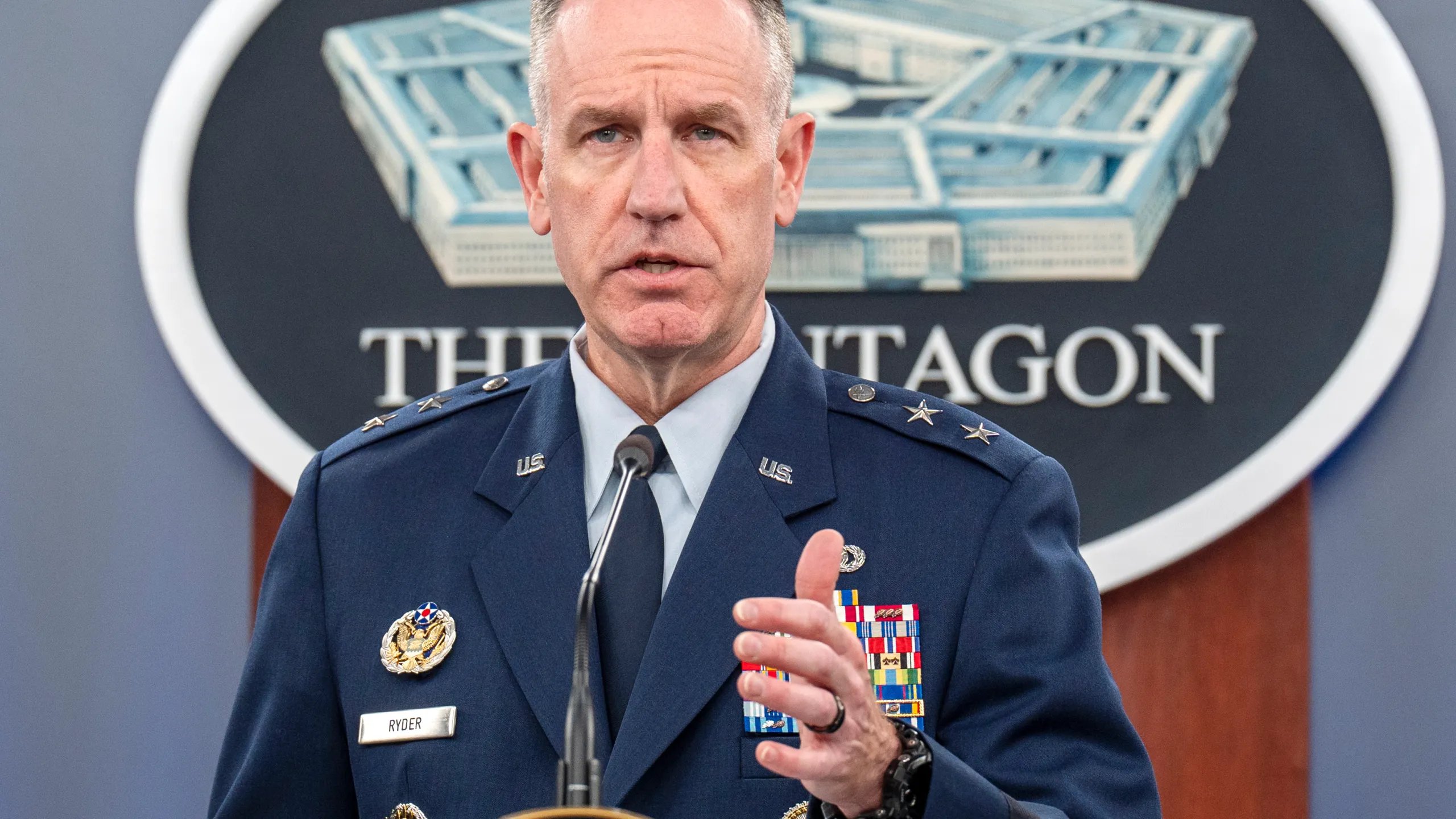




Court Ruling on Pentagon Policy
A federal judge in Washington, D.C., ruled that the Pentagon's press access policy is unconstitutional, siding with The New York Times in a lawsuit against the Department of Defense. U.S. District Judge Paul Friedman found that the policy, which required journalists to obtain approval from Defense officials before reporting on information—even unclassified material—violated the First and Fifth Amendments of the U.S. Constitution. In his 40-page ruling, Friedman emphasized that the First Amendment is meant to empower the press to operate without governmental restrictions, stating, "Those who drafted the First Amendment believed that the nation's security requires a free press and an informed people."
Impact on Media Freedom
The Pentagon's policy, introduced in October, faced backlash from multiple media organizations, including major outlets like CBS News, ABC News, and the Associated Press, which chose not to comply and subsequently had their press credentials revoked. The ruling is seen as a significant victory for press freedom, with Friedman underscoring the public's right to diverse reporting, especially amid ongoing military conflicts such as the U.S. incursion into Venezuela and its war with Iran.

For example, the sources do not mention specific military conflicts like the U.S. incursion into Venezuela or its war with Iran.
Specifics of the Policy
The controversial policy restricted journalists from soliciting information that was not provided by the Department of Defense, effectively allowing the Pentagon to punish outlets for coverage it disapproved of. Judge Friedman described the policy as vague, noting that it failed to inform journalists about what actions could lead to the denial or revocation of their credentials.
Pentagon's Response
In response to the ruling, Pentagon spokesman Sean Parnell announced plans to appeal the decision, stating, "We disagree with the decision and are pursuing an immediate appeal." The Pentagon had argued that the policy was a necessary measure to protect national security and prevent leaks of sensitive information. However, the ruling challenges the notion that such restrictions are justified at the expense of press freedom.
Broad Implications for Journalism
The ruling has been welcomed by journalism advocates, with The New York Times asserting that it reaffirms the rights of independent media to question government actions on behalf of the public. Times spokesperson Charlie Stadtlander stated, "Americans deserve visibility into how their government is being run and the actions the military is taking in their name and with their tax dollars." The ruling resolves a central tension between national security interests and the fundamental rights of a free press, with the court determining that press freedom protections take precedence even during times of conflict.
Next Steps for the Pentagon
Judge Friedman ordered the Pentagon to reinstate the press credentials of seven Times journalists and mandated a report on compliance with the ruling within a week. The outcome of the appeal will be closely watched, as it could set a precedent for how the government interacts with the press in the future. As the Pentagon prepares its legal response, the implications of this ruling extend beyond the immediate press access, touching on broader issues of transparency and accountability in government operations.

The BBC reports that CNN and Fox News, in addition to CBS News and ABC News, also chose not to comply with the Pentagon's policy and had their access revoked.