
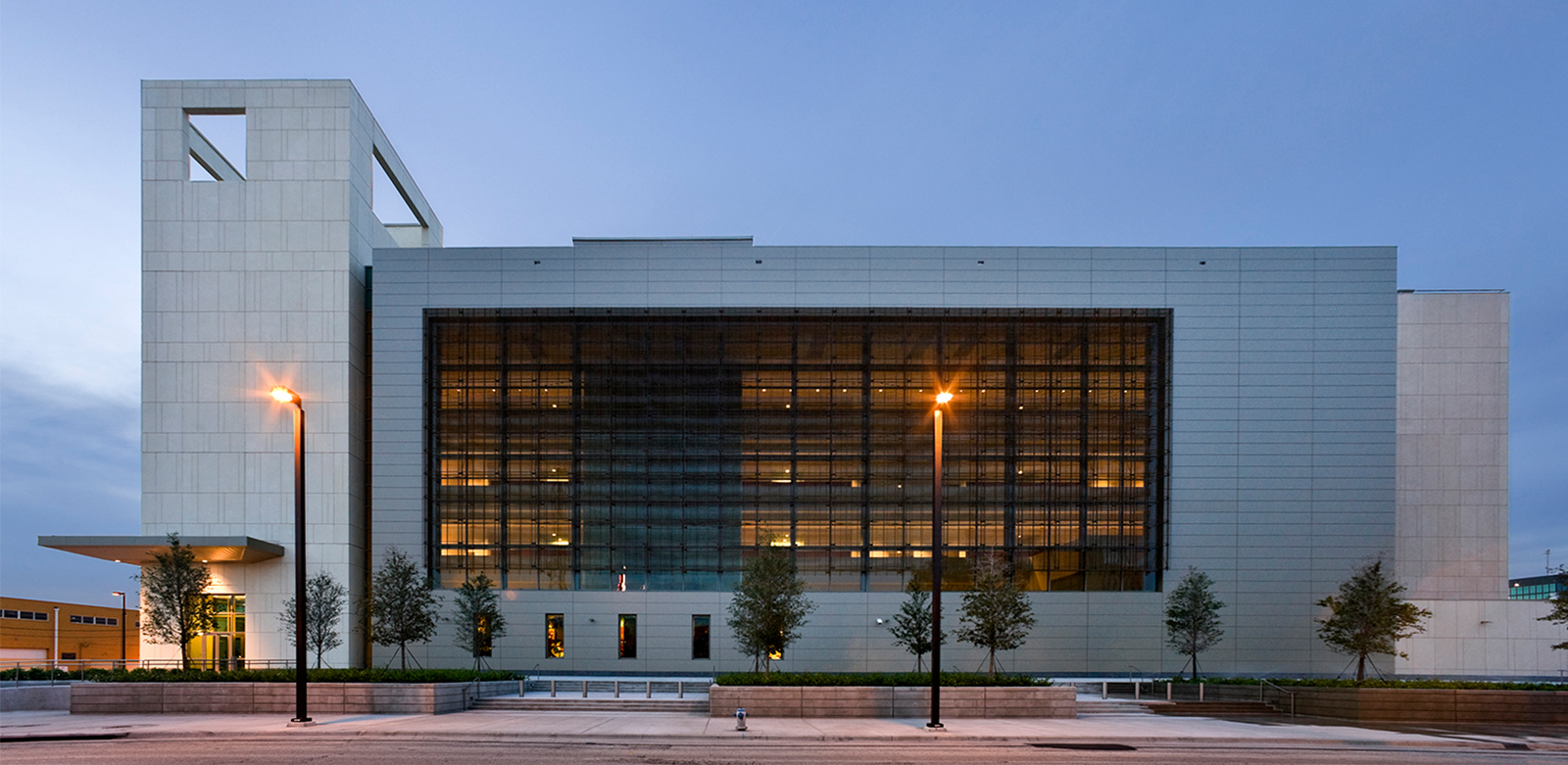





Judge Rules Against Pentagon Policy
A federal judge ruled on March 20 that parts of the Pentagon's press access policy violate the First Amendment, following a lawsuit by The New York Times in Washington DC federal court. The Trump administration implemented the policy changes under Defense Secretary Pete Hegseth in October. The judge's decision came after the defense department implemented changes that allowed it to label journalists as security risks for seeking unauthorized information. The ruling emphasizes the importance of press freedom and government accountability.
Lawsuit Highlights Unconstitutional Practices
The lawsuit argued that the policy changes enabled the Pentagon to selectively punish reporters and news outlets based on their coverage. According to the Times's lawsuit, only one out of 56 news outlets in the Pentagon Press Association agreed to the new policy. Reporters who refused to comply were stripped of their press credentials, effectively silencing dissenting voices.
Pentagon's Justification for the Policy
Justice Department lawyers defended the policy, arguing it was necessary to protect national security. The government claimed that soliciting unauthorized information from military personnel could be considered illegal, arguing that such actions do not fall under the protections of free speech. However, critics, including advocacy groups, condemned this view as an attack on journalistic integrity and the First Amendment.
Advocacy Groups Respond
Seth Stern, chief of advocacy at the Freedom of the Press Foundation, expressed relief at the ruling, stating that it was shocking for the government to impose such restrictions on the press. He characterized the policy as a "sweeping prior restraint" that undermined democratic principles. The ruling is expected to have lasting implications for press freedom and government transparency.
Broader Implications for Press Freedom
This landmark decision not only affects military journalists but also sets a precedent for how government agencies interact with the media. The ruling underscores the necessity for transparent communication between the government and the public, particularly in matters of national interest. The judicial system's role in safeguarding press freedoms is now more critical than ever.
Next Steps for the Pentagon
In light of the ruling, the Pentagon will need to reassess its press access policies. The decision could lead to a more open environment for journalists seeking information about military operations and policies. As the government navigates this new landscape, it faces the challenge of balancing national security with the public's right to know.
The sources also report that the Pentagon assembled a new press corps of pro-Trump outlets and media personalities after reporters left.