




The Reversal
On Monday the Department of Justice moved to drop its appeals against four law firms that had beaten Trump's executive orders. Perkins Coie, WilmerHale, Jenner & Block, and Susman Godfrey had won rulings from federal judges declaring the orders unconstitutional. On Tuesday, the administration abruptly reversed course and told the court it would keep defending the orders.
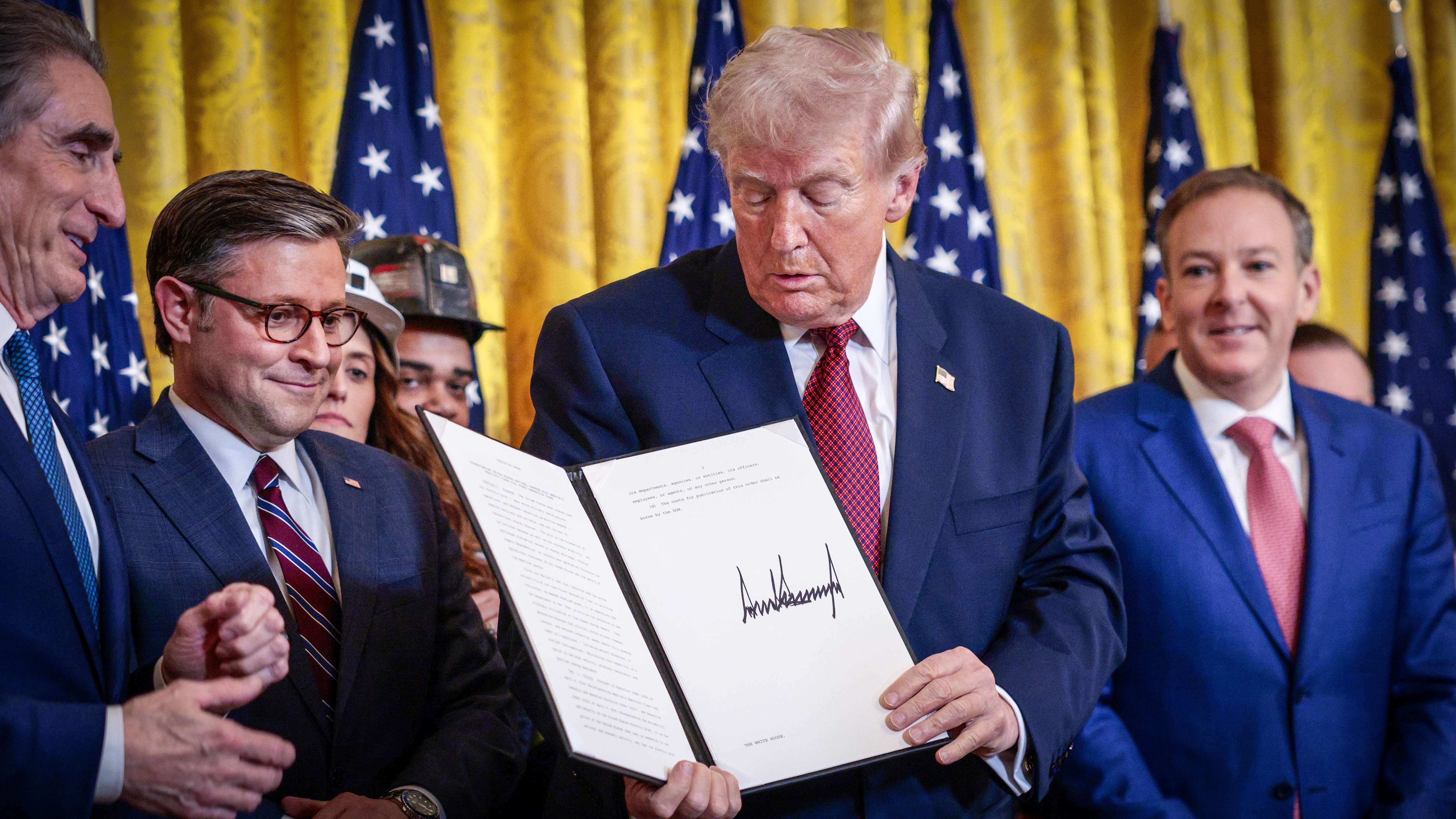
The administration issued executive orders affecting law firms that represented clients or causes the president opposed. The four firms challenged the orders as unconstitutional; federal judges agreed. The DOJ's reversal on Tuesday means the legal fight continues.
Four firms challenged the orders in court and won. Nine firms negotiated settlements with the administration instead of litigating.
Why Nine Others Folded
Nine other major law firms negotiated settlements. Paul Weiss, the first to cut a deal, agreed to provide $40 million in pro bono work to the Trump administration. The firm argued this was "a small price to pay compared with the money, clients and even top talent it could have lost if it chose to fight," according to reporting.
The firms that settled calculated that legal fees, lost clients, and departing talent would cost far more than donating free legal services. Across all nine firms that negotiated settlements, the pledged commitment reached nearly $1 billion in unpaid legal work. These firms faced pressure. The executive orders threatened to strip security clearances, revoke access to government buildings, and damage relationships with federal agencies. The administration stated the orders targeted firms for representing clients or causes opposed to the president's policies; the firms and federal judges argued the orders violated constitutional protections for legal representation.
What the Four Firms Gained
The four firms that litigated secured permanent court rulings against the executive orders. Jenner & Block said in a statement that the government's earlier move to withdraw appeals "makes permanent the rulings of four federal judges that the executive orders targeting law firms were unconstitutional." The DOJ and White House did not immediately provide statements explaining the decision to withdraw appeals. Susman Godfrey called the earlier withdrawal a victory, saying the firm fought "for a Constitution that protects our freedoms; for a legal profession that depends on equal justice under the law."
These firms refused to trade their professional independence for short-term peace. The litigation cost them time and money, but they avoided the billion-dollar pro-bono commitments accepted by the settling firms.
What This Reveals
The outcome has different implications for the legal profession. The four firms that litigated preserved the court rulings that the executive orders violated constitutional protections. The nine firms that settled negotiated agreements that allowed them to continue operations without extended litigation. Both approaches reflect different institutional priorities.
Federal judges had ruled that the executive orders violated constitutional protections. The administration's attempt to continue defending the orders in court underscores the stakes for the legal profession.
The four firms that challenged the orders achieved a favorable outcome. The nine firms that settled prioritized their business interests and complied with the administration's demands. For lawyers, the question remains: when does principle require resistance, and when does institutional survival demand negotiation?