Gas Prices Set to Jump 25 to 65 Cents by Spring
Revised after bias review
 Council News
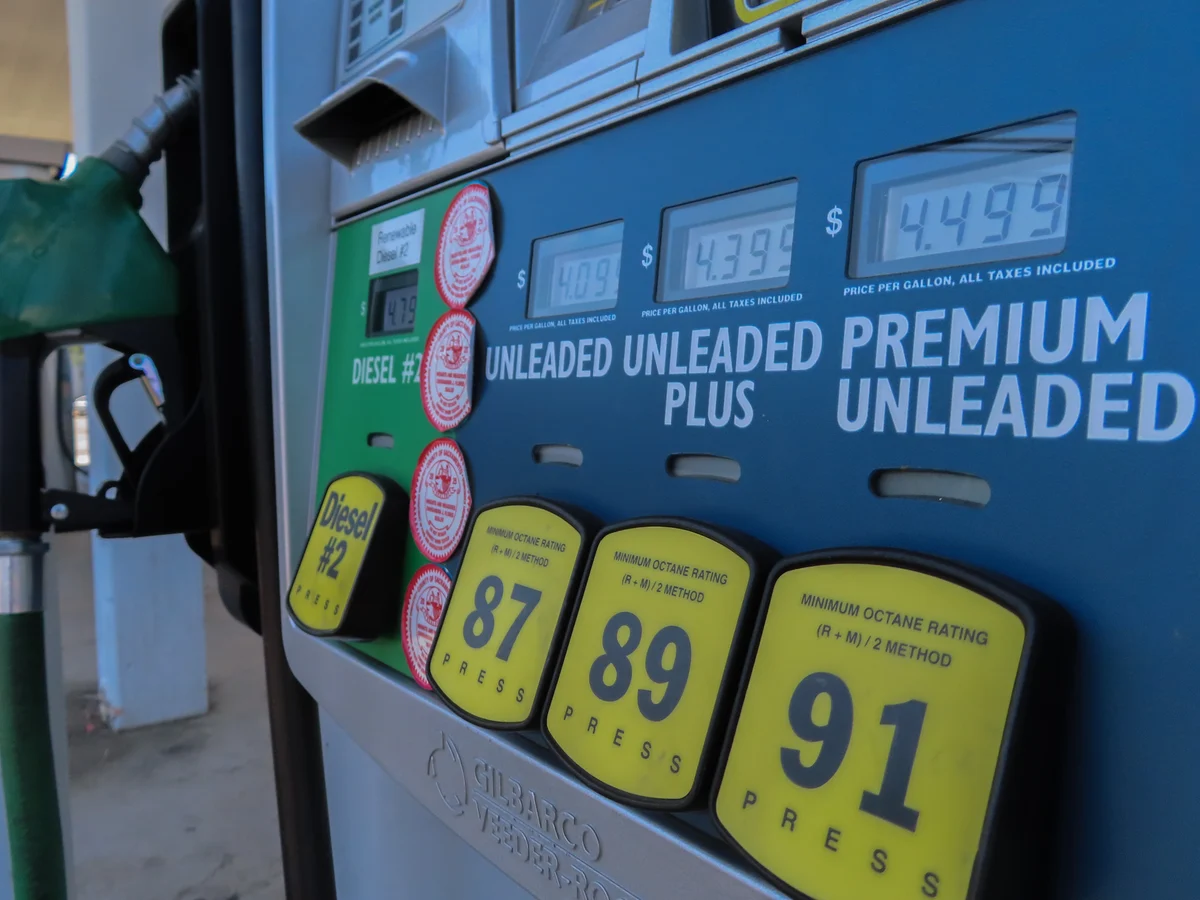





The impending rise in gas prices will directly affect people's wallets, making this a story they'll want to read to prepare for the increased cost.
Gas prices are hitting wallets directly and this story explains why they're about to rise—actionable information people will discuss and use to plan purchases.
Rising gas prices directly impact Americans' daily budgets and commuting costs, making it essential for citizens to know how to adjust their spending; people will stop scrolling because it affects their wallets immediately and offers actionable advice on fuel efficiency or alternatives.
Single-source Axios scoop: new EPA rules will let refiners switch to winter-blend gas early, pushing pump prices up soon. Direct hit to weekly budgets.
If you've been enjoying cheap gas lately, fill up now. Gasoline prices are expected to rise between 25 and 65 cents per gallon over the next two months, according to Patrick De Haan, head of petroleum analysis at GasBuddy. The wide range depends on whether geopolitical tensions escalate and how quickly refineries complete their seasonal switch. Refineries are switching to more expensive summer-blend fuel. This seasonal shift alone will push prices higher.
The timing compounds the pressure. U.S. colleges often start spring break in early March. Federal law requires refineries to switch to summer-blend gasoline by May 1 to meet air pollution standards. This fuel costs more to make because it resists evaporation better than winter blends. The production switch requires time and money.
Summer-blend gasoline requires more complex processing than the winter version currently flowing through pumps. Creating fuel resistant to evaporation is both more expensive and time-consuming, according to Aixa Diaz, an AAA spokesperson. Right now, refineries have winter-blend inventories well above average. This is temporarily cushioning the price impact. That buffer disappears once the seasonal switch begins.
Specific refinery outages are already tightening supply. HF Sinclair's Tacoma refinery in Washington is undergoing maintenance. Production issues in the Great Plains region are also reducing output. These localized disruptions compound the broader seasonal pressure.
Oil prices moved this week amid trader concerns that a potential U.S. strike on Iran could disrupt global supply. Energy market analysts, as reported by Axios, say tensions with Iran could add a few cents per gallon to pump prices. The extent of any impact remains uncertain. That's on top of the seasonal pressures already building.
Gas prices are the cheapest for February since 2021, according to Aixa Diaz of AAA. Even as prices rise through spring, they're starting from a lower baseline than recent years. Gasoline stockpiles are 6 percent above the five-year February average, according to the Energy Information Administration. This surplus is helping moderate the seasonal price jump.
For the next two months, expect to pay 25 to 65 cents more per gallon as refineries shift to summer-blend production and more Americans hit the road.
Cross-referenced to ensure accuracy