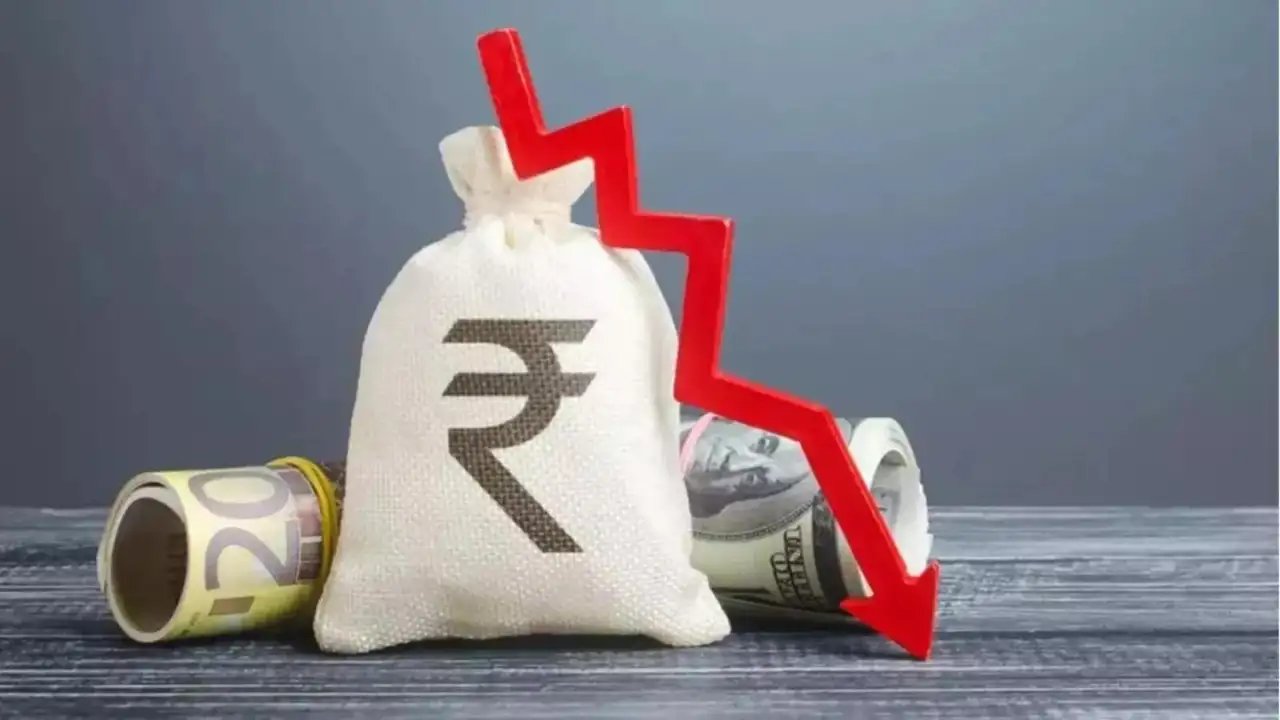
GE HealthCare announced a significant cut to its annual profit forecast, now projecting earnings between $4.50 and $4.80 per share, down from an earlier estimate of $5.40 to $5.70. This revision reflects the company's struggle with rising inflation and increased tariffs, which have collectively pressured profit margins. The company expects to incur an additional $500 million in costs, largely due to these economic factors.
Inflation has been a major concern for GE HealthCare, which cited surging costs for raw materials and components as significant factors leading to the forecast adjustment. The company indicated that the ongoing inflationary environment has made it increasingly difficult to maintain pricing power, a sentiment echoed by industry analysts. "The pressures from inflation are real, and they are affecting many sectors, including healthcare," said an analyst from a leading market research firm.
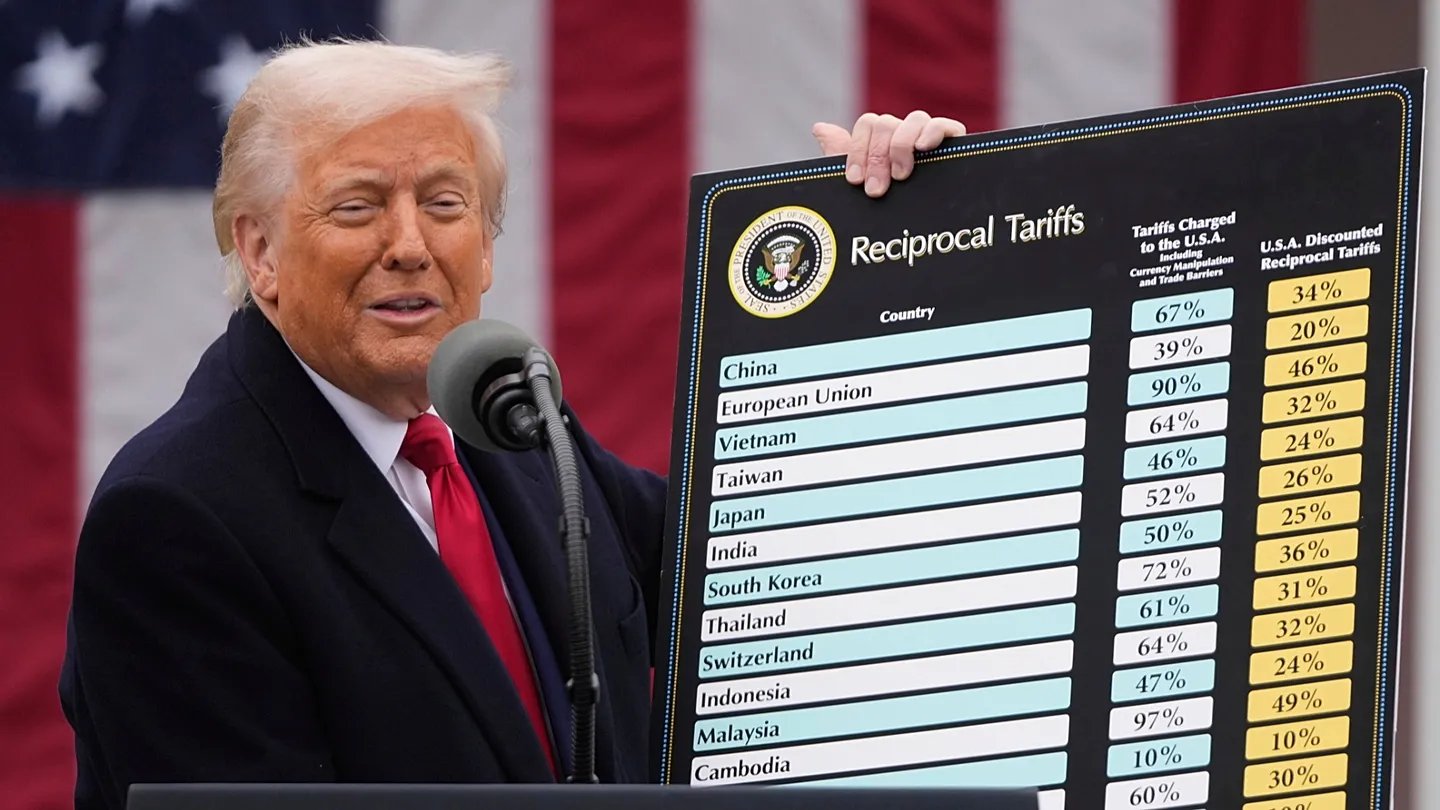
In addition to inflation, tariffs imposed on imports have further complicated GE HealthCare's financial landscape. The company reported that tariffs on key components have driven up operational costs, impacting the overall profitability of its medical devices.
The market reacted swiftly to GE HealthCare's announcement, with shares dropping by approximately 7% in after-hours trading. Investors expressed concern over the company's ability to rebound from these economic pressures, leading to a broader discussion about the healthcare sector's vulnerability to rising costs. Financial analysts have warned that if inflation persists, more companies in the sector may face similar challenges.
In response to the current economic climate, GE HealthCare is exploring various strategies to mitigate the impact of inflation and tariffs. The company plans to invest in supply chain optimization and cost-reduction initiatives to enhance efficiency.
GE HealthCare's struggles are reflective of broader economic trends affecting multiple industries. Reports indicate that inflation has reached levels not seen in decades, prompting companies across sectors to revise their earnings forecasts. As inflationary pressures persist, analysts predict that more companies will be forced to adjust their profit expectations in the coming months.
The cut in profit forecasts by GE HealthCare serves as a cautionary tale for consumers and investors alike. Rising healthcare costs, driven by inflation and tariffs, may ultimately affect the affordability and availability of medical services and products. As GE HealthCare and others in the industry navigate these turbulent waters, consumers may soon feel the impact on their healthcare expenses.
GE HealthCare announced a significant cut to its annual profit forecast, now projecting earnings between $4.50 and $4.80 per share, down from an earlier estimate of $5.40 to $5.70. This revision reflects the company's struggle with rising inflation and increased tariffs, which have collectively pressured profit margins. The company expects to incur an additional $500 million in costs, largely due to these economic factors.
Inflation has been a major concern for GE HealthCare, which cited surging costs for raw materials and components as significant factors leading to the forecast adjustment. The company indicated that the ongoing inflationary environment has made it increasingly difficult to maintain pricing power, a sentiment echoed by industry analysts. "The pressures from inflation are real, and they are affecting many sectors, including healthcare," said an analyst from a leading market research firm.
In addition to inflation, tariffs imposed on imports have further complicated GE HealthCare's financial landscape. The company reported that tariffs on key components have driven up operational costs, impacting the overall profitability of its medical devices. "We are navigating a challenging environment where tariffs and inflation are converging, creating a perfect storm for our margins," stated GE HealthCare's CEO during a recent earnings call.
The market reacted swiftly to GE HealthCare's announcement, with shares dropping by approximately 7% in after-hours trading. Investors expressed concern over the company's ability to rebound from these economic pressures, leading to a broader discussion about the healthcare sector's vulnerability to rising costs. Financial analysts have warned that if inflation persists, more companies in the sector may face similar challenges.
In response to the current economic climate, GE HealthCare is exploring various strategies to mitigate the impact of inflation and tariffs. The company plans to invest in supply chain optimization and cost-reduction initiatives to enhance efficiency. "We are committed to finding innovative solutions to navigate these challenges while continuing to provide high-quality healthcare products," the CEO added.
GE HealthCare's struggles are reflective of broader economic trends affecting multiple industries. Reports indicate that inflation has reached levels not seen in decades, prompting companies across sectors to revise their earnings forecasts. As inflationary pressures persist, analysts predict that more companies will be forced to adjust their profit expectations in the coming months.
The cut in profit forecasts by GE HealthCare serves as a cautionary tale for consumers and investors alike. Rising healthcare costs, driven by inflation and tariffs, may ultimately affect the affordability and availability of medical services and products. As GE HealthCare and others in the industry navigate these turbulent waters, consumers may soon feel the impact on their healthcare expenses.
Highlighted text was flagged by the council. Tap to see feedback.