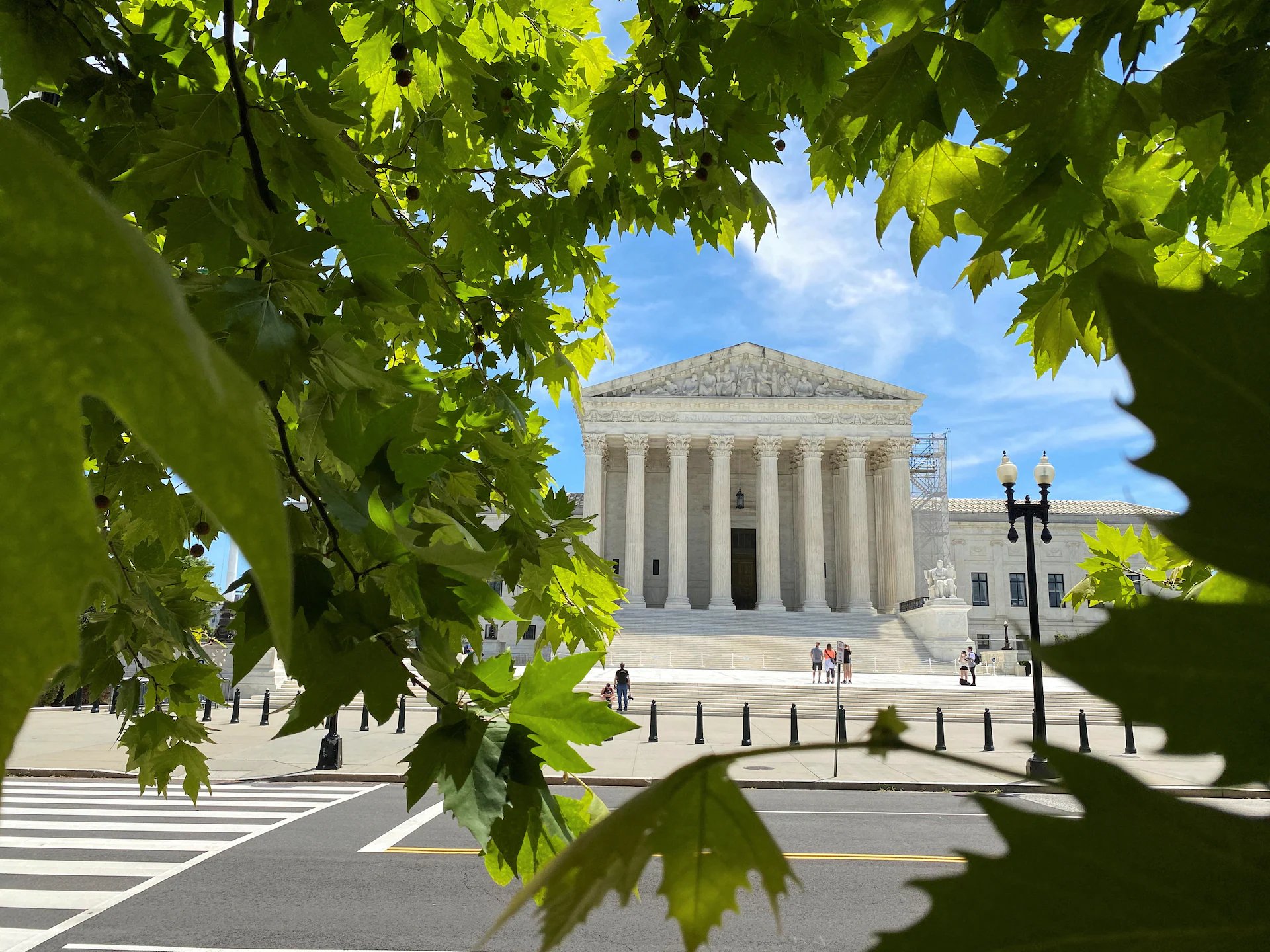
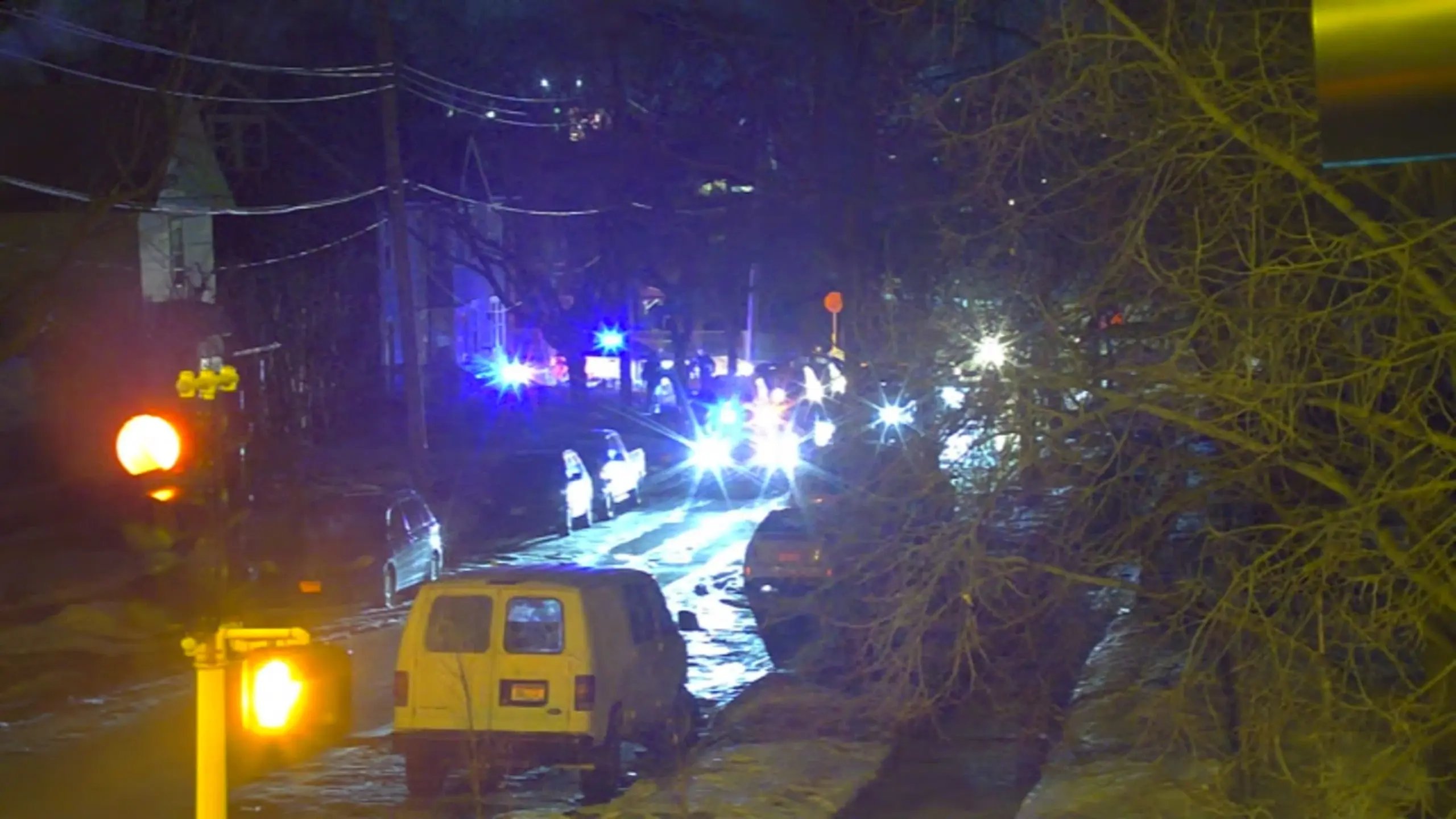
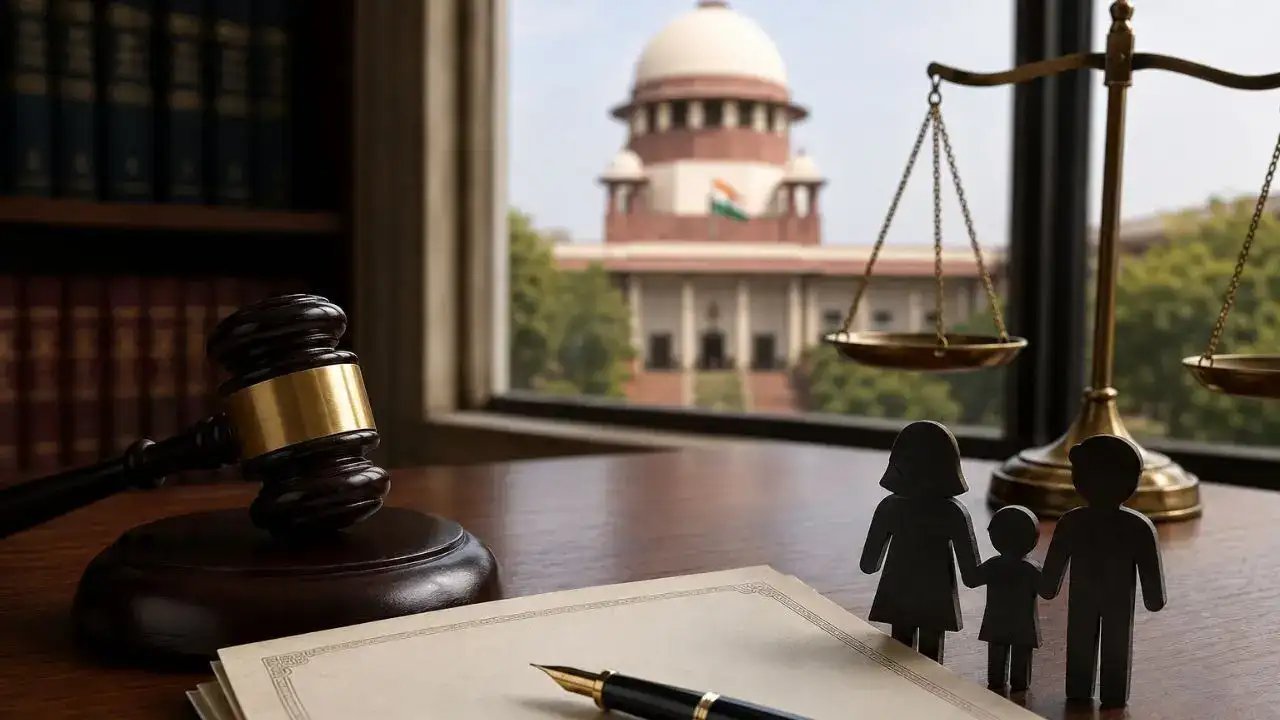
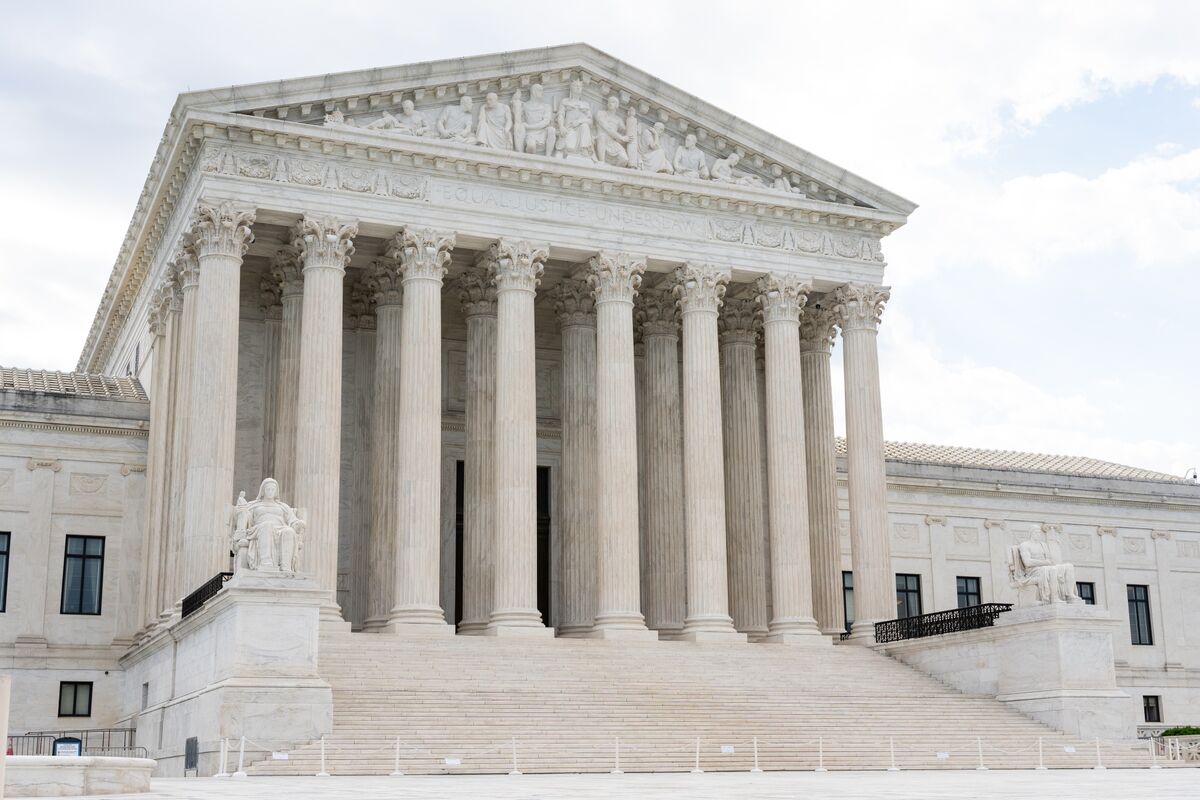
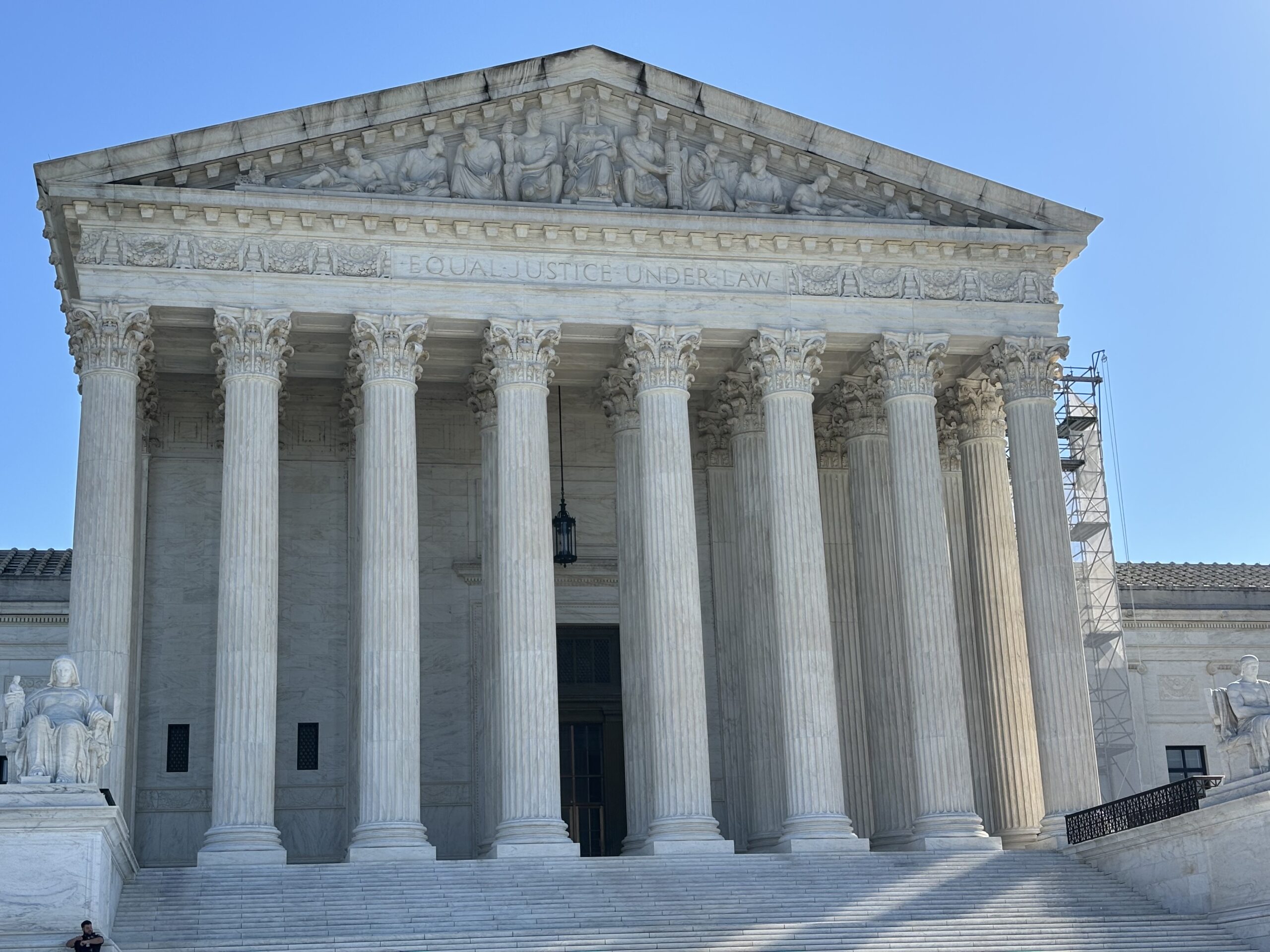
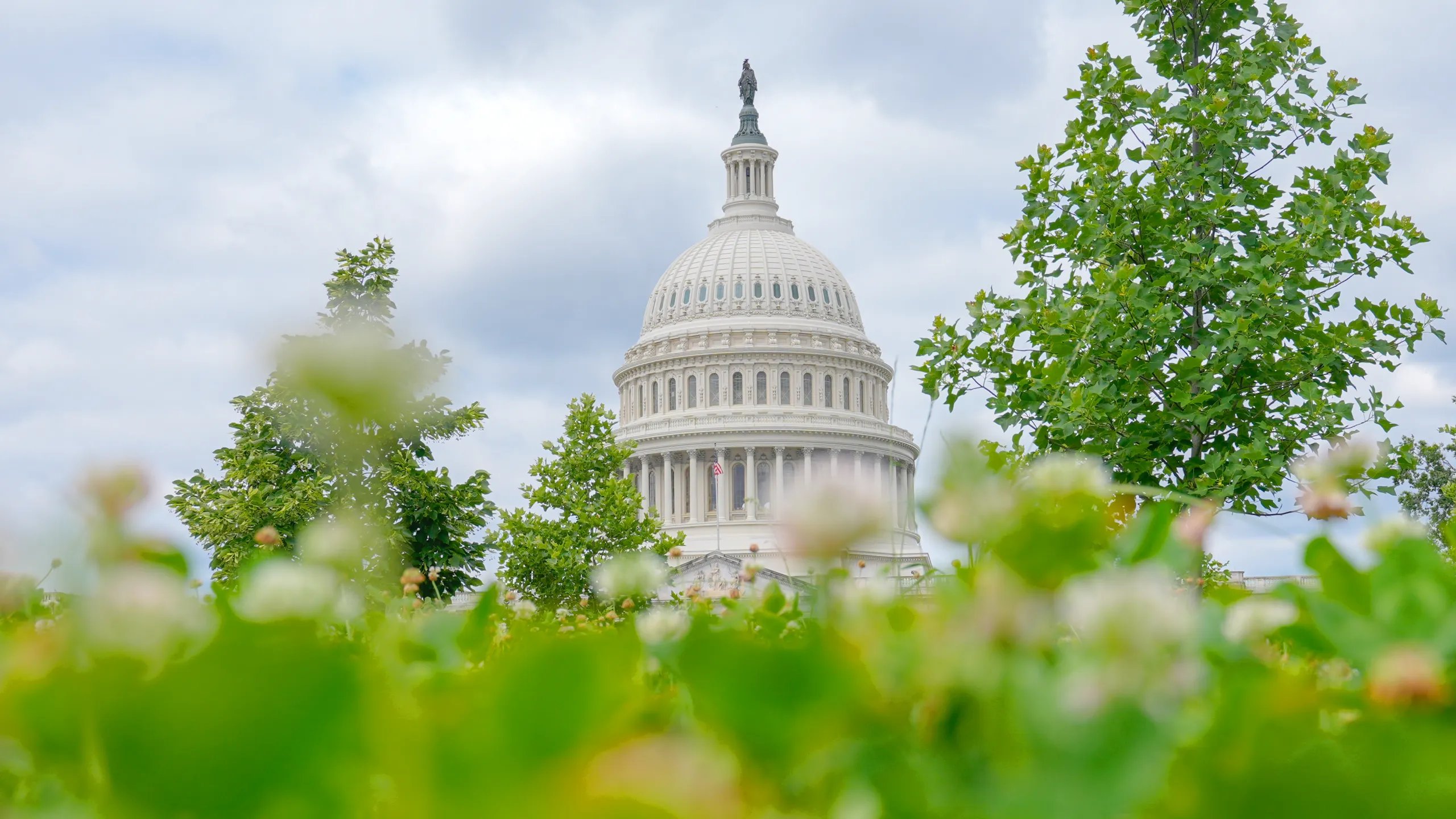
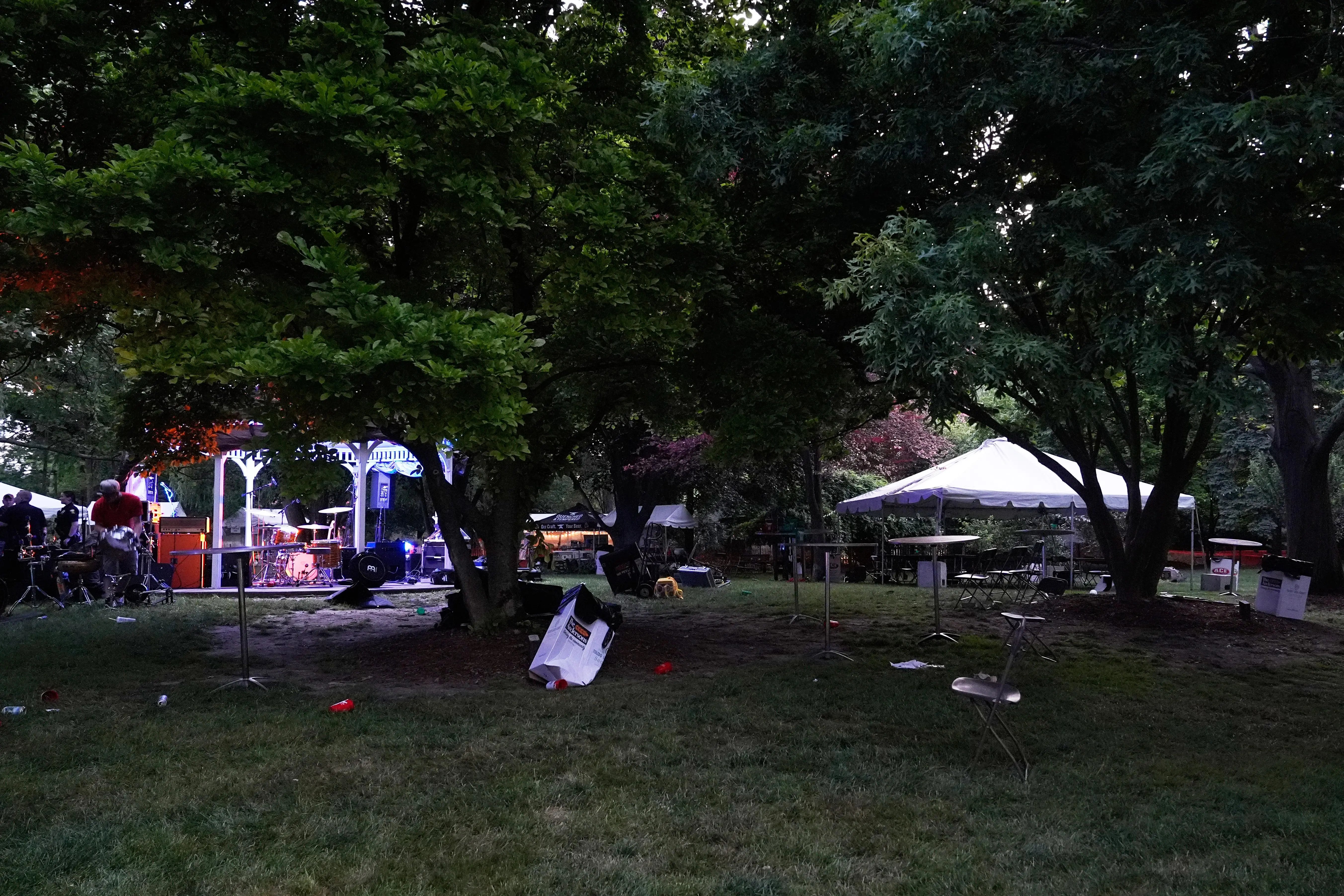
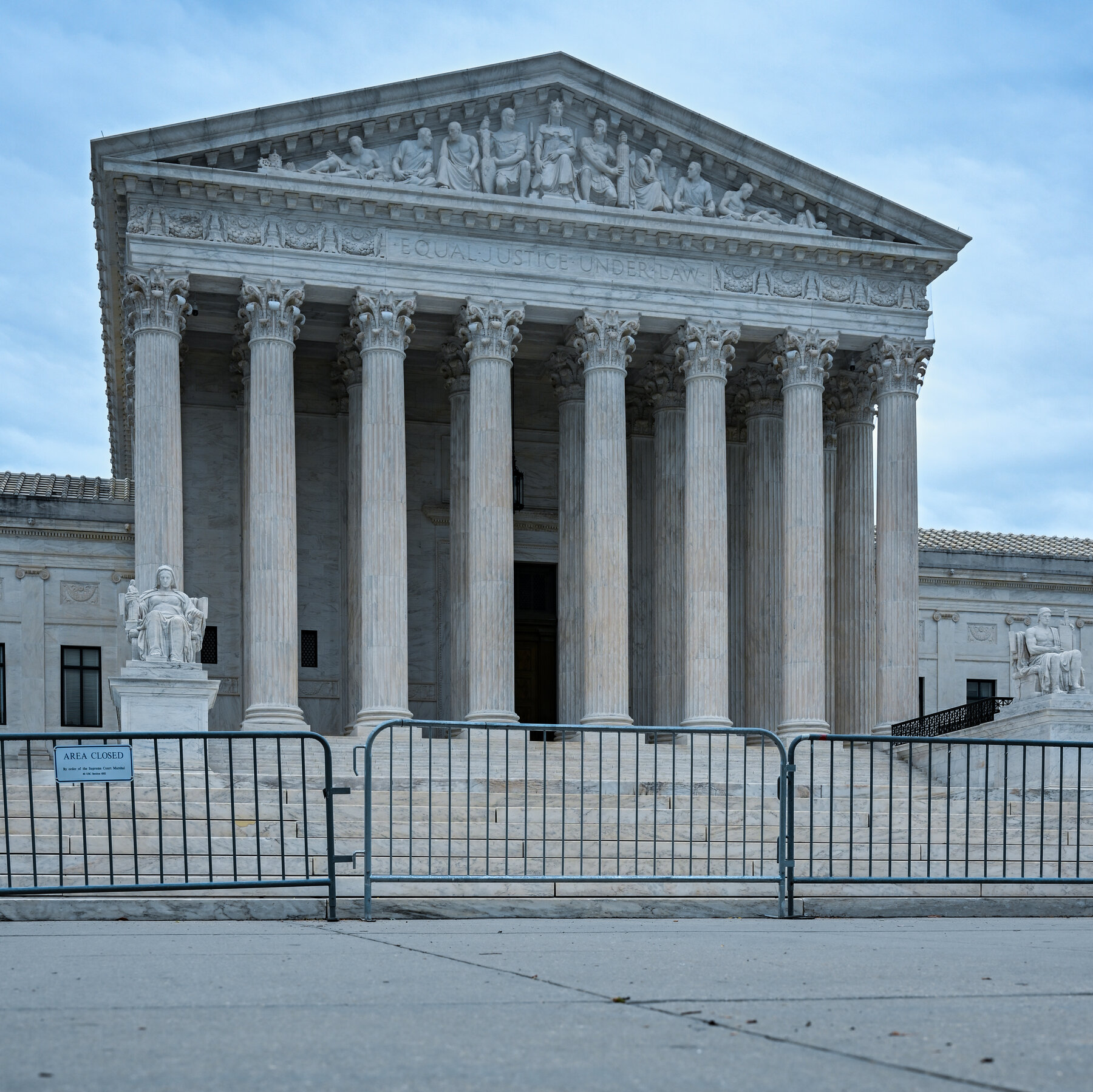
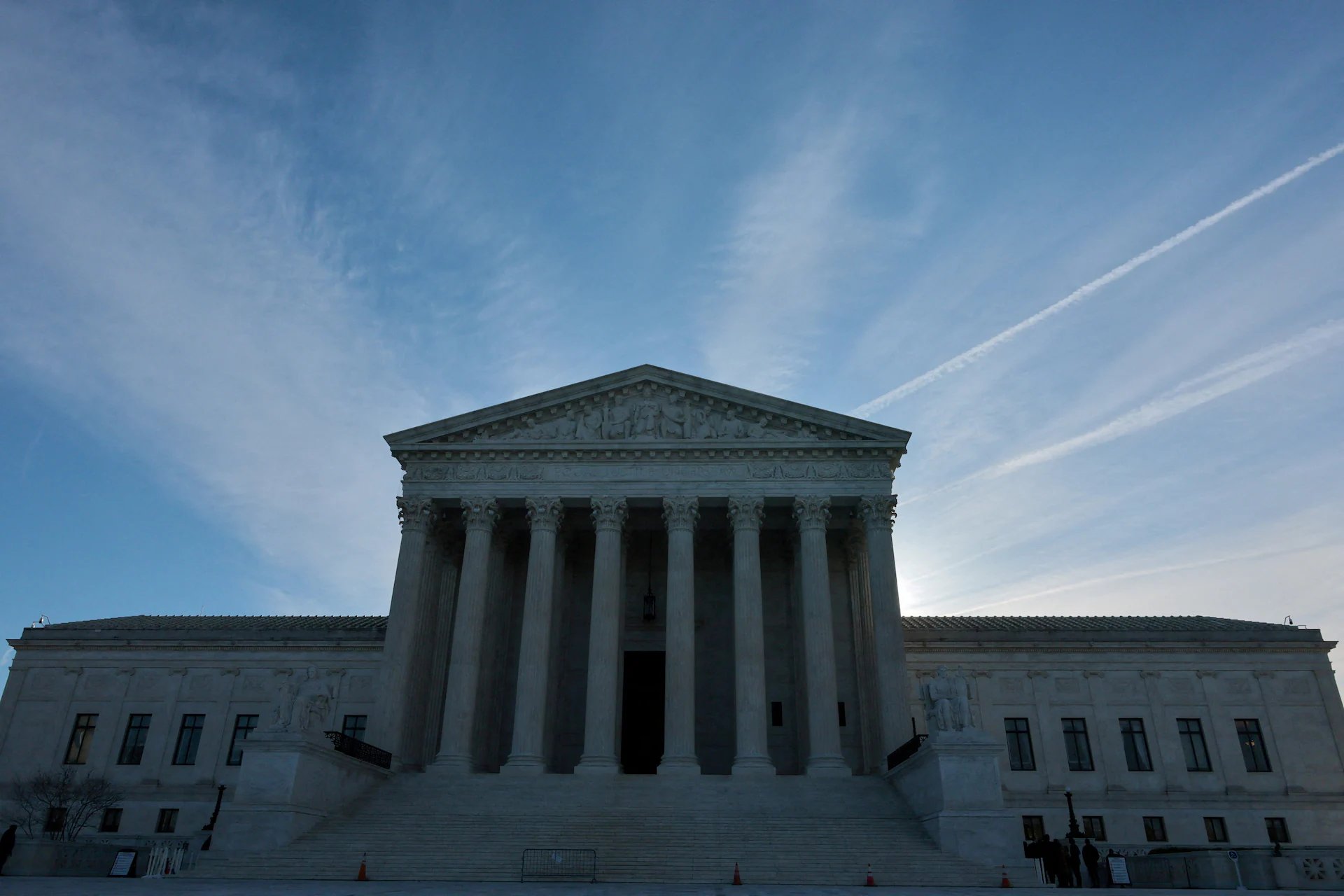
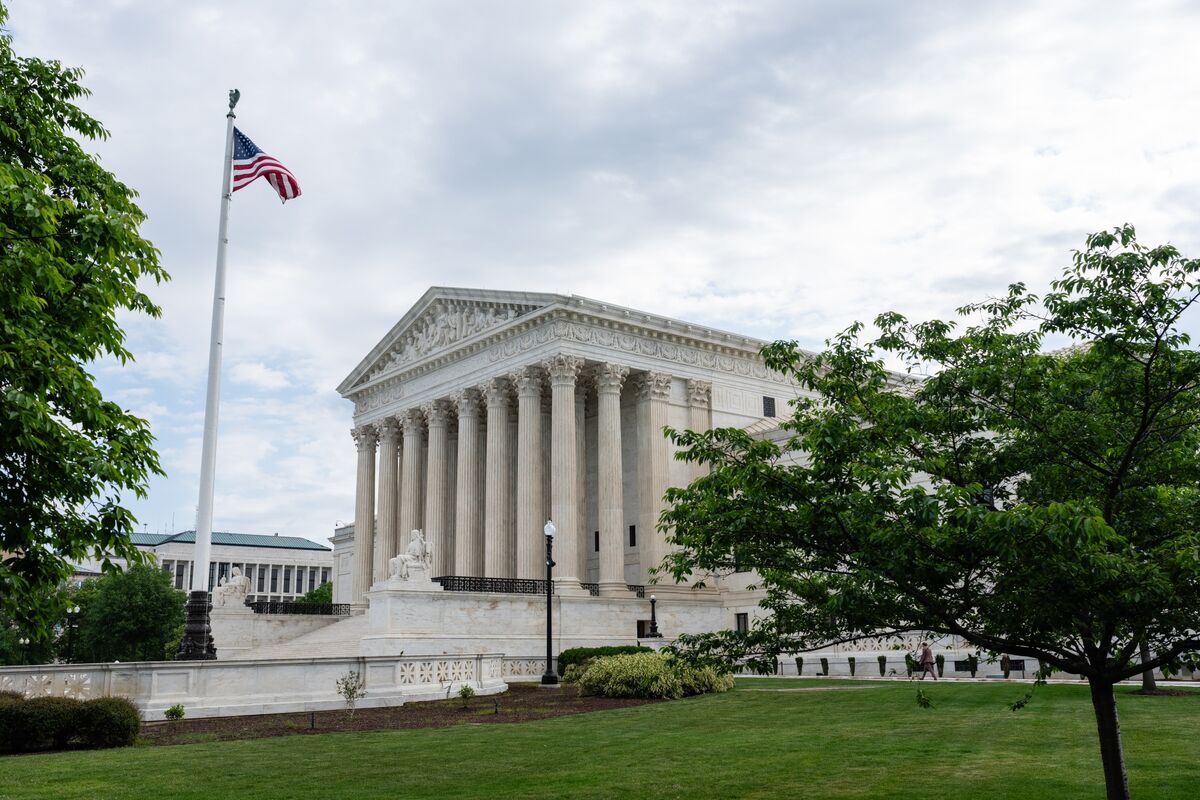
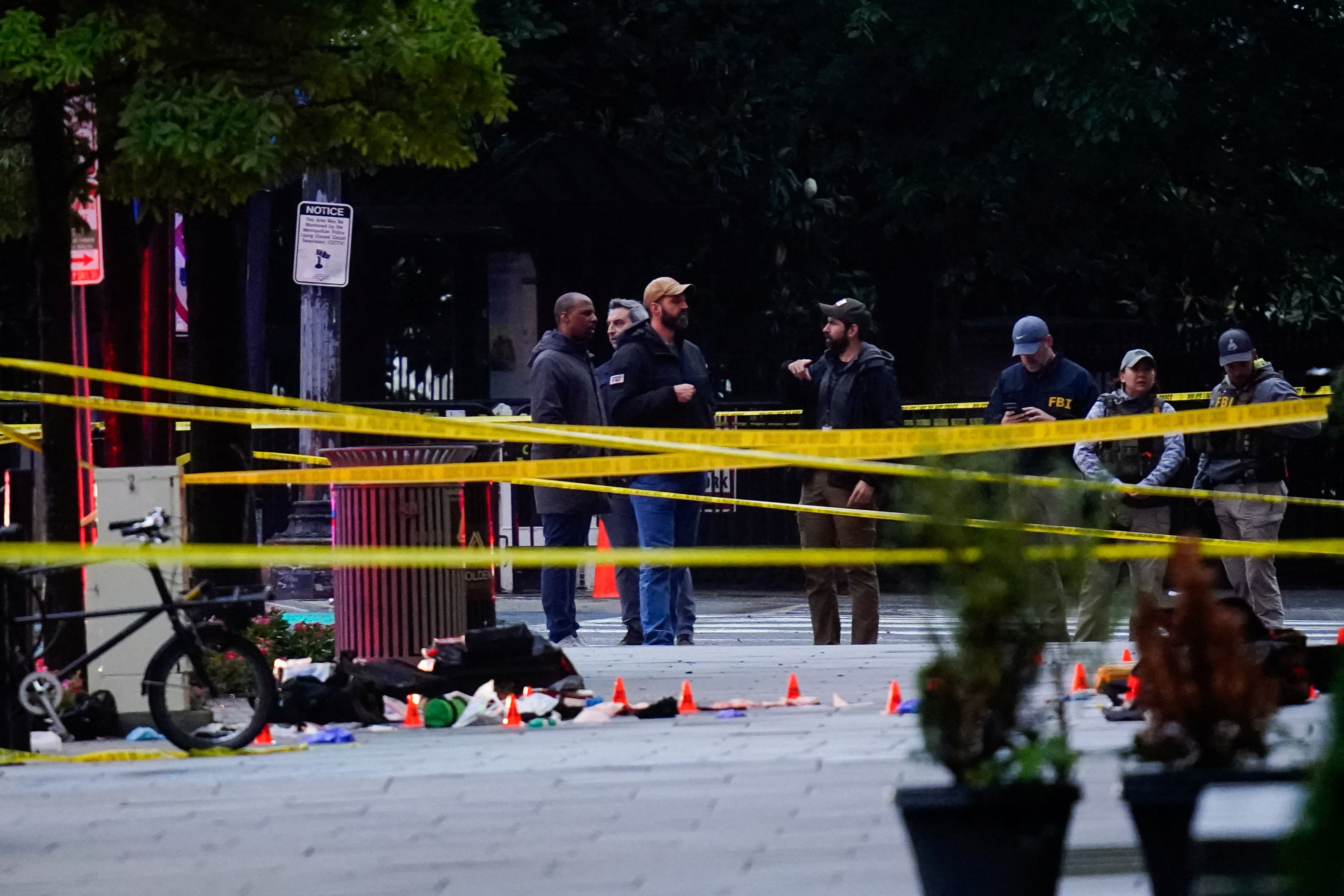
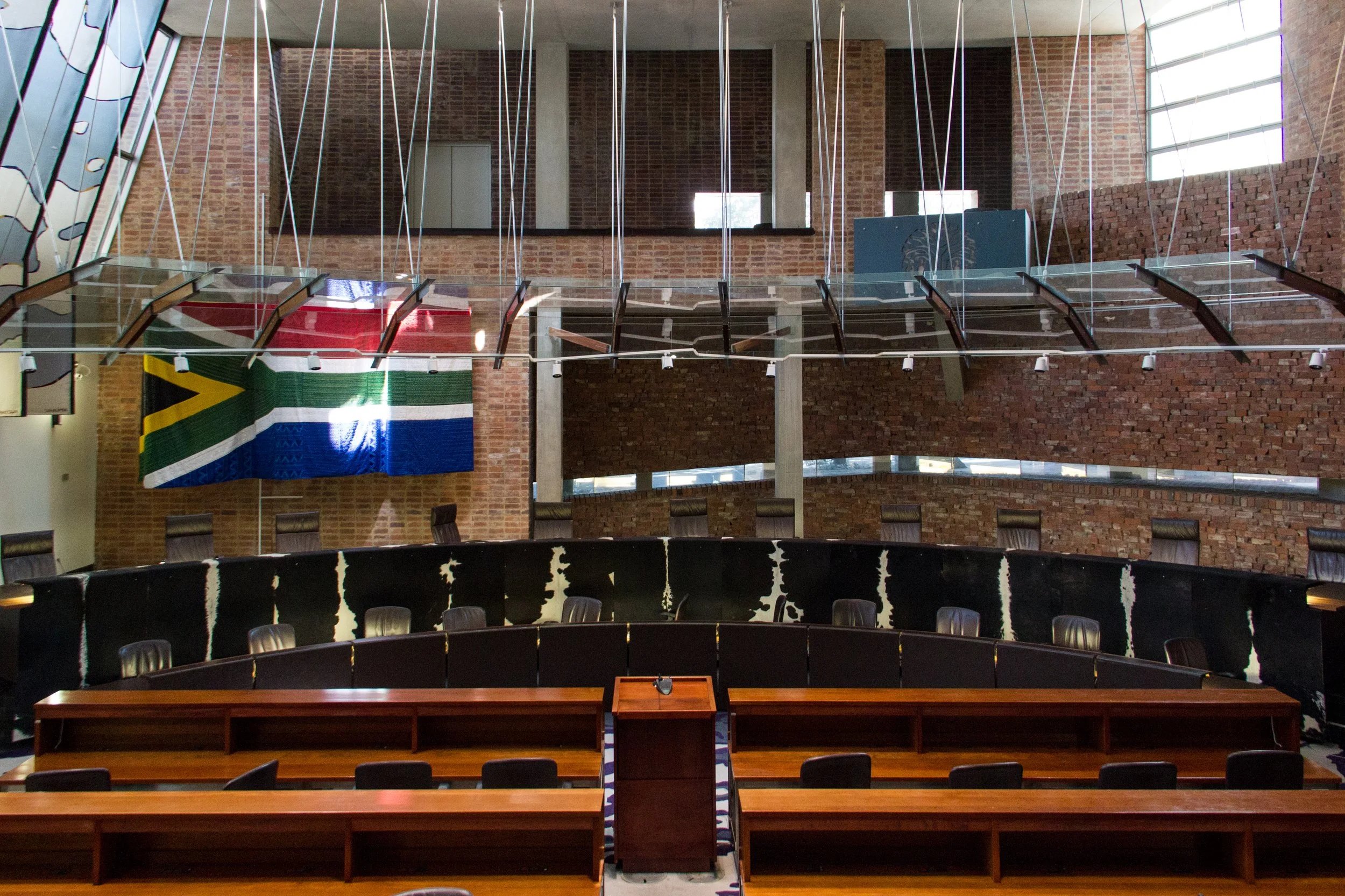
The Supreme Court will hear a case examining the constitutionality of geofencing, a technique used by police to access location data from tech companies. In one instance, Virginia police used geofencing to identify individuals near a Midlothian bank robbery where the robber made off with $195,000. This involves drawing a virtual fence around a specific geographic area and then compelling a technology company to search its databases for users within that area at the time of a crime.
The legal challenge centers on the Fourth Amendment, which protects against unreasonable searches without a warrant. A key question for the court is whether geofencing violates these protections by potentially casting too wide a net in its data collection. The court will consider whether geofencing is an ingenious crime-solving tool or an Orwellian intrusion on privacy.
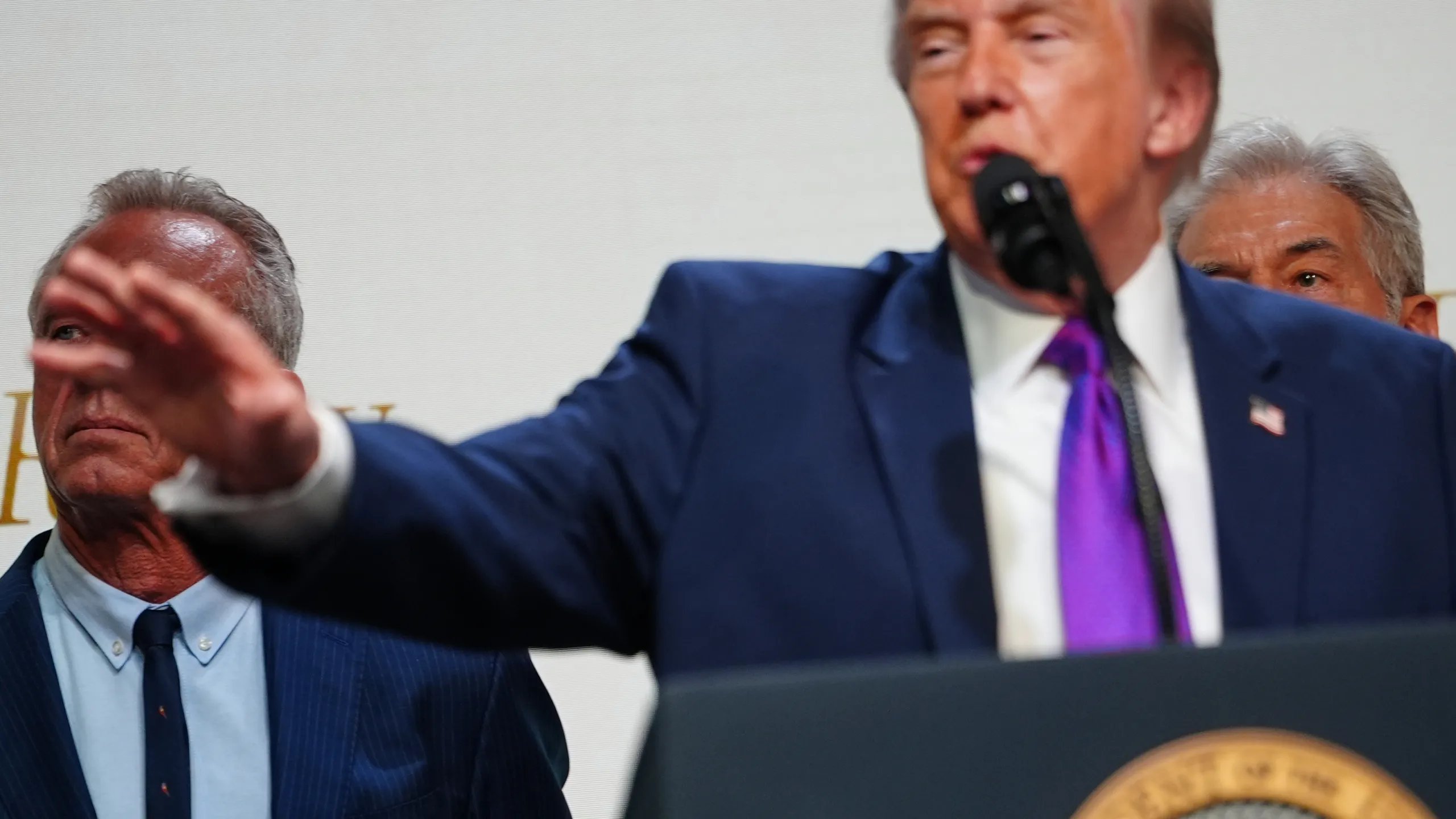
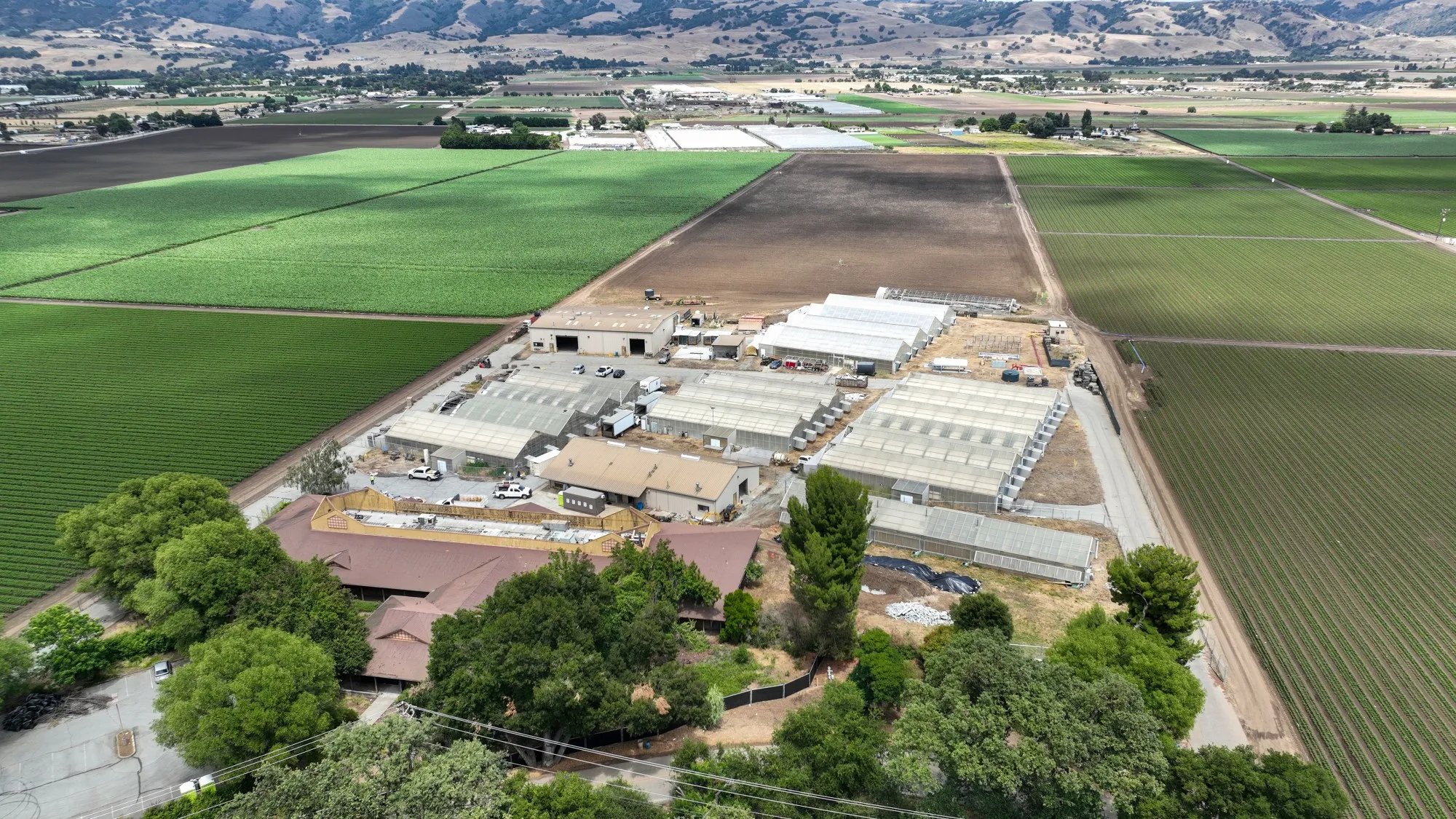
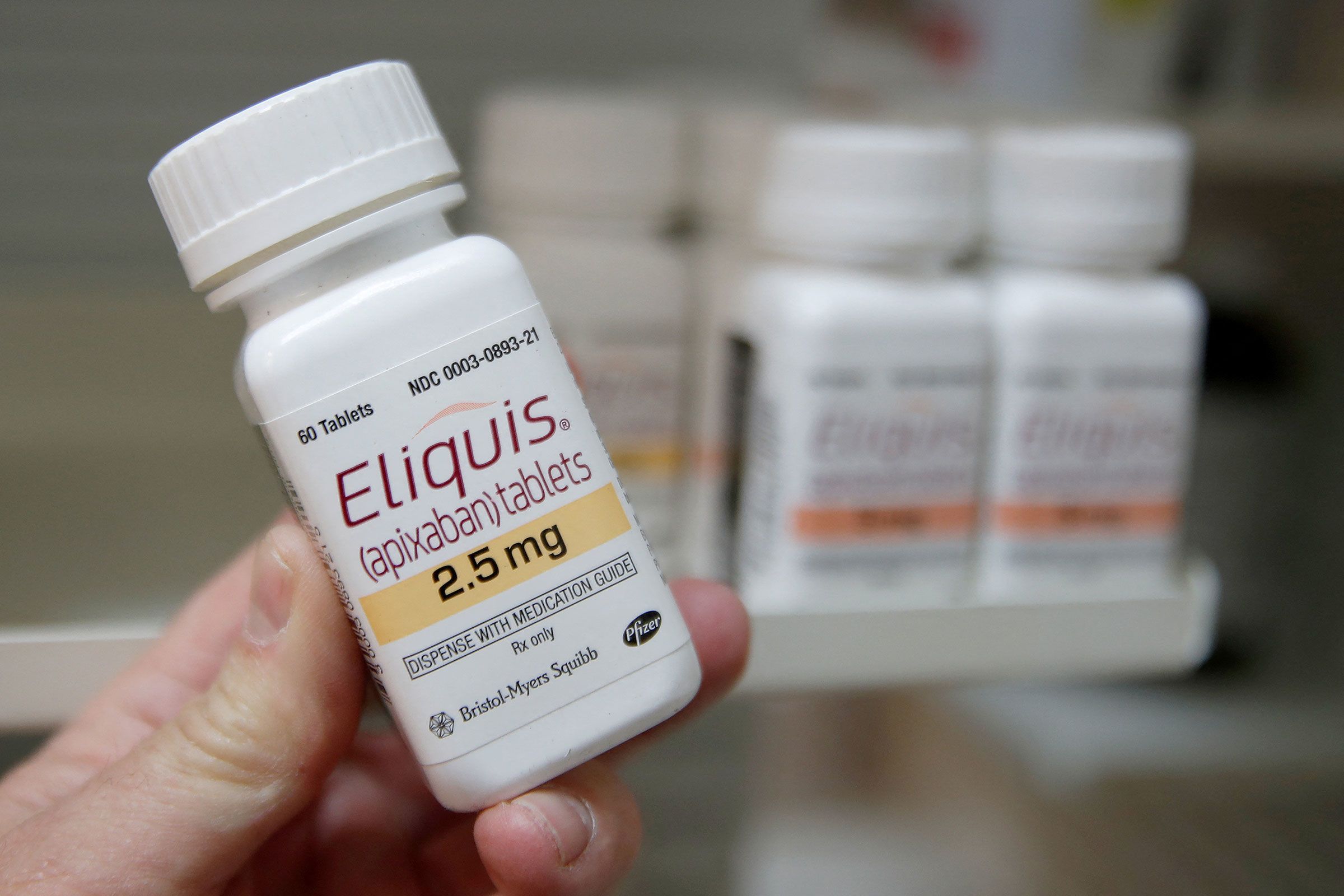
On Monday, the Supreme Court will also hear arguments in a case concerning the weedkiller Roundup, potentially dividing the Make America Healthy Again movement from the Trump administration. The case could significantly limit the ability to file anti-pesticide lawsuits. Monsanto, the maker of Roundup, requested the Supreme Court take up the case. Bayer is hoping for a ruling that would end thousands of lawsuits alleging the herbicide causes cancer, which have negatively impacted the company's stock value.
A ruling in favor of Bayer could shield pesticide manufacturers from liability claims, while a ruling against them could open the door to more lawsuits.
The Supreme Court will hear a case examining the constitutionality of geofencing, a technique used by police to access location data from tech companies. In one instance, Virginia police used geofencing to identify individuals near a Midlothian bank robbery where the robber made off with $195,000. This involves drawing a virtual fence around a specific geographic area and then compelling a technology company to search its databases for users within that area at the time of a crime.
The legal challenge centers on the Fourth Amendment, which protects against unreasonable searches without a warrant. A key question for the court is whether geofencing violates these protections by potentially casting too wide a net in its data collection. The court will consider whether geofencing is an ingenious crime-solving tool or an Orwellian intrusion on privacy.
On Monday, the Supreme Court will also hear arguments in a case concerning the weedkiller Roundup. The case could significantly limit the ability to file anti-pesticide lawsuits. Monsanto, the maker of Roundup, requested the Supreme Court take up the case. Bayer is hoping for a ruling that would end thousands of lawsuits alleging the herbicide causes cancer, which have negatively impacted the company's stock value.
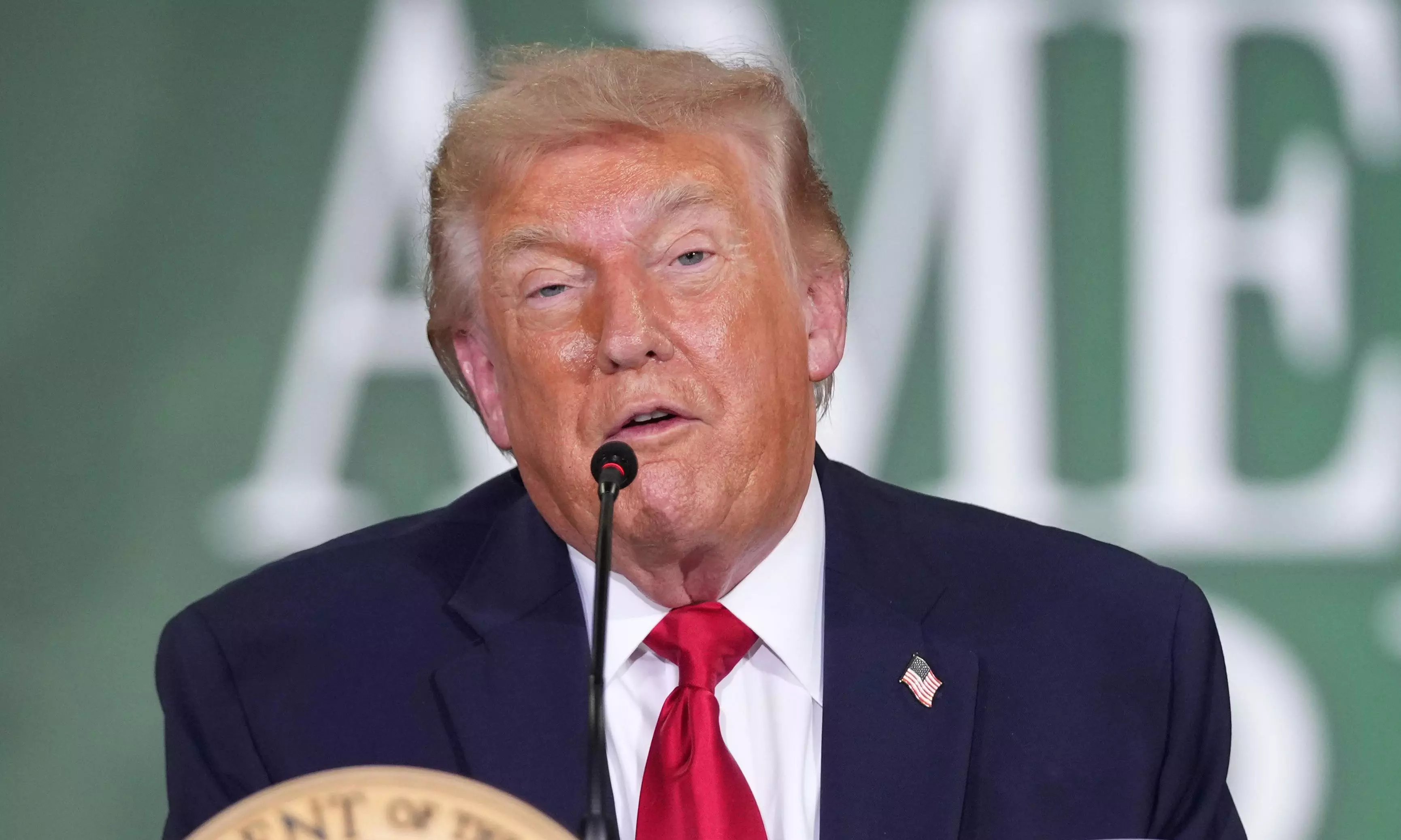
This issue has created a divide between the Make America Healthy Again movement and the Trump administration. A ruling in favor of Bayer could shield pesticide manufacturers from liability claims, while a ruling against them could open the door to more lawsuits.
The Supreme Court previously issued its ruling on U.S. v. Lopez on April 26, 1995.
The Supreme Court's decisions in these cases will set new precedents for digital privacy rights and corporate liability, impacting millions of Americans and shaping the future of data protection and consumer safety.
Highlighted text was flagged by the council. Tap to see feedback.