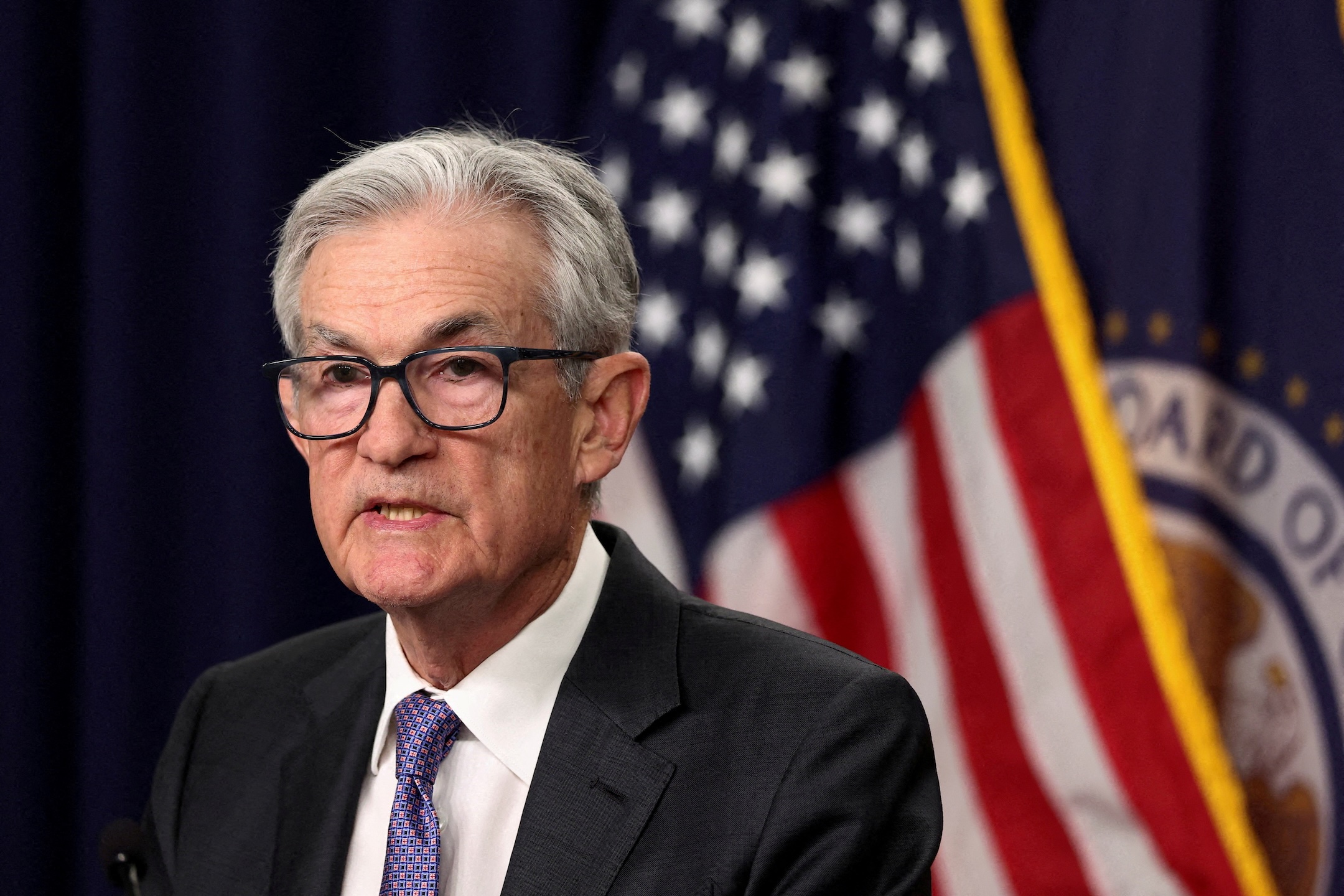
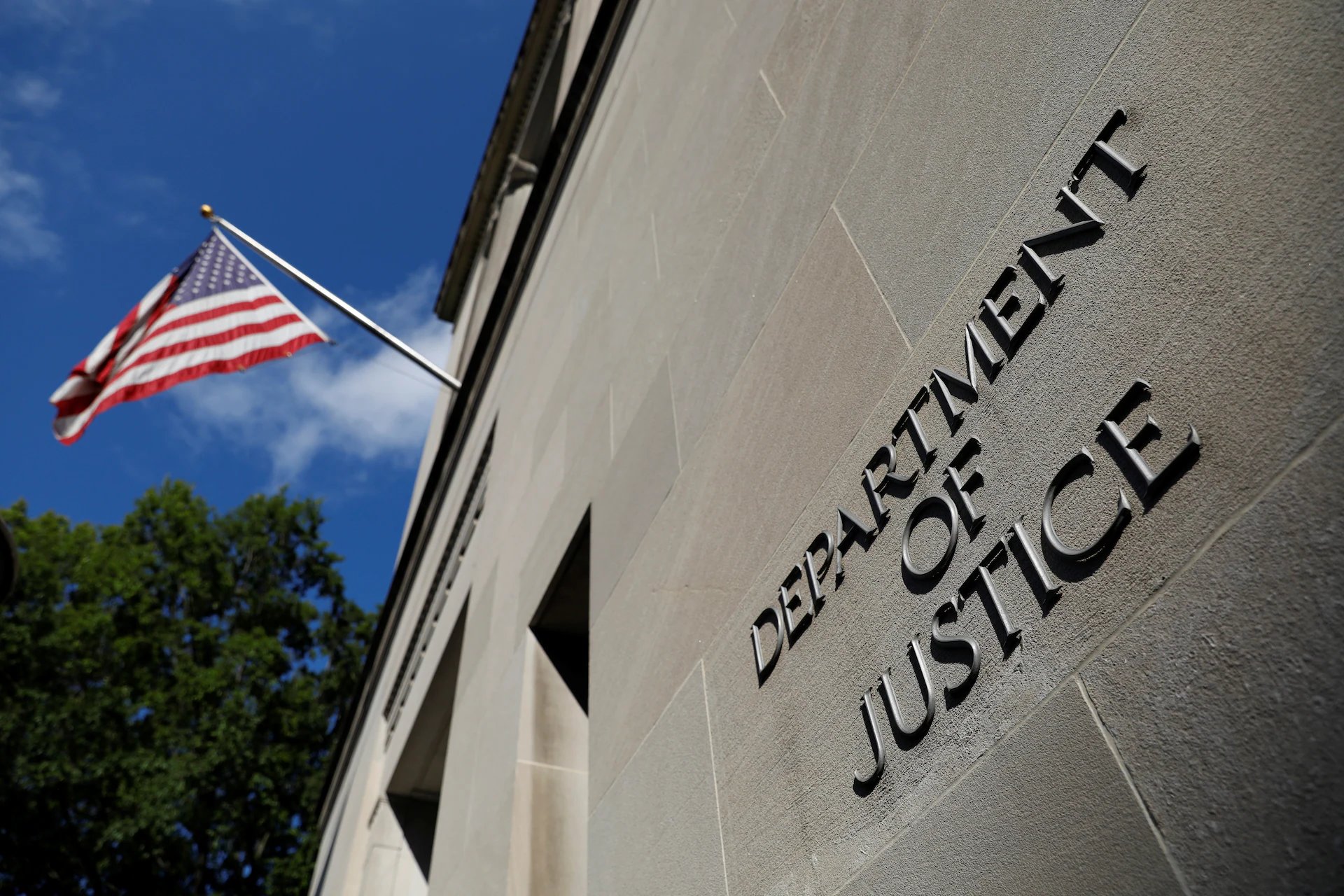
The Department of Justice dropped its criminal investigation into Federal Reserve Chair Jerome Powell on Friday, ending scrutiny over his handling of building renovations. Jeanine Pirro, U.S. attorney for the District of Columbia, announced the closure in a statement on X, citing the Federal Reserve's inspector general to take over the review.
Senators Elizabeth Warren and Dick Durbin, ranking Democrats on the Senate banking and judiciary committees, demanded written responses from Pirro by Monday about the probe and its potential reopening. They described the investigation as "pretextual," driven by President Trump's dissatisfaction with Powell's interest rate decisions.
Pirro's announcement included a warning that she might restart the probe if facts emerge, adding uncertainty to Fed operations. Prosecutors had struggled to find evidence, as Judge James Boasberg noted they produced "essentially zero evidence" of a crime in a March hearing.
Warren and Durbin wrote that the investigation targeted Powell for not lowering interest rates as Trump wanted, questioning its political motivations. They asked Pirro to clarify Trump's role and whether Fed Governor Lisa Cook remains under scrutiny.
Republican Senator Thom Tillis had blocked Kevin Warsh's confirmation as Powell's successor until the probe ended, creating a standoff in the Senate. White House Press Secretary Karoline Leavitt urged Tillis to confirm Warsh quickly, calling him a "phenomenal candidate" to lead the Fed.
Democrat Rep. Glenn Ivey labeled the probe "frivolous" and criticized its initiation, viewing the drop as a victory for impartiality. Ivey discussed the matter with Commerce Secretary Howard Lutnick, focusing on related policy steps. These reactions from both parties illustrate the probe's role in broader political dynamics around economic oversight.
Pirro directed her office to close the investigation because the inspector general would examine the Fed's building cost overruns, previously estimated in the billions. Prosecutors had issued subpoenas for records on these renovations, but a judge quashed them due to insufficient evidence. This transition shifts accountability from criminal channels to internal oversight, addressing taxpayer concerns about Fed expenditures.
The probe stemmed from allegations that Powell lied to Congress about renovation details, though no charges materialized. An unannounced prosecutor visit to a Fed construction site was rebuked as "not appropriate" by a defense lawyer, highlighting procedural missteps. By handing the matter to the inspector general, the DOJ avoids further entanglement, allowing the Fed to focus on core functions like inflation control.
Warsh, a former Fed board member, now faces a clearer path to confirmation, as noted in Pirro's statement.
The probe's end paves the way for a Senate vote on Warsh, Trump's January nominee to replace Powell. Tillis's blockade lifted with the announcement, aligning with Leavitt's call for swift action at the White House. Warsh's confirmation could alter Fed direction, influencing decisions on interest rates that directly impact loans and investments.
Pirro's X post emphasized that the inspector general's report will resolve questions about the renovations, potentially finalizing the matter. This development contrasts with earlier threats to reopen the probe, as Warren and Durbin warned.
Rep. Ivey's remarks on the probe's frivolity suggest it wasted resources, advocating for better oversight. Discussions with Lutnick indicate ongoing efforts to address economic ties, like tariff refunds. Overall, this shift supports uninterrupted Fed operations, benefiting public financial security.
With the probe dropped, the Fed can prioritize policies that curb inflation without legal distractions, directly aiding workers facing high costs. Powell's leadership had drawn Trump's criticism for not cutting rates faster, a stance that influenced market reactions, as stocks jumped nearly 400 points on the Nasdaq Friday.
Senators' demands for transparency ensure future probes won't arbitrarily threaten economic stability, protecting consumer rights. The inspector general's upcoming report could reveal details on renovation overruns, offering taxpayers a clear view of Fed spending.
The Department of Justice dropped its criminal investigation into Federal Reserve Chair Jerome Powell on Friday, ending scrutiny over his handling of building renovations. Jeanine Pirro, U.S. attorney for the District of Columbia, announced the closure in a statement on X, citing the Federal Reserve's inspector general to take over the review. This decision removes a barrier to economic policy decisions, potentially stabilizing interest rates that affect borrowing costs for households and businesses.
Senators Elizabeth Warren and Dick Durbin, ranking Democrats on the Senate banking and judiciary committees, demanded written responses from Pirro by Monday about the probe and its potential reopening. They described the investigation as "pretextual," driven by President Trump's dissatisfaction with Powell's interest rate decisions. Their letter highlights ongoing tensions that could influence Federal Reserve independence, impacting inflation risks and personal savings.
Pirro's announcement included a warning that she might restart the probe if facts emerge, adding uncertainty to Fed operations. Prosecutors had struggled to find evidence, as Judge James Boasberg noted they produced "essentially zero evidence" of a crime in a March hearing. This shift to the inspector general focuses on cost overruns in the billions for Fed building projects, easing immediate legal pressures on Powell.
Warren and Durbin wrote that the investigation targeted Powell for not lowering interest rates as Trump wanted, questioning its political motivations. They asked Pirro to clarify Trump's role and whether Fed Governor Lisa Cook remains under scrutiny. This demand underscores bipartisan concerns about executive influence over the central bank, which manages monetary policy affecting job markets.
Republican Senator Thom Tillis had blocked Kevin Warsh's confirmation as Powell's successor until the probe ended, creating a standoff in the Senate. White House Press Secretary Karoline Leavitt urged Tillis to confirm Warsh quickly, calling him a "phenomenal candidate" to lead the Fed. Her comments reflect administration efforts to resolve the impasse, potentially securing steady leadership amid economic fluctuations.
Democrat Rep. Glenn Ivey labeled the probe "frivolous" and criticized its initiation, viewing the drop as a victory for impartiality. Ivey discussed the matter with Commerce Secretary Howard Lutnick, focusing on related policy steps. These reactions from both parties illustrate the probe's role in broader political dynamics around economic oversight.
Pirro directed her office to close the investigation because the inspector general would examine the Fed's building cost overruns, previously estimated in the billions. Prosecutors had issued subpoenas for records on these renovations, but a judge quashed them due to insufficient evidence. This transition shifts accountability from criminal channels to internal oversight, addressing taxpayer concerns about Fed expenditures.
The probe stemmed from allegations that Powell lied to Congress about renovation details, though no charges materialized. An unannounced prosecutor visit to a Fed construction site was rebuked as "not appropriate" by a defense lawyer, highlighting procedural missteps. By handing the matter to the inspector general, the DOJ avoids further entanglement, allowing the Fed to focus on core functions like inflation control.
This change could prevent disruptions in Fed policy, as Powell's term ends May 15 without a confirmed successor. Warsh, a former Fed board member, now faces a clearer path to confirmation, as noted in Pirro's statement. The outcome might reduce volatility in financial markets, where stocks ended mixed on Friday amid related uncertainties.
The probe's end paves the way for a Senate vote on Warsh, Trump's January nominee to replace Powell. Tillis's blockade lifted with the announcement, aligning with Leavitt's call for swift action at the White House. Warsh's confirmation could alter Fed direction, influencing decisions on interest rates that directly impact loans and investments.
Pirro's X post emphasized that the inspector general's report will resolve questions about the renovations, potentially finalizing the matter. This development contrasts with earlier threats to reopen the probe, as Warren and Durbin warned. A smooth transition at the Fed might stabilize the economy, preventing delays in policy adjustments that affect employment and growth.
Rep. Ivey's remarks on the probe's frivolity suggest it wasted resources, advocating for better oversight. Discussions with Lutnick indicate ongoing efforts to address economic ties, like tariff refunds. Overall, this shift supports uninterrupted Fed operations, benefiting public financial security.
With the probe dropped, the Fed can prioritize policies that curb inflation without legal distractions, directly aiding workers facing high costs. Powell's leadership had drawn Trump's criticism for not cutting rates faster, a stance that influenced market reactions, as stocks jumped nearly 400 points on the Nasdaq Friday. This resolution might prevent job losses, like the potential 17,000 at Spirit Airlines tied to economic strains.
Senators' demands for transparency ensure future probes won't arbitrarily threaten economic stability, protecting consumer rights. The inspector general's upcoming report could reveal details on renovation overruns, offering taxpayers a clear view of Fed spending. In the end, this clears a path for steady economic guidance, helping families navigate borrowing and savings in turbulent times.
Highlighted text was flagged by the council. Tap to see feedback.