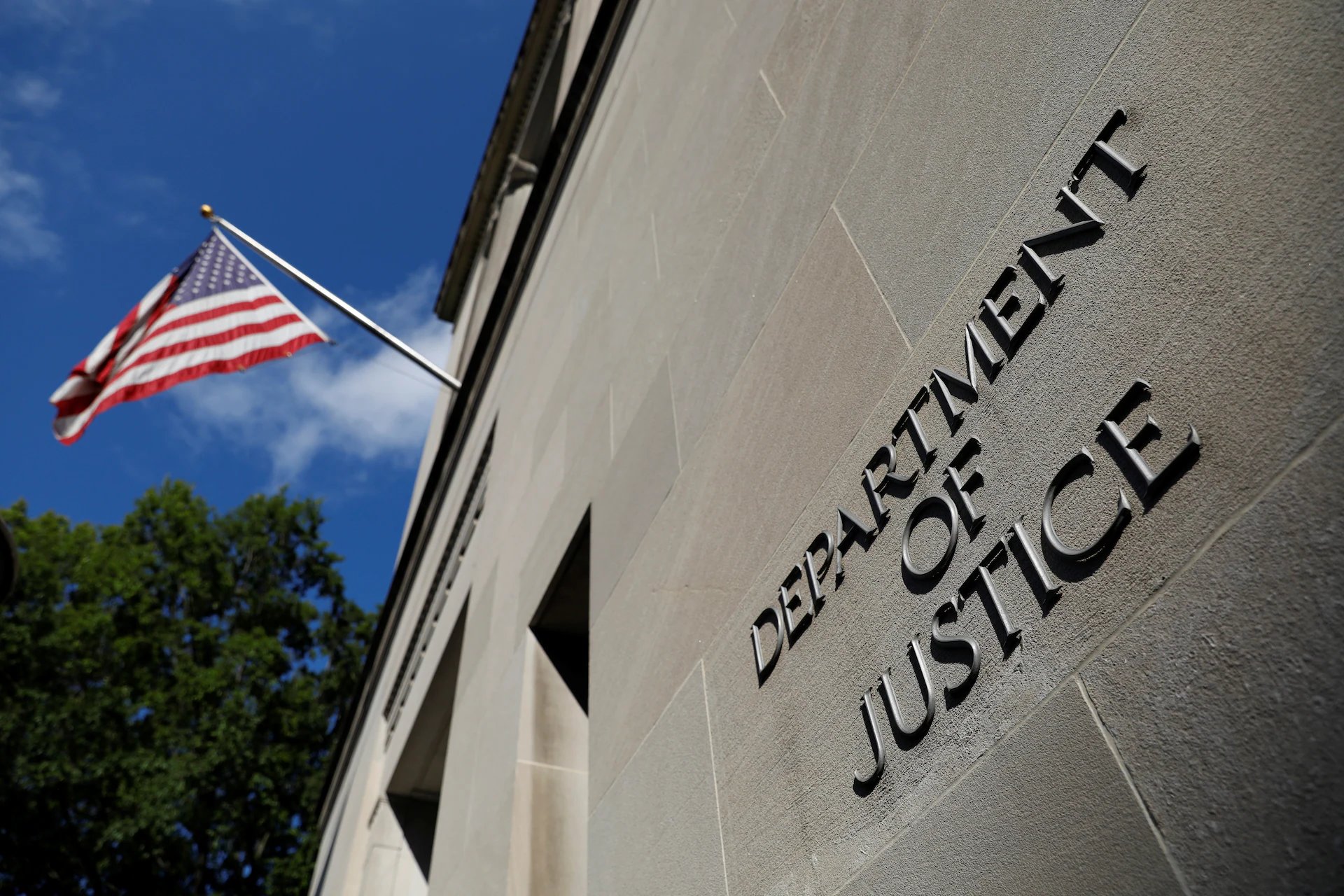
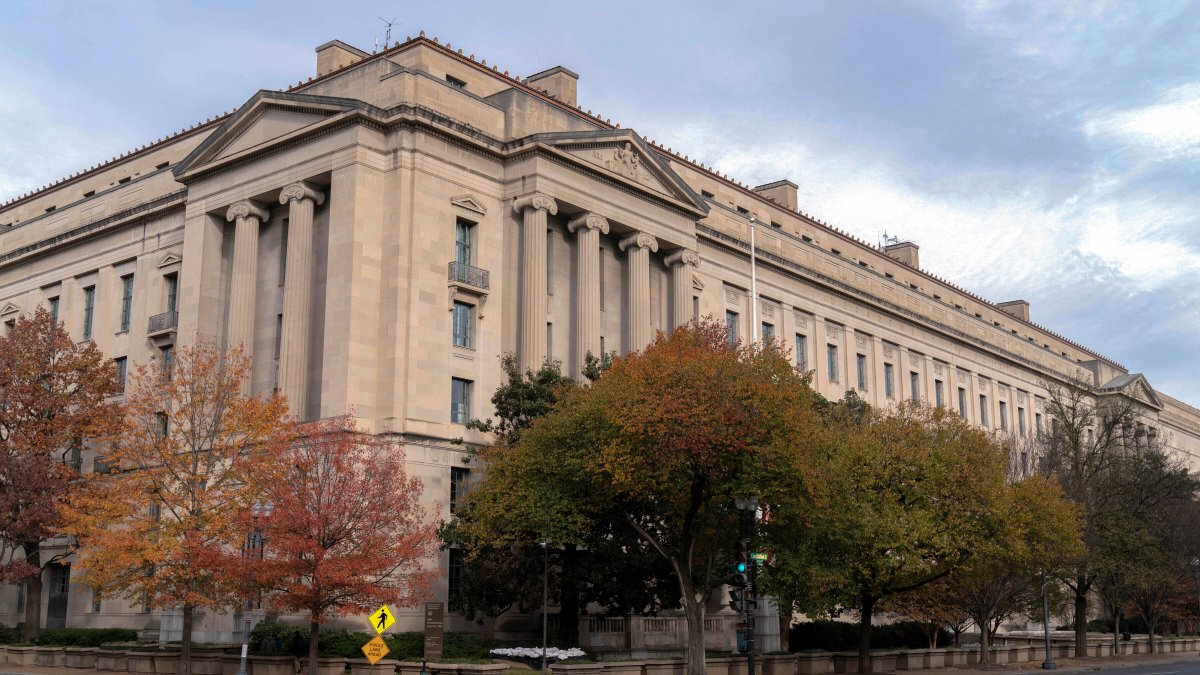
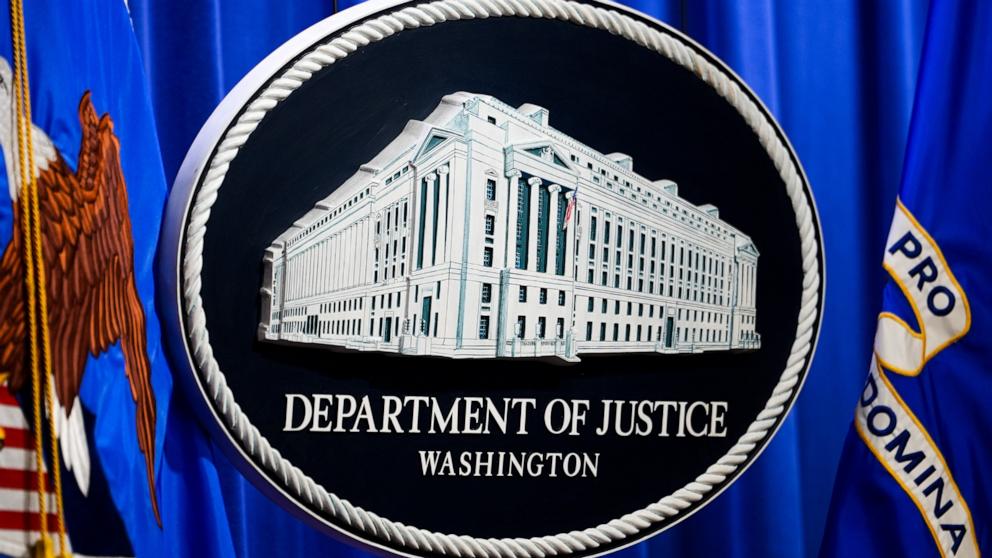
The Department of Justice's Office of Inspector General (OIG) announced an investigation into the agency's compliance with the Epstein Files Transparency Act. This audit, revealed on April 23, 2026, will evaluate how the DOJ has managed the release of files related to Jeffrey Epstein and his associate Ghislaine Maxwell. The review will focus on the identification, collection, and production of responsive materials, as well as the processes for redacting sensitive information. The inspector general's office stated that if necessary, it would also address additional issues that may arise during the audit.
Lawmakers and victims have criticized the DOJ's handling of the Epstein files, citing missed deadlines and extensive redactions. Lawmakers and victims have raised concerns that the DOJ improperly exposed sensitive personal information, with many victims asserting that their details were leaked without consent. The OIG's inquiry aims to ensure that the DOJ adheres to the law's requirements and maintains transparency.
The call for an independent audit gained momentum from both sides of the political aisle. Congressman Thomas Massie, a Republican, expressed dissatisfaction with the DOJ's progress, stating, "Men need to be perp-walked in handcuffs to the jail," highlighting a demand for accountability. Democratic Congressman Ro Khanna also supported the call for a thorough review, emphasizing the need for transparency in a case involving powerful individuals and vulnerable victims. This bipartisan push reflects frustration with the DOJ's missed deadlines, improper exposure of victims' information, and extensive redactions in the released files.
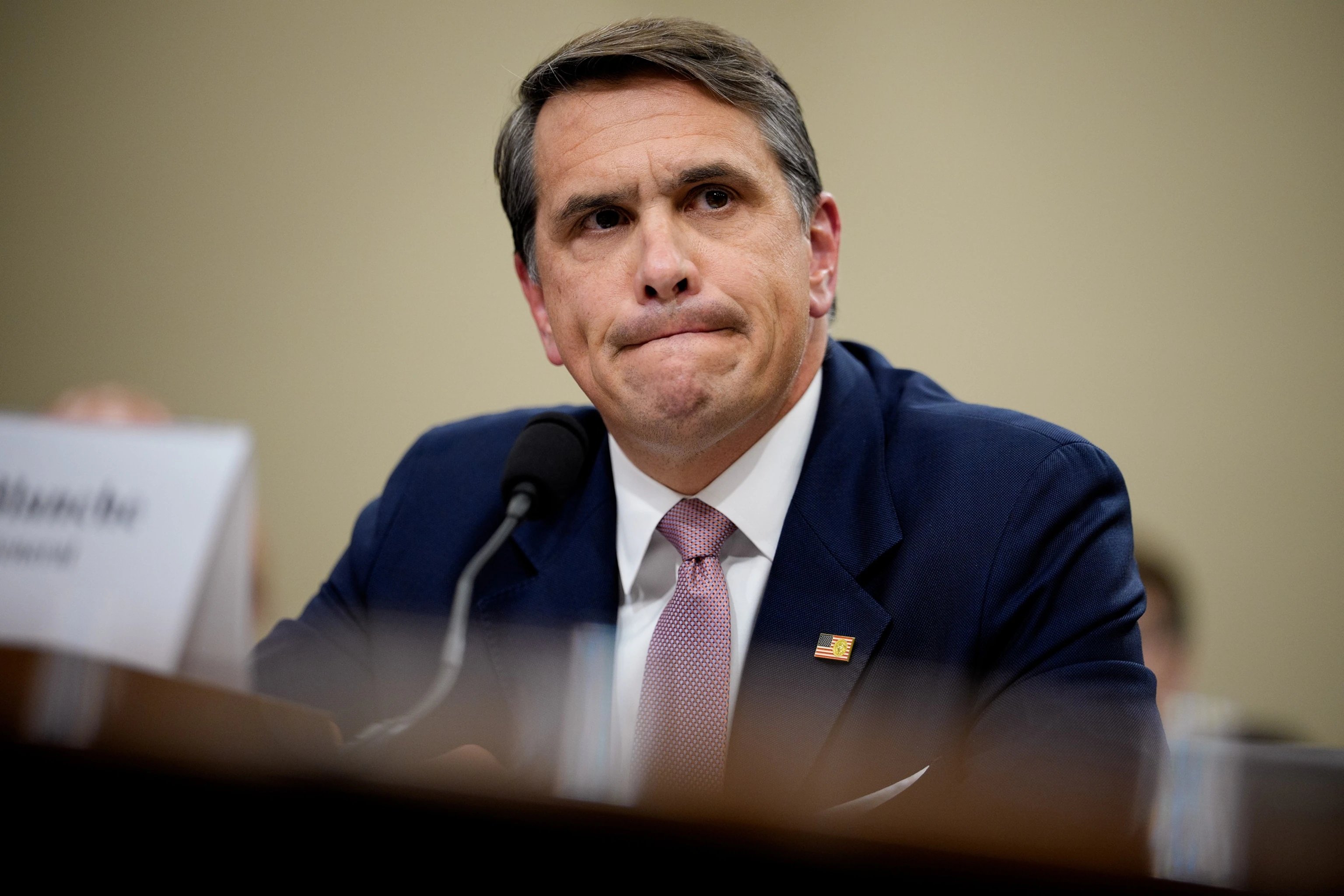
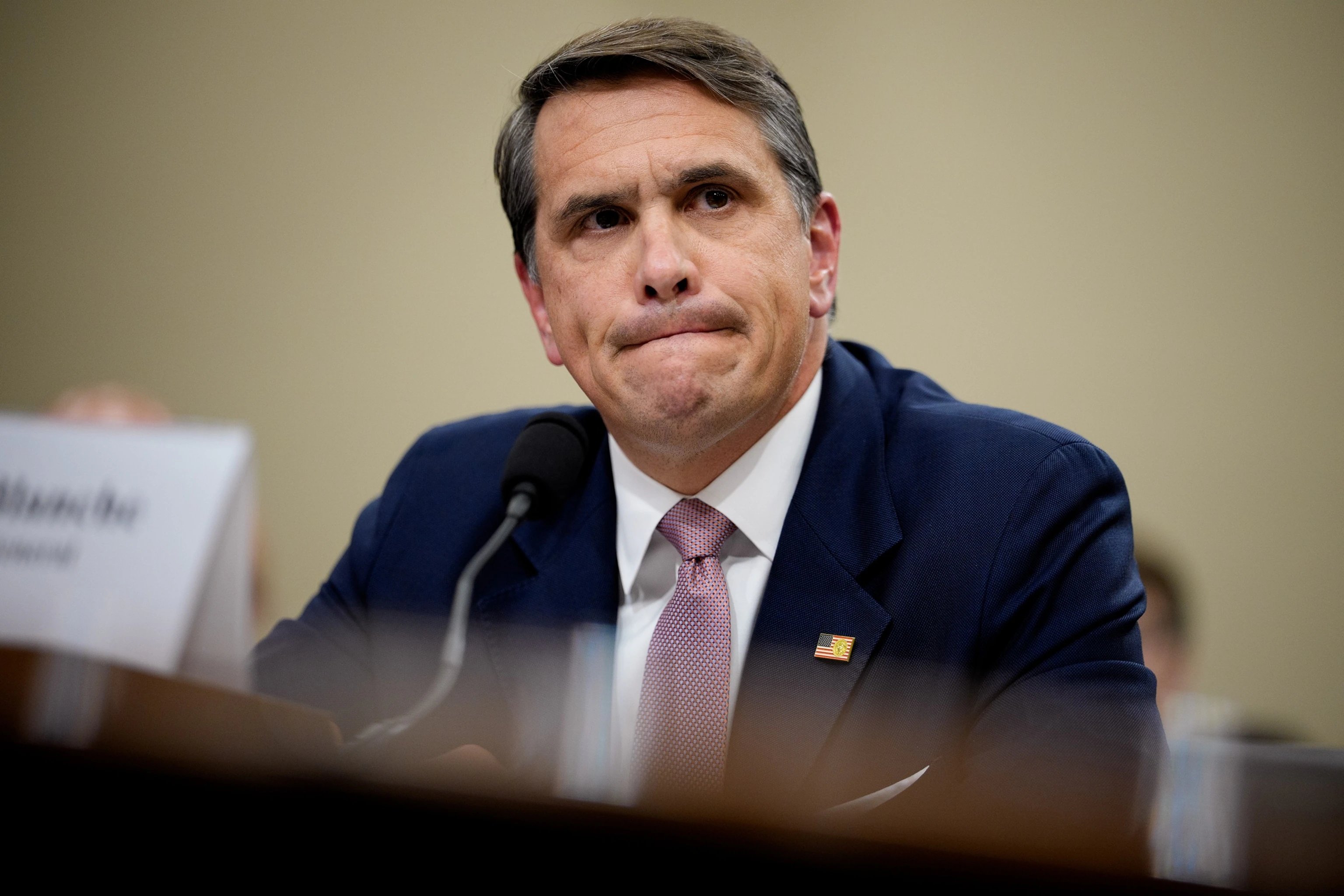
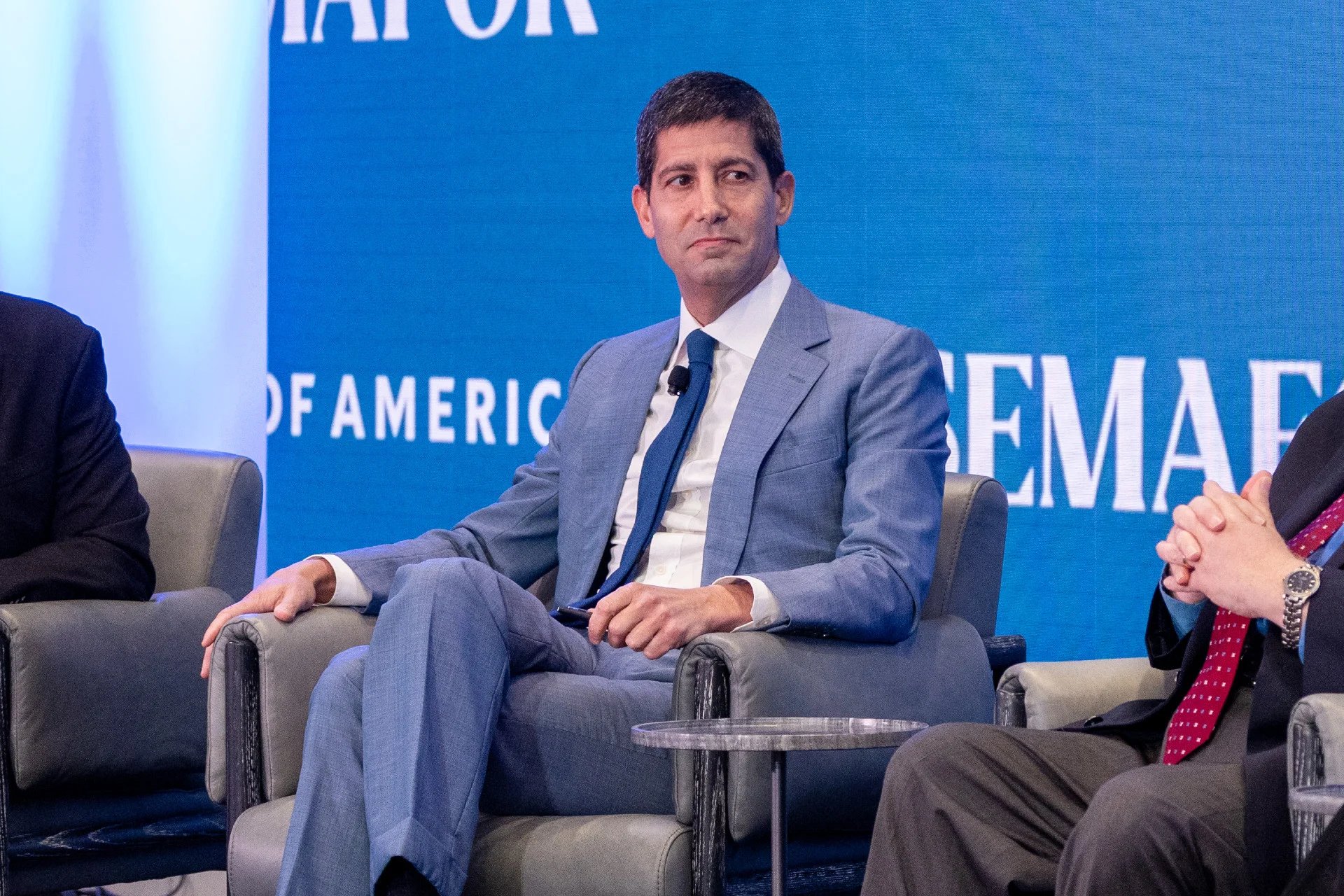
Mark Greenblatt, a former inspector general, urged the DOJ's current office to conduct the audit "without undue influence." He emphasized the necessity of independent oversight, particularly in cases involving serious allegations against influential figures. "When Congress mandates transparency, it is essential that agencies carry out that directive completely and without undue influence," Greenblatt stated. His remarks reflect a broader concern about the integrity of the DOJ's processes and the importance of public trust in legal accountability.
Survivors of Epstein's abuse continue to advocate for justice, expressing anger over the DOJ's handling of the case. Annie Farmer, a prominent survivor, criticized reports suggesting that some lawmakers might support a pardon for Maxwell in exchange for cooperation. "A pardon is profoundly insulting and a deep betrayal," she asserted, calling for a criminal investigation into those who enabled Epstein's actions. Farmer's statement highlights the ongoing struggle for accountability and the need for the DOJ to prioritize the rights of victims in its investigations.
The Department of Justice's Office of Inspector General (OIG) announced an investigation into the agency's compliance with the Epstein Files Transparency Act. This audit, revealed on April 23, 2026, will evaluate how the DOJ has managed the release of files related to Jeffrey Epstein and his associate Ghislaine Maxwell. The review will focus on the identification, collection, and production of responsive materials, as well as the processes for redacting sensitive information. The inspector general's office stated that if necessary, it would also address additional issues that may arise during the audit.
The DOJ has faced mounting criticism for its handling of the Epstein files, particularly regarding missed deadlines and the extent of redactions in the released documents. The agency was required to comply with the law by December 19, 2025, but only released what it claimed were the full files on January 31, 2026. Lawmakers and victims have raised concerns that the DOJ improperly exposed sensitive personal information, with many victims asserting that their details were leaked without consent. The OIG's inquiry aims to ensure that the DOJ adheres to the law's requirements and maintains transparency.
The call for an independent audit gained momentum from both sides of the political aisle. Congressman Thomas Massie, a Republican, expressed dissatisfaction with the DOJ's progress, stating, "Men need to be perp-walked in handcuffs to the jail," highlighting a demand for accountability. Democratic Congressman Ro Khanna also supported the call for a thorough review, emphasizing the need for transparency in a case involving powerful individuals and vulnerable victims. This bipartisan push underscores a collective frustration with the DOJ's perceived lack of urgency in addressing the Epstein case.
Mark Greenblatt, a former inspector general, urged the DOJ's current office to conduct the audit "without undue influence." He emphasized the necessity of independent oversight, particularly in cases involving serious allegations against influential figures. "When Congress mandates transparency, it is essential that agencies carry out that directive completely and without undue influence," Greenblatt stated. His remarks reflect a broader concern about the integrity of the DOJ's processes and the importance of public trust in legal accountability.
Survivors of Epstein's abuse continue to advocate for justice, expressing anger over the DOJ's handling of the case. Annie Farmer, a prominent survivor, criticized reports suggesting that some lawmakers might support a pardon for Maxwell in exchange for cooperation. "A pardon is profoundly insulting and a deep betrayal," she asserted, calling for a criminal investigation into those who enabled Epstein's actions. Farmer's statement highlights the ongoing struggle for accountability and the need for the DOJ to prioritize the rights of victims in its investigations.
The outcome of the OIG's audit could have significant implications for how the DOJ manages sensitive cases in the future. A thorough and independent review may help restore public confidence in the agency's commitment to transparency and accountability. As the investigation unfolds, lawmakers and advocates will be closely monitoring the DOJ's actions and the implications for ongoing and future inquiries involving powerful individuals. The stakes are high, as the public's trust in the justice system hangs in the balance.
Highlighted text was flagged by the council. Tap to see feedback.