




Lufthansa leads major cutbacks across the continent
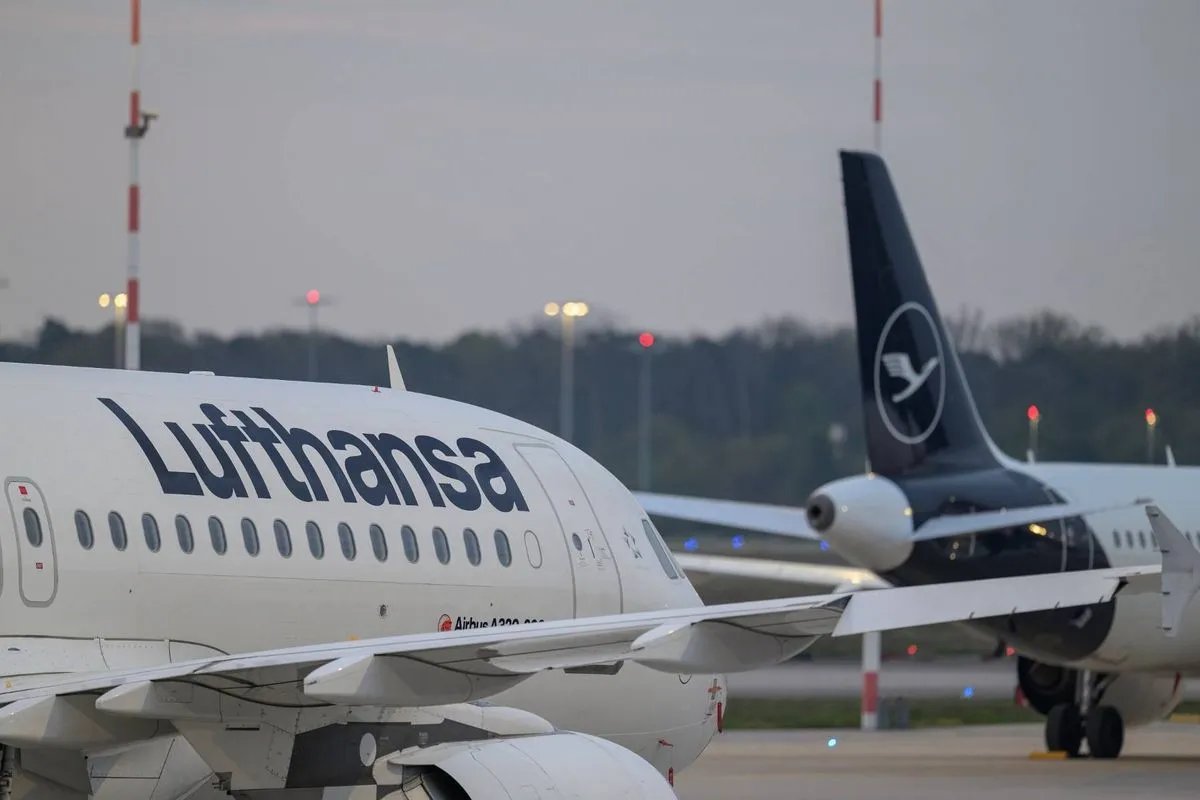
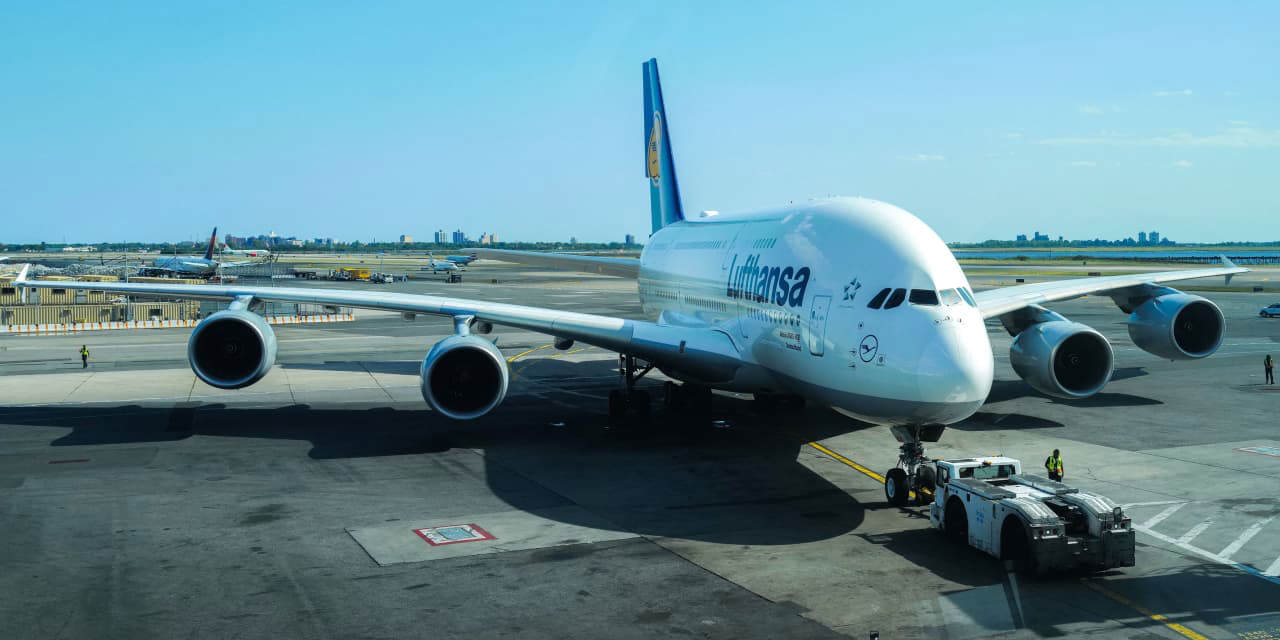
Lufthansa announced this week it would cut 20,000 flights from its schedule through the fall to save on jet fuel costs. The German airline's decision signals the scale of disruption hitting European carriers as jet fuel prices have roughly doubled since the start of the U.S. and Israeli-led war against Iran. KLM and Scandinavian Airlines have also announced schedule reductions, though neither has matched Lufthansa's scale.
Rico Luman, a senior economist for ING Research based in Amsterdam, called the cuts "massive" and predicted more reductions ahead. "When we remain stuck in this conflict and face high fuel prices like this, we will see more coming out of other airlines," Luman said. He noted that Lufthansa is canceling short-haul flights, including unprofitable routes within Europe, which allows travelers to find alternative flights rather than face complete cancellations.
Why European airlines face a unique squeeze
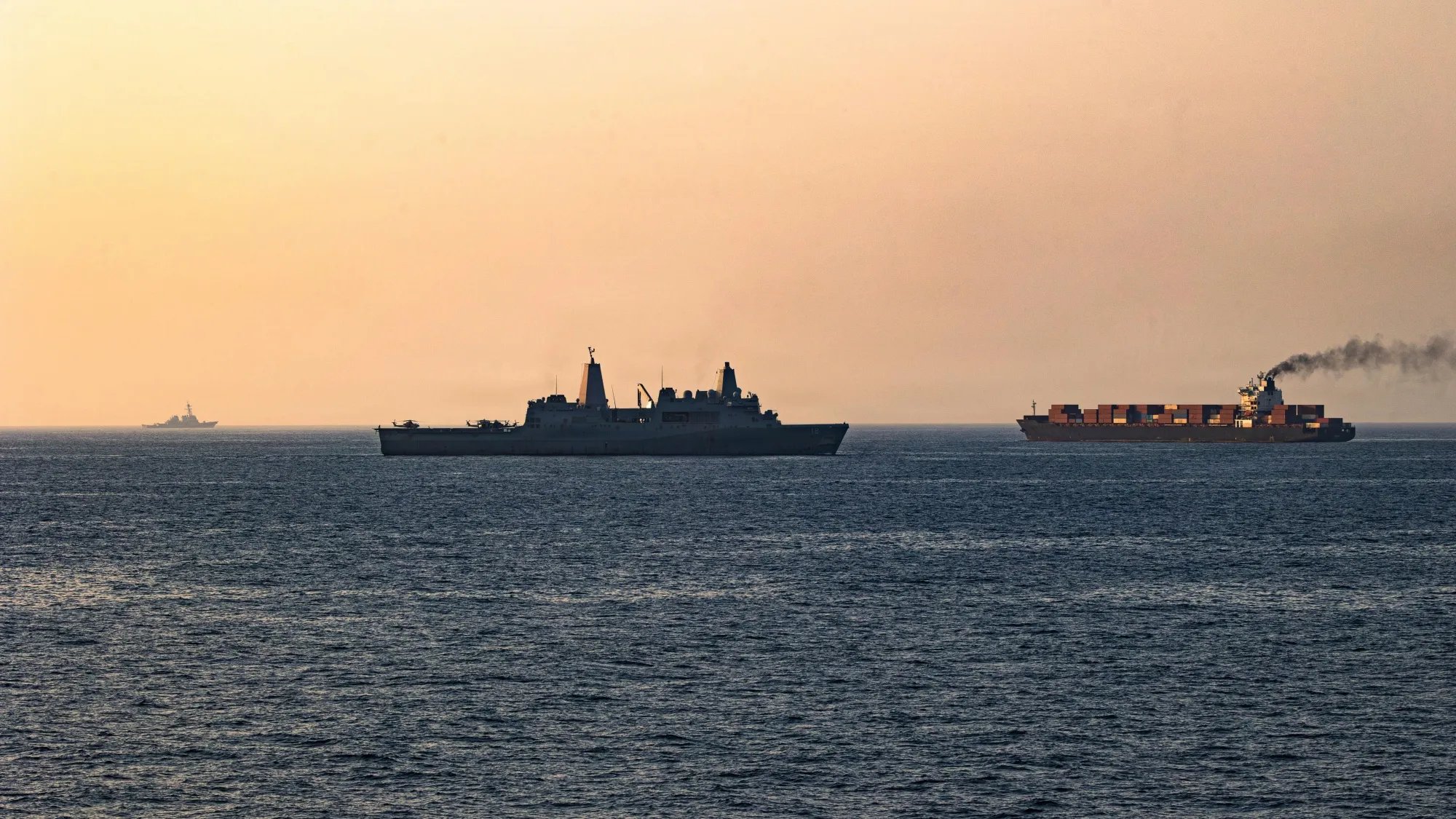
Europe imports roughly a third of its jet fuel, largely from the Middle East. Fatih Birol, head of the International Energy Agency, told CNBC that Europe normally gets a large percentage of its jet fuel from Middle Eastern refineries, "and this is basically now almost zero." The Strait of Hormuz, the narrow waterway off Iran's coast, has been largely shut by the conflict, blocking supplies that once flowed freely to European ports.
Birol warned last week that Europe had "maybe six weeks or so" of remaining jet fuel supplies. The continent is attempting to replenish those supplies with imports from the U.S. and Nigeria, but energy experts cautioned that a prolonged closure of the strait would lead to higher prices and possible shortages. Willie Walsh, Director General of the International Air Transport Association, which represents 360 airlines worldwide, called for authorities to have "well-communicated and well-coordinated plans in place in case rationing becomes necessary."
Summer travel will feel the squeeze most
European travelers should expect fewer flight options during peak vacation season in July and August. Luman warned that while Lufthansa's cancellations target less profitable routes where passengers can rebook, the cumulative effect of cuts across multiple airlines will constrain choice. "I'm afraid there's no quick fix for this, because we've seen the damage to the infrastructure in the energy sector in the Middle East," Luman said. "So we expect oil prices to remain high for longer, at least until the end of this year."
U.S. airlines have taken a different approach. Major carriers have said they will pass soaring fuel costs to customers through higher fares and baggage fees, with some reducing capacity this year. But U.S. carriers have not announced major flight cuts on the scale of their European or Asian counterparts. United Airlines CEO Scott Kirby said plane ticket prices may increase by 15 to 20%.
Chevron CEO Mike Wirth told CBS News the war is disrupting global oil and gas supplies.