




The Department's Immediate Action
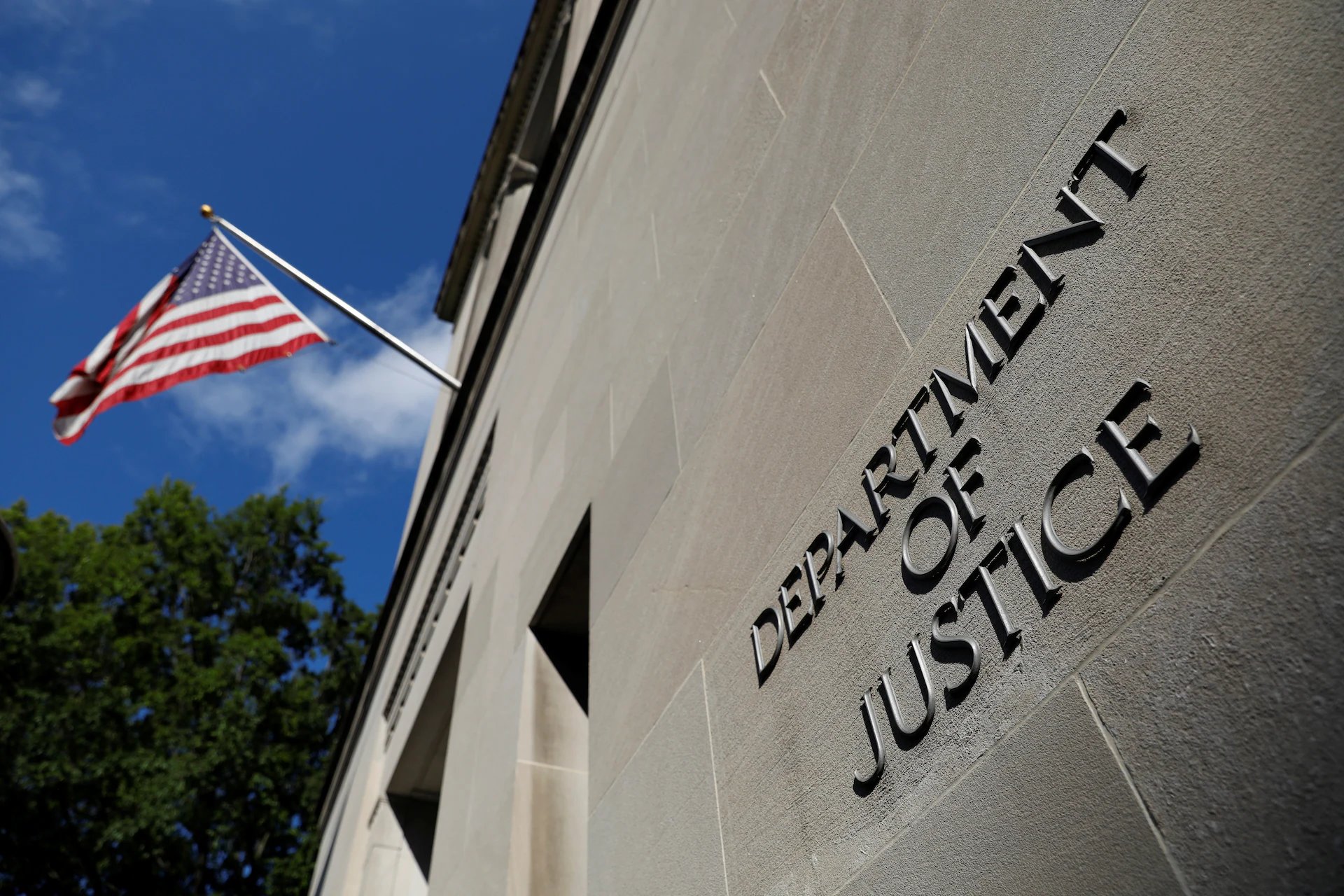
Acting Attorney General Todd Blanche signed an order on Thursday that moves FDA-approved marijuana products and state-regulated medical marijuana to Schedule III of the Controlled Substances Act. This change places these items in a category for drugs with a moderate to low potential for dependence, alongside substances like ketamine. The order recognizes state governments' regulation of medical marijuana and aims to align federal policy with existing state programs.
Details of the Reclassification
The order covers marijuana, extracts, and compounds like delta-9 THC in FDA-approved drugs or state-licensed products. Entities handling these items must now register with the DEA and follow rules for security, labeling, and disposal. State-licensed medical marijuana operations gain a fast-track process for federal registration, incorporating state systems into the federal framework. Marijuana not in FDA-approved products or state medical marijuana programs remains Schedule I.
Quotes from Officials and Advocates
Blanche stated in a release that the department is "delivering on President Trump's promise to expand Americans' access to medical treatment options." Adam J. Smith, executive director of the Marijuana Policy Project, called the move "a historic step towards sanity in cannabis policy" while arguing it falls short by not ending possession arrests. The order follows Trump's December executive order directing the attorney general to start rescheduling, as detailed in official documents.
Effects on Research and Medical Access
The reclassification allows for expanded research on marijuana's safety and efficacy, providing doctors with more reliable data for patient care. Thursday's announcement notes that this action addresses the federal policy's neglect of medical marijuana uses, as outlined in Trump's directive. With 38 states having medical marijuana programs and 24 allowing recreational use, patients in these areas may see improved access to treatments.
Industry Impacts and Future Steps
Legal cannabis sales reached a projected $47 billion in 2026, according to market data, and this change could reduce tax burdens for state-licensed dispensaries. The Justice Department and DEA are initiating an expedited hearing in late June to consider broader rescheduling of marijuana to Schedule III. This process offers a pathway to evaluate changes under federal law, potentially easing restrictions for the industry.
The upcoming hearing provides a concrete opportunity for stakeholders to influence marijuana policy, affecting businesses and users nationwide. This development highlights how policy shifts can lower barriers for medical research, directly impacting patient options and economic opportunities in regulated markets. For individuals, it means potential improvements in treatment access without altering recreational status.