




Deadline pushed back just days before implementation
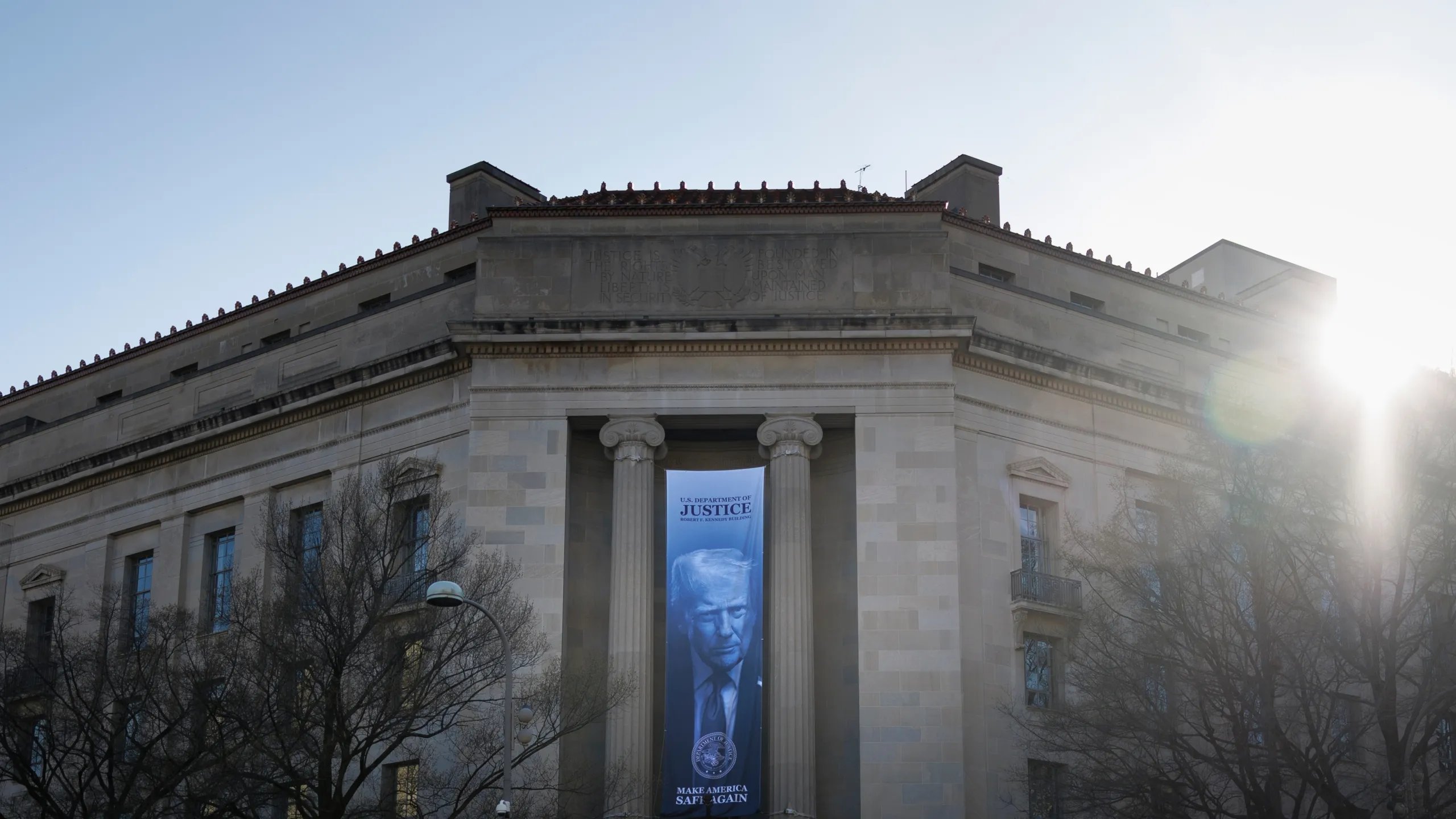
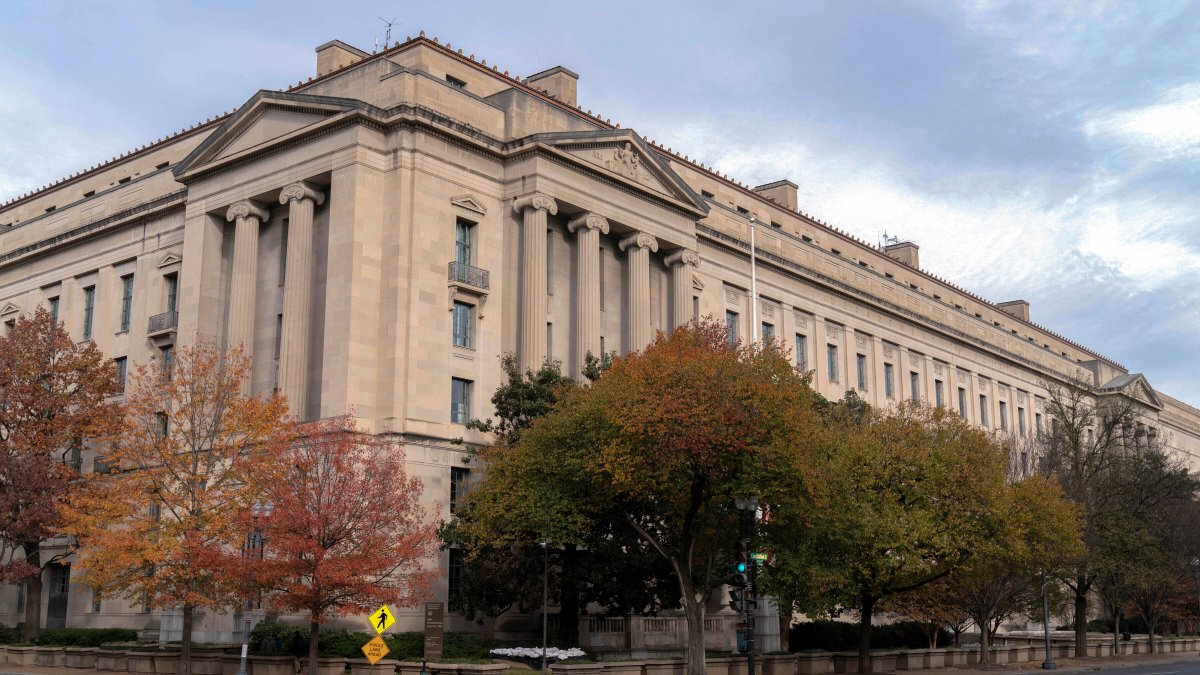
Public colleges, K-12 schools, and local governments now have until April 26, 2027 to make their digital materials fully accessible to people with disabilities, according to the U.S. Department of Justice. The delay affects institutions serving 50,000 or more people, while smaller public entities have until April 26, 2028. The Justice Department announced the postponement just four days before the original deadline of this Friday, overriding a rule that disability advocates had anticipated for at least two years.
The new regulation was designed to require institutions to follow technical guidelines known as WCAG 2.1, which mandates transcripts for audio clips, captions for videos, and screen reader compatibility for PDFs and webpages. The rule aimed to clarify what accessibility must look like under Title II of the Americans with Disabilities Act, a 1990 law that had long promised digital access without specifying how institutions should achieve it.
Disability advocates condemn the reversal
"We are outraged," said Corbb O'Connor, president of the National Federation of the Blind of Minnesota. O'Connor noted that international accessibility standards have existed since 1999, and that people with disabilities have been waiting nearly 36 years since the original ADA was signed into law. "Yet again, the blind have been told to wait to live on terms of equality," he said.
The Association on Higher Education And Disability also pushed back on the last-minute change. Katy Washington, president of AHEAD, which represents disability resource staff at colleges and universities, said the delay "slows critical momentum and leaves institutions without the clarity needed to fully realize equitable access."
Jennifer Mathis, who helped craft the original rule while at the Justice Department, called the decision "mindless and cruel." She emphasized that the rule came after 16 years and an incredibly thorough rulemaking process, with calls for clear guidelines coming from both disability advocates and public institutions themselves.
Schools cite cost and staffing concerns
The Justice Department justified the delay by saying it had "overestimated the capabilities (whether staffing or technology) of covered entities to comply with the rule in the time frames provided." The School Superintendents Association, which represents K-12 school superintendents, met with federal officials to request the postponement. Sasha Pudelski of AASA noted that a survey of its members found most districts said they would struggle to pay for compliance costs.
"Many districts are already financially stretched and operating in an environment where schools are asked to do more with less," Pudelski said. The organization argued that "the scope, pace, and unfunded nature of this requirement reflect a significant disconnect between federal expectations and the fiscal and human capital realities of local school systems."
Real-world consequences for students
Miranda Lacy and Harold Rogers, both graduates of West Virginia State University, have already experienced the gap between promise and practice. Though staff at the university worked hard to make their undergraduate education accessible, they say their current graduate program has failed to make learning materials accessible and have filed a lawsuit.
The delay means students like them will wait at least another year for institutions to comply with clearer accessibility standards, while legal challenges remain one of the few tools holding colleges and other institutions accountable for equal access to learning materials.