




Deadly Attacks Before Proposed Ceasefire
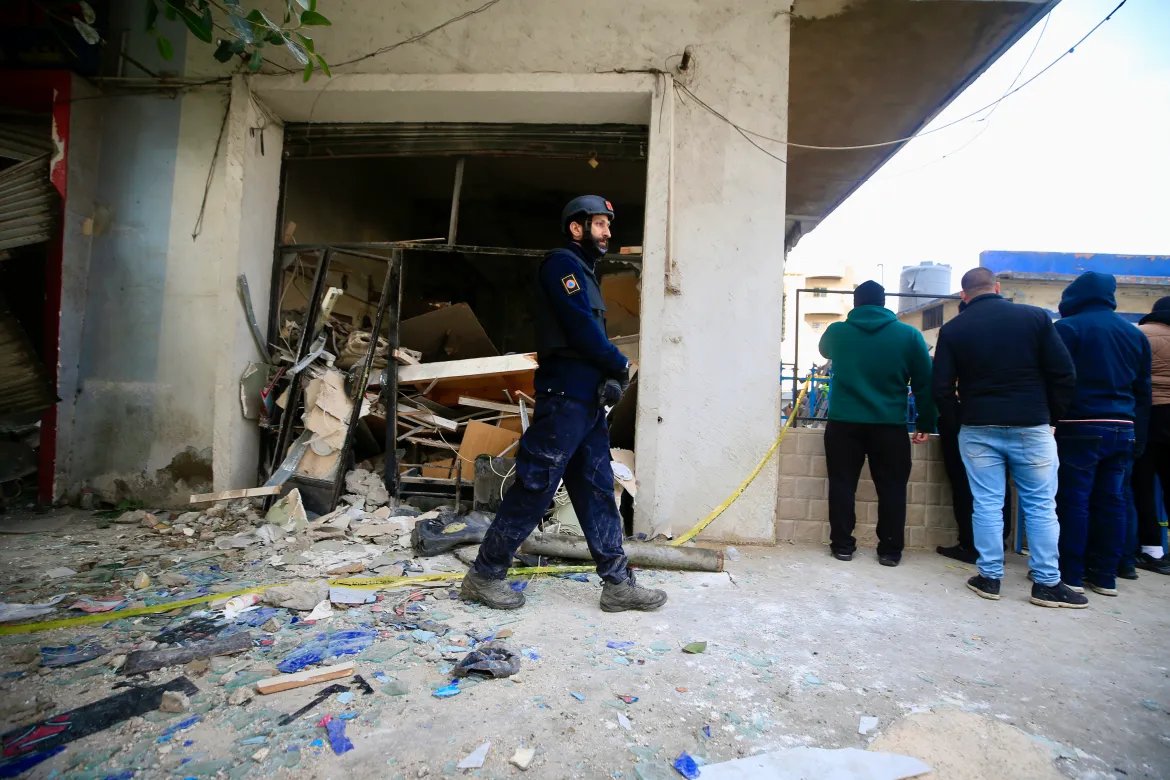
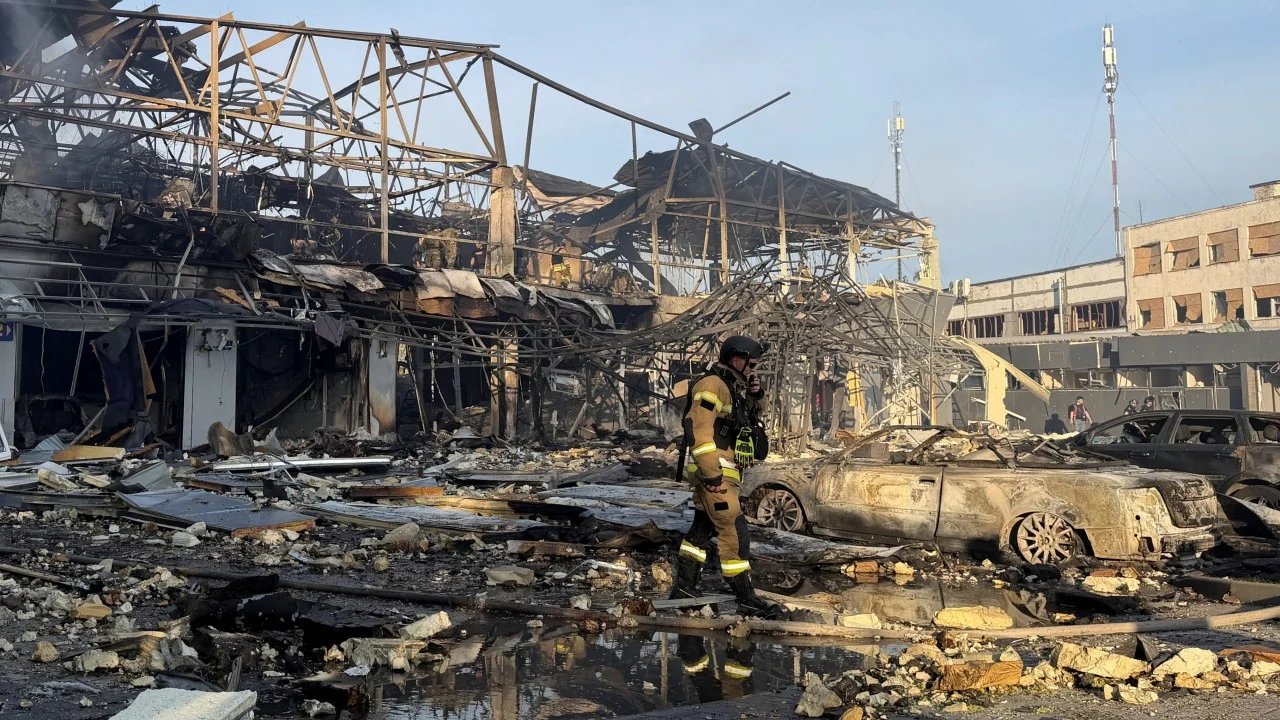
Overnight Russian drone and missile strikes in Ukraine resulted in the deaths of at least 22 individuals and left more than 80 injured, according to Ukrainian authorities. The attacks occurred just hours before Ukraine's proposed ceasefire was set to begin at midnight on May 6, 2026. The eastern city of Kramatorsk, the southern city of Zaporizhzhia, and the northern city of Chernihiv were among the hardest hit, with powerful glide bombs causing significant civilian casualties. In Kramatorsk alone, 17 civilians were killed and 45 wounded, while additional strikes earlier that night claimed five more lives.
Zelenskyy's Strong Rebuke
Ukrainian President Volodymyr Zelenskyy condemned the Russian assaults as "utter cynicism," highlighting the stark contrast between Russia's military actions and its announcement of a unilateral ceasefire scheduled for May 8 and 9. Zelenskyy stated, "Russia could cease fire at any moment, and this would stop the war and our responses," emphasizing the need for genuine peace efforts. He noted that Ukrainian forces would observe a ceasefire beginning at the end of Tuesday, without specifying an end date.
Reactions from Ukrainian Officials
Ukrainian Foreign Minister Andrii Sybiha expressed outrage over Russia's continued hostilities, stating, "With mere hours until Ukraine's ceasefire proposal comes into force, Russia shows no signs of preparing to end hostilities." He accused Moscow of intensifying terror rather than pursuing diplomatic solutions. Additionally, Prime Minister Yulia Svyrydenko characterized Russia's ceasefire proposals as mere statements that lack substance.
UN Calls for Ceasefire
United Nations Secretary-General António Guterres welcomed the announced ceasefires, urging for their successful implementation. However, the ongoing violence has raised skepticism about the sincerity of either side's commitment to ending the conflict. The U.N. chief reiterated calls for a "full, immediate, unconditional and lasting ceasefire" that leads to a sustainable peace.
Continued Hostilities and Counterattacks
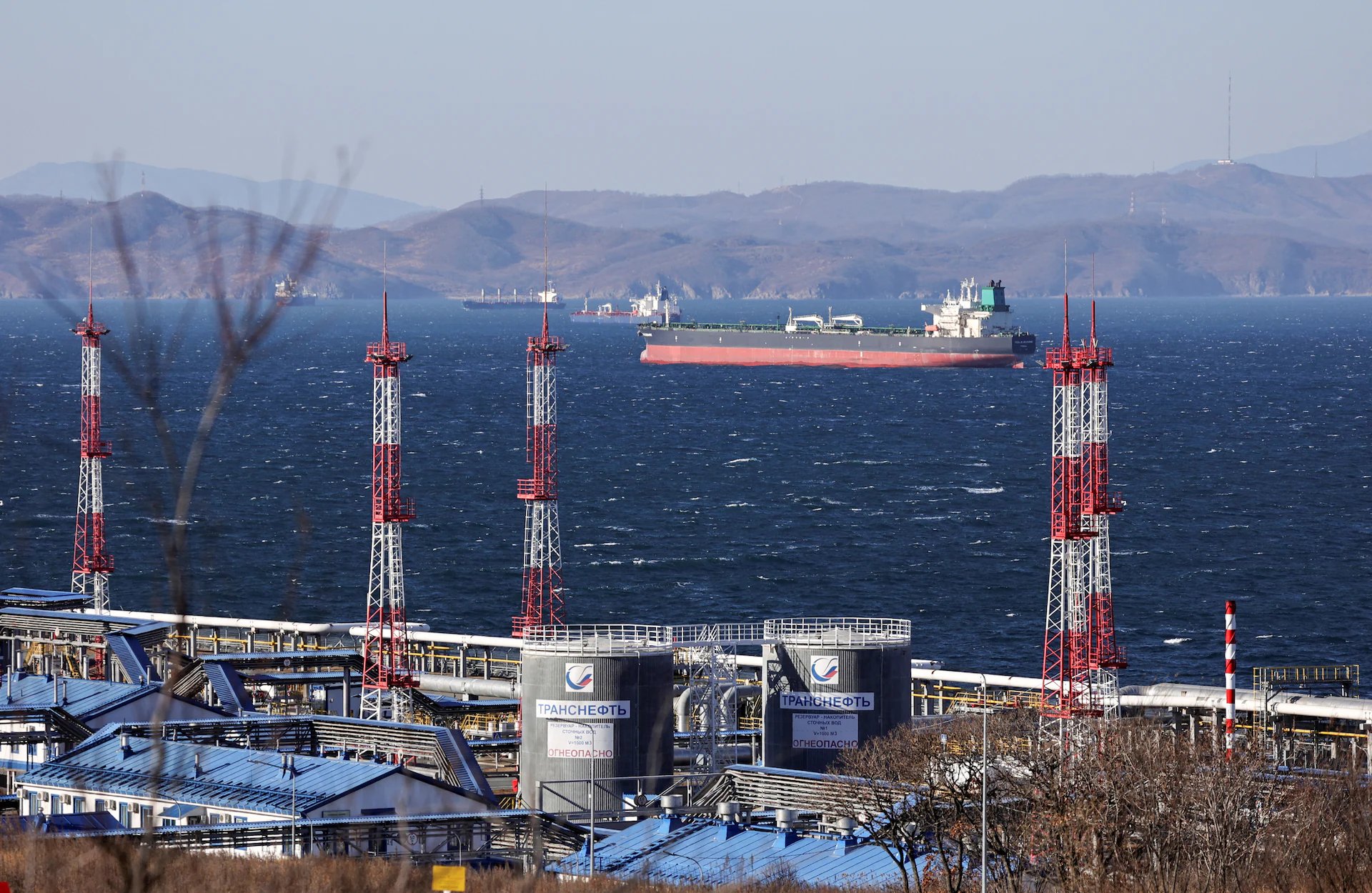
Despite the proposed ceasefires, both Ukraine and Russia maintained aggressive military operations. Russia launched 11 Iskander-M ballistic missiles and 164 strike drones, of which Ukraine's air defenses intercepted 149. In retaliation, Ukrainian forces targeted Russian military-industrial facilities, including strikes on oil refineries and military production sites located over 1,500 kilometers away from the front lines.
Impact on Civilians
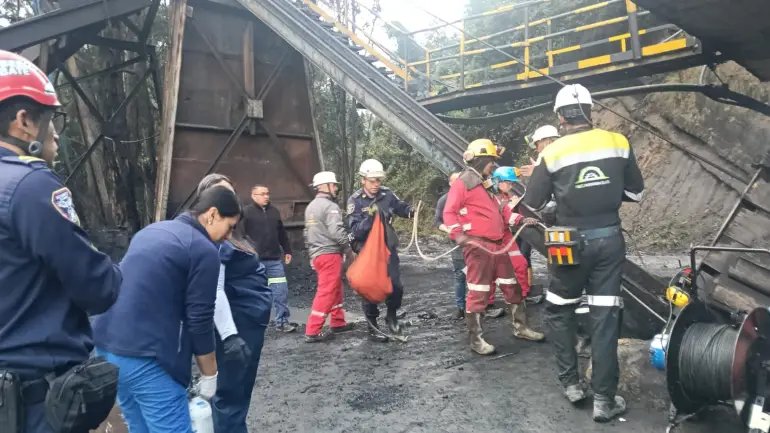
The recent attacks have exacerbated the humanitarian crisis in Ukraine, as civilian infrastructure continues to be targeted. Ukrainian officials reported that since the start of the year, attacks on energy facilities have occurred 107 times, significantly impacting the nation's energy supply. Zelenskyy described the attacks on critical infrastructure as "especially vile," particularly when emergency responders were targeted.
Broader Context of the Conflict
The violence underscores the ongoing stalemate in the conflict, which has persisted since Russia's full-scale invasion of Ukraine. Both sides have shown little inclination to de-escalate, despite international pressure for negotiations. As the situation unfolds, the prospect of a lasting peace remains uncertain, with each side accusing the other of insincerity and aggression.
Next Steps for Peace
As Ukraine enters a period of proposed ceasefire, the international community watches closely for any signs of genuine progress towards peace. Zelenskyy emphasized the need for real steps to achieve tranquility, stating, "Peace is needed, and real steps are needed to achieve it." The effectiveness of the upcoming ceasefire will likely hinge on the ability of both sides to adhere to their commitments and halt further violence.