




U.S. Operation "Project Freedom"
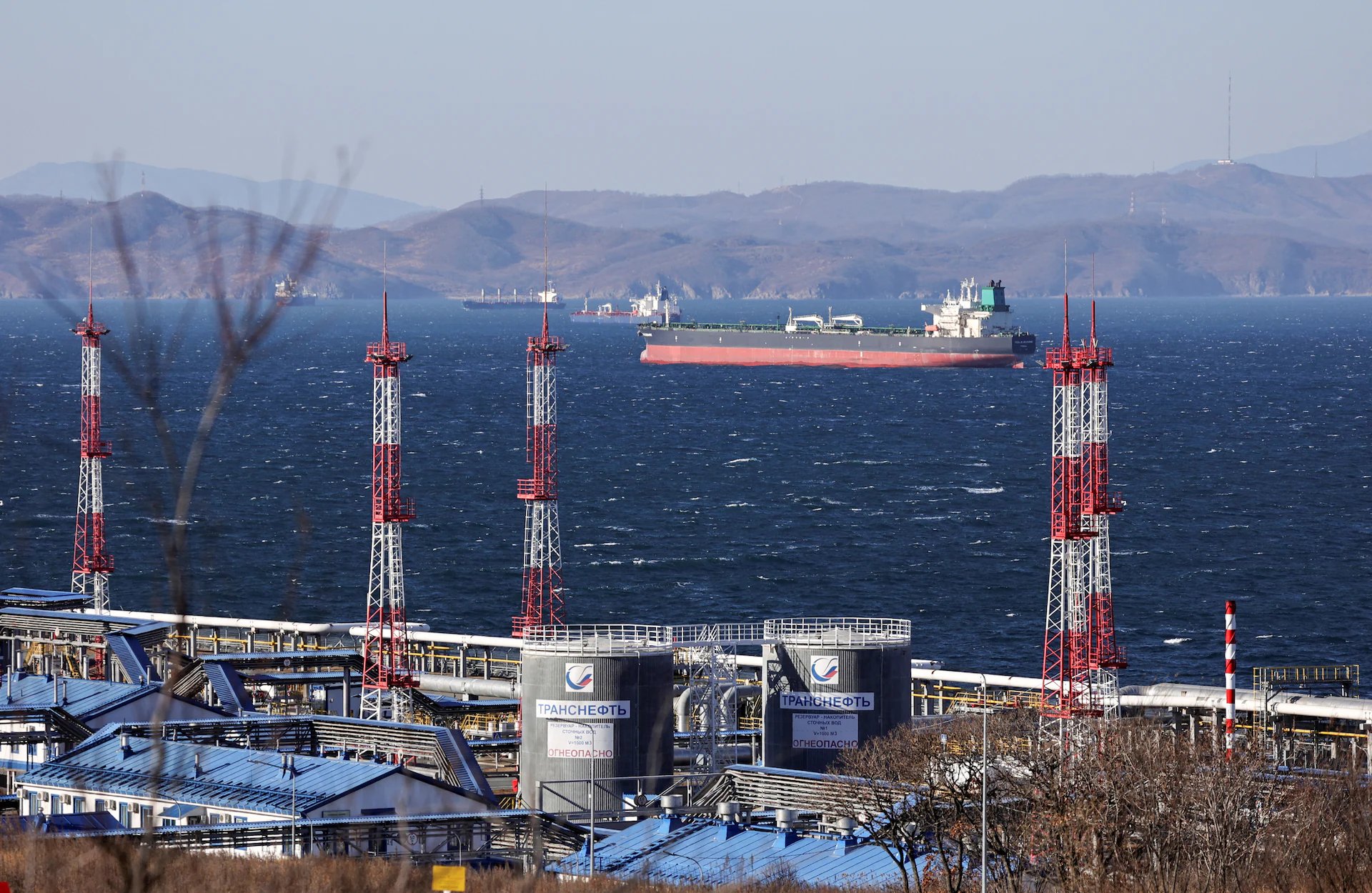
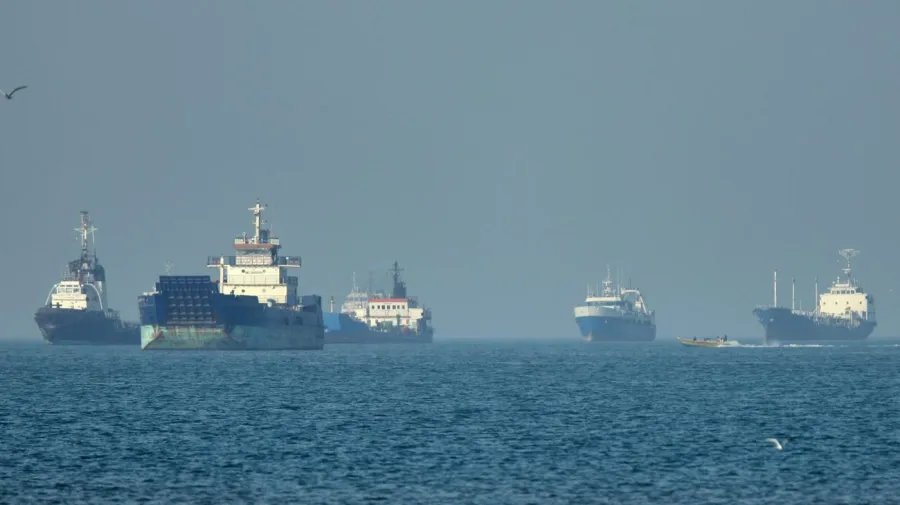
Despite escalated tensions in the Strait of Hormuz, Secretary of Defense Pete Hegseth said Tuesday that the U.S.-Iran ceasefire "certainly holds" for now. President Trump announced "major combat operations" against Iran on Feb. 28, followed by a ceasefire on April 8. The U.S. military is guiding commercial ships through the Strait of Hormuz in an operation called "Project Freedom."
Iranian Retaliation and Warnings
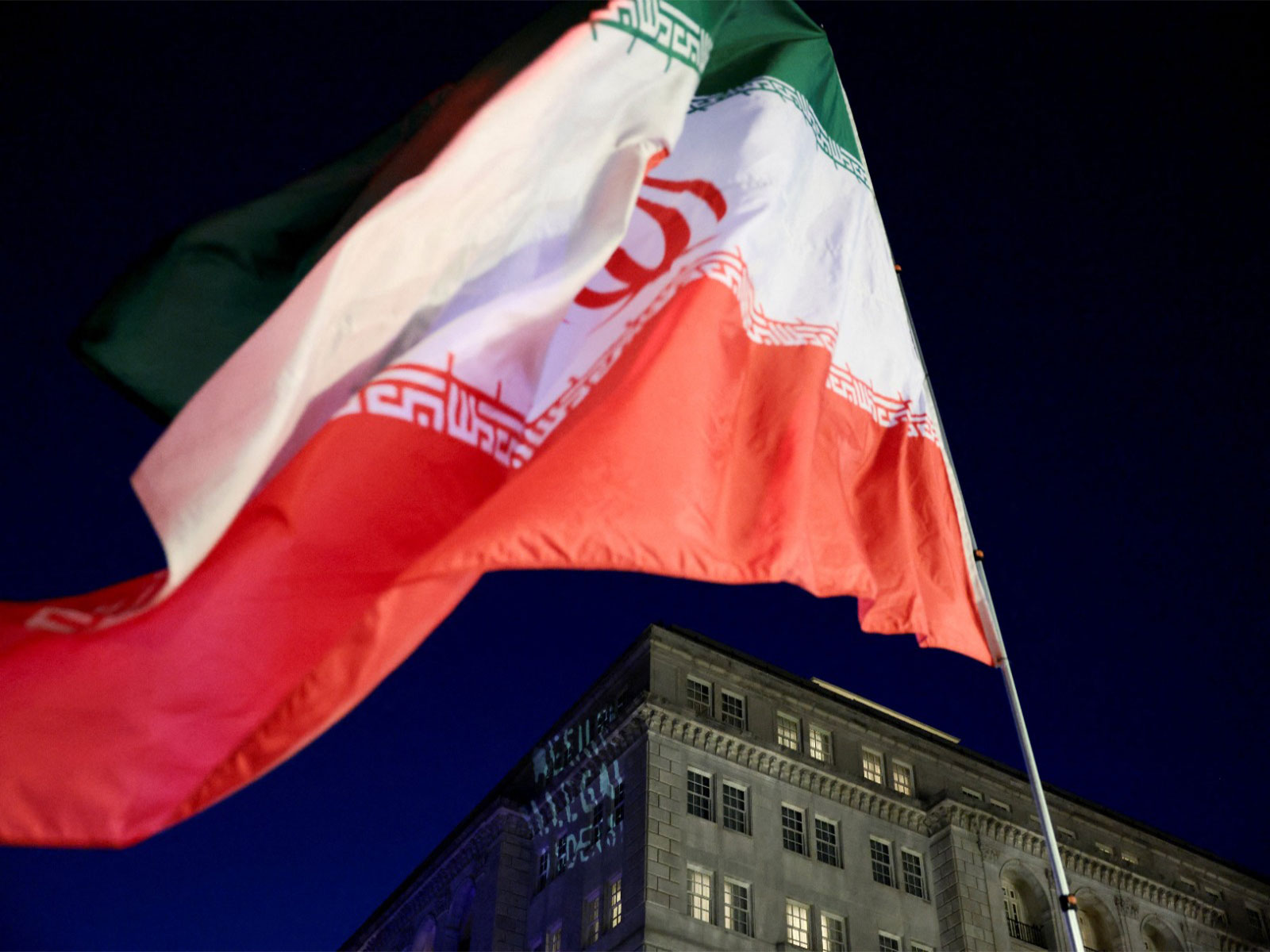
Iran's Islamic Revolutionary Guard Corps (IRGC) issued a warning to all vessels intending to transit in the strait, saying "the only safe route to pass through the Strait of Hormuz is the corridor previously announced by Iran." The IRGC added that any diversion of ships to other routes is unsafe and will face a decisive response from the IRGC Navy. Iran launched 15 missiles at the UAE on Monday, marking the first attacks since the April 8 ceasefire.
Conflicting Claims and Tensions
The UAE's Defense Ministry confirmed that air defense systems intercepted ballistic missiles, cruise missiles, and drones. The U.S. Central Command said 51 vessels have been directed to turn around or return to port under the U.S. blockade of Iranian ports. Iranian Parliament Speaker Mohammad Bagher Ghalibaf signaled that Iran has yet to fully respond to the U.S. attempt to reopen the waterway.
Trump's Stance and Global Implications
President Trump suggested that Iran hasn’t yet violated the ceasefire despite firing shots in the Strait of Hormuz, saying “I’ll let you know” when it is breached. Trump added that Iran "better hope" the ceasefire remains in effect. The UAE said Tuesday that Iran had targeted it with a missile and drone attack for a second consecutive day. The General Secretariat of the Arab Interior Ministers Council "strongly condemned renewed Iranian attacks on the United Arab Emirates, targeting civilian and economic sites with missiles and drones."
Shipping and Economic Disruptions
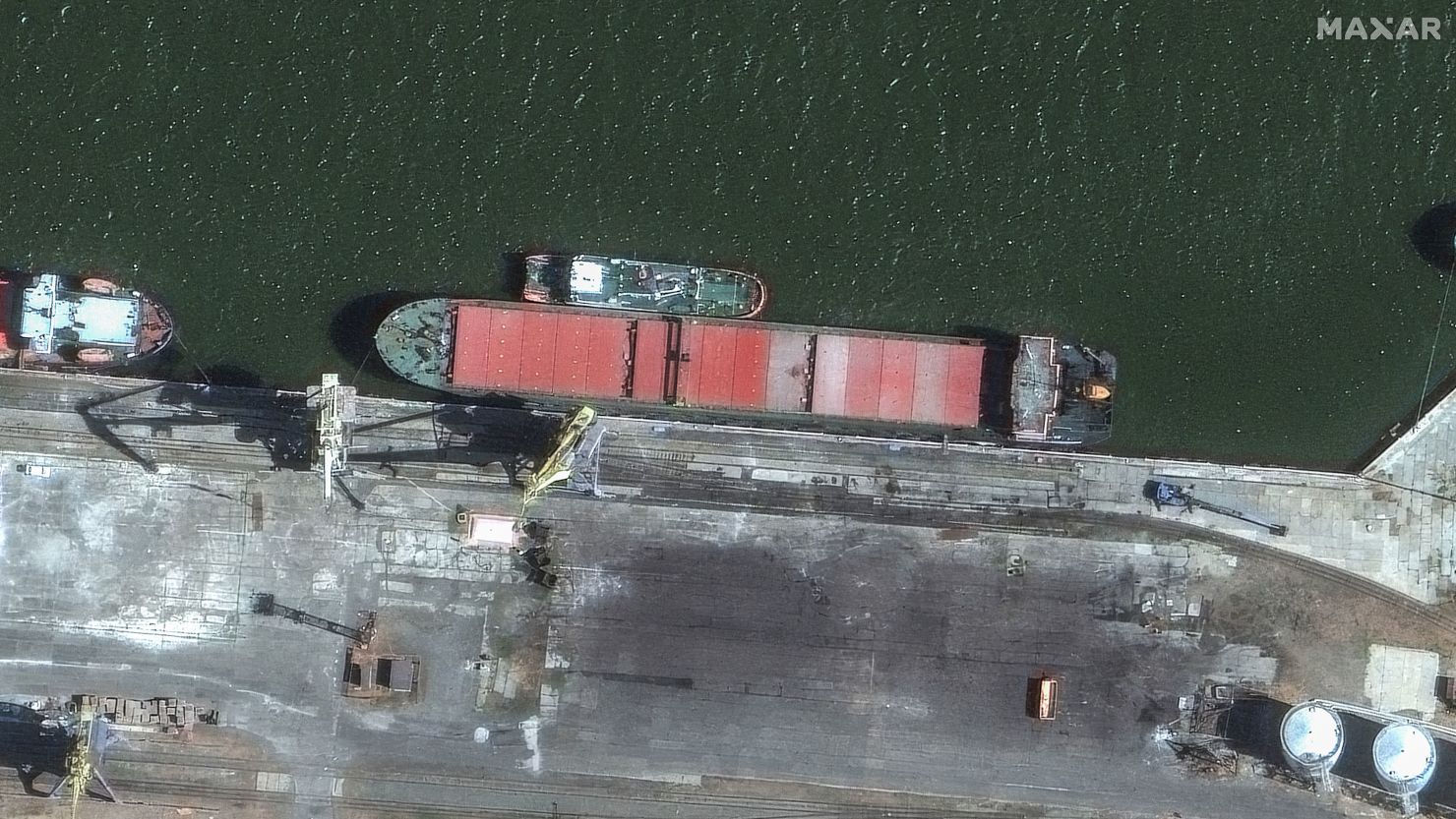
So far, only two U.S.-flagged merchant ships are known to have passed through the new U.S.-guarded route. Hapag-Lloyd AG, one of the world's largest container shipping companies, said transits through the Strait of Hormuz are for the moment not possible for their ships. The British military reported two cargo vessels ablaze off the UAE on Monday.
International Response and Mediation
Iranian Foreign Minister Abbas Araghchi warned the U.S. and the UAE "should be wary of being dragged back into quagmire." Saudi Arabia's government issued a call for "de-escalation, restraint" and diplomacy. South Korea said it will "review its position" on joining U.S. operations in the Strait of Hormuz.
U.S. Military Readiness
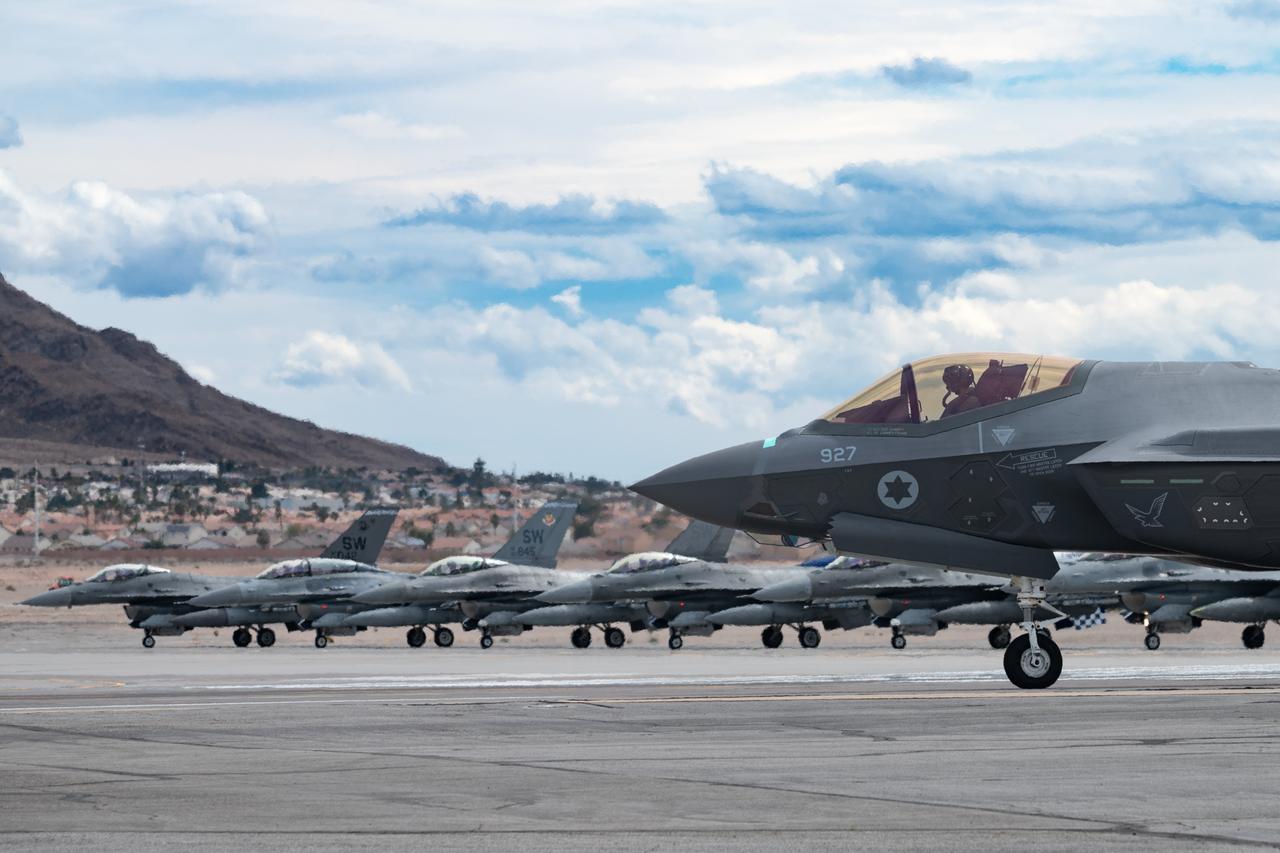
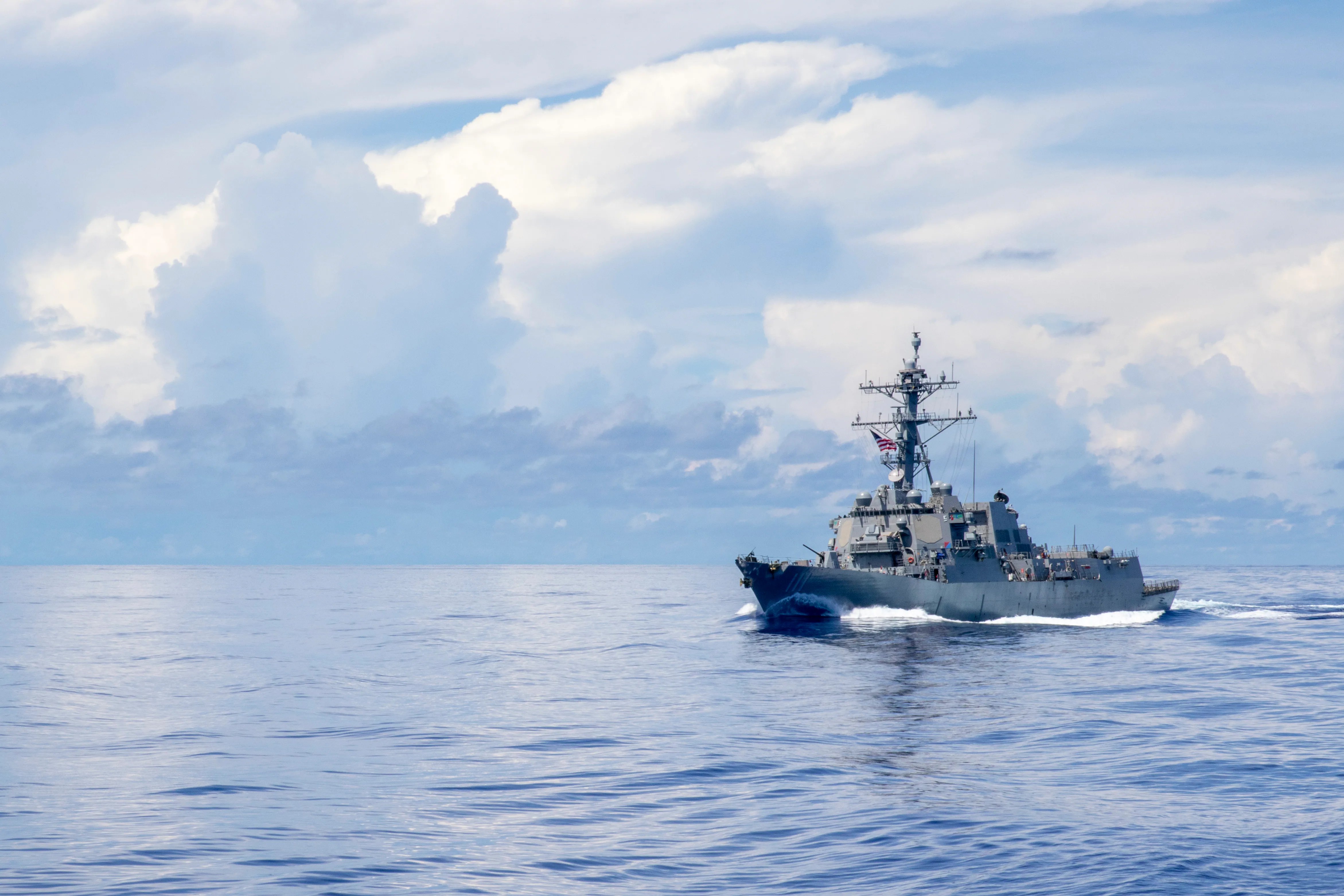
Gen. Dan Caine, chairman of the Joint Chiefs of Staff, said U.S. forces "remain ready to resume major combat operations against Iran if ordered to do so." Caine outlined that guided missile destroyers and warships are "detecting and defeating Iranian threats," while more than 100 aircraft are in the air providing defensive overwatch. Defense Secretary Pete Hegseth said the U.S. military is resolved to continue with Project Freedom, and President Trump will decide if anything escalates into a violation of the ceasefire.
Germany is sending a minesweeping vessel to the Mediterranean, ready for potential participation in a future effort to clear the Strait of Hormuz, contingent on an end to hostilities between Iran and the U.S. and Israel.