




Iranian Proposal Details
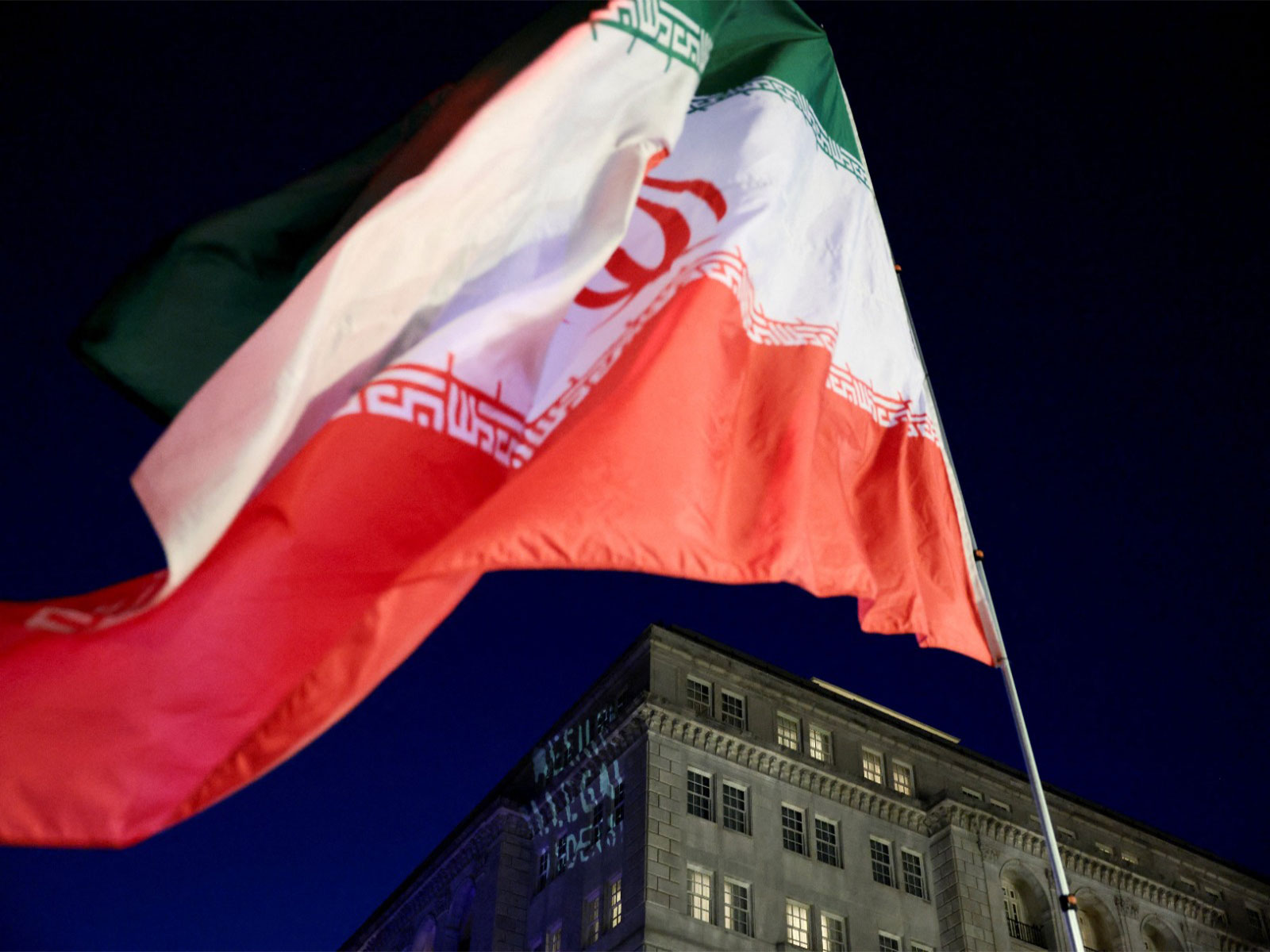
Iran has presented a 14-point response to the U.S. proposal to end the war, according to Iranian state media. The semi-official Tasnim news agency and state-owned Press TV reported the details of the proposal. The Iranian proposal demands that all issues be resolved and the war end within 30 days. This is a change from the U.S. proposal for a two-month ceasefire.
Other demands in the Iranian plan include guarantees against future military aggression and the withdrawal of U.S. forces from Iran's periphery. Ending the naval blockade, releasing frozen Iranian assets, paying reparations, and lifting sanctions are also conditions of the proposal. The Iranian proposal also calls for an end to fighting in Lebanon and a new mechanism governing the Strait of Hormuz. Two semi-official Iranian news outlets, Tasnim and Fars, reported that Iran sent the proposal via Pakistan in response to a nine-point U.S. proposal.
U.S. Response and Conditions
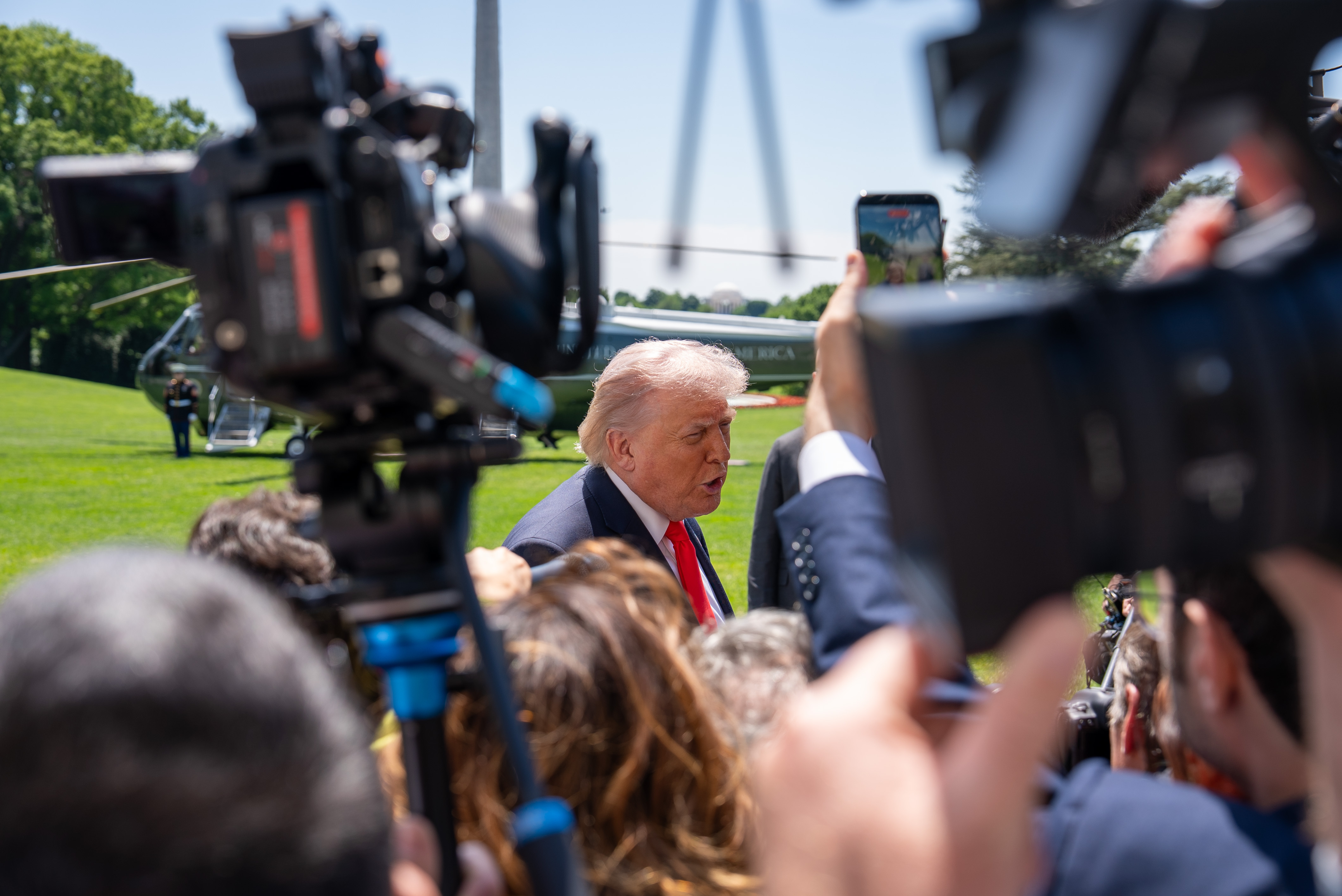
The U.S. previously presented Iran with a 15-point framework, demanding the complete reopening of the Strait of Hormuz and an end to Iran's nuclear program. President Trump said on Saturday that he was reviewing the new Iranian proposal. He added that “they’re going to give me the exact wording now." Trump also told Israel's Kan News on Sunday that the proposal was unacceptable.
Trump announced that the U.S. would help countries with ships stranded in the Strait of Hormuz. This initiative, called "Project Freedom," will start on Monday. Trump warned that interference "will have to dealt with forcefully."
Congressional and International Reactions
Sen. Jack Reed (D-R.I.) stated that there are no "timeouts" regarding the 60-day War Powers Act deadline. Czech Republic President Petr Pavel said that Europe could do much more, but "we are not part of it," in response to President Trump’s accusations that Europe has failed to support the U.S.’s military operations against Iran. Missouri Republican Senator Josh Hawley called on the Trump administration to begin redeploying forces away from the conflict. Alaska Senator Lisa Murkowski cast doubt on the success of the operation and potential talks.
Economic Impacts and Consequences
White House National Economic Council Director Kevin Hassett said that energy shocks from the Iran war will affect airline profits for at least a quarter. Chevron CEO Mike Wirth stated it's "very hard to predict" the Iran war's lasting impact on energy prices. Spirit Airlines' decision to cease operations has left 17,000 staff members unemployed.
Ceasefire Status and Future Actions
Negotiations between the two countries have been at a standstill since a ceasefire took effect on April 8. Trump wrote to Congress that hostilities "have terminated" because of the ceasefire, and he does not need congressional authorization. Iran's Foreign Ministry spokesman Esmaeil Baghaei said that "at this stage, we do not have nuclear negotiations."
Despite the ceasefire, the US president appeared disinclined to withdraw from the conflict entirely, saying "we're not leaving." He added, "we're going to do it, so nobody has to go back in two years or five years."
With the 60-day War Powers Act deadline approaching, Congress may force a change in course if Trump does not gain their approval for continued military action.