




New Sanctions Warning Issued
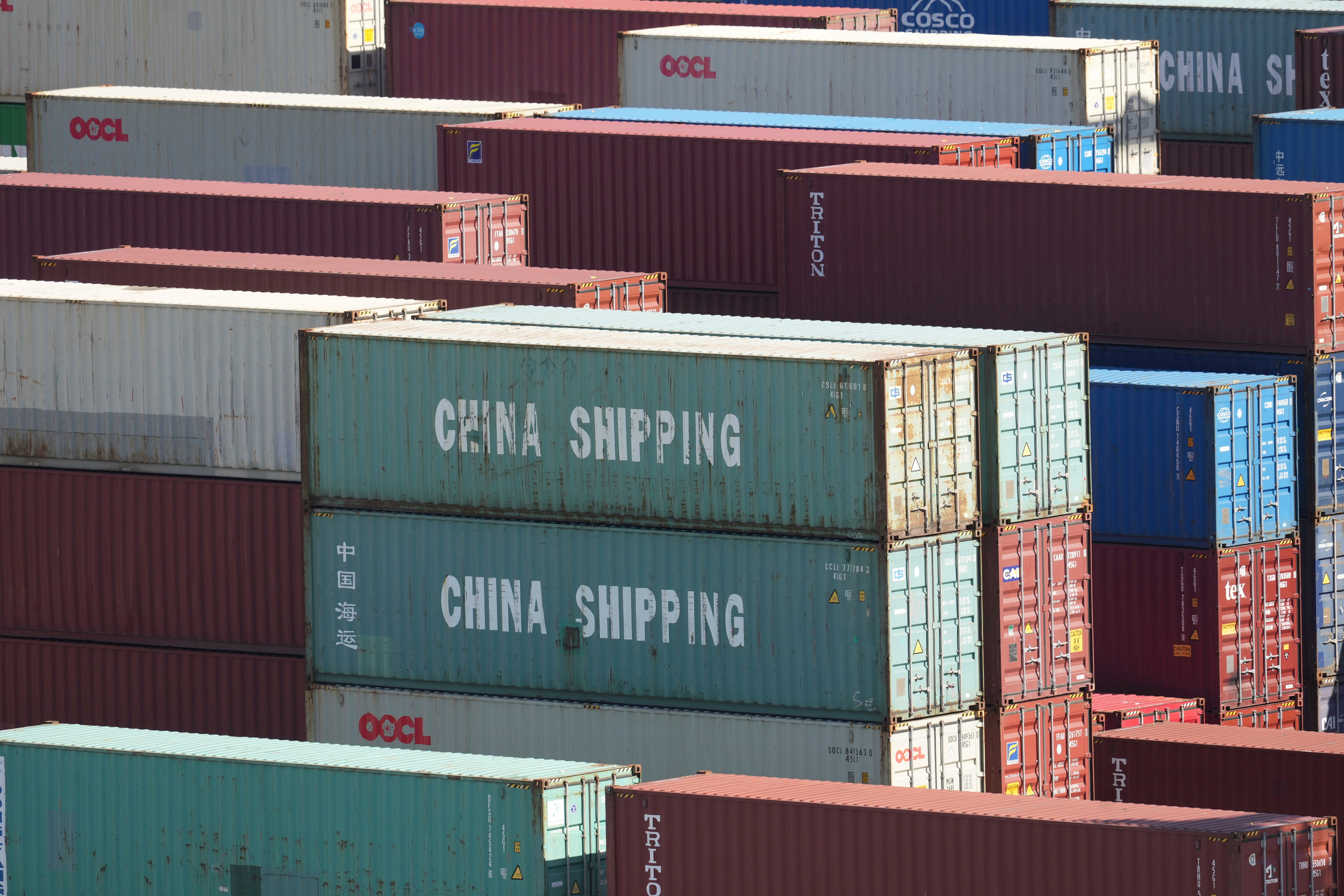
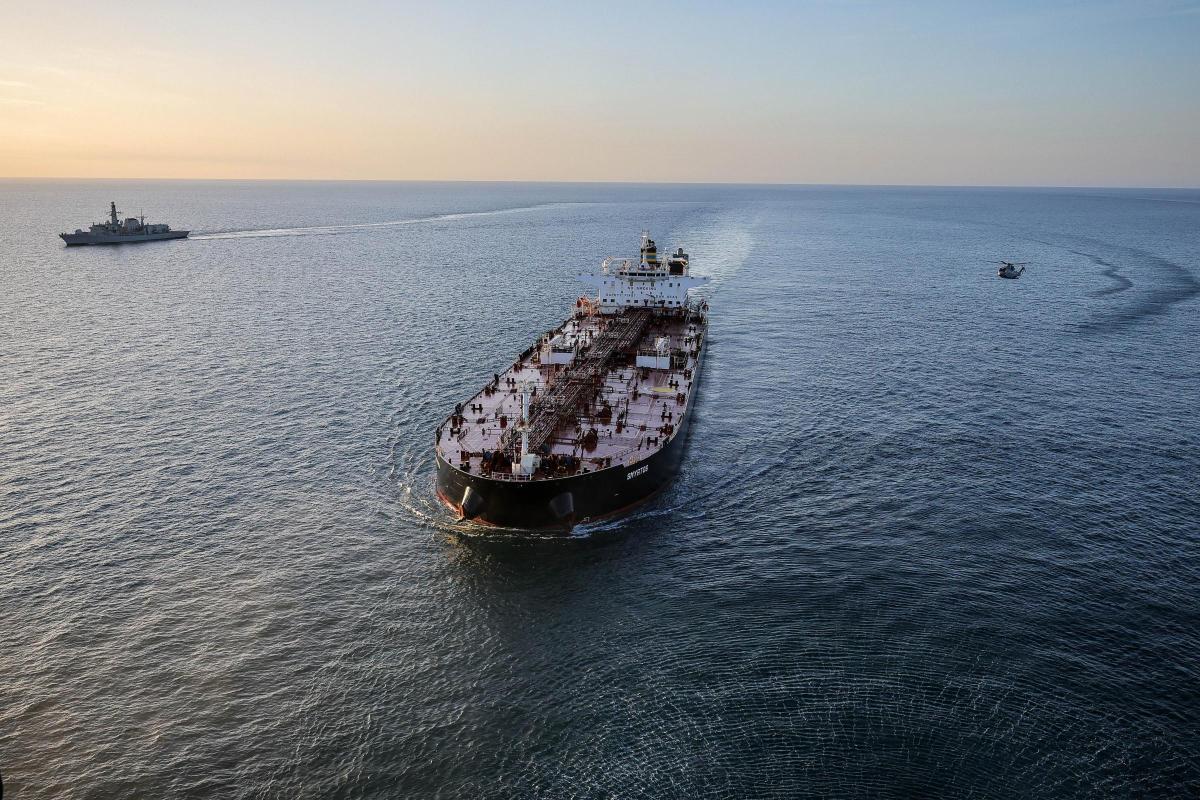
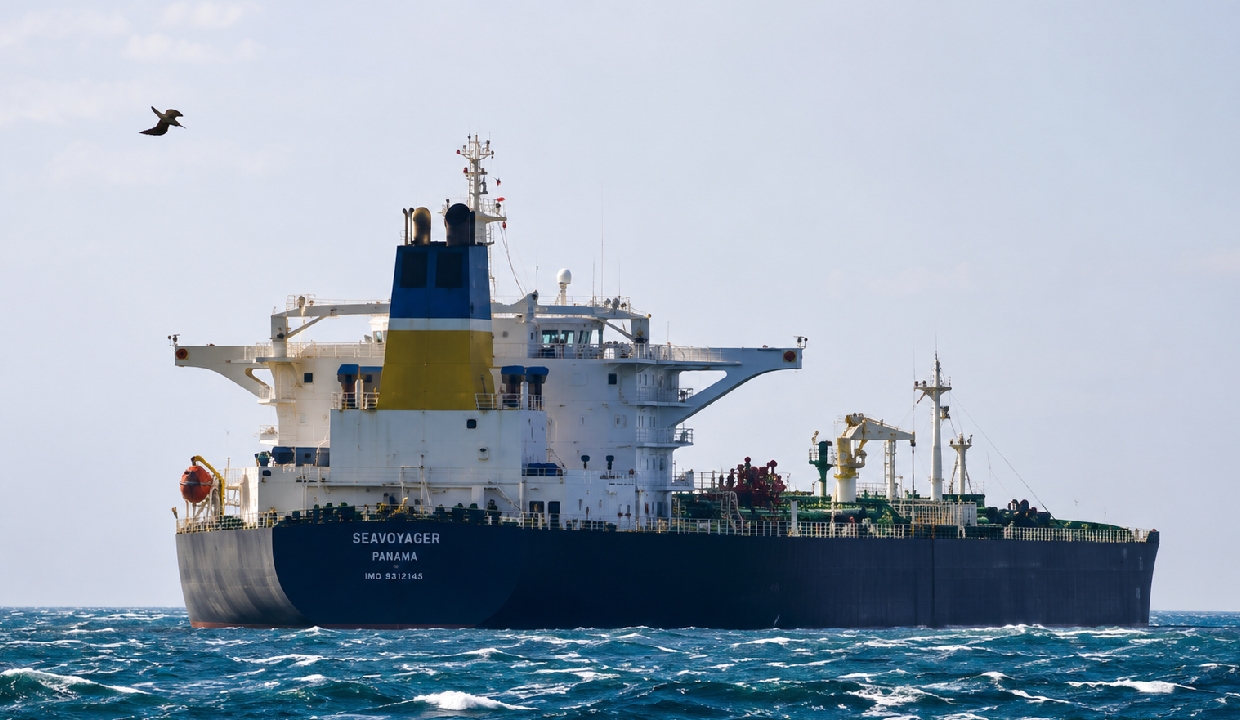
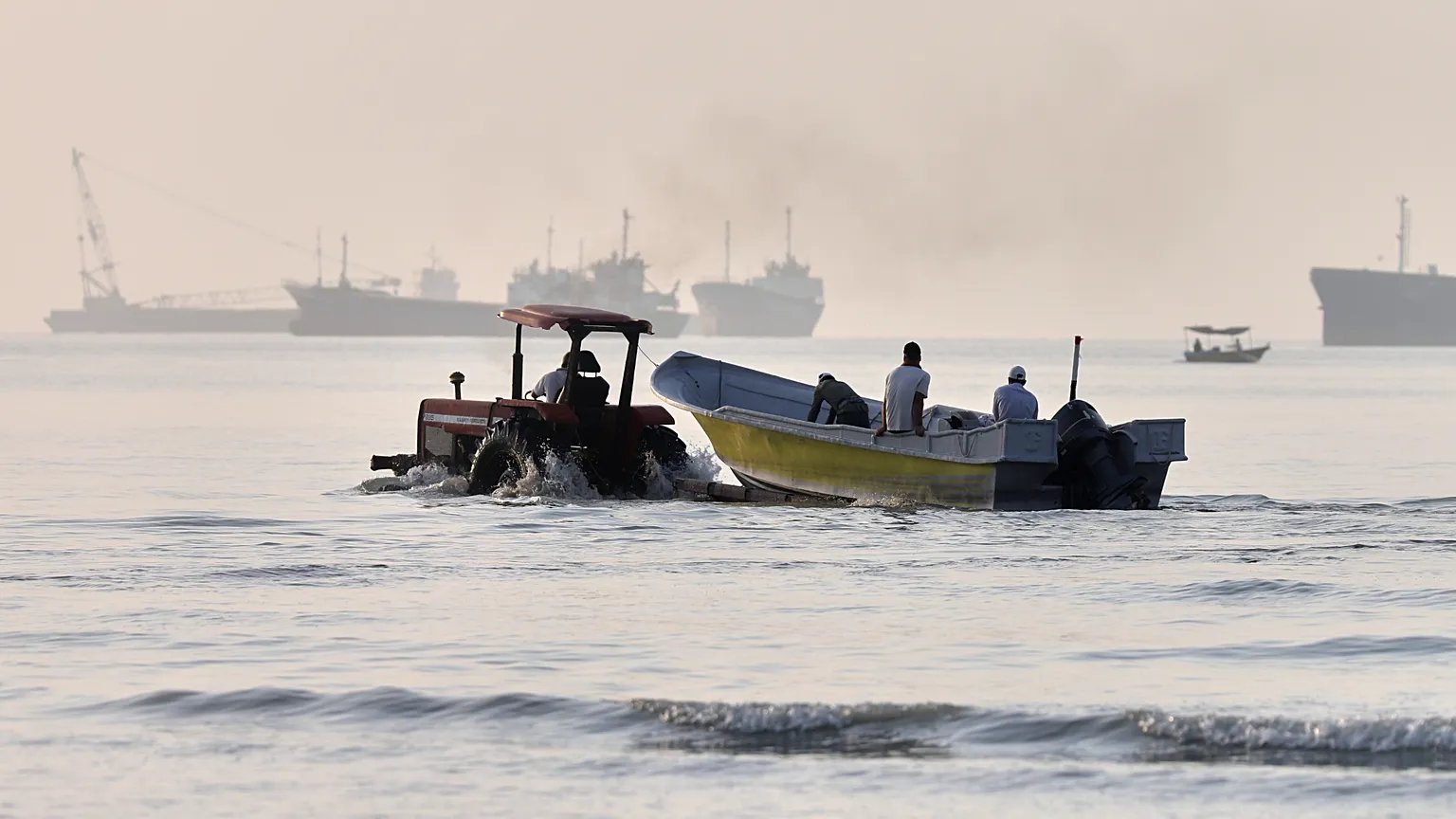
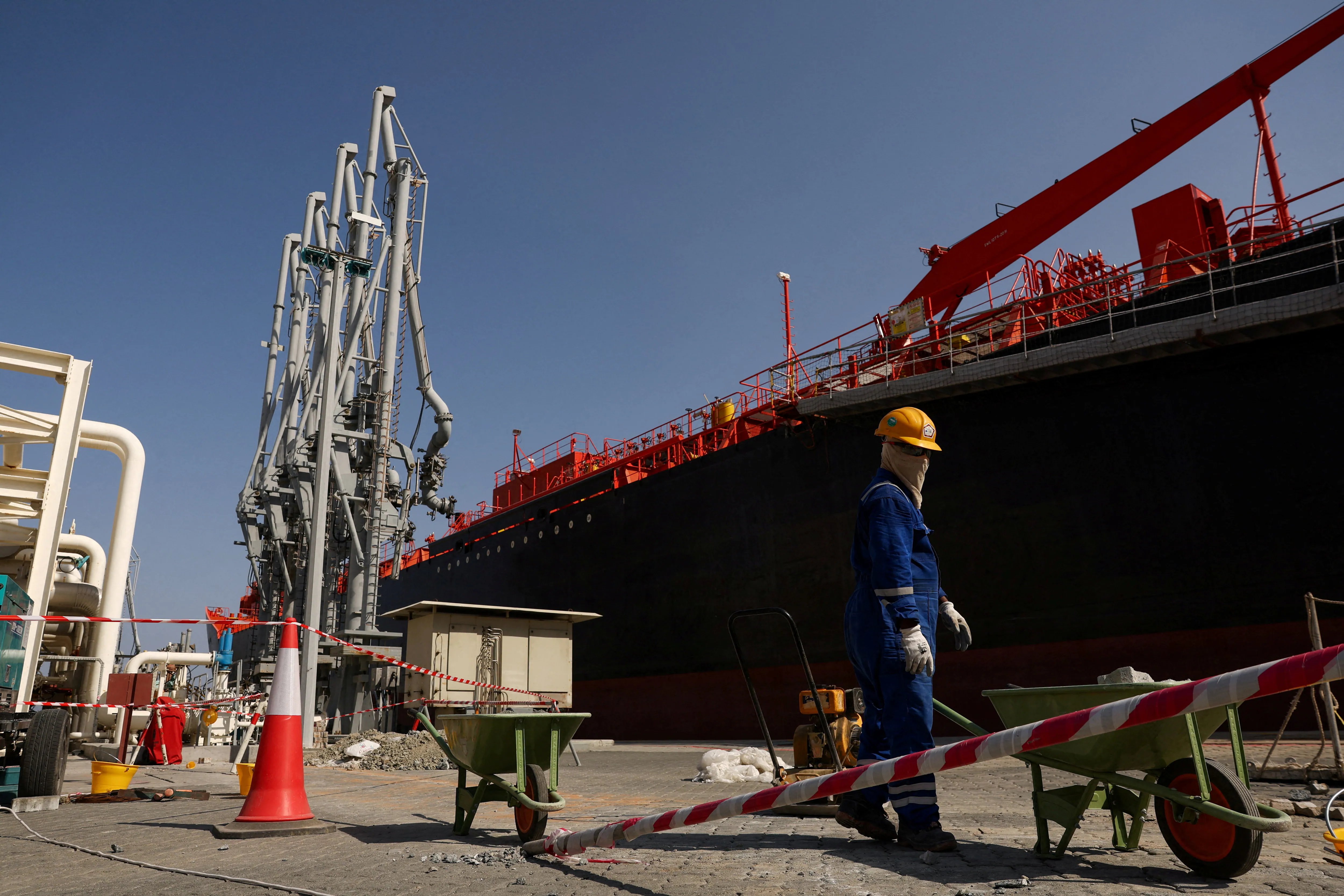
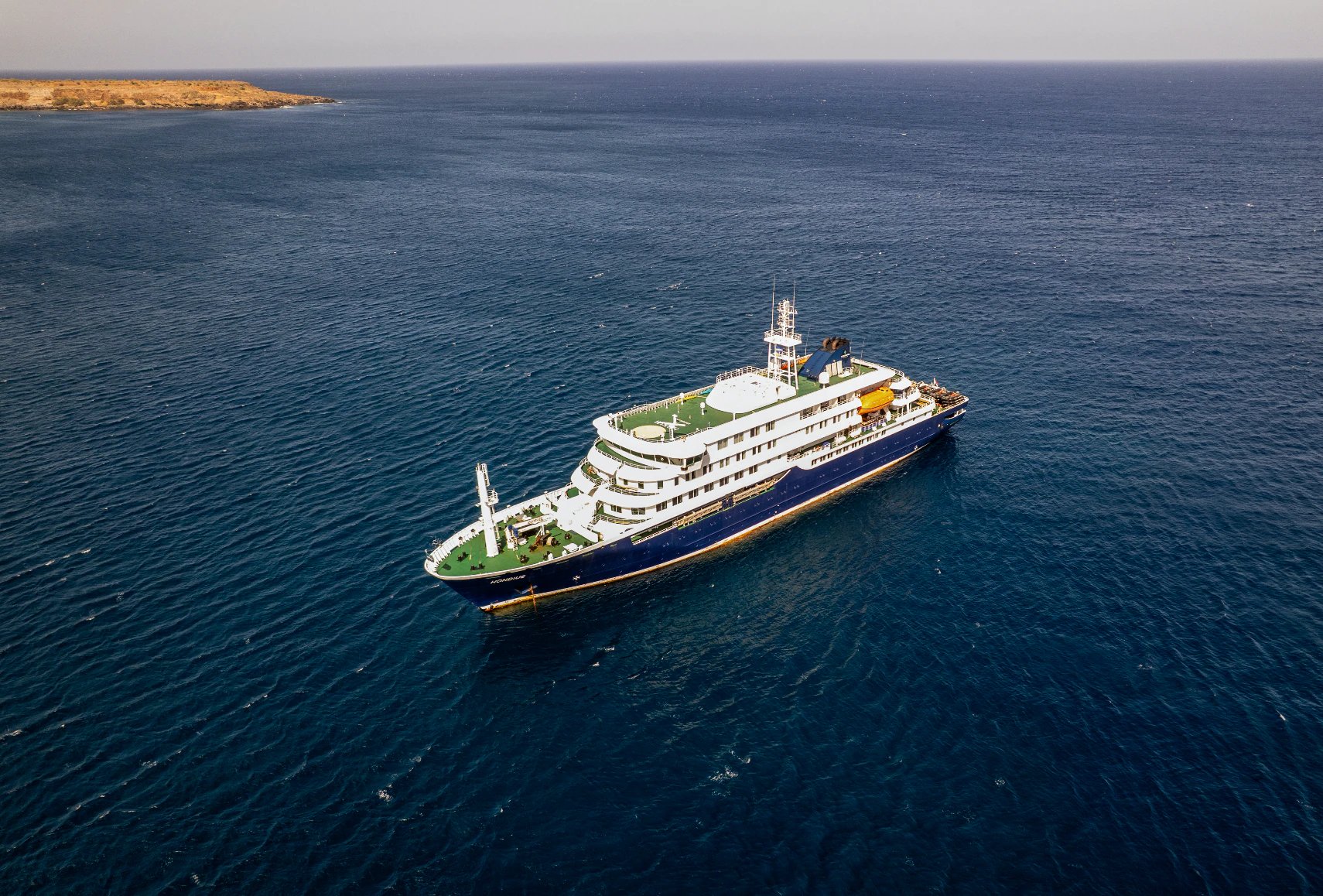
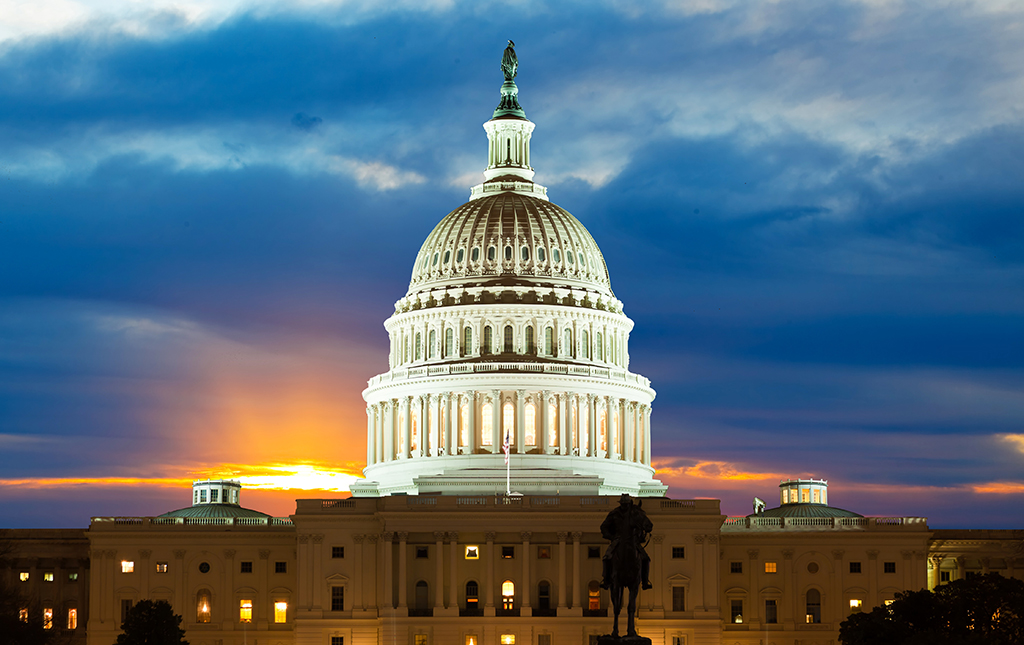
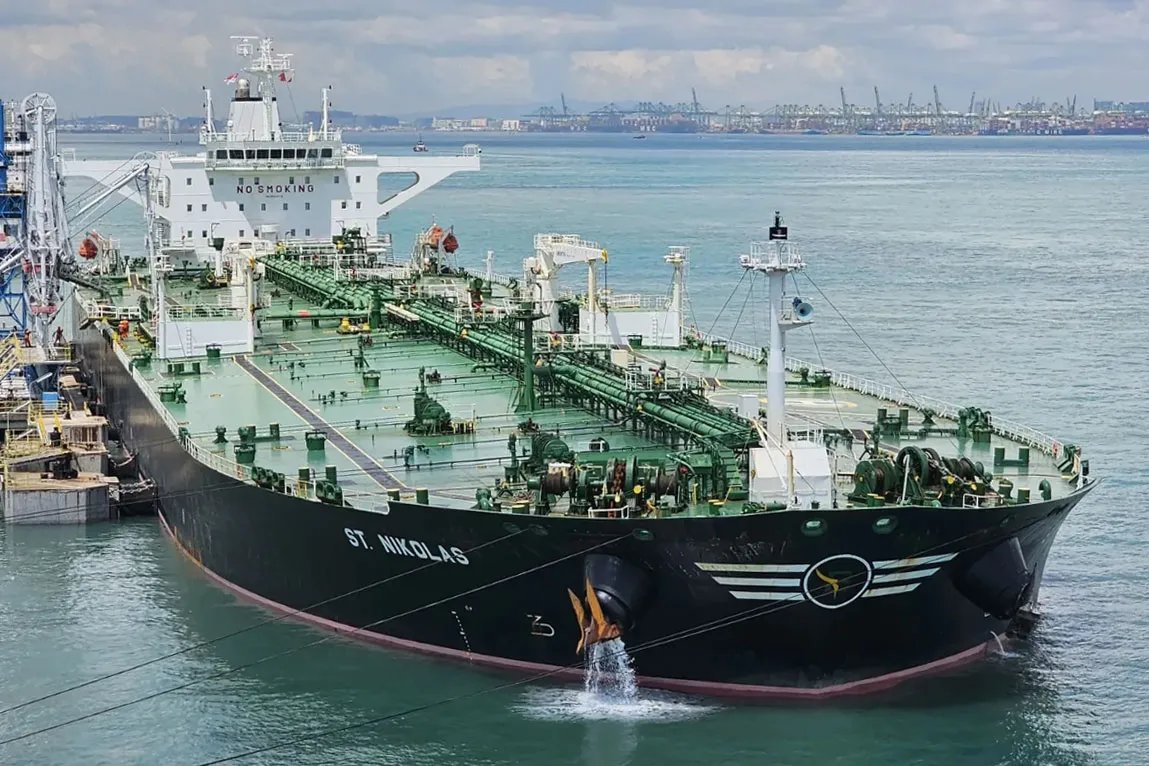
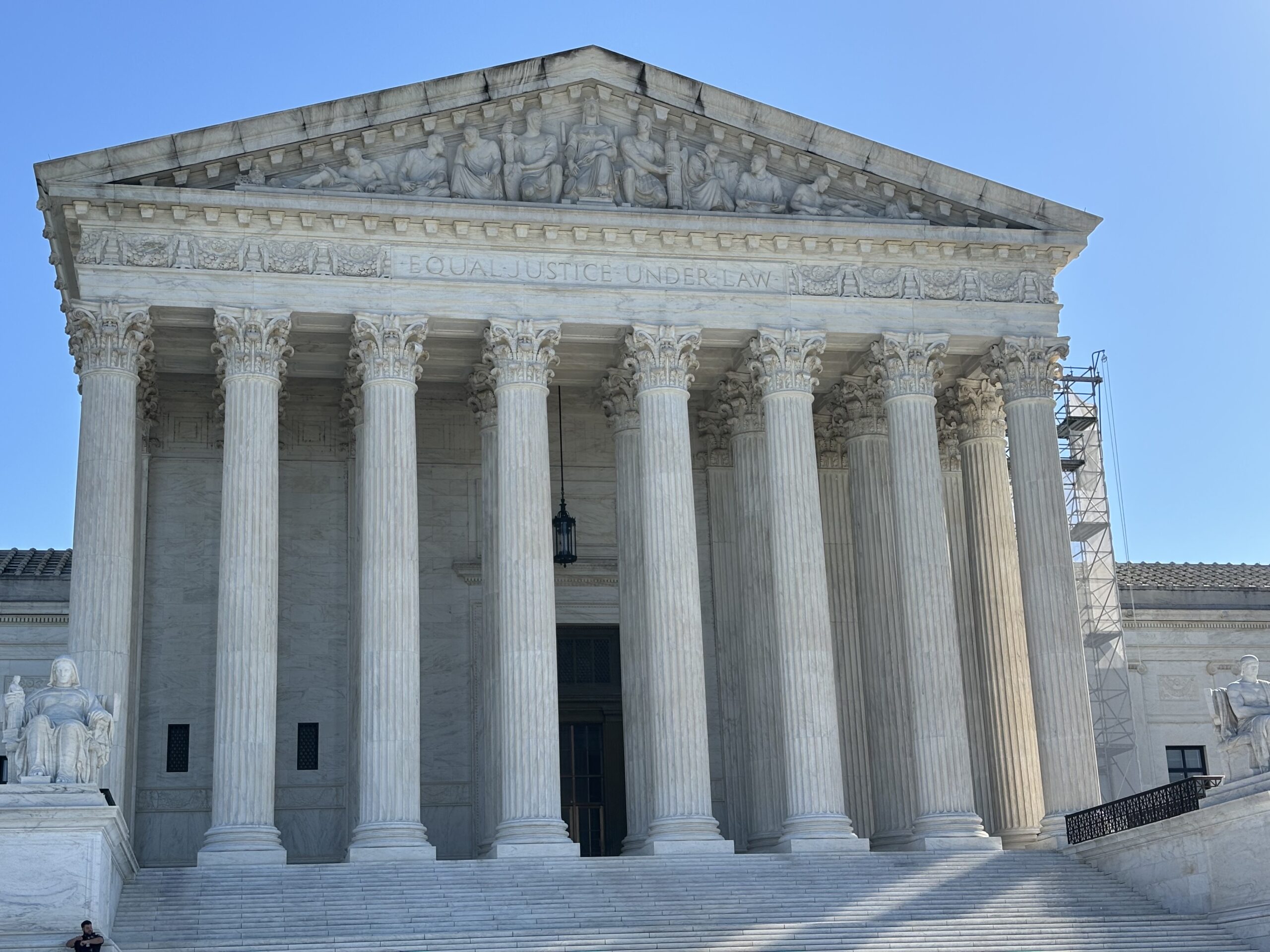
The U.S. Office of Foreign Assets Control (OFAC) has issued a stark warning to shipping companies, stating they could face sanctions if they pay Iran for safe passage through the Strait of Hormuz. This alert specifies that U.S. persons and companies are generally prohibited from making payments to Iranian government entities, while non-U.S. firms risk exposure to sanctions if they proceed with such payments. OFAC emphasized that maritime industry participants involved with vessels calling at Iranian ports face significant risks under multiple sanctions targeting Iran's shipping sector and ports.
Impact on Shipping Traffic
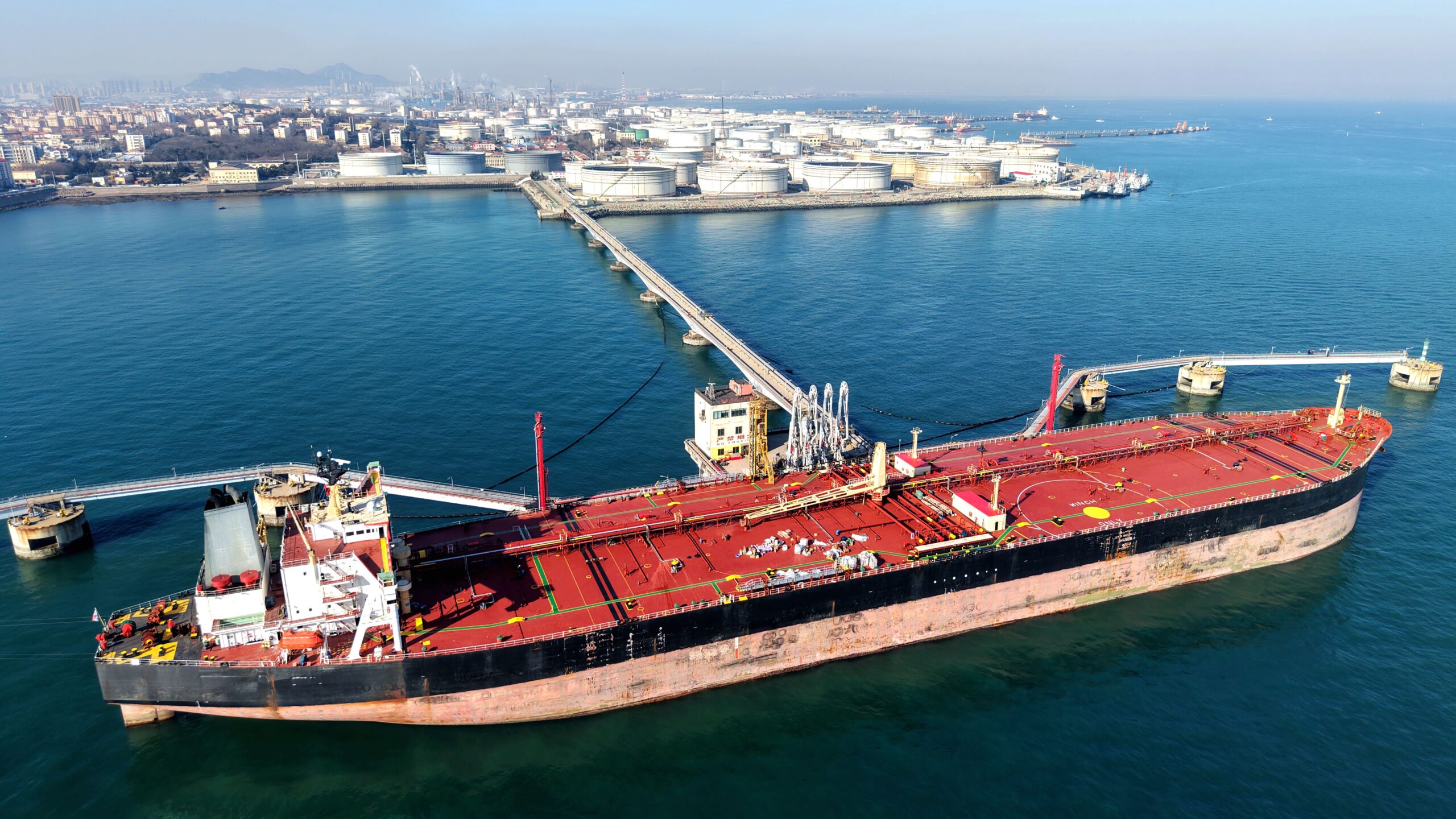
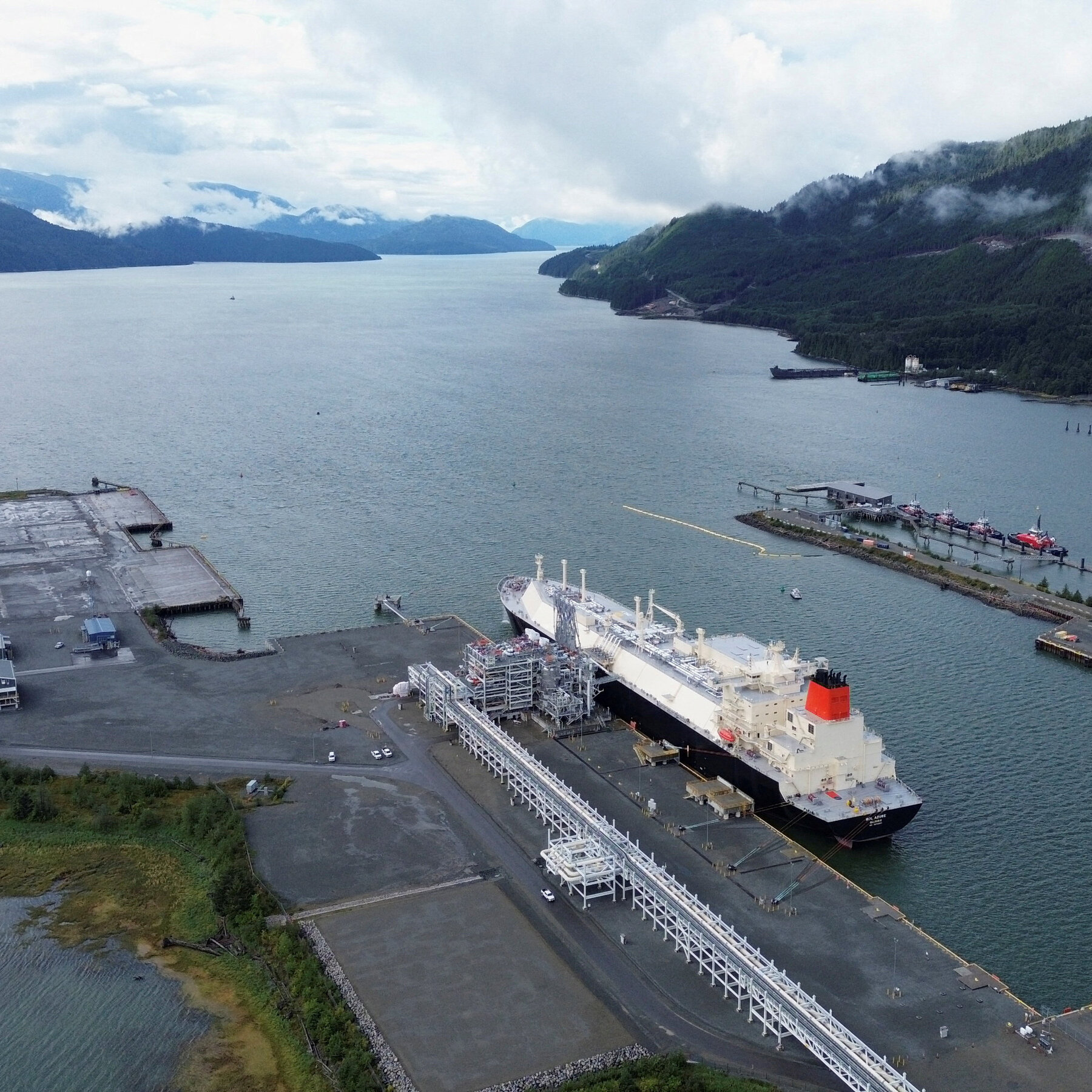
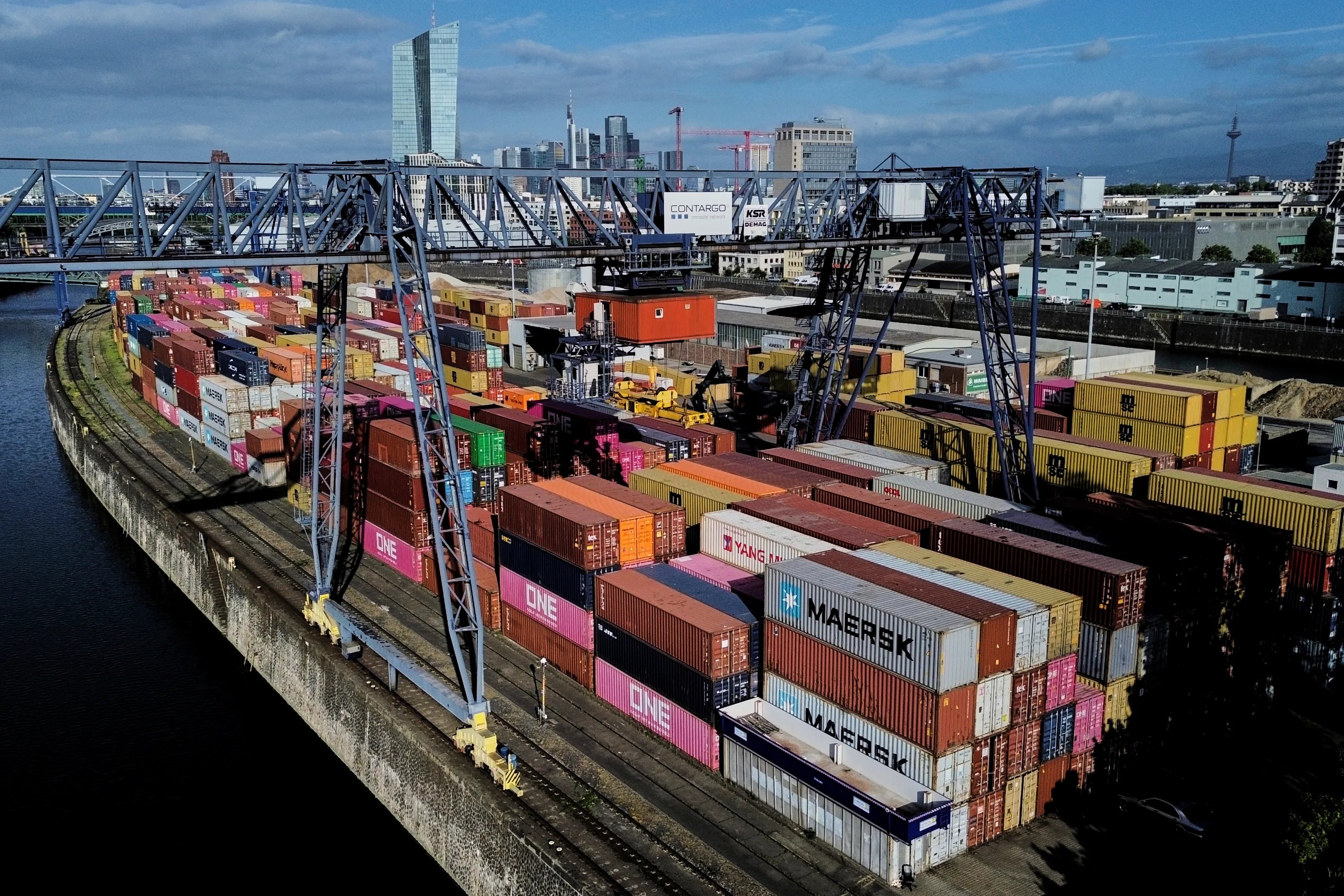
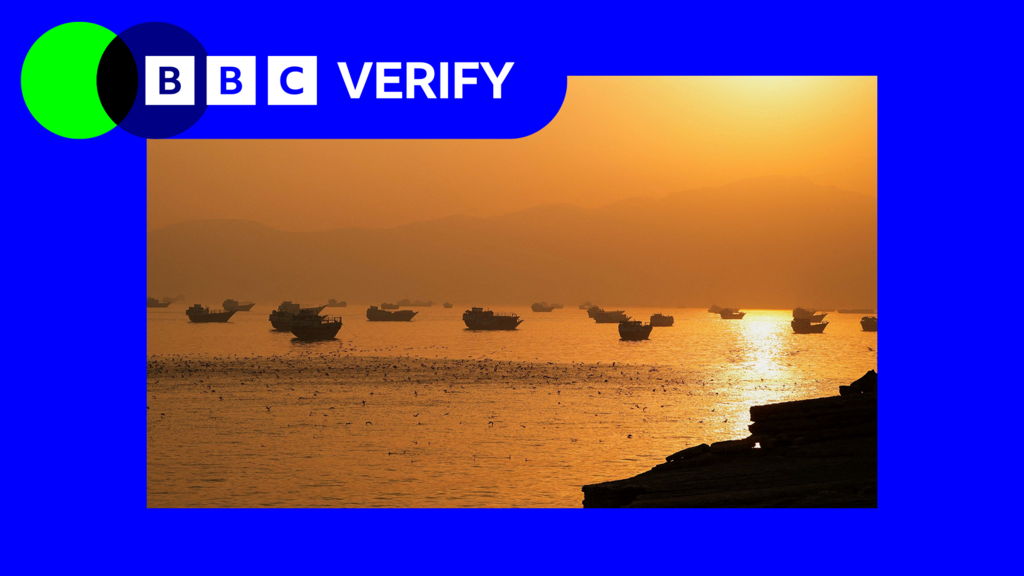
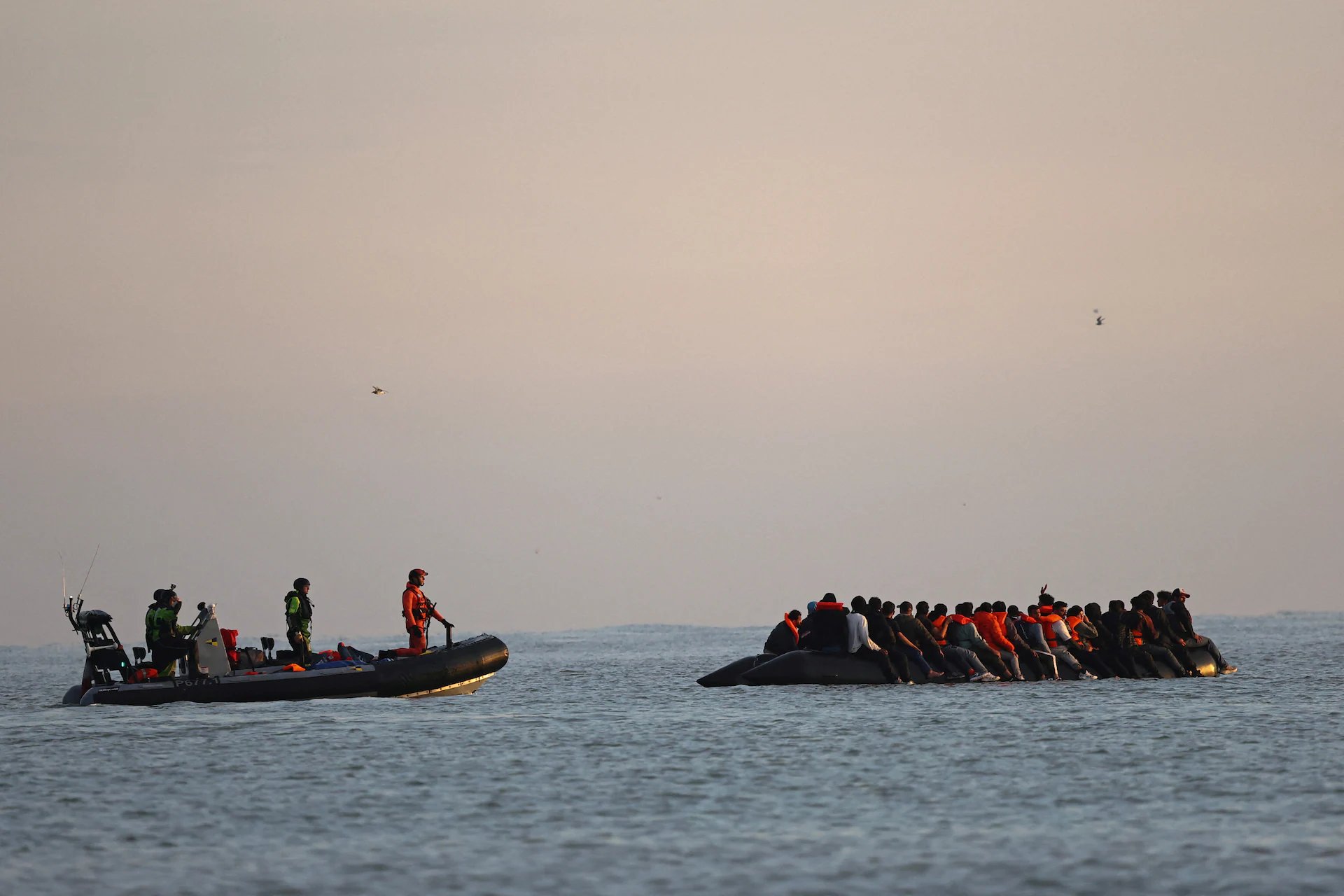
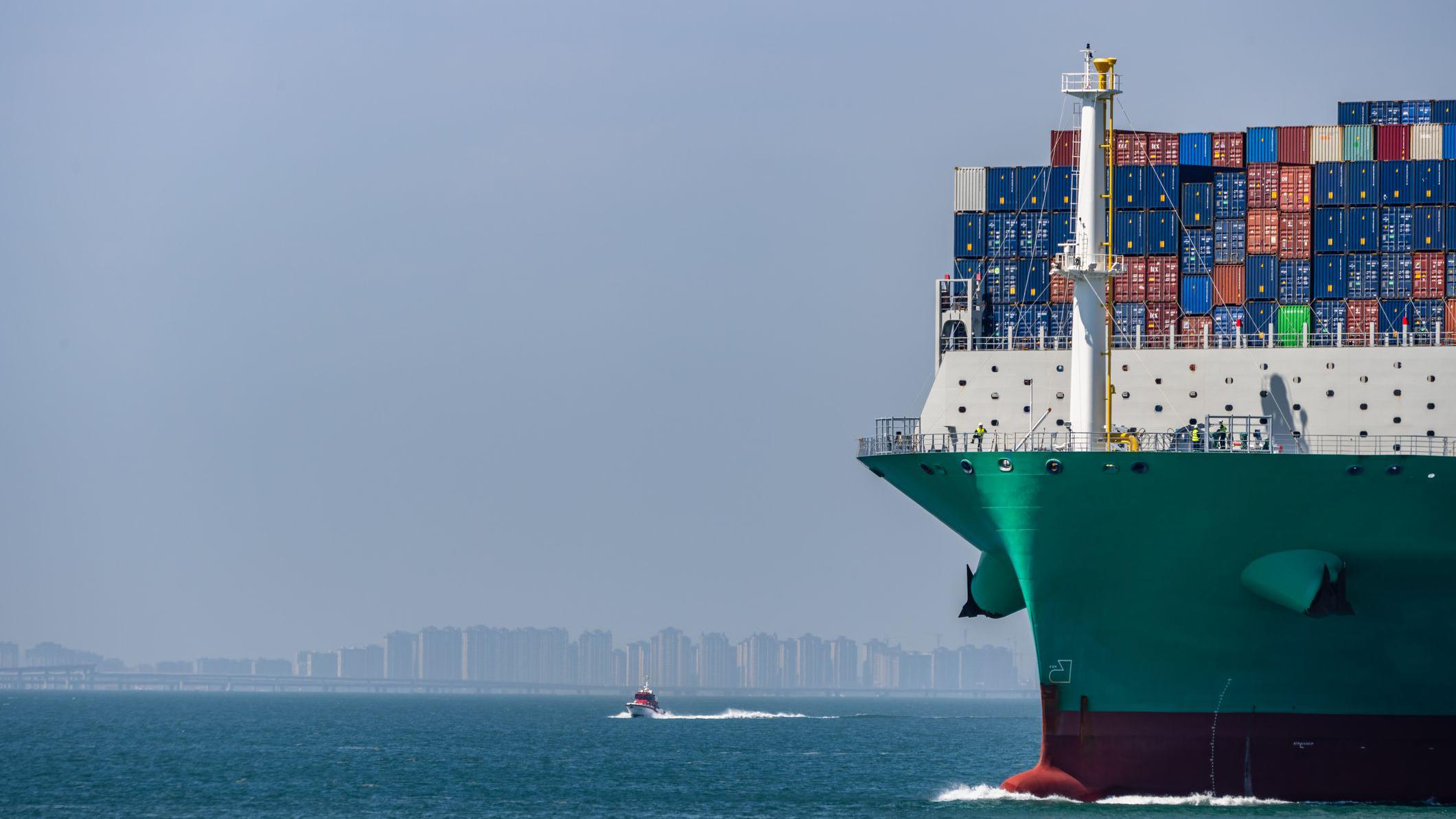
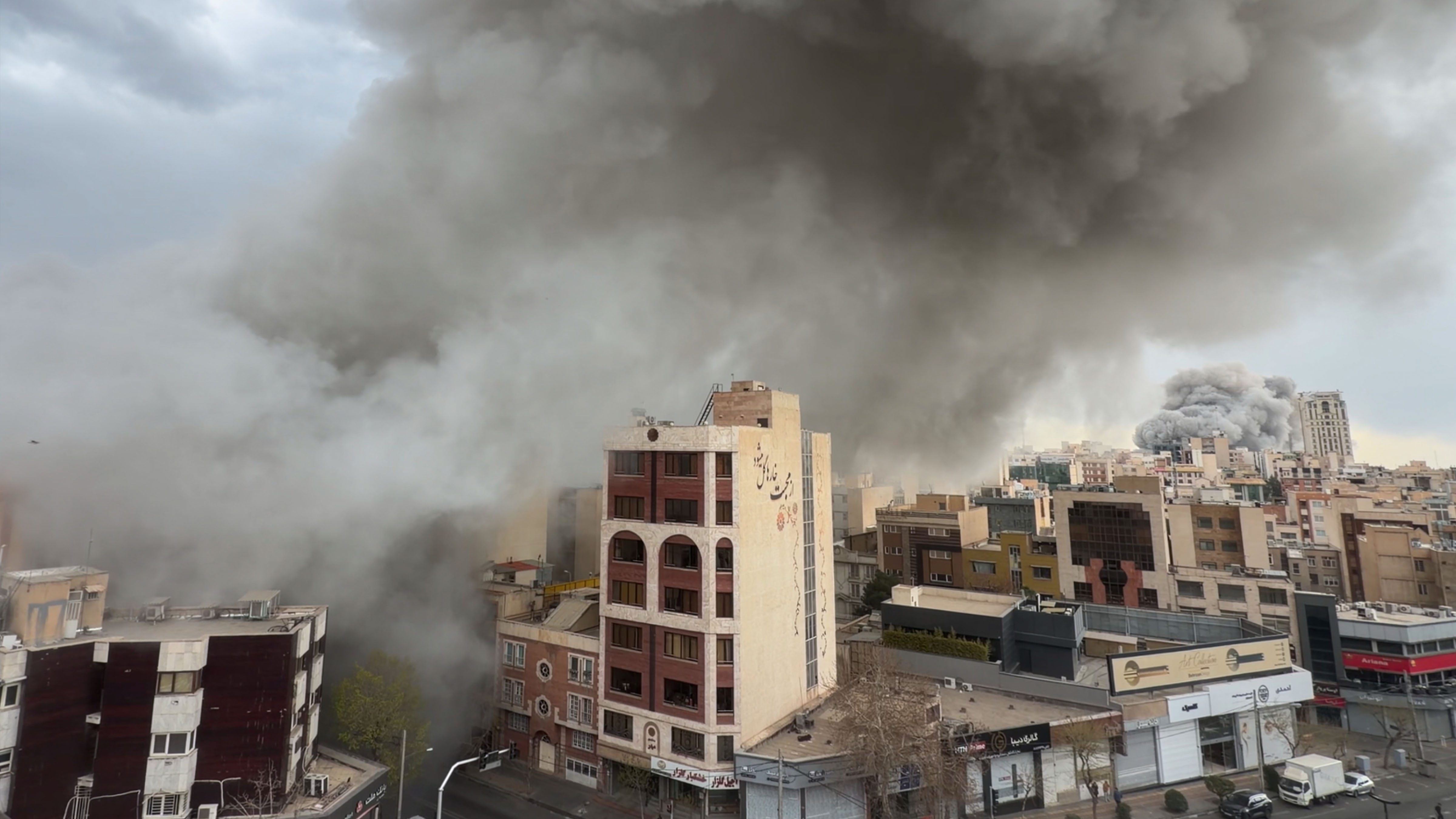
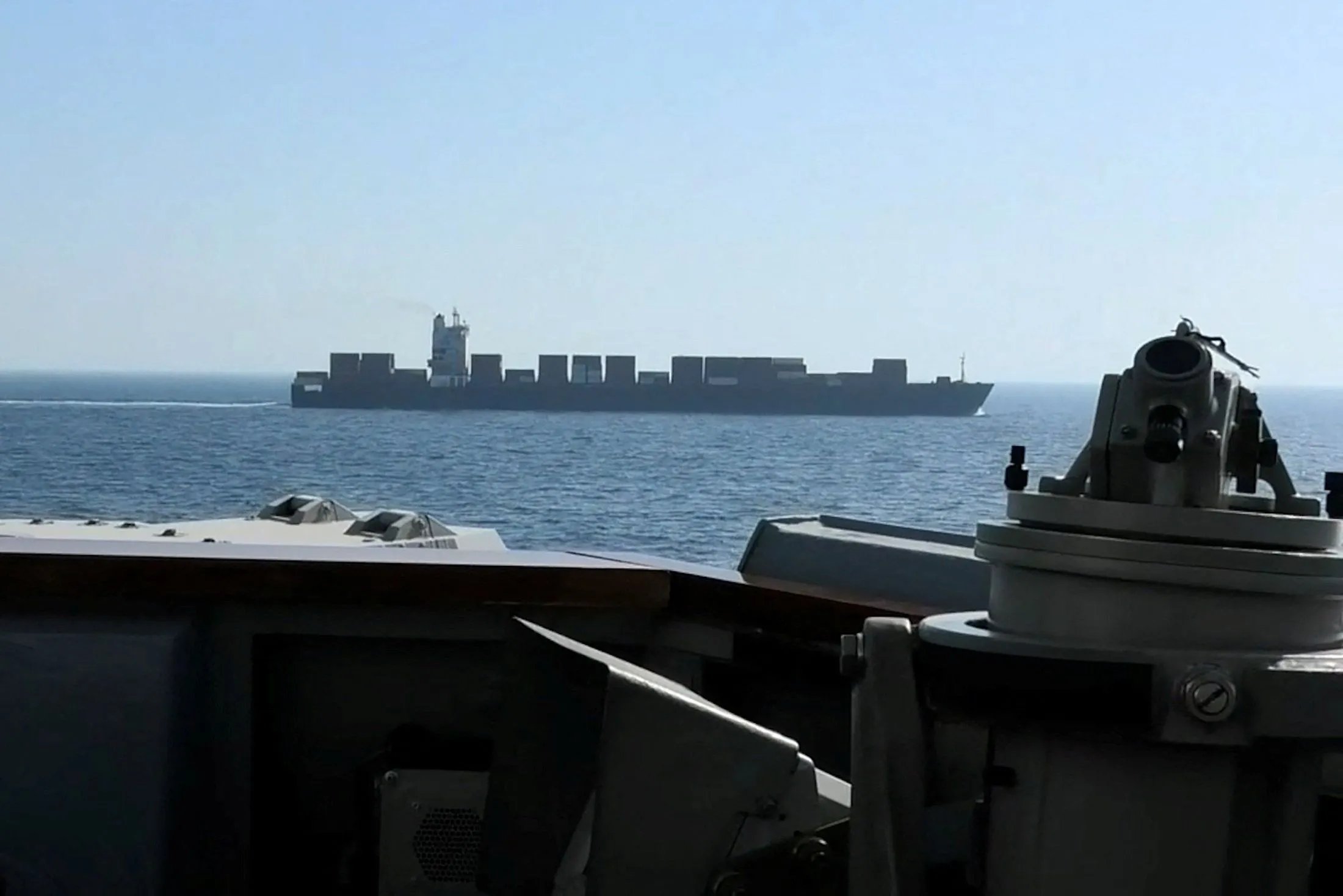
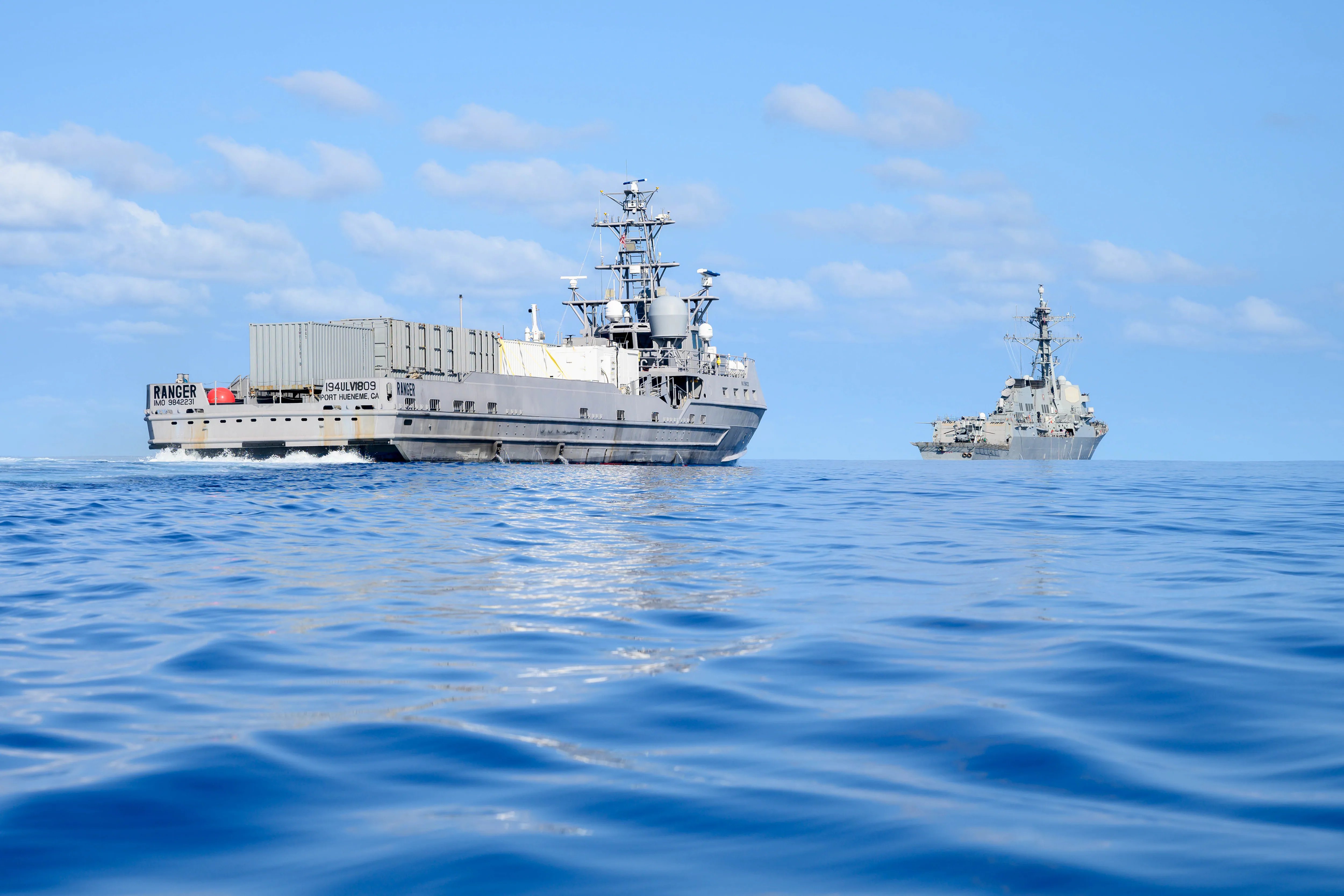
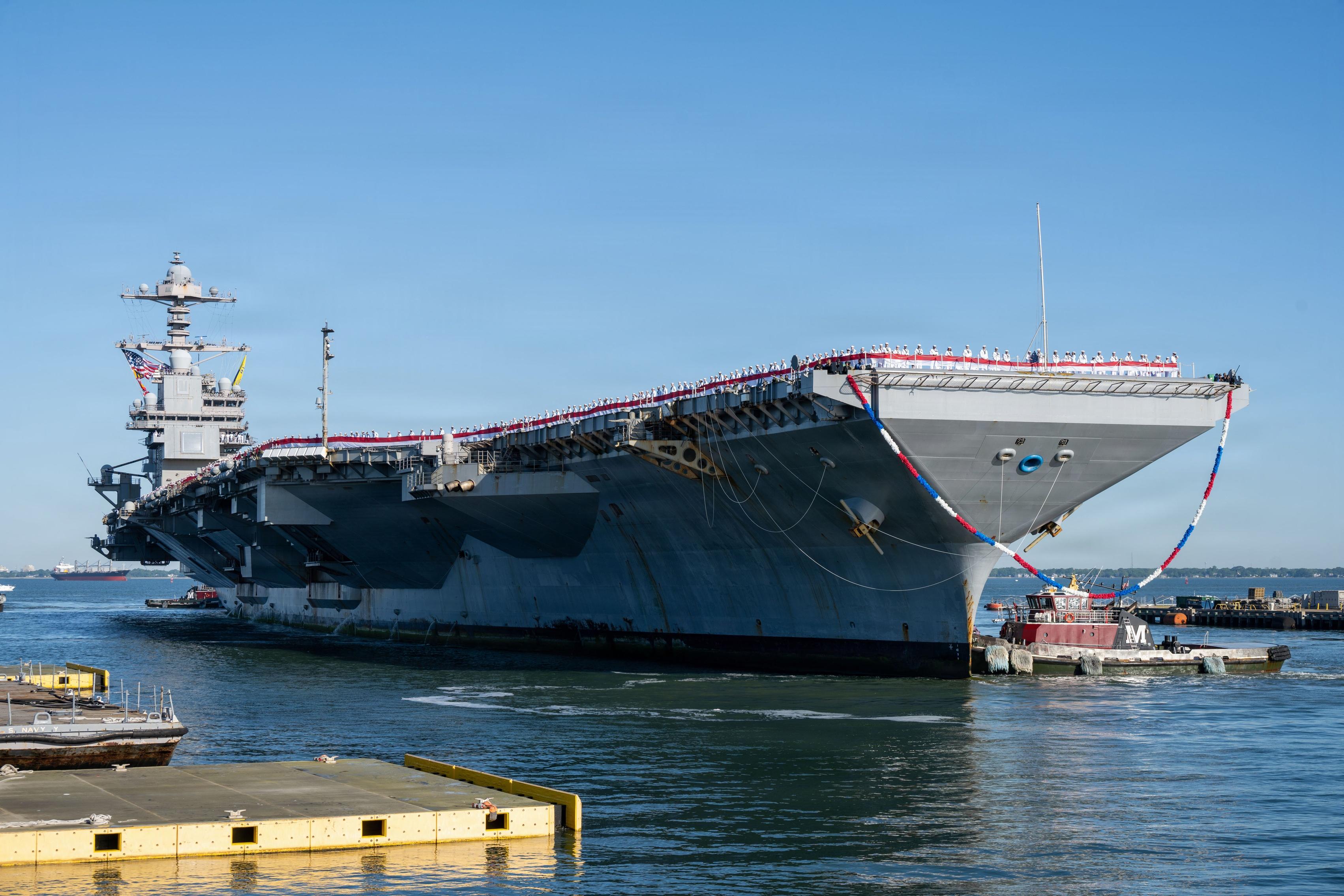
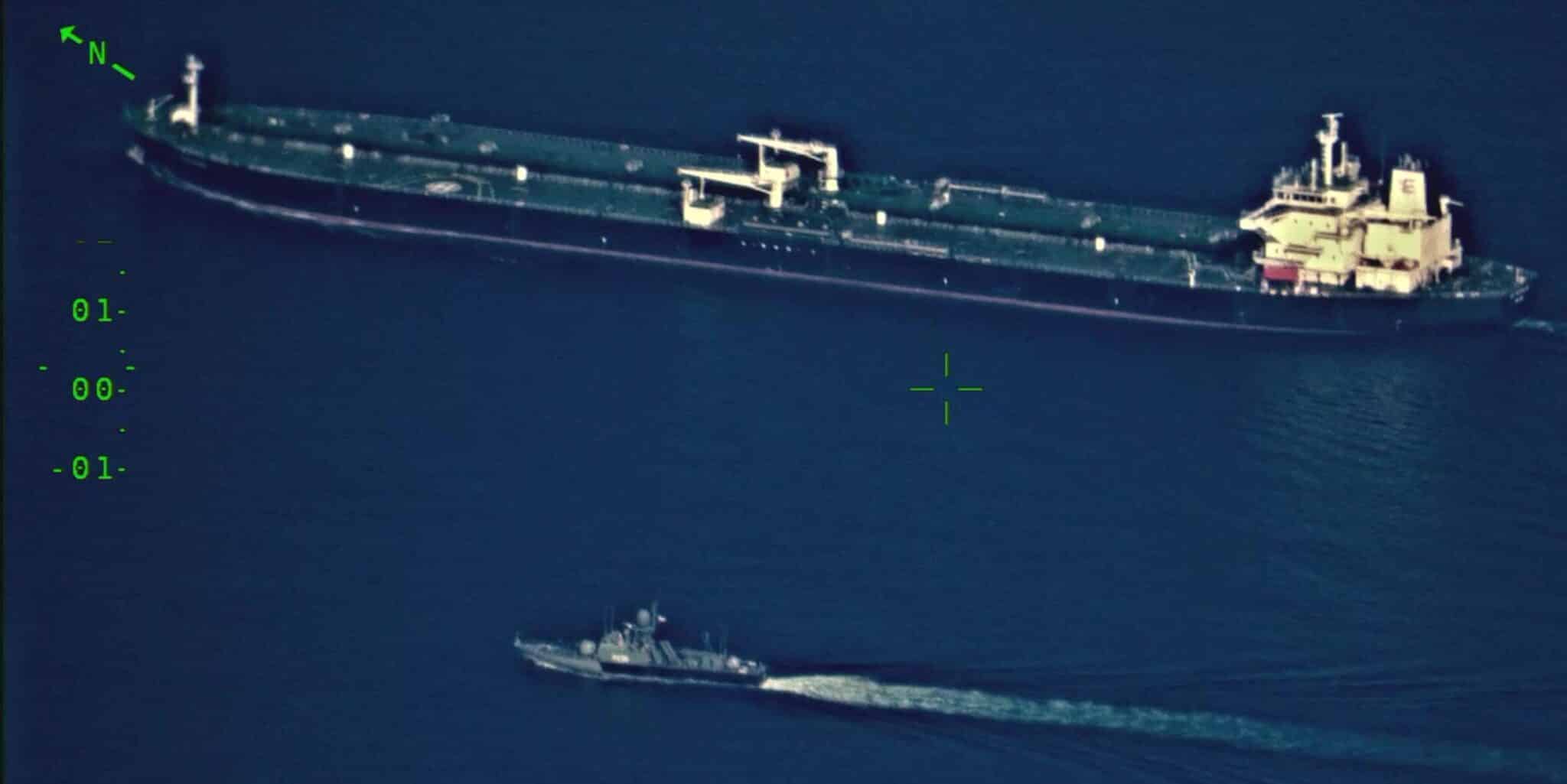
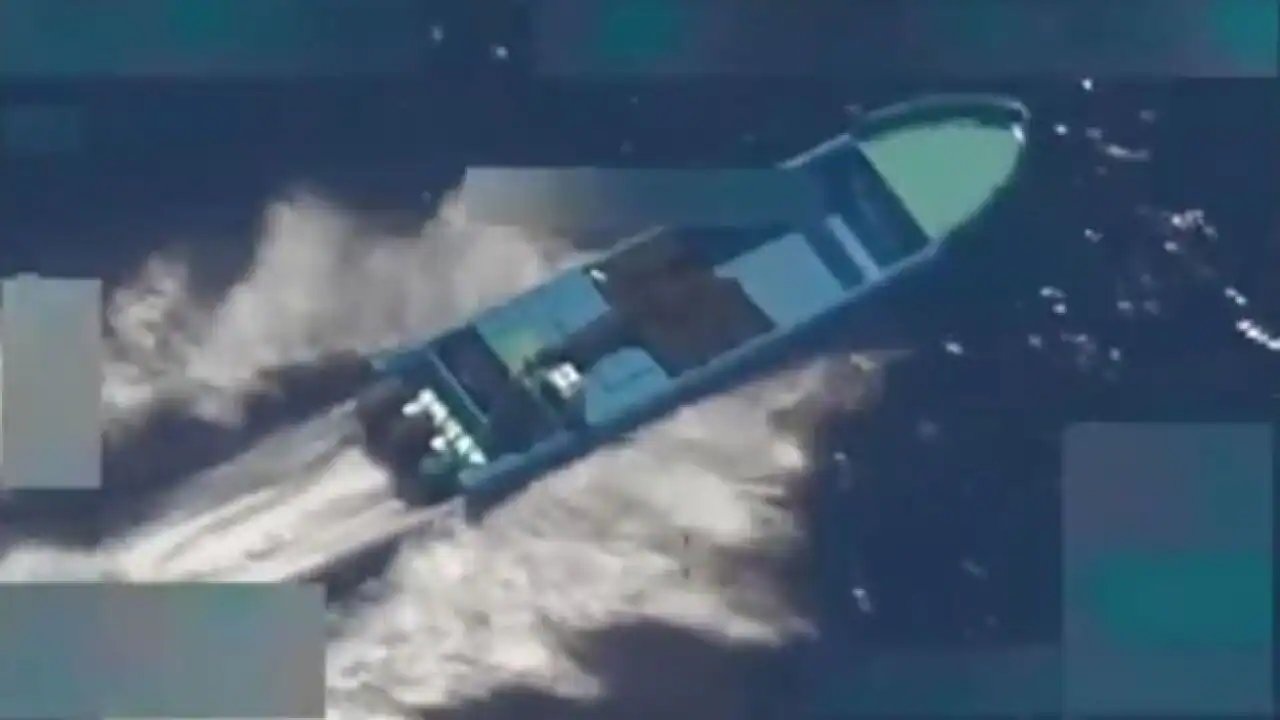
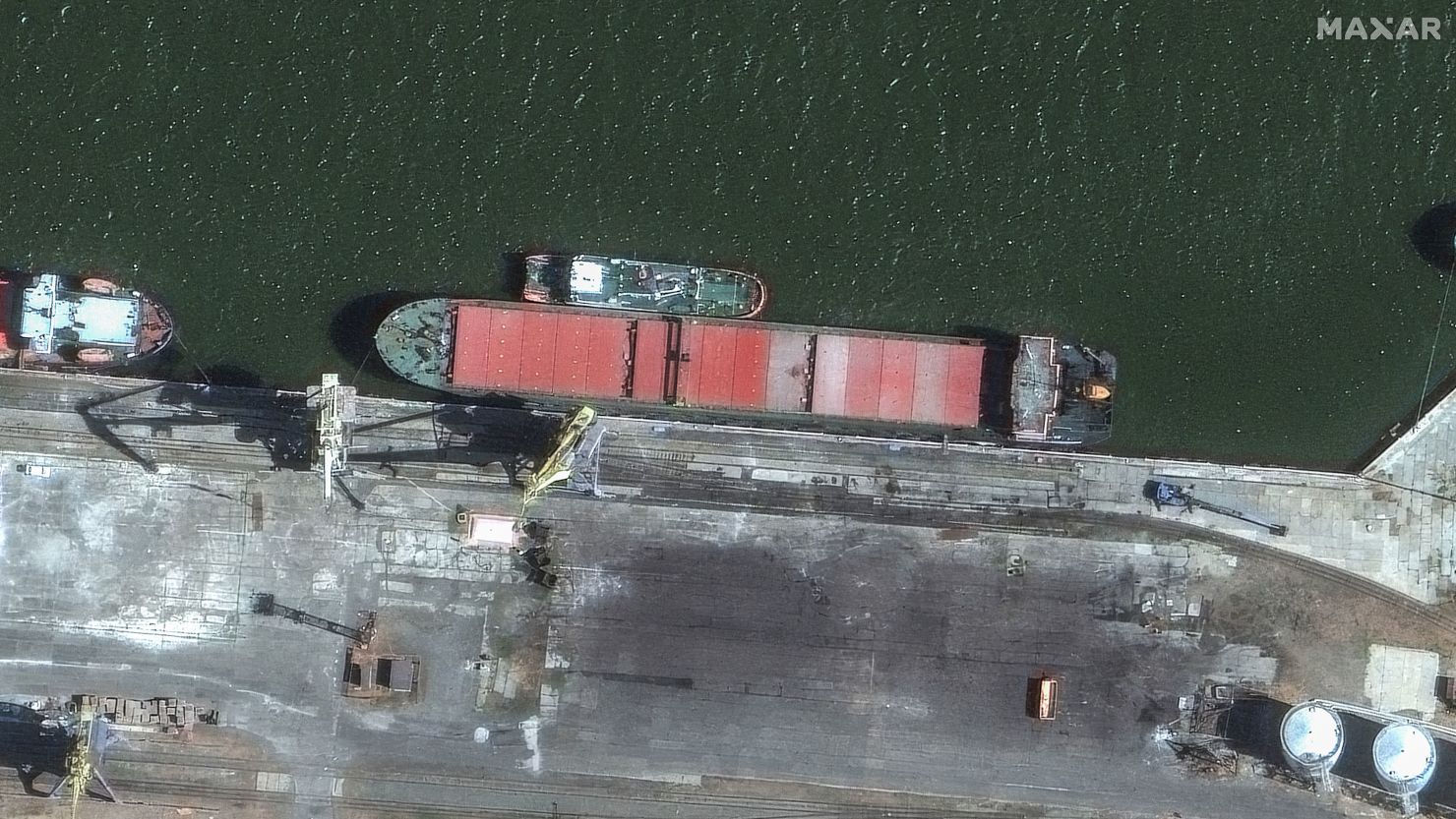
Since the onset of the conflict in February, the number of vessels traversing the Strait of Hormuz has plummeted, with only a handful making the journey each day. Prior to the conflict, approximately 3,000 ships passed through the strait monthly. U.S. Central Command reported that 45 commercial ships have been instructed to turn back since the U.S. enforced a naval blockade on April 13. This blockade has been part of a broader strategy to pressure Iran by targeting its revenue from tolls and oil sales.
Iran's Response and Revenue Claims
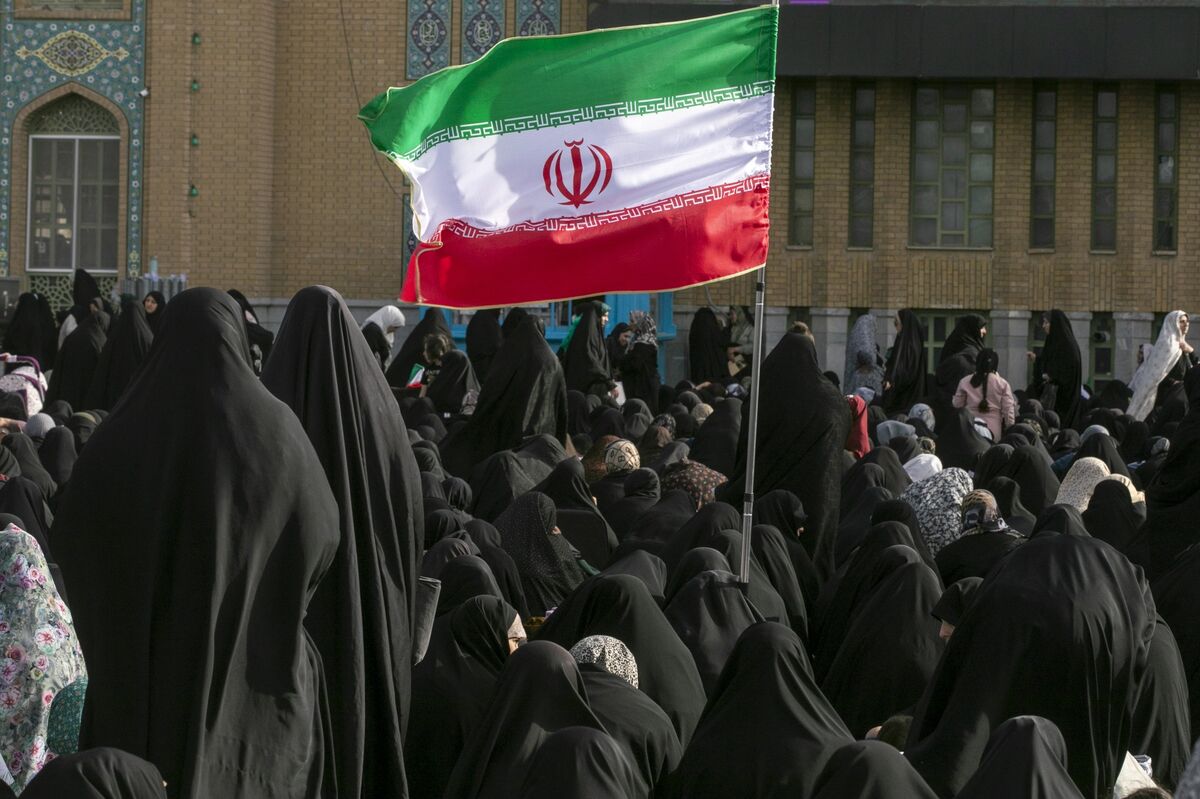
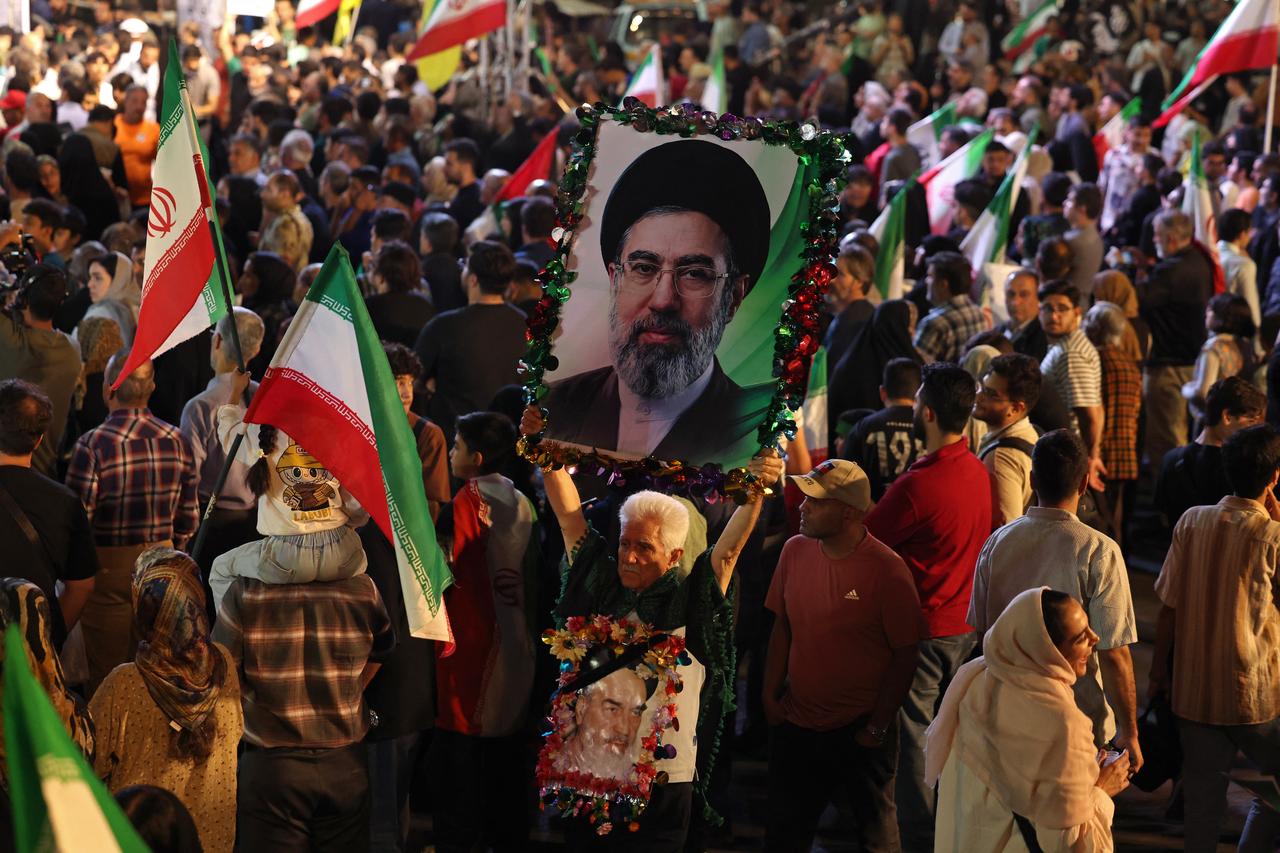
Iran has claimed it is collecting tolls from ships to navigate freely through the strait, with Hamidreza Haji Bababei, deputy speaker of Iran's Parliament, stating that the first toll revenue was deposited with the Central Bank. However, details regarding the toll amount or collection methods remain unspecified, and independent verification of these claims is not available. Iran's government has criticized U.S. actions as tantamount to "piracy," particularly following the U.S. and Israeli attacks that have restricted Iranian maritime activities.
Humanitarian Concerns Arise
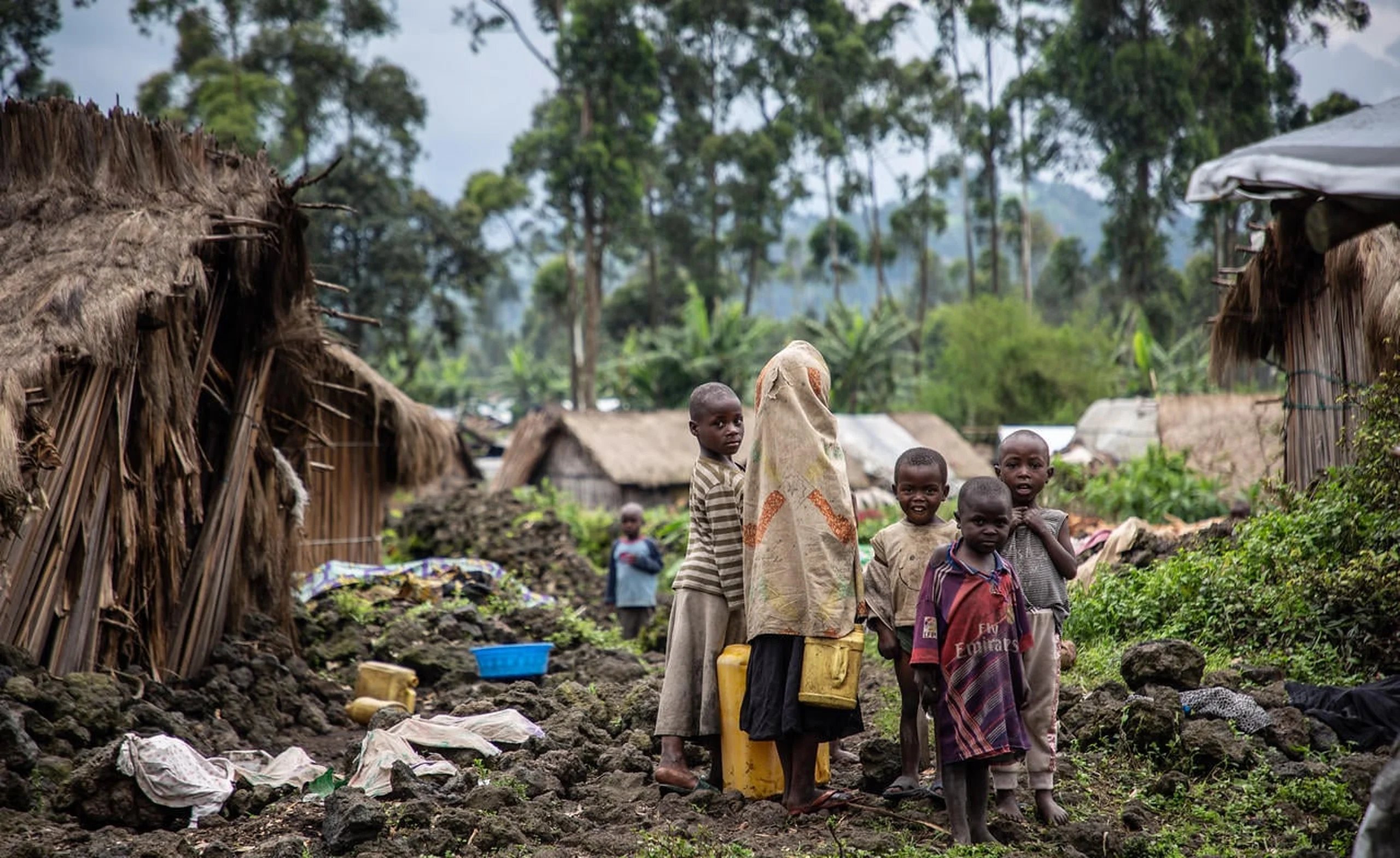
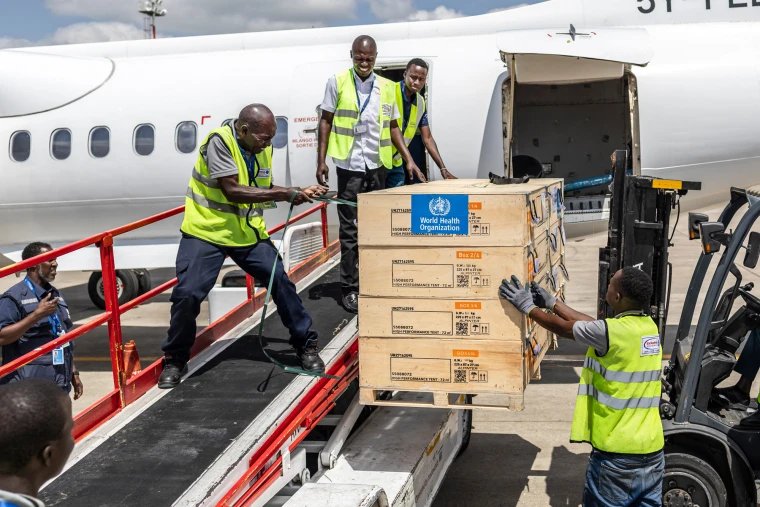
The closure of key maritime routes has raised alarms about increasing costs and delays in the delivery of humanitarian aid. The UN refugee agency reported that the cost of delivering aid to war-torn Sudan has doubled, as rerouting shipments around the Cape of Good Hope can add up to 25 days to delivery times. The agency warned that continued instability in the Middle East could further constrain humanitarian operations, disproportionately affecting refugees and displaced individuals reliant on timely aid.
Broader Economic Implications
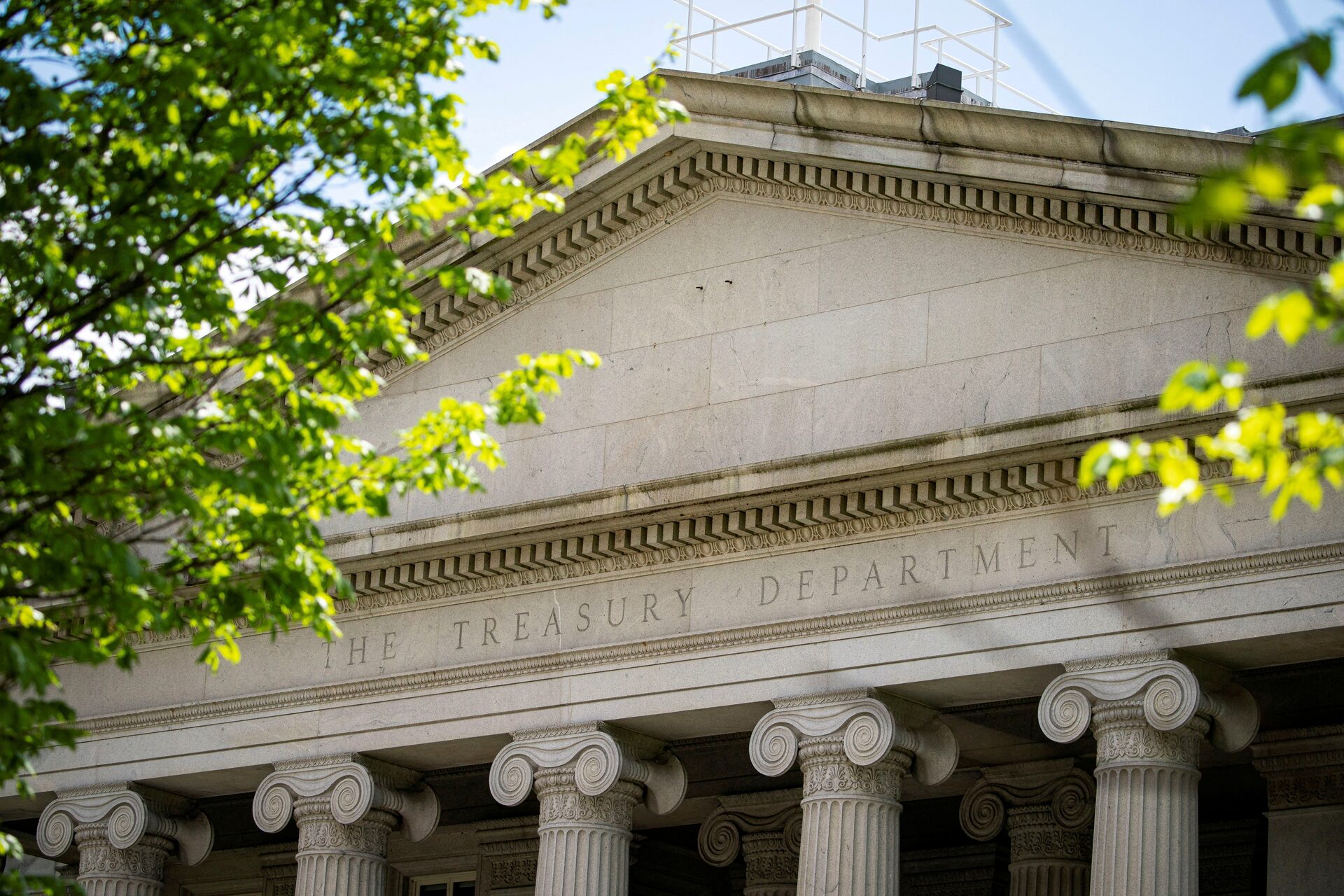
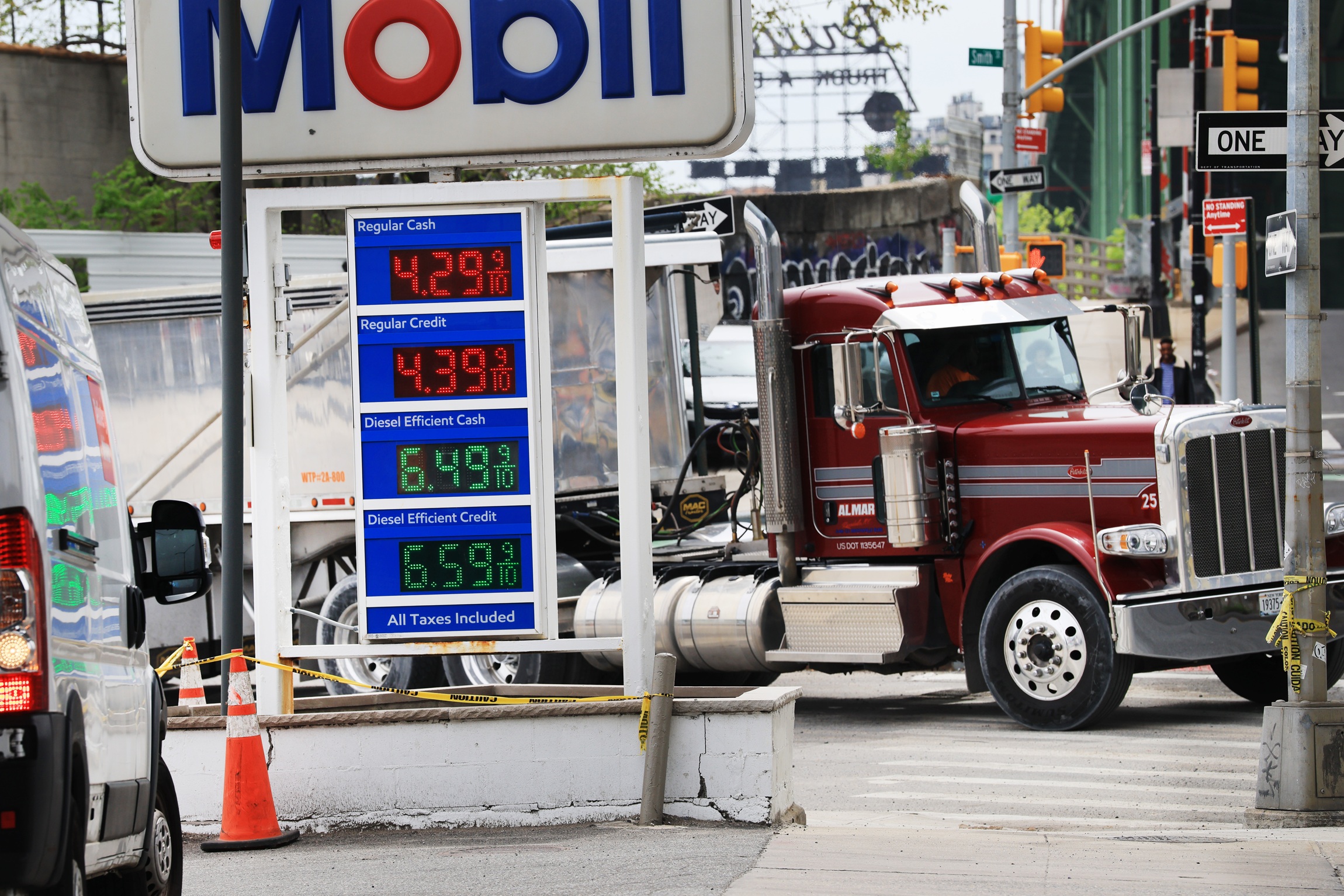
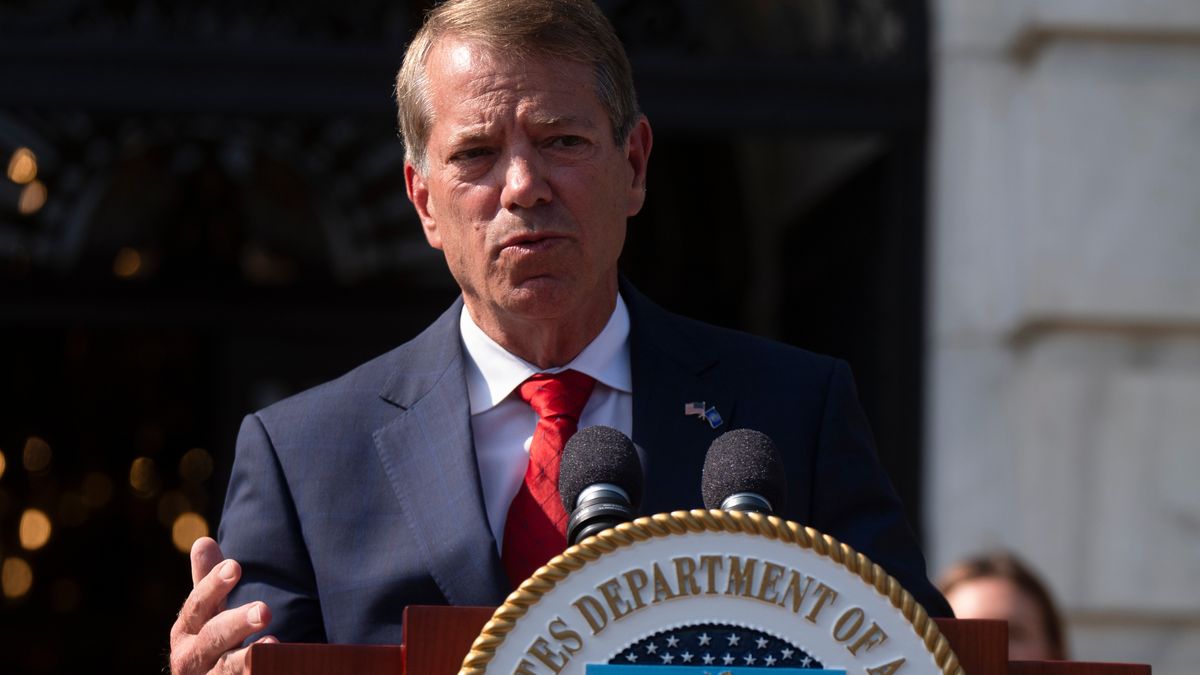
The U.S. sanctions not only target Iranian shipping but also affect global trade dynamics. Treasury Secretary Scott Bessent stated that the agency would "relentlessly target the regime's ability to generate, move and repatriate funds." As shipping firms weigh the risks of compliance with U.S. sanctions against the need for safe passage, economic repercussions may extend beyond the immediate region, impacting global supply chains and prices for goods.
China’s Stance on U.S. Sanctions
In a contrasting approach, China has instructed its companies to ignore U.S. sanctions on five domestic refiners linked to the Iranian oil trade. This directive underscores the complexities of international relations and the potential for geopolitical tensions to shape global trade practices. As nations navigate these sanctions, shipping firms may find themselves caught in the crossfire between U.S. policies and the interests of other countries.
Political Tensions and Future Negotiations
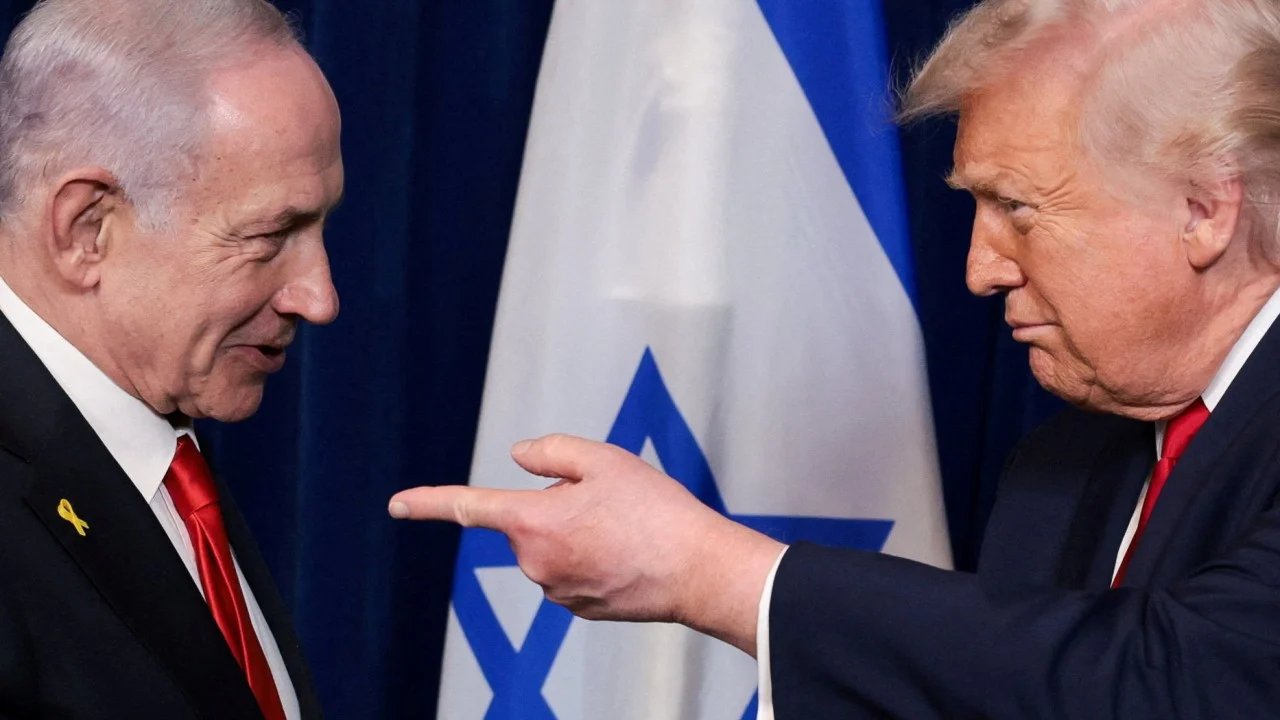
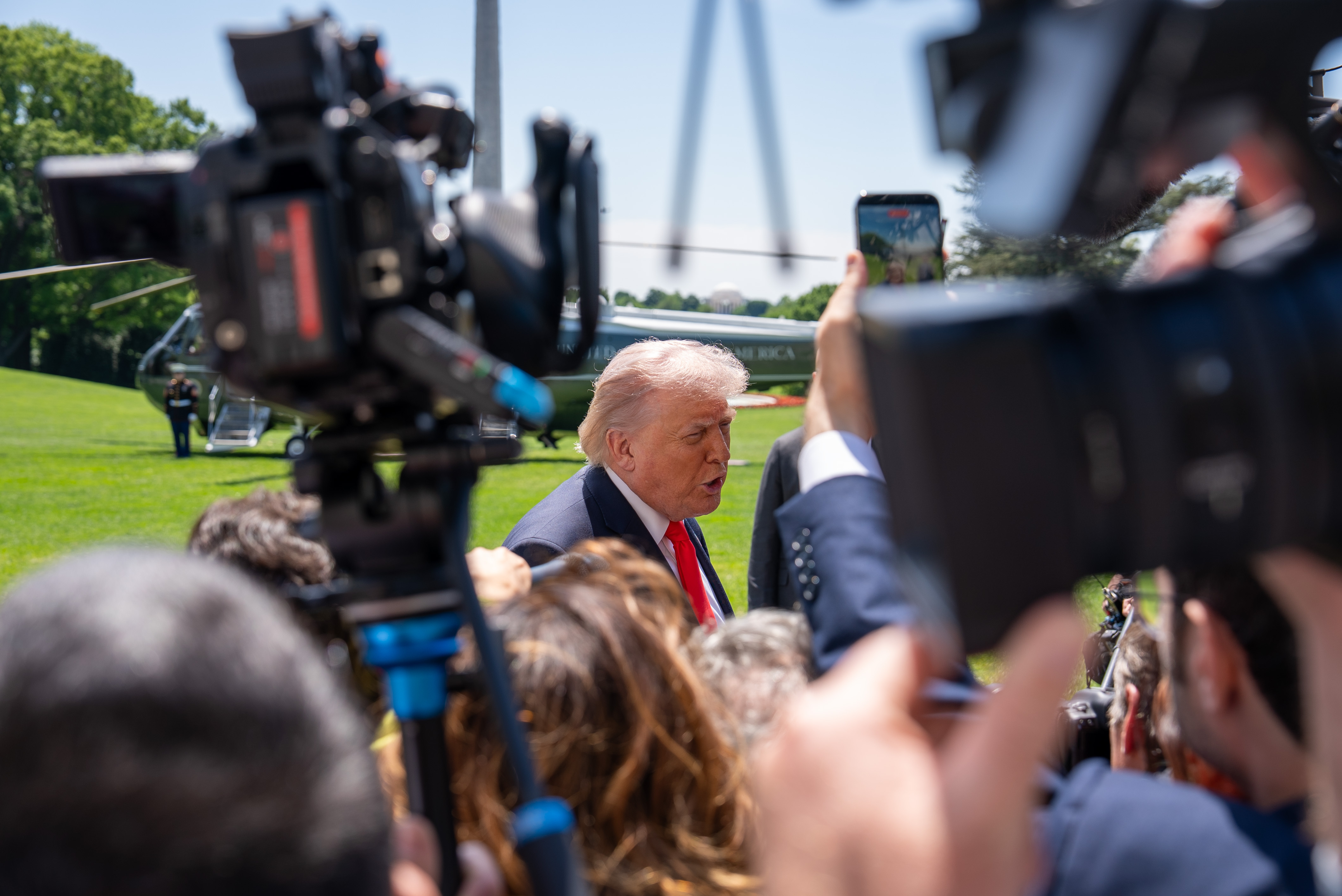
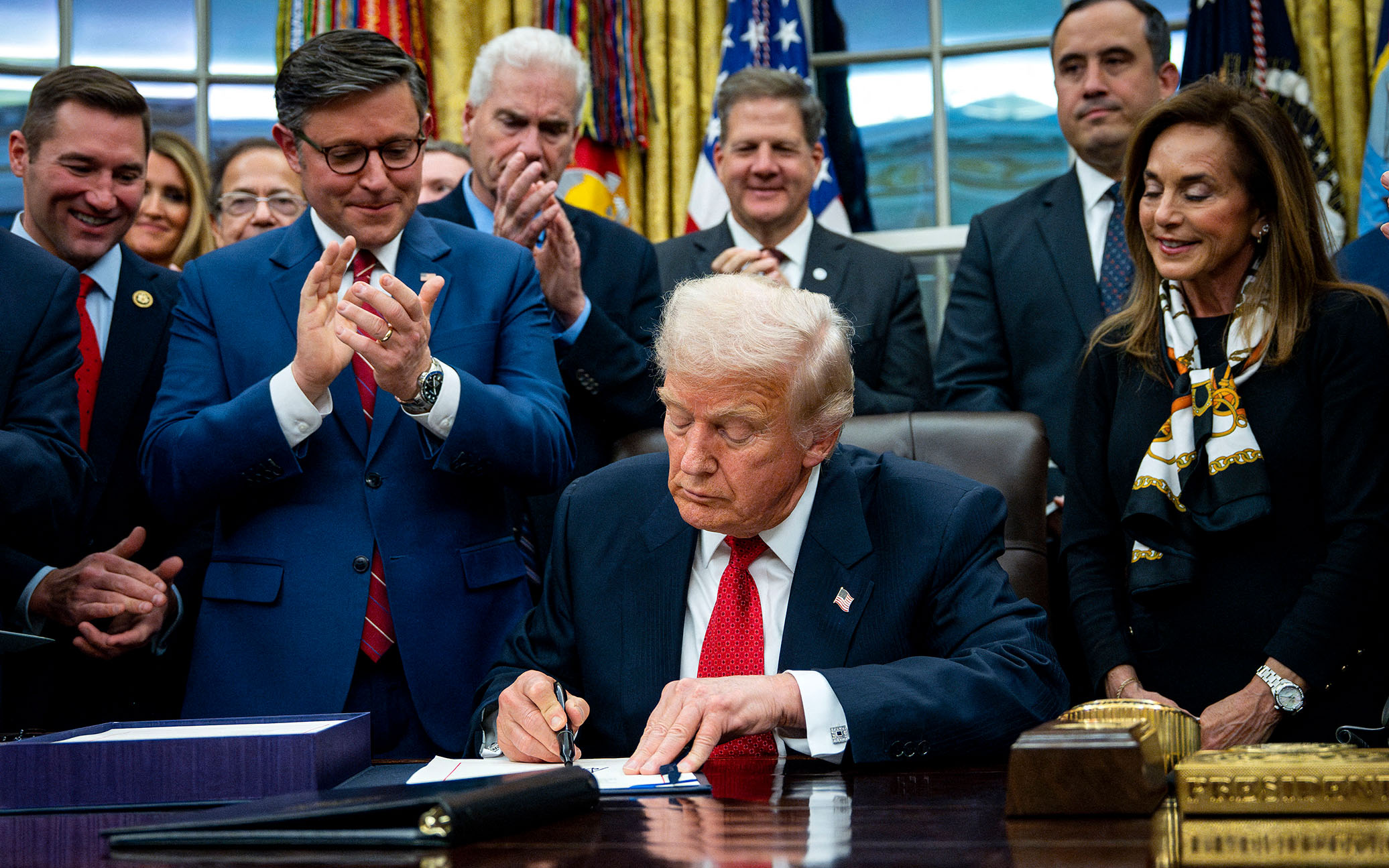
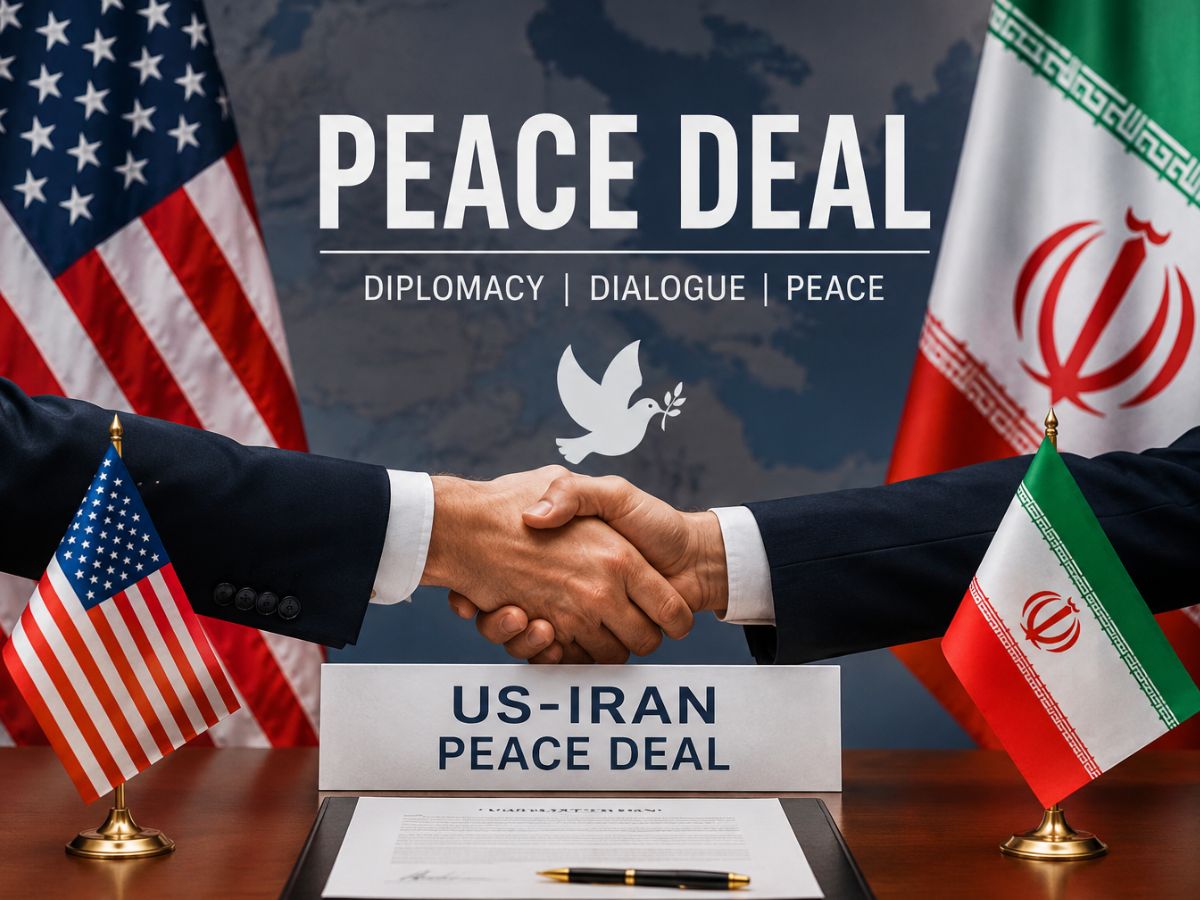
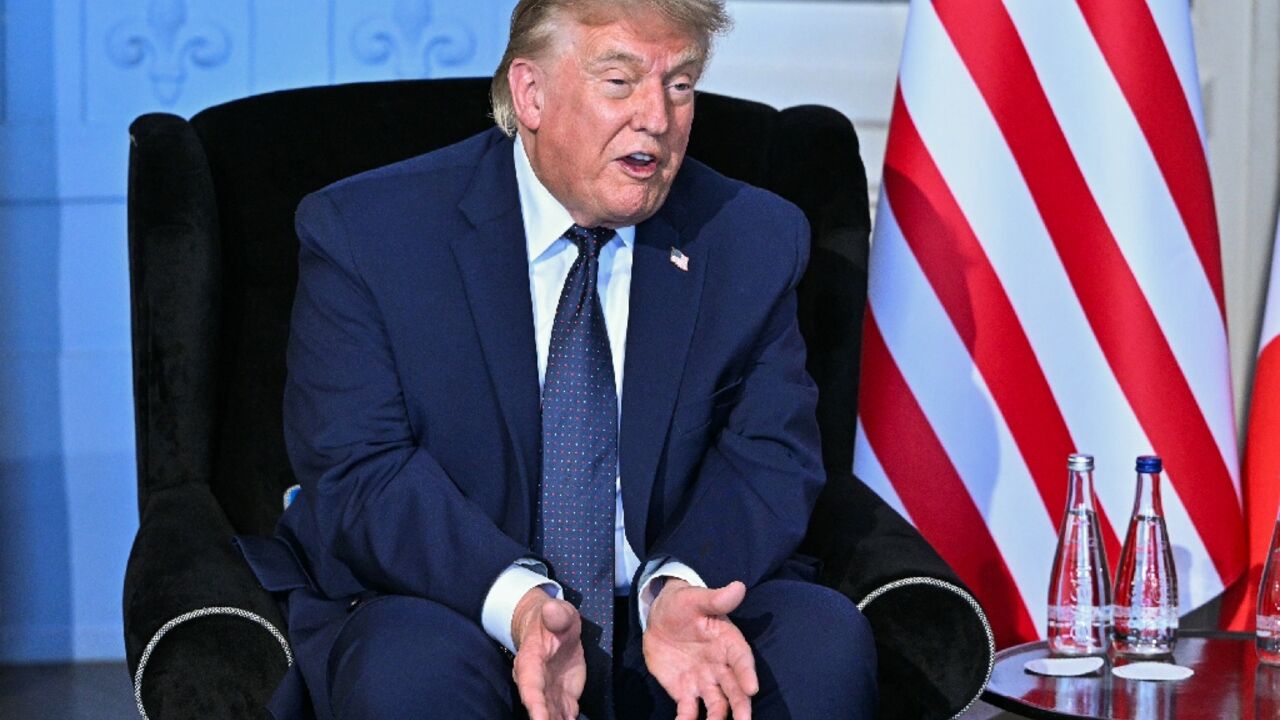
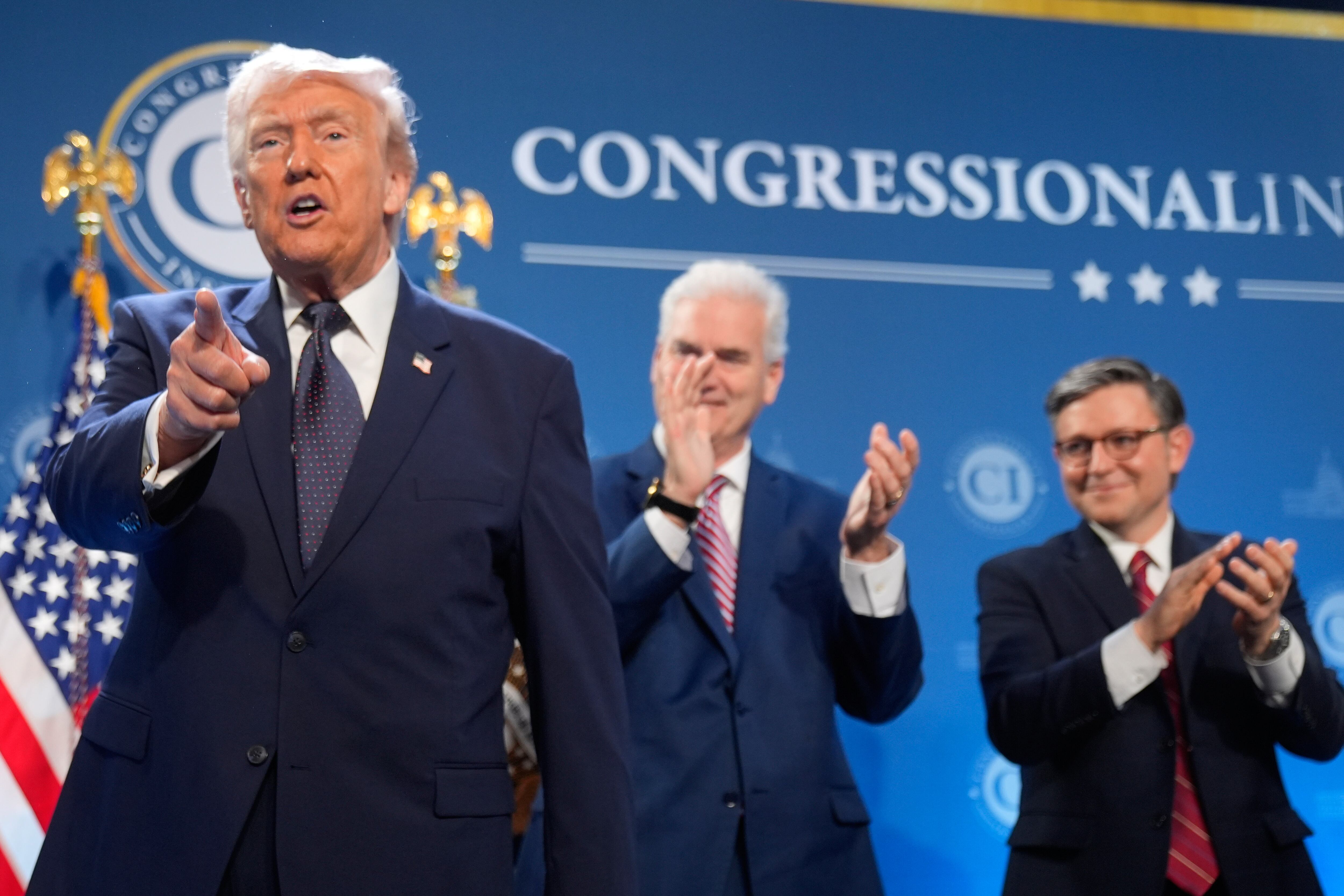
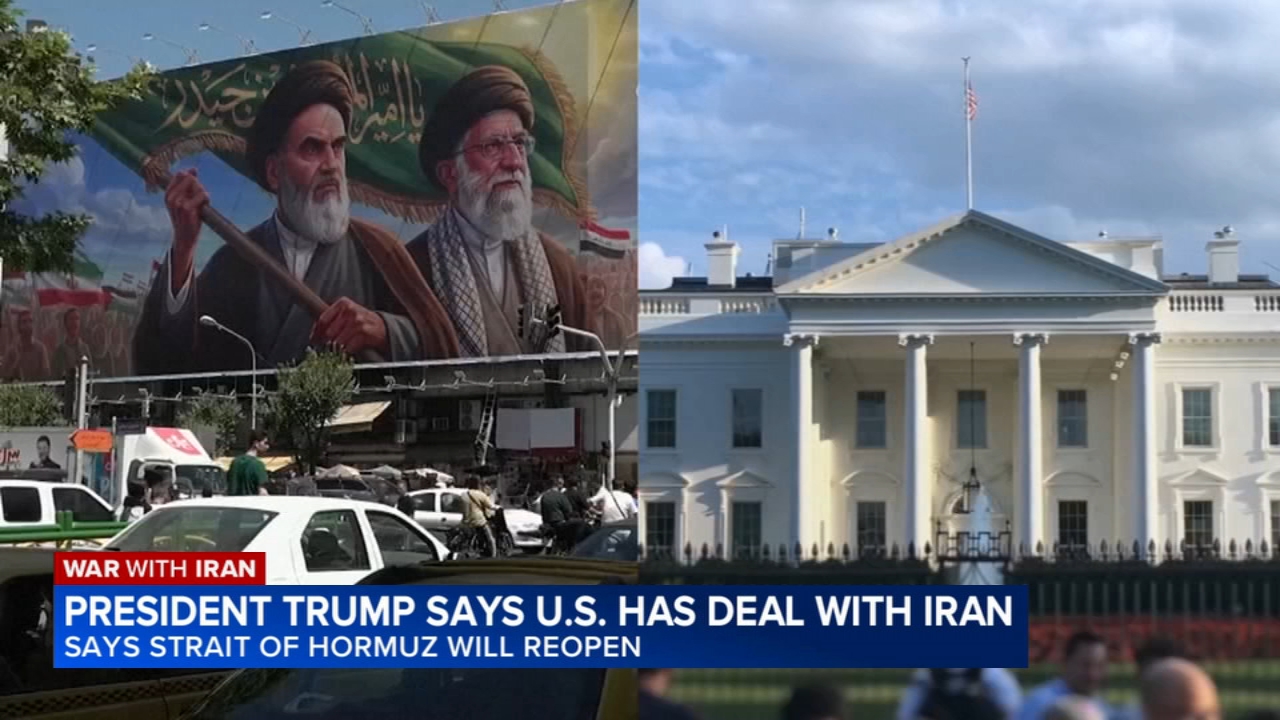
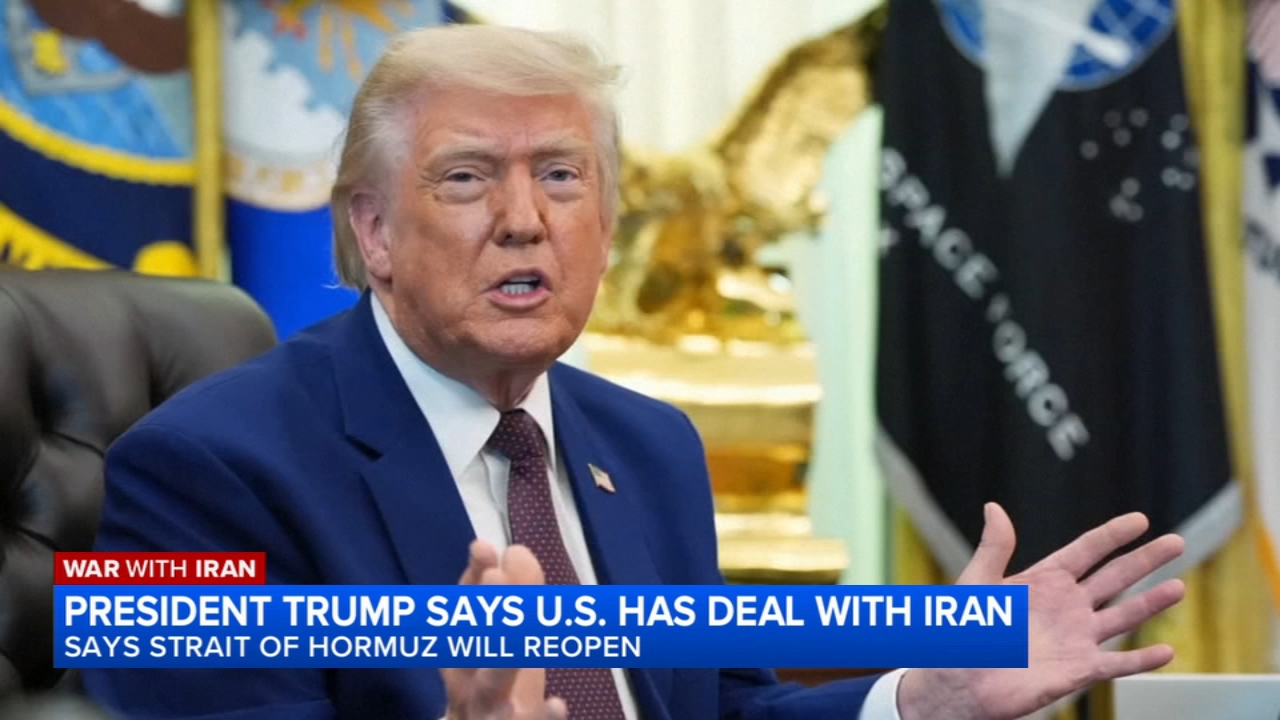
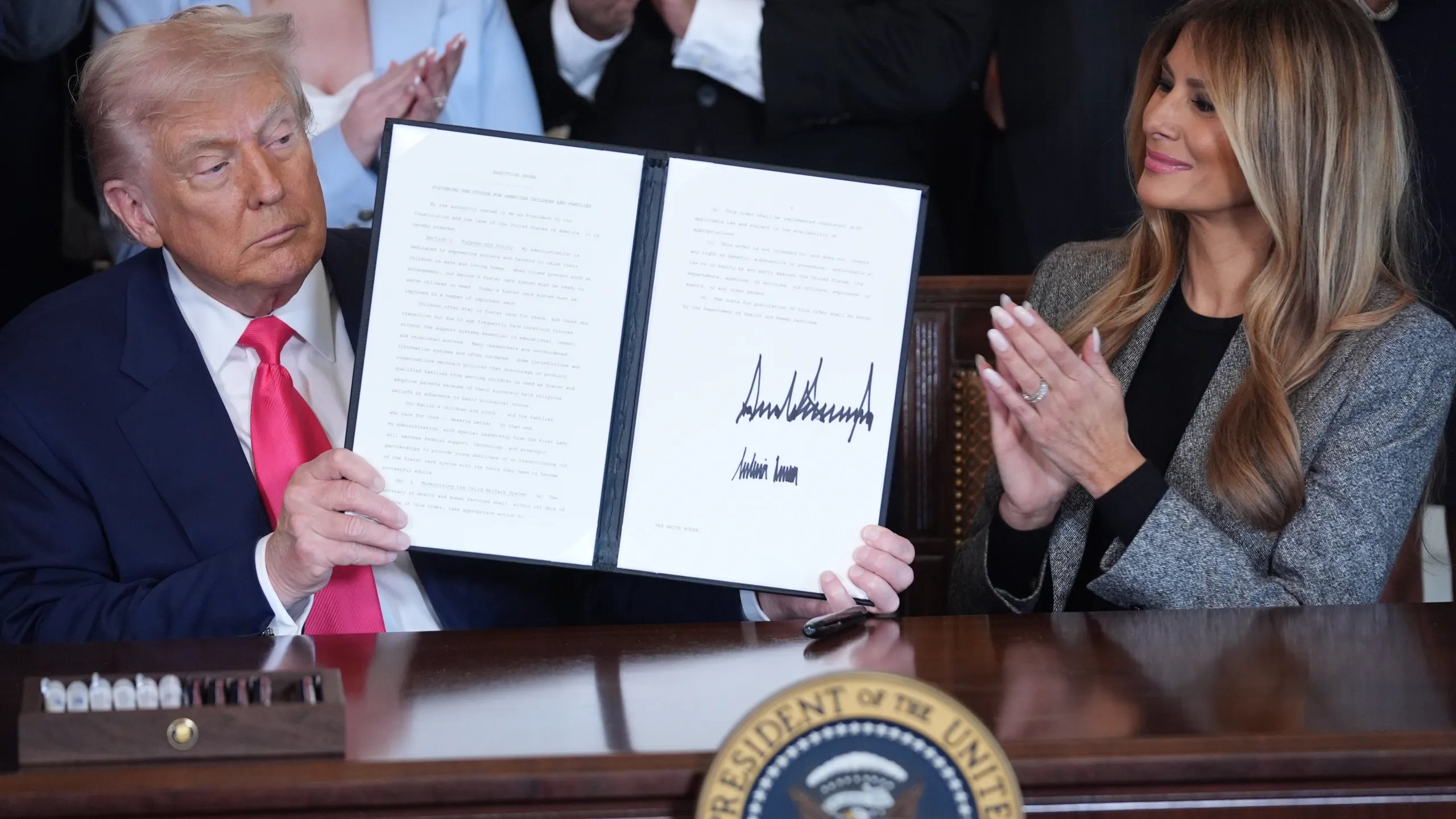
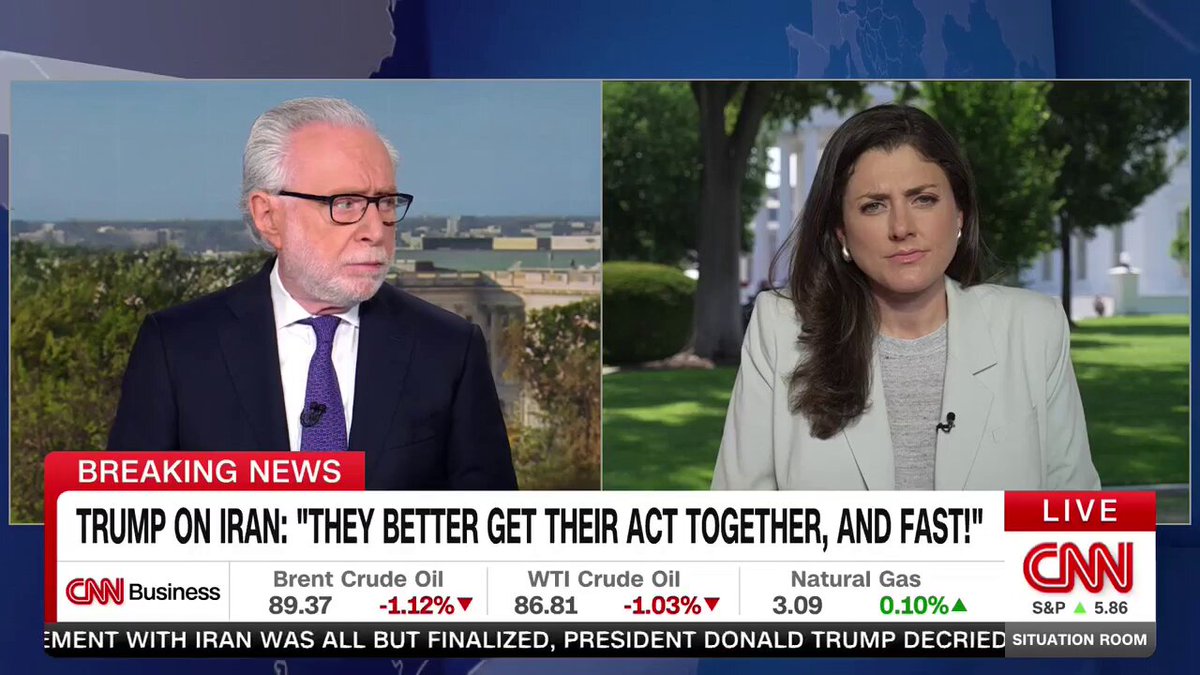
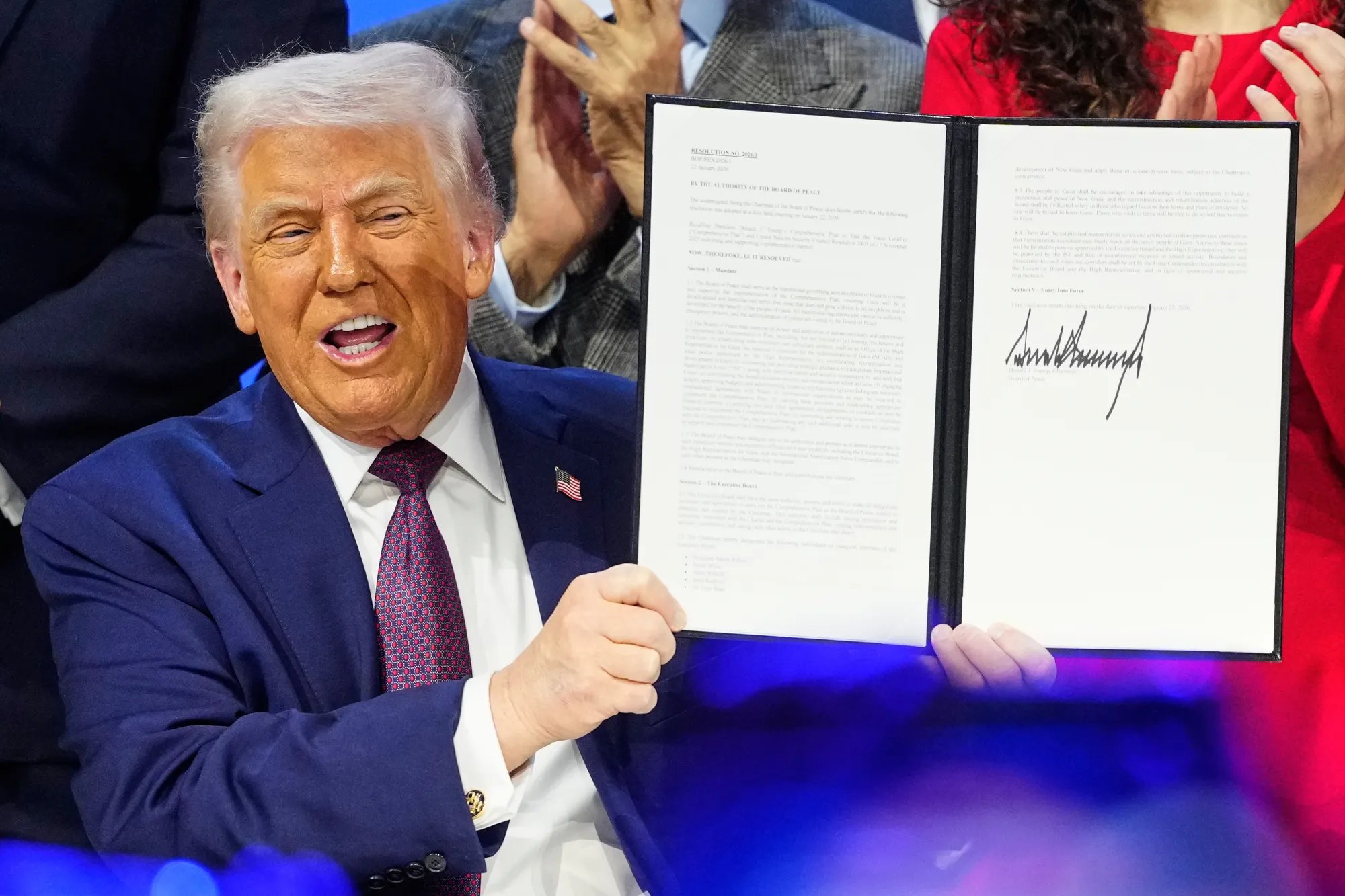
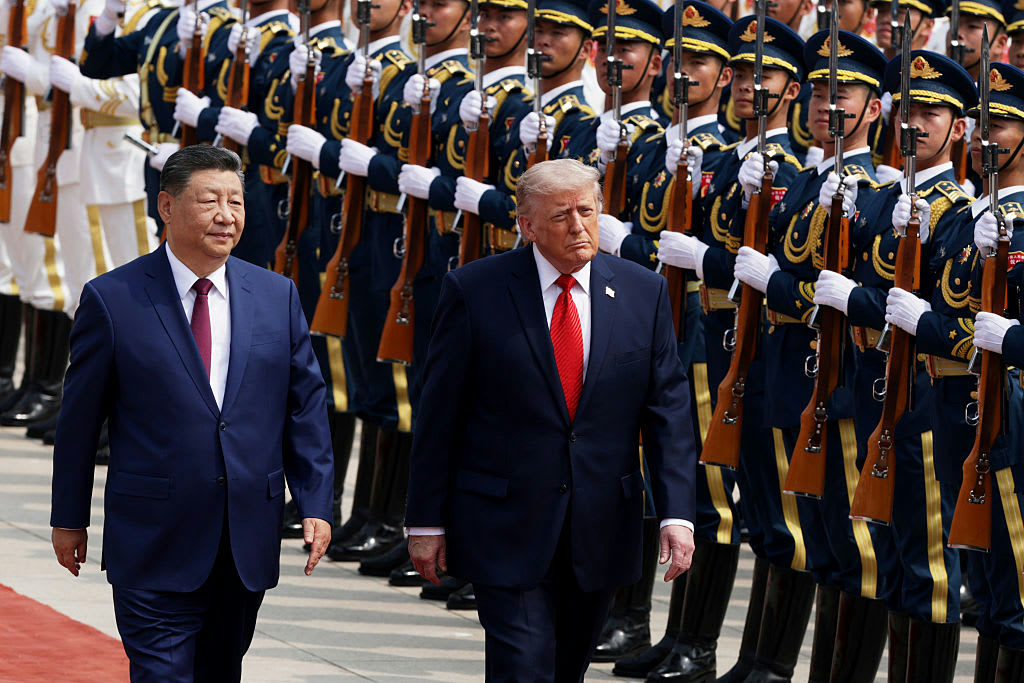
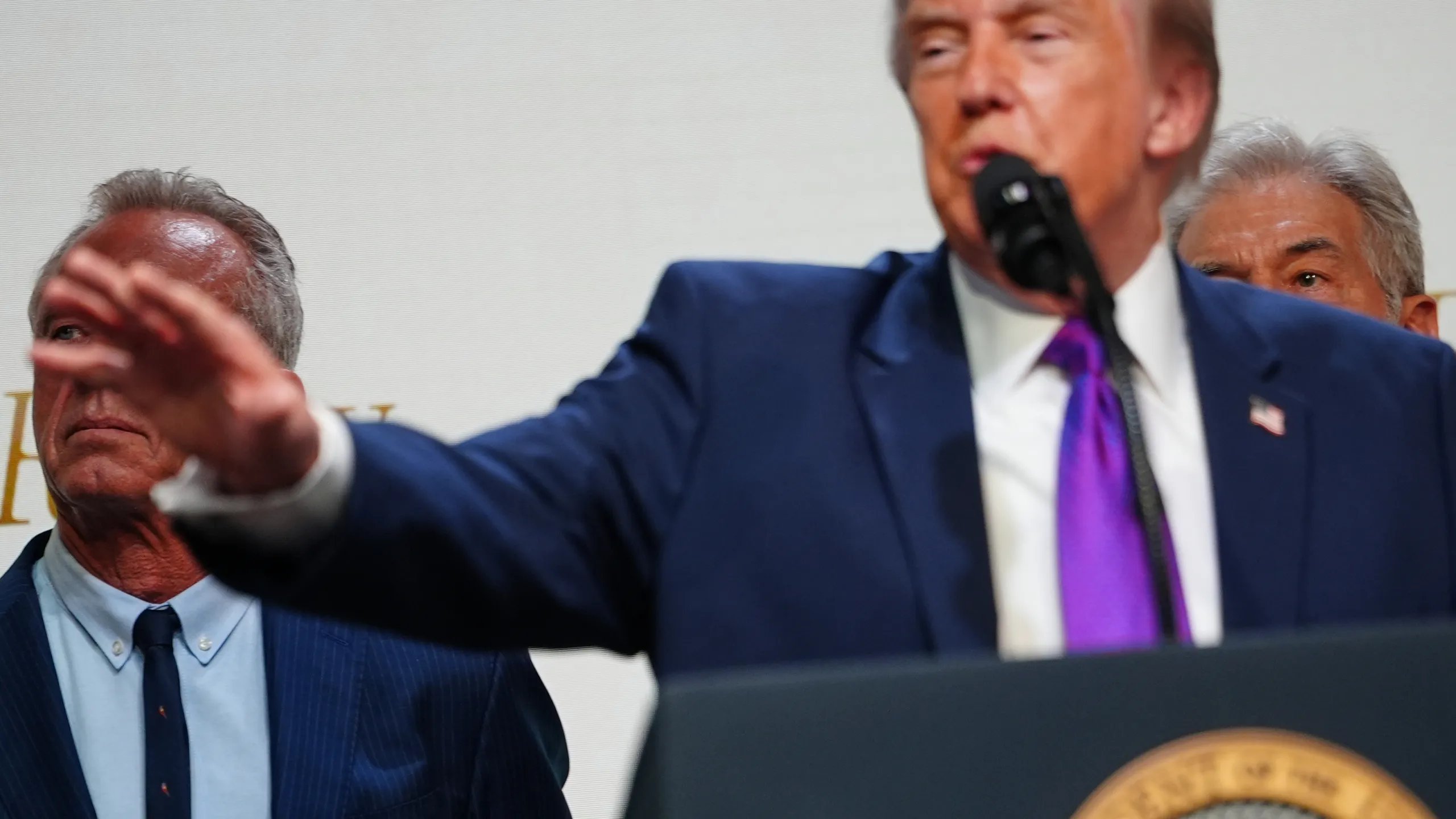
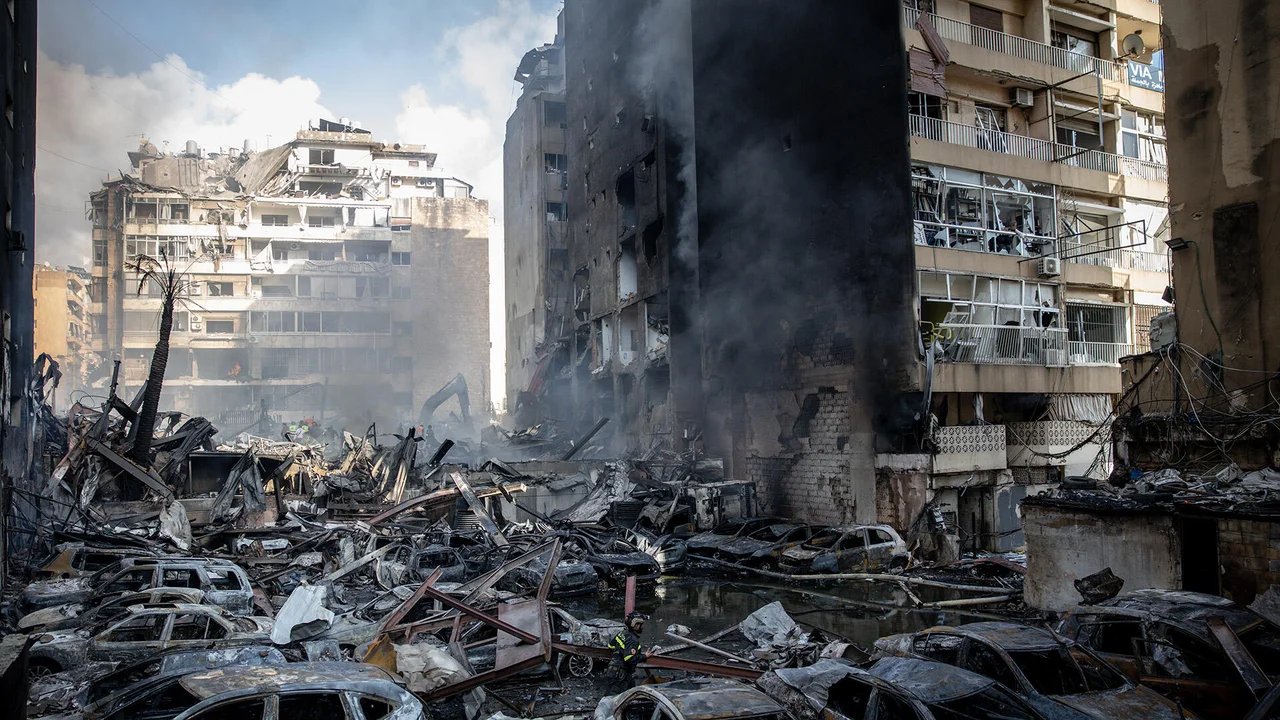
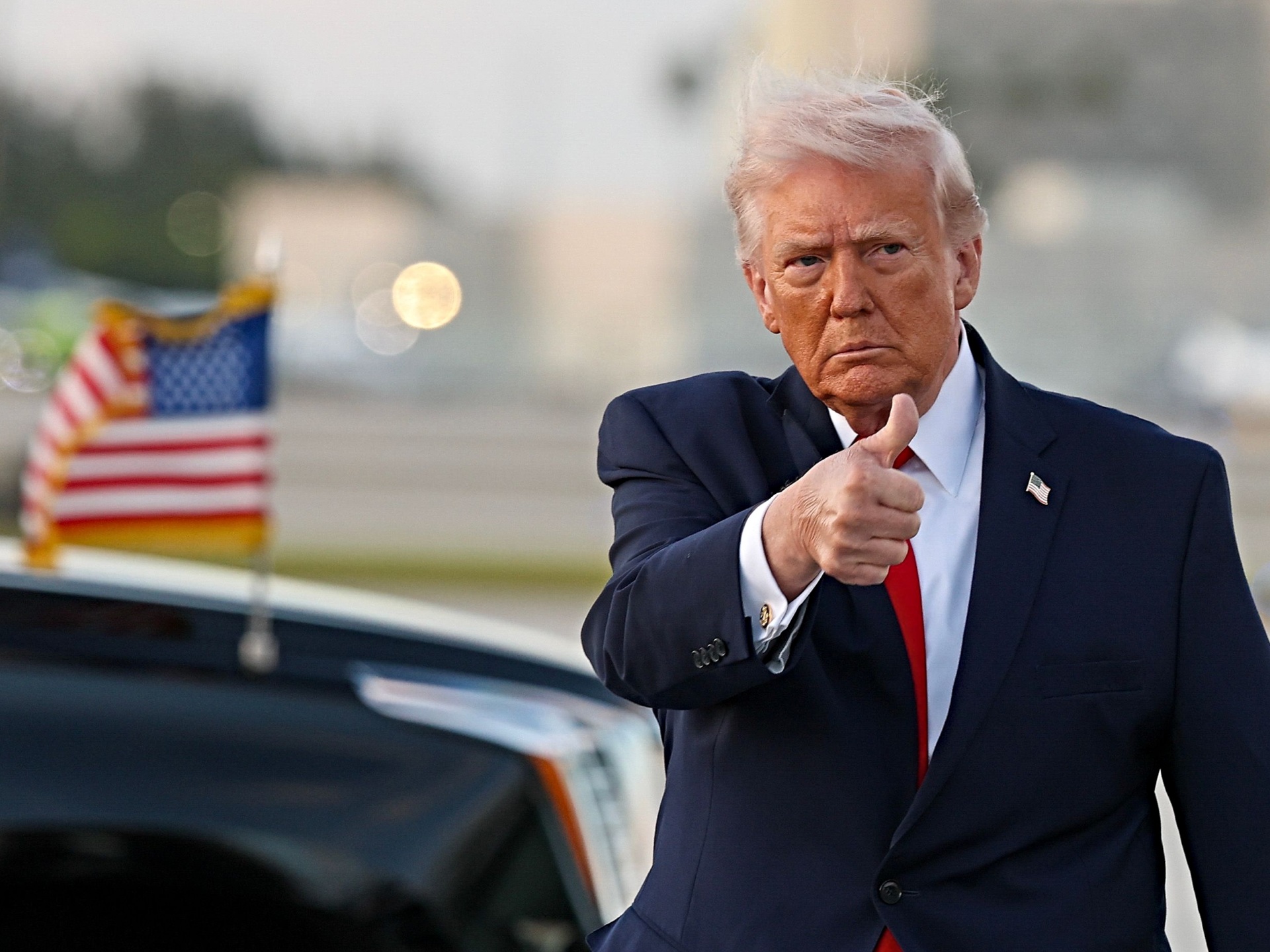
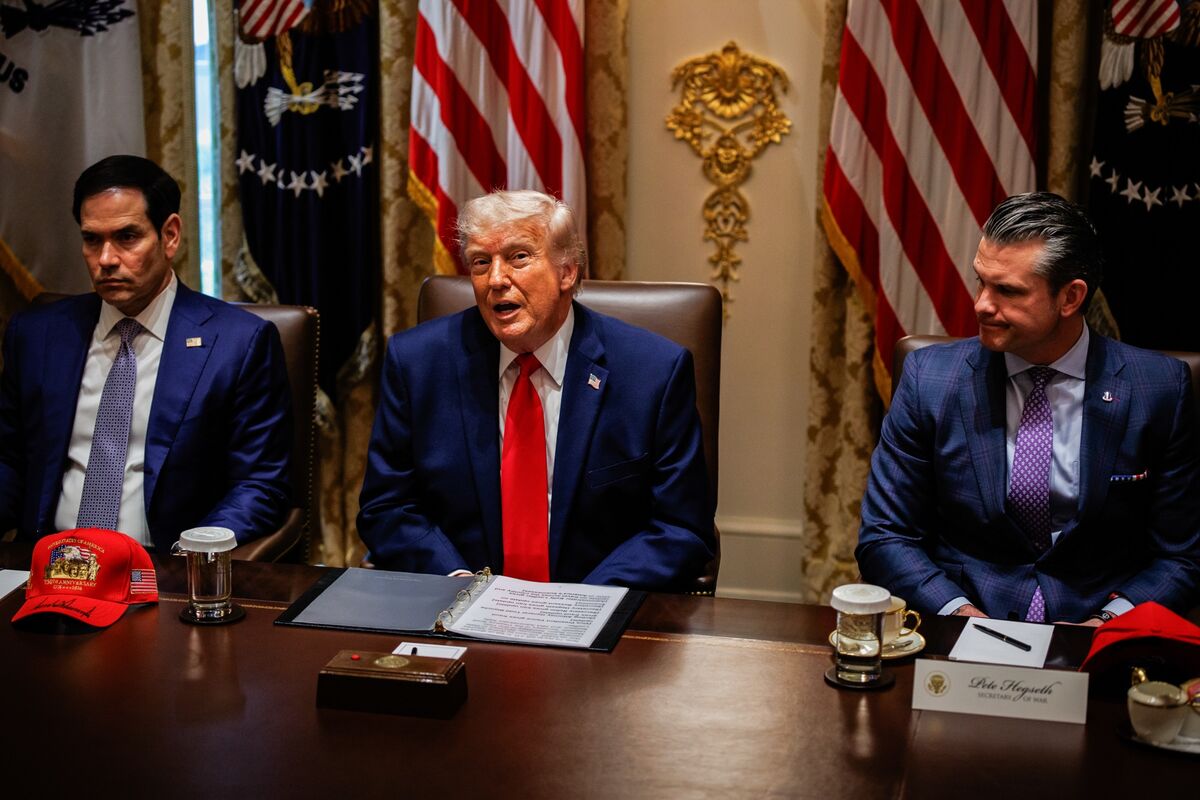
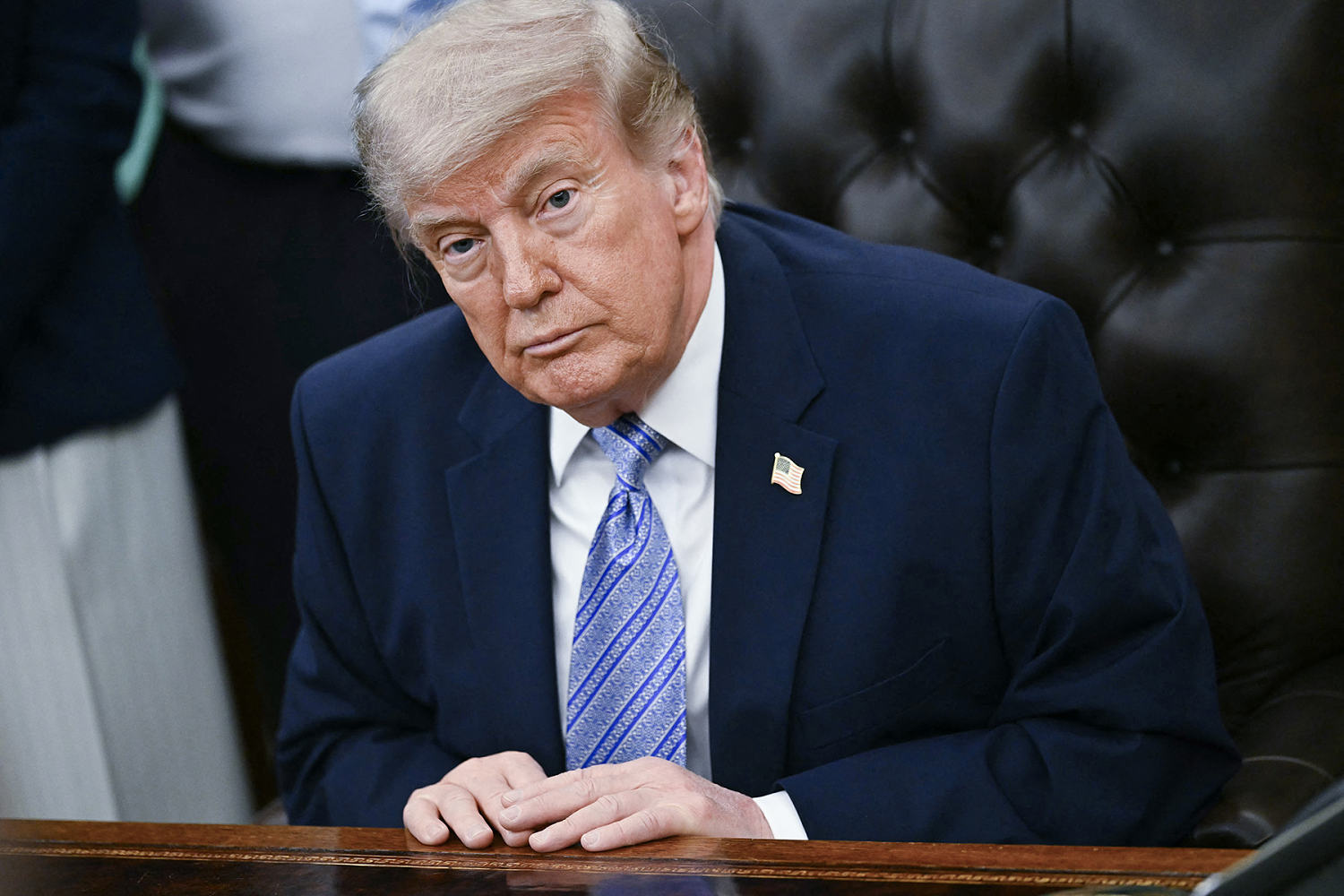
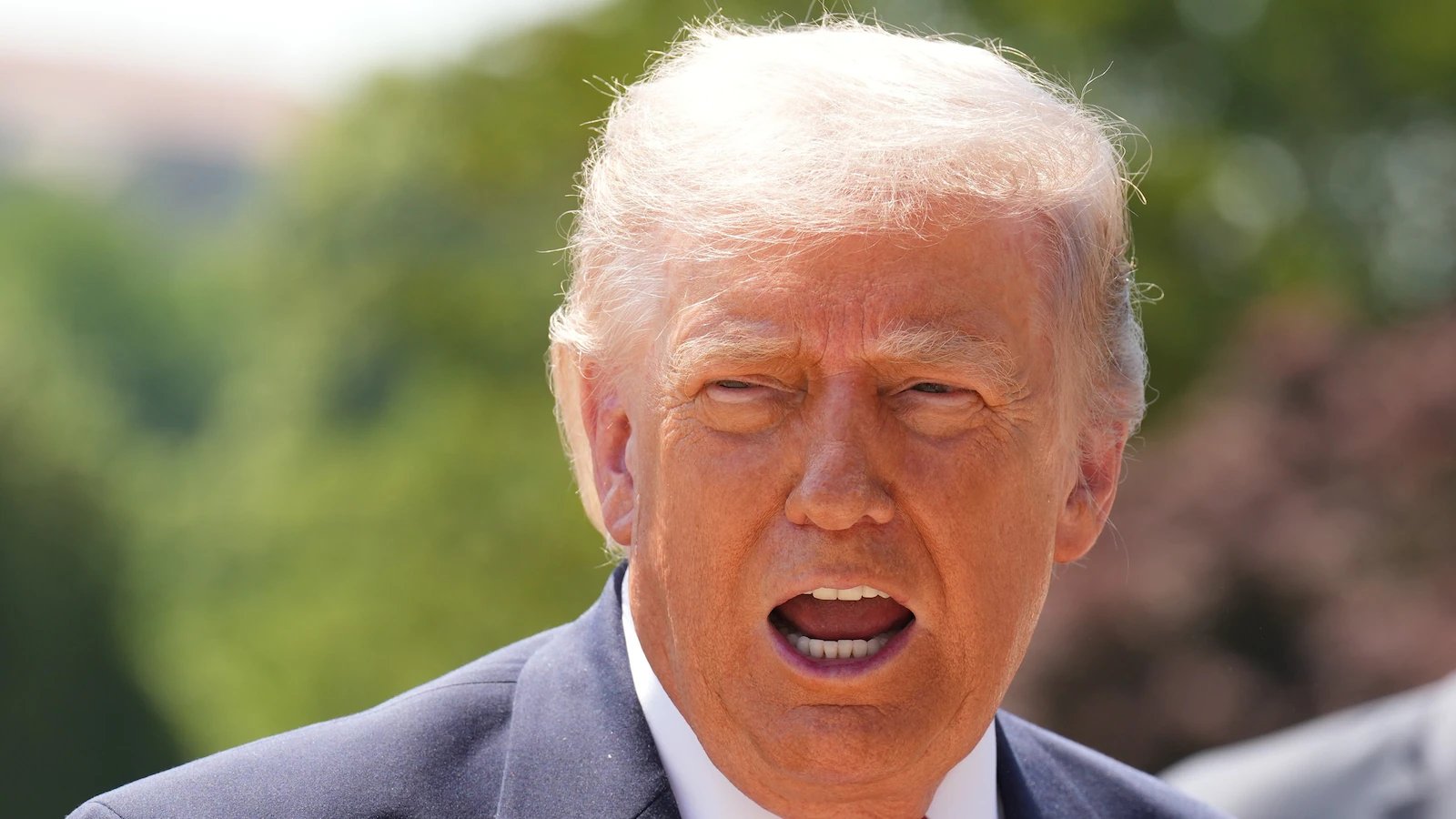
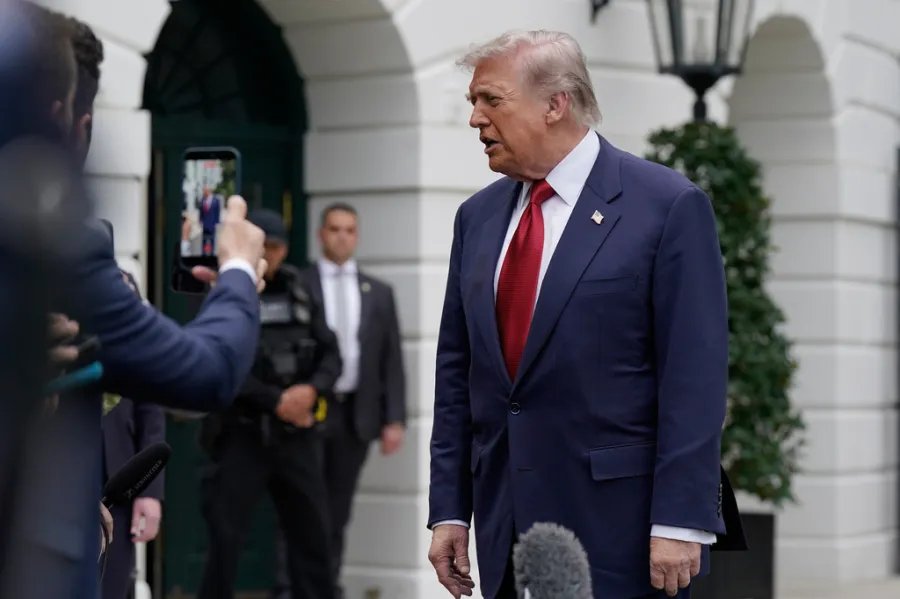
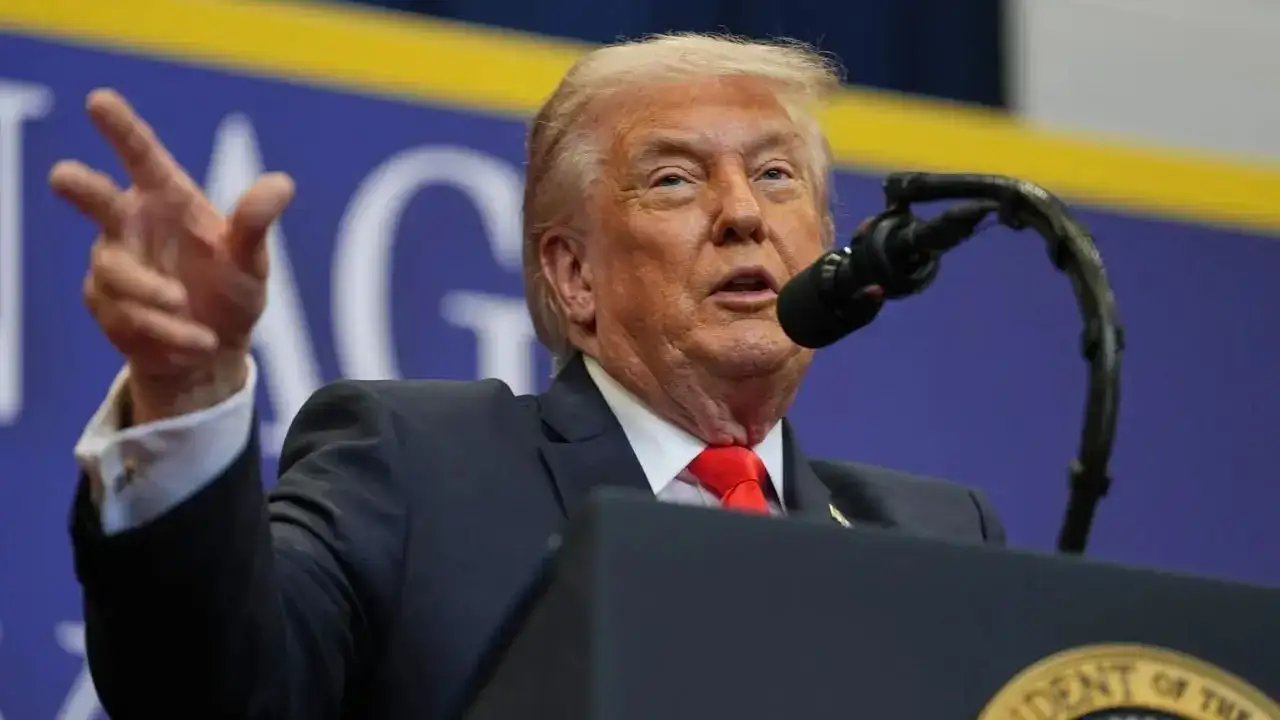
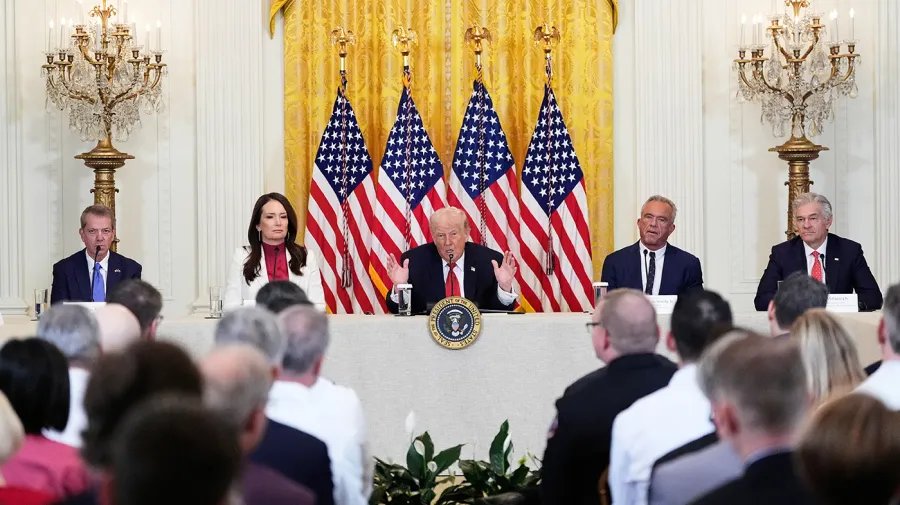
Amidst these developments, U.S. President Donald Trump expressed skepticism about Iran's latest proposal for a peace deal, stating he was "not excited" about the terms presented. The ongoing conflict, which escalated after U.S. and Israeli strikes in February, has left diplomatic resolutions uncertain. As Iran's leadership appears less centralized following the death of Supreme Leader Ali Khamenei, the complexity of negotiations may pose additional challenges for both sides.
The evolving situation in the Strait of Hormuz has significant implications for international shipping and trade. As the U.S. enforces sanctions, businesses must navigate a rapidly changing landscape that could affect the prices and availability of goods worldwide.