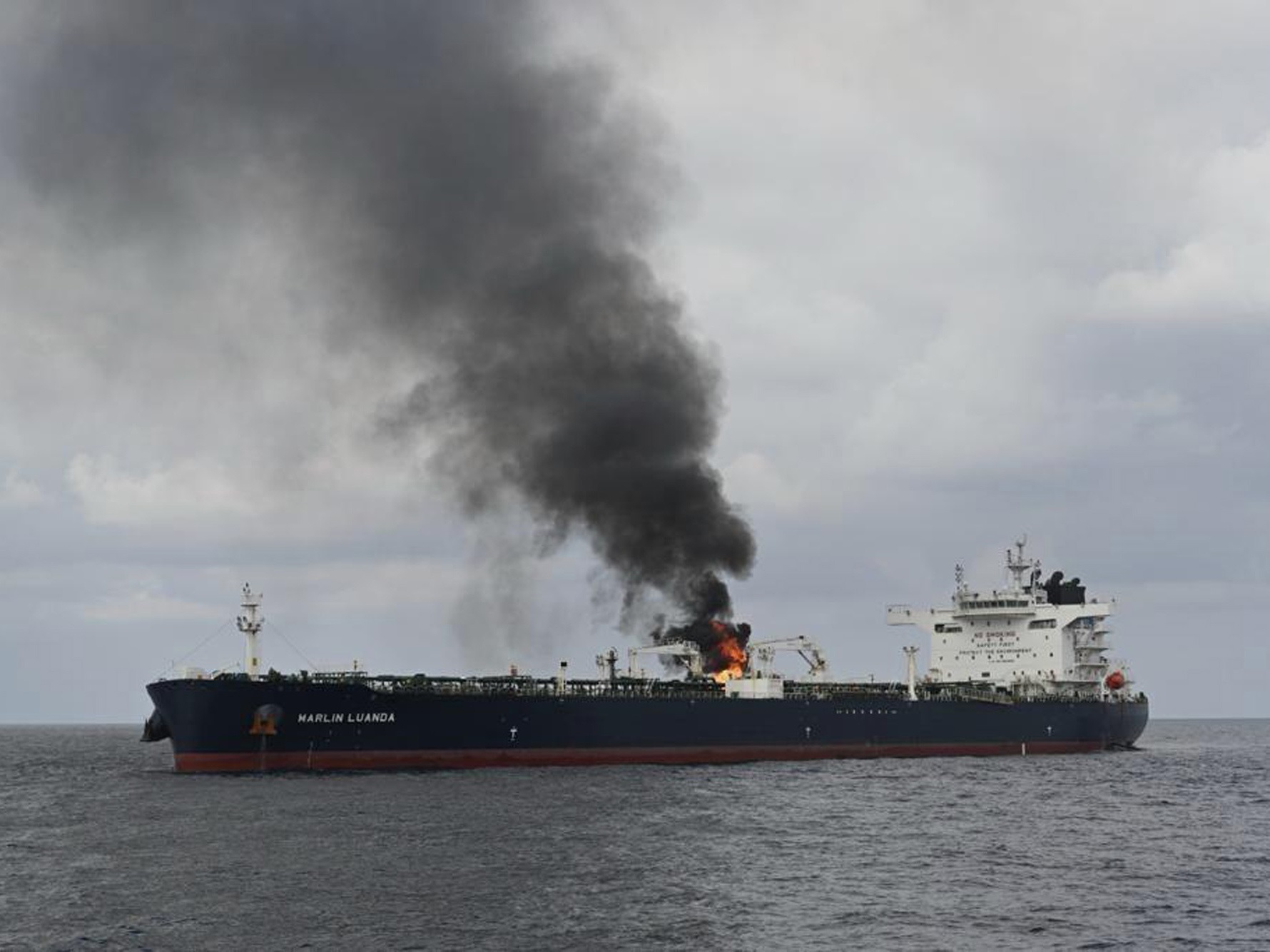





Hijacking Details and Immediate Impact
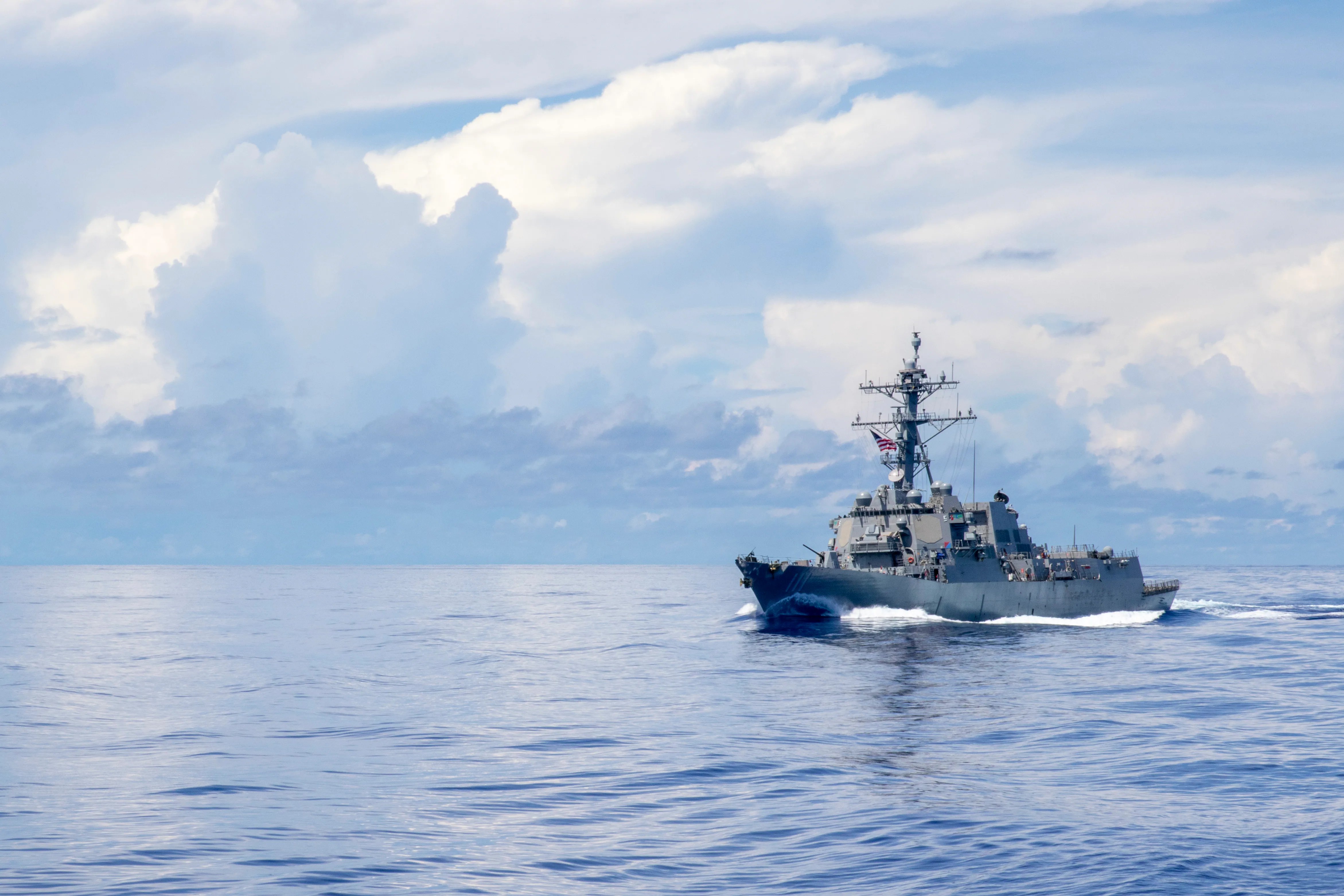
The oil tanker MT Eureka was hijacked off the coast of Yemen early Saturday morning, with armed assailants taking control of the vessel around 5:00 AM local time. The Yemeni coastguard confirmed that the hijackers steered the tanker towards Somali waters, marking this incident as the second oil tanker hijacked in just ten days. The previous hijacking involved the tanker Honor 25, which was carrying 18,500 barrels of oil bound for Mogadishu when it was seized on April 22.
Rising Piracy Concerns
This incident contributes to a troubling trend, as it marks at least the fourth vessel hijacking near Somalia in recent weeks. Somali pirates have become increasingly active, exploiting a security vacuum created by the ongoing conflict involving Iranian forces. The United Kingdom Maritime Trade Operations (UKMTO) has raised the piracy threat level along the Somali coast to "substantial," urging vessels to exercise caution while transiting the area.
Factors Behind the Resurgence
Experts attribute the resurgence in piracy to a shift in naval focus, with international forces redirected to counter threats from Houthi rebels in the Red Sea. The European Union Naval Force noted that the war in Iran has provided piracy groups with a "window of opportunity" to operate. The last significant peak of Somali piracy occurred in the early 2010s, when attacks were estimated to cost the global economy as much as $18 billion annually.
Response from Authorities
Yemen's coastguard is working to recover the hijacked MT Eureka and ensure the safety of its crew, whose fate remains unknown. However, officials have acknowledged that their capabilities are severely limited due to Yemen's dire economic situation. Somali authorities and international partners are coordinating efforts to address the escalating piracy threat, which has grown more pronounced since late 2023.
Implications for Global Shipping
The increase in piracy raises concerns for global shipping routes, particularly in the Gulf of Aden, a critical maritime corridor. With Somali piracy previously suppressed, the return of such incidents could disrupt shipping lanes and raise insurance costs for vessels operating in the region. The situation demands close monitoring, as increased hijacking incidents could have significant ramifications for international trade and security in the area.
The community of maritime stakeholders is urged to stay informed and vigilant as the situation develops, keeping in mind the historical context of piracy's impact on global commerce.