




The Decision to Withdraw Troops
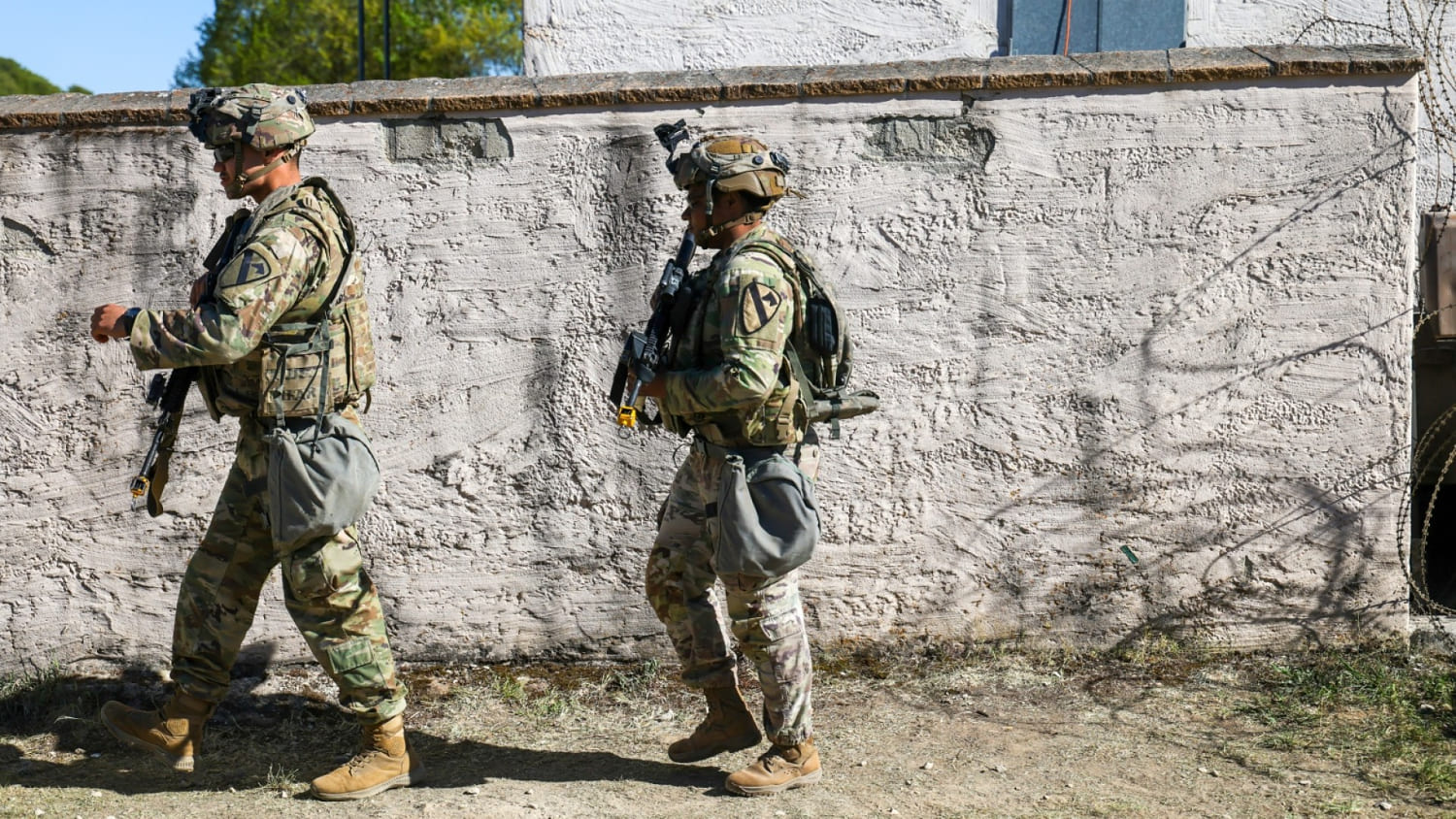
The Pentagon announced plans to withdraw approximately 5,000 U.S. troops from Germany as part of a broader reevaluation of U.S. military presence in Europe. This decision, which will unfold over the next six to twelve months, comes amid rising tensions between President Donald Trump and German Chancellor Friedrich Merz. The U.S. currently hosts more than 36,000 active duty troops in Germany, making it the largest contingent in Europe, with significant strategic operations centered around bases like Ramstein Air Base.
German Response and Defense Spending
German Defense Minister Boris Pistorius described the troop withdrawal as “foreseeable,” urging that Europe must take greater responsibility for its own security. He emphasized that the presence of American soldiers is mutually beneficial for both the U.S. and Europe. Pistorius noted that Germany is already ramping up its defense budget, projecting a spending increase to €105.8 billion by 2027, which would amount to 3.1% of its GDP. This shift indicates a commitment to bolstering European defense capabilities amid perceived U.S. disengagement.
Republican Concerns
Top Republican lawmakers, including Senator Roger Wicker and Representative Mike Rogers, expressed deep concerns regarding the troop reduction. They argued that maintaining a strong U.S. military presence in Europe is crucial for deterrence against potential threats. The lawmakers criticized the withdrawal, suggesting it could undermine NATO's collective security framework. This sentiment reflects a broader anxiety within the GOP about the implications of U.S. military decisions on transatlantic relations.
European Reactions
European leaders reacted with a mix of pragmatism and alarm to the withdrawal announcement. NATO spokesperson Allison Hart stated the alliance is working to understand the specifics of the U.S. decision, emphasizing the need for European nations to invest more in their defense. Polish Prime Minister Donald Tusk warned against the “disastrous trend” of increasing distance between the U.S. and Europe, asserting that internal disintegration poses a greater threat than external enemies.
Implications for NATO
The troop withdrawal raises significant questions about NATO's future and the transatlantic alliance. Experts suggest that while the reduction of 5,000 troops may not drastically alter U.S. military capabilities in Europe, it serves as a signal of U.S. discontent with European allies' support for American military initiatives. Former U.S. Ambassador to NATO Kurt Volker noted that both sides have a vested interest in maintaining a capable U.S. military presence in Germany, signaling a desire for cooperation despite current tensions.
Moving Forward
The U.S. troop drawdown is part of a larger narrative of shifting military priorities, with a focus on the Indo-Pacific region. This transition underscores the pressing need for European nations to enhance their defense strategies and capabilities. As European leaders grapple with the implications of reduced U.S. military support, the future of NATO and collective security in Europe remains uncertain. The next steps involve not only a reevaluation of defense spending but also a dialogue on how Europe can better prepare for its security challenges in a changing geopolitical landscape.