




Maritime Security Threats Intensify
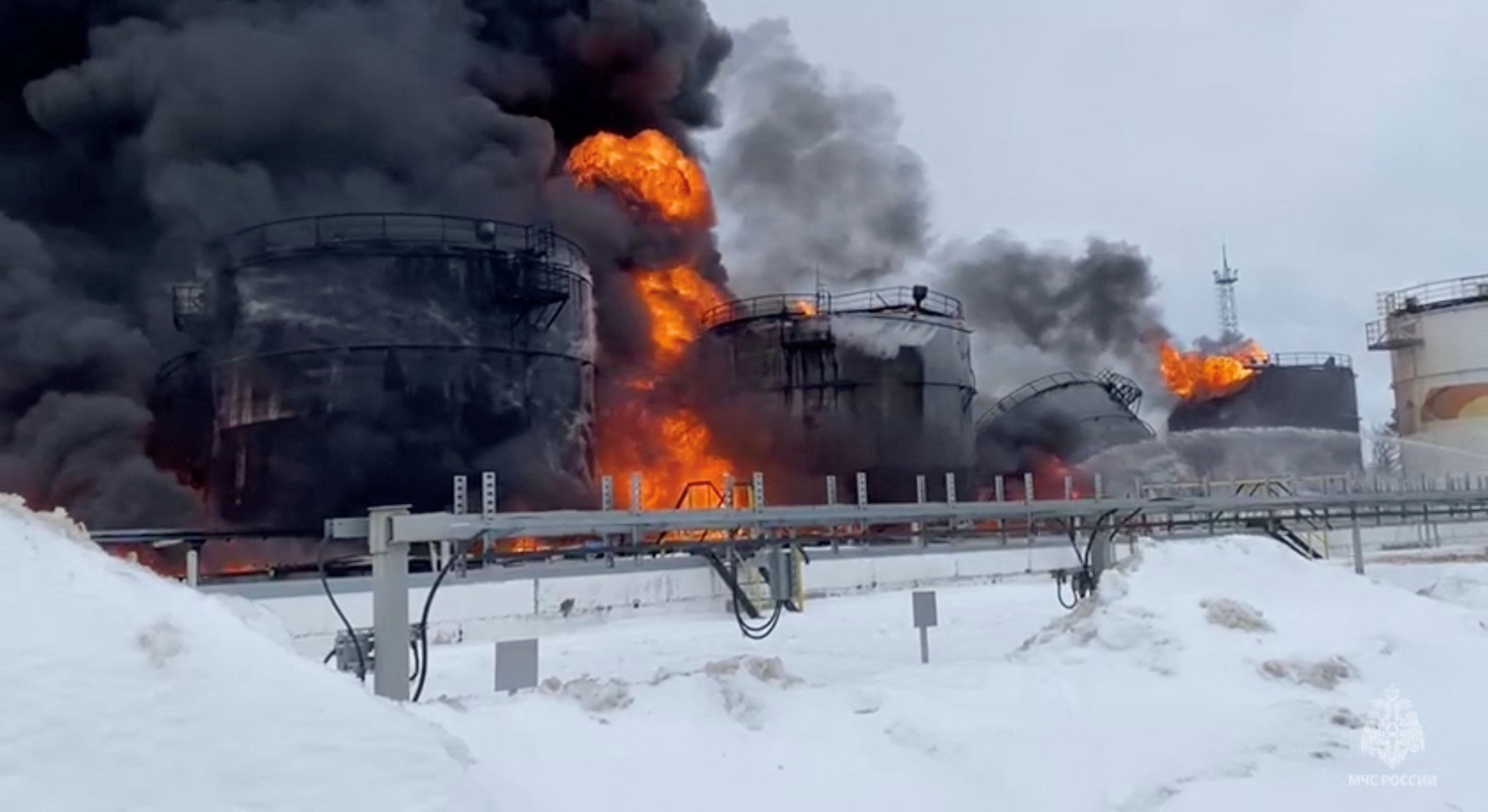
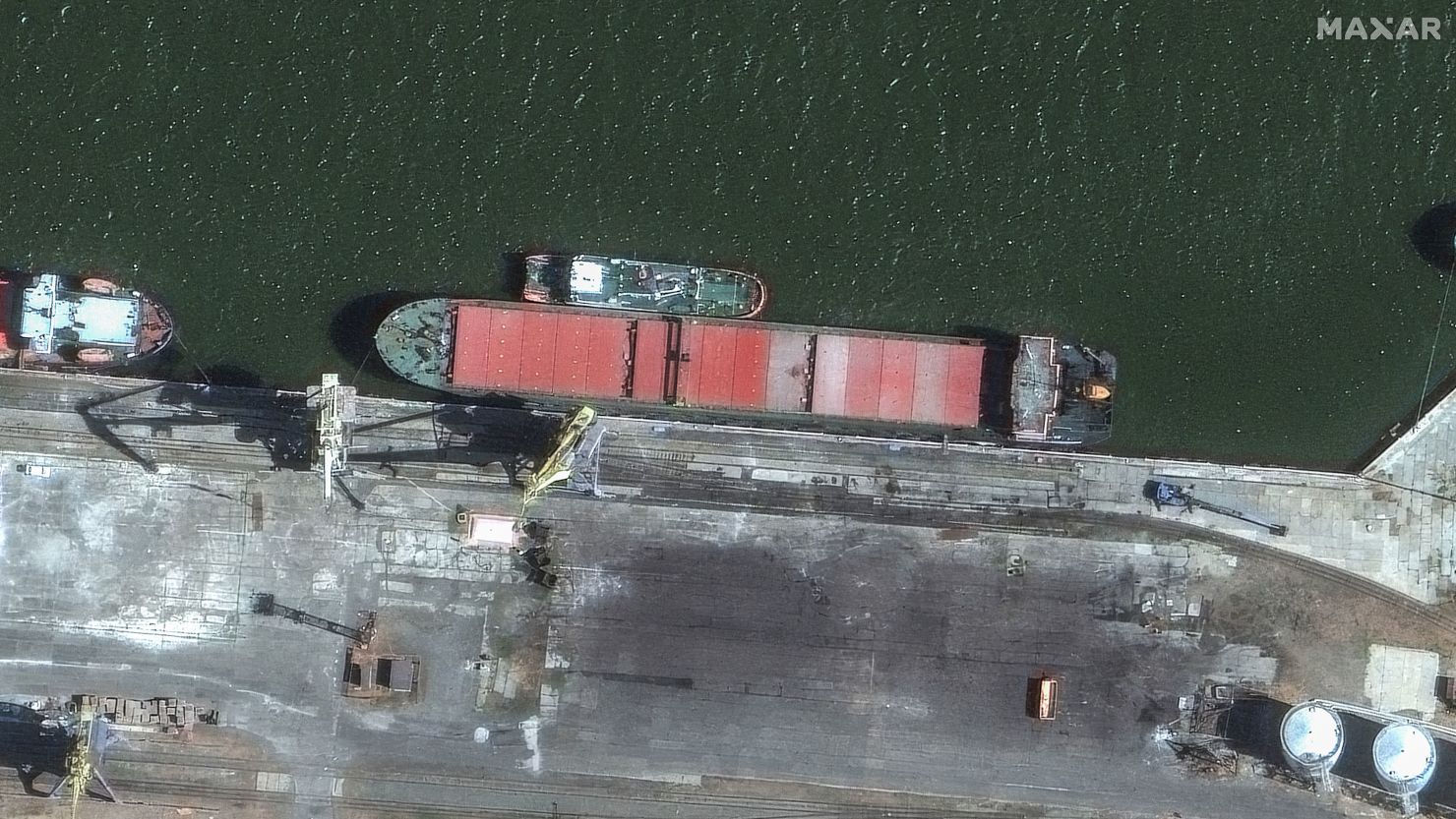
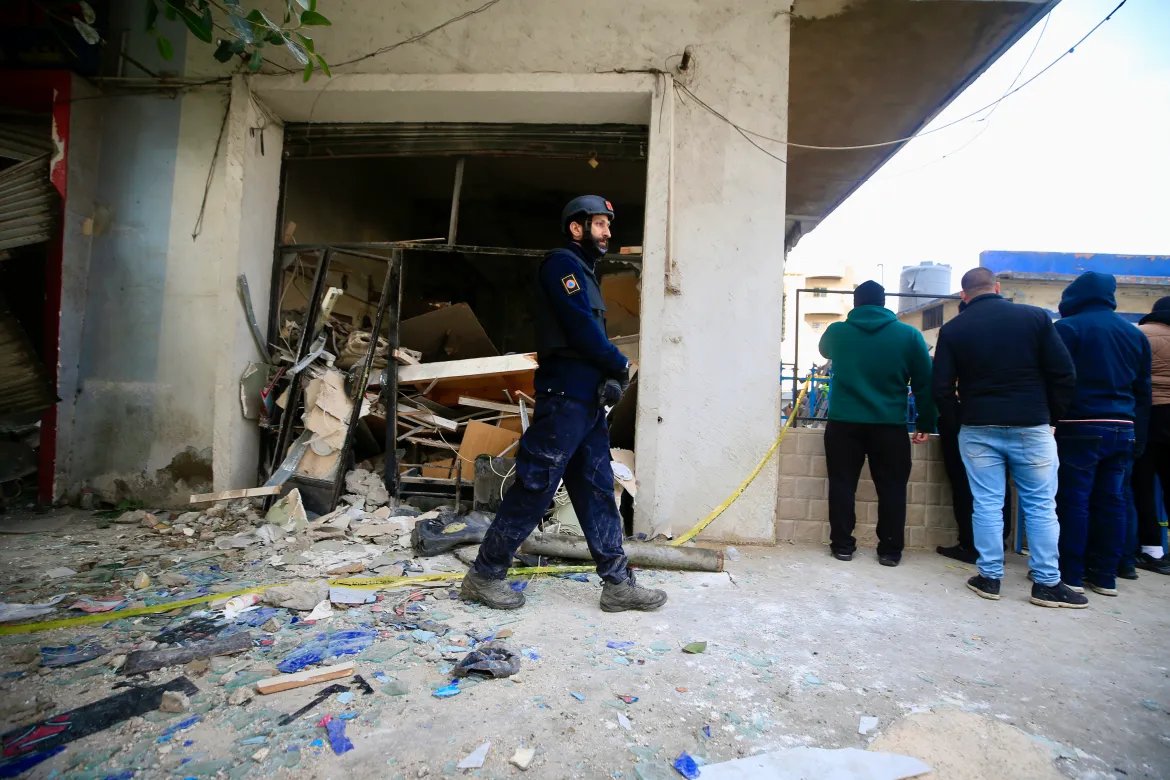
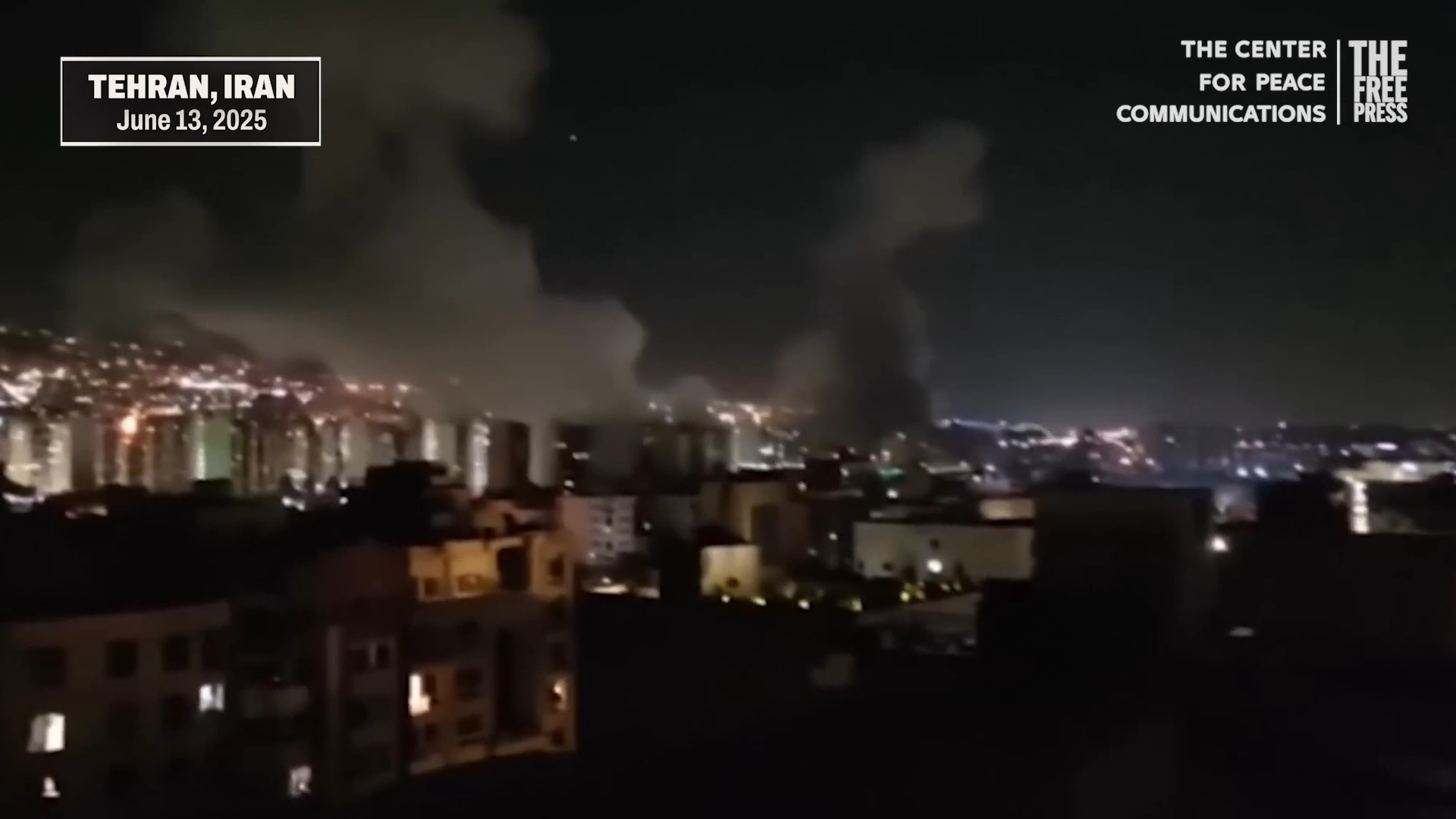
A bulk carrier reported being attacked by multiple small craft near the Strait of Hormuz on Sunday, marking a significant escalation in tensions that have already led to over two dozen attacks in the region since the onset of the U.S.-Israel war with Iran. The incident, which occurred approximately 11 nautical miles west of Sirik, Iran, was confirmed by the United Kingdom Maritime Trade Operations center, which stated that all crew members were reported safe and no environmental impact had occurred. This attack follows a series of maritime assaults that have raised alarms over the safety of vessels navigating this vital waterway, critical for global oil shipments.
Project Freedom Launches Monday
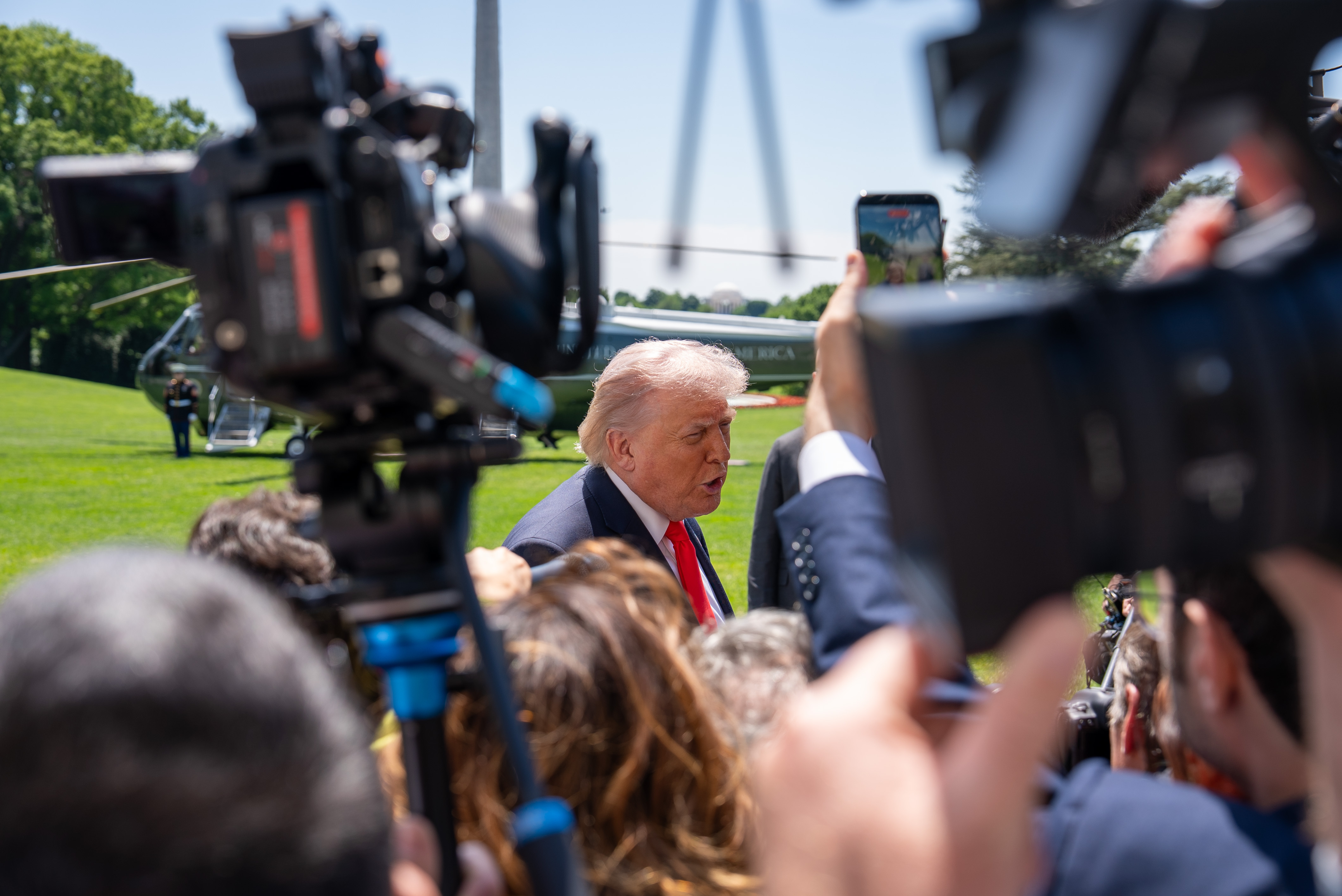
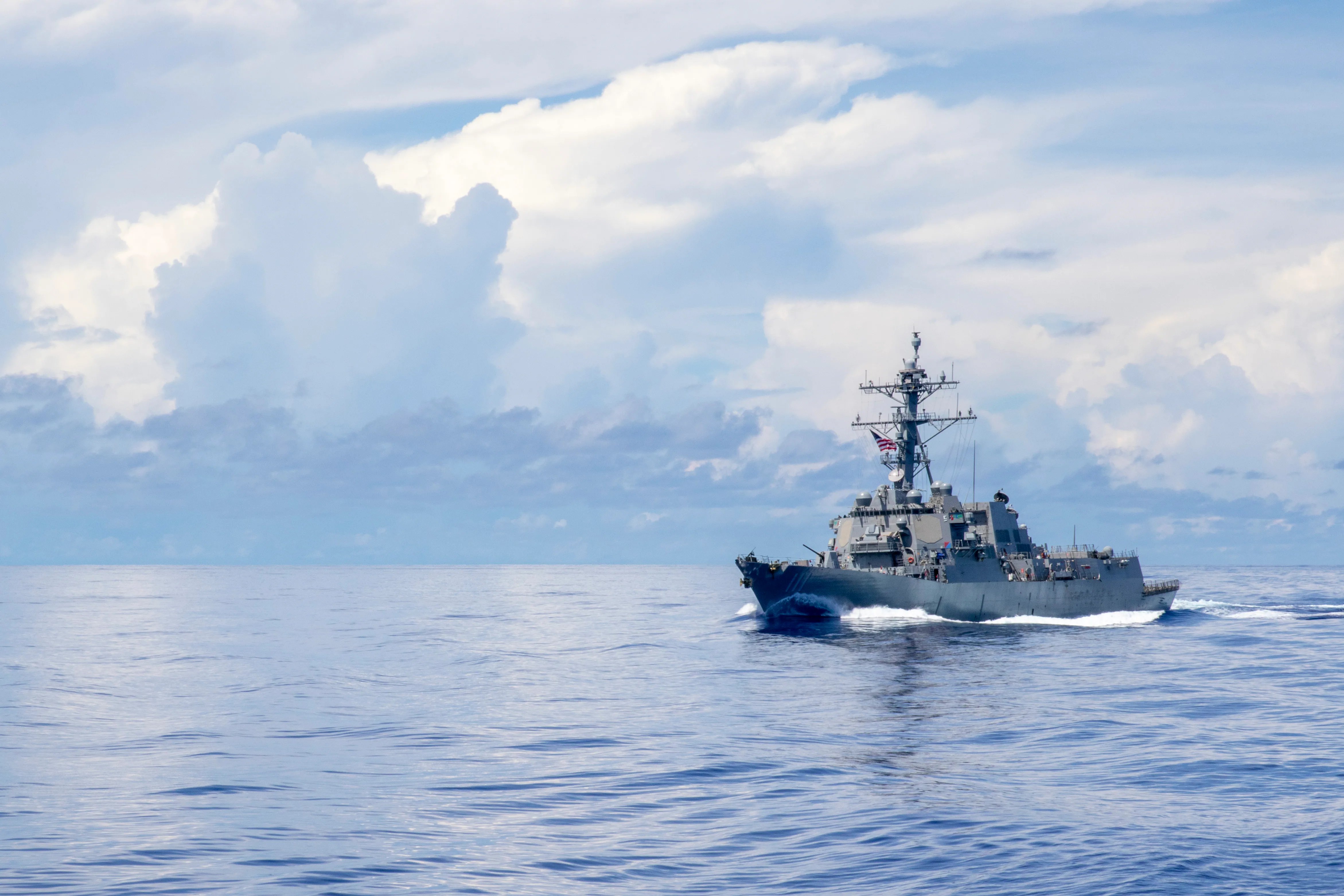
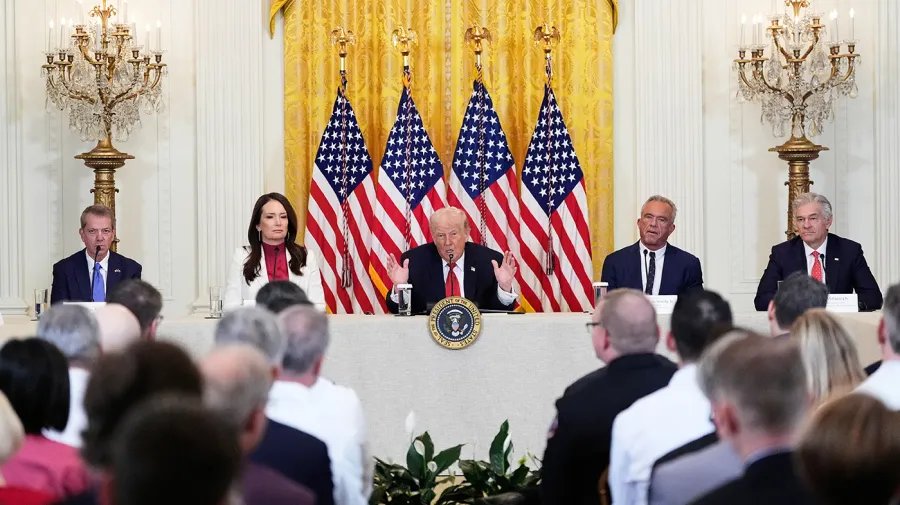
In response to ongoing maritime threats, President Donald Trump announced the launch of “Project Freedom,” set to begin on Monday. This initiative aims to escort ships from neutral countries out of the Strait of Hormuz, which Iran has effectively closed off during the conflict. Trump described the operation as a “humanitarian gesture,” emphasizing that many vessels are running low on supplies and that any interference with this operation would be met with forceful action. He stated on social media, “We have told these Countries that we will guide their Ships safely out of these restricted Waterways, so that they can freely and ably get on with their business.”
Iran's Stance on the Strait
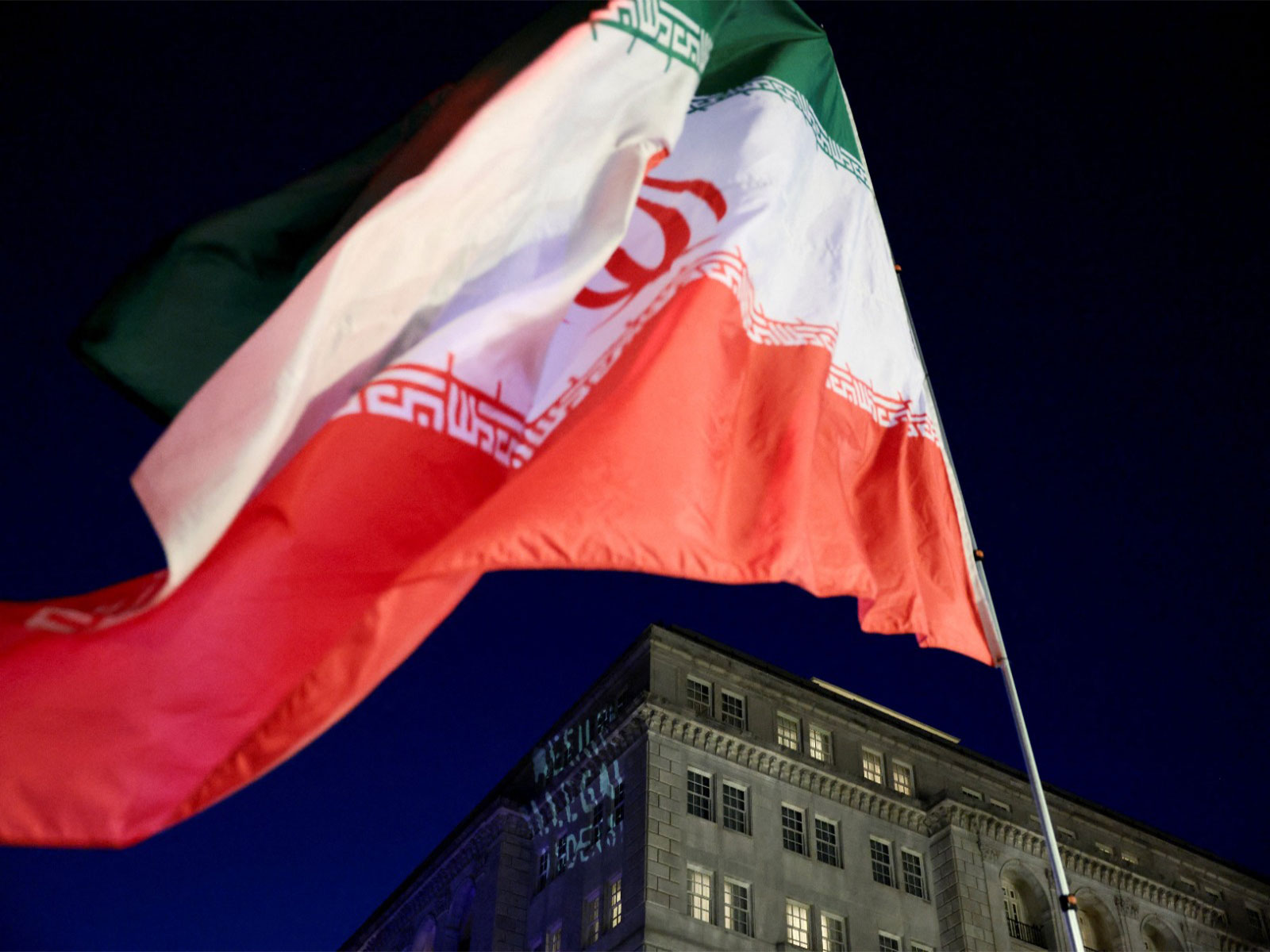
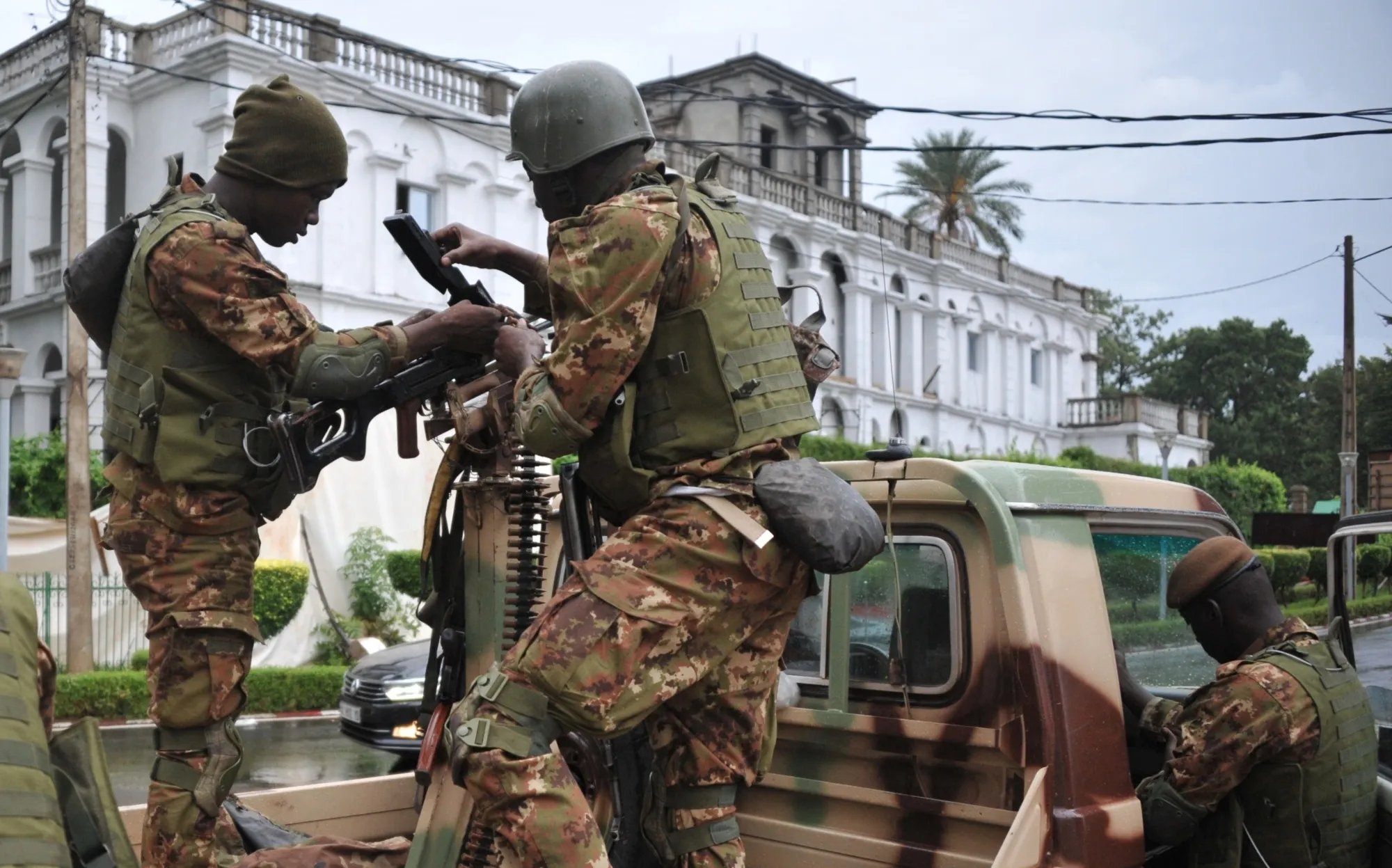
Iranian officials, including Deputy Parliament Speaker Ali Nikzad, have made it clear that the Strait of Hormuz will not revert to its pre-war conditions. Nikzad stated, “What is certain is that we will not step back from the Strait of Hormuz.” This declaration comes amid reports that Iran has laid mines in the strait to assert control, further complicating efforts for safe passage. The Iranian military has also warned of potential retaliation against any foreign vessels attempting to transit without coordination with its forces.
Economic Impacts and Global Responses
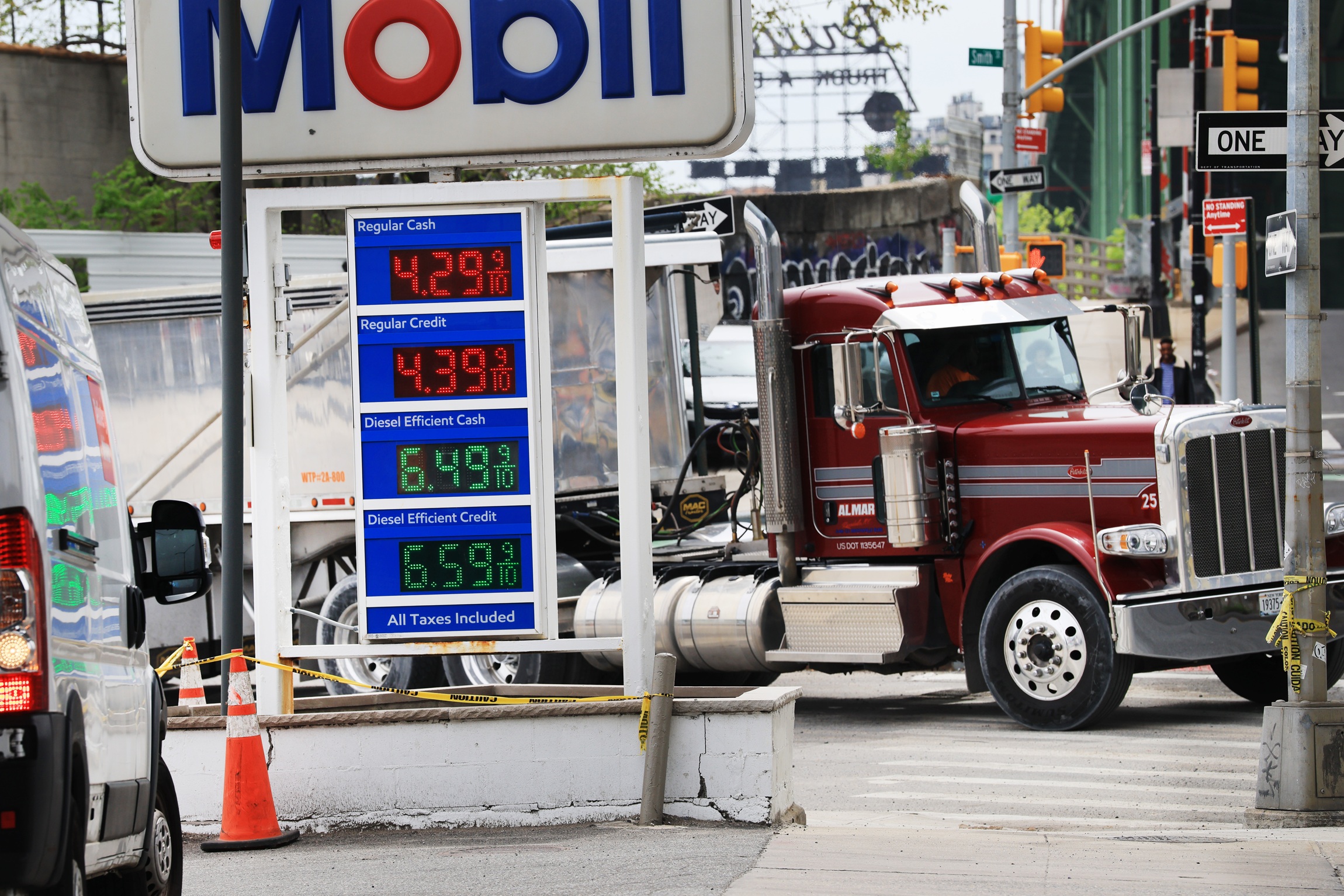
The ongoing conflict has severely impacted global oil markets, with shipping traffic through the Strait of Hormuz plummeting by more than 90%. The U.S. Central Command reported redirecting 49 vessels attempting to enter or exit Iranian ports under its blockade. As a result, oil prices have surged, with Brent crude recently trading above $126 a barrel, contributing to rising fuel costs for consumers in the U.S., where the average price of gas has reached $4.39 per gallon. Analysts predict that Iran's economy, already under strain, could face further challenges as oil revenues dwindle.
Political Implications and Congressional Concerns
As tensions rise, U.S. lawmakers have expressed concerns over the administration's handling of the situation. Senator Jack Reed criticized the lack of a coherent strategy, asserting that the U.S. is in a worse position than before. Meanwhile, the War Powers Resolution, which requires the president to seek Congressional approval for military actions after 60 days, is at the forefront of political discourse. The Trump administration maintains that the ongoing ceasefire pauses the 60-day clock, allowing for continued military presence without Congressional authorization.
Future of Diplomatic Talks
Despite the heightened hostilities, Trump indicated that discussions with Iran could lead to a positive outcome. He stated, “I am fully aware that my Representatives are having very positive discussions with the Country of Iran.” However, he expressed skepticism about Iran's recent 14-point proposal for peace, stating it was “not acceptable” as it did not sufficiently address the U.S. concerns over Iran's actions over the past decades. The Iranian proposal seeks to lift sanctions and end hostilities, but it remains unclear whether a diplomatic resolution is attainable amidst the escalating military tensions.
Conclusion: A Fragile Situation
The situation in the Strait of Hormuz reflects a complex interplay of military, economic, and diplomatic factors that could have far-reaching implications for global security. As the U.S. prepares to implement Project Freedom, the potential for conflict remains high, raising questions about the future of maritime security and international relations in the region. The coming days will be crucial in determining whether diplomatic efforts can effectively de-escalate the tensions or if military confrontations will intensify further.