






A Major Political Shift in West Bengal
Prime Minister Narendra Modi's Bharatiya Janata Party (BJP) has achieved a historic victory in West Bengal, capturing at least 124 seats in the 294-member state assembly. This marks the first time the BJP has governed the politically significant state, ending a 15-year rule by the All India Trinamool Congress (TMC) led by Mamata Banerjee. The results, released by the Election Commission of India on May 4, indicate the BJP is also leading in 83 additional seats, solidifying its newfound dominance.
Implications for Modi’s Political Standing
The victory is expected to bolster Modi's standing as a prominent national leader, especially as he navigates the midway point of his third term. With the BJP's control of West Bengal, Modi may enhance his appeal in upcoming elections, including the national election in 2024 and his anticipated bid for a fourth term in 2029. Modi celebrated the win, stating, "A new chapter has been added to Bengal's destiny," highlighting the significance of this breakthrough for his party.
Banerjee's Defeat and Its Consequences
Mamata Banerjee's loss is a critical blow to her position as a key figure in opposing Modi's administration. Banerjee, who has been in power since 2011, faced criticism over allegations of corruption and governance failures. The BJP's campaign effectively capitalized on these issues, focusing on alleged scandals and promising welfare benefits, which resonated with many voters. This defeat may weaken her influence within the already fragmented opposition bloc, potentially reshaping the political landscape in India.
Voter Turnout and Electoral Controversies
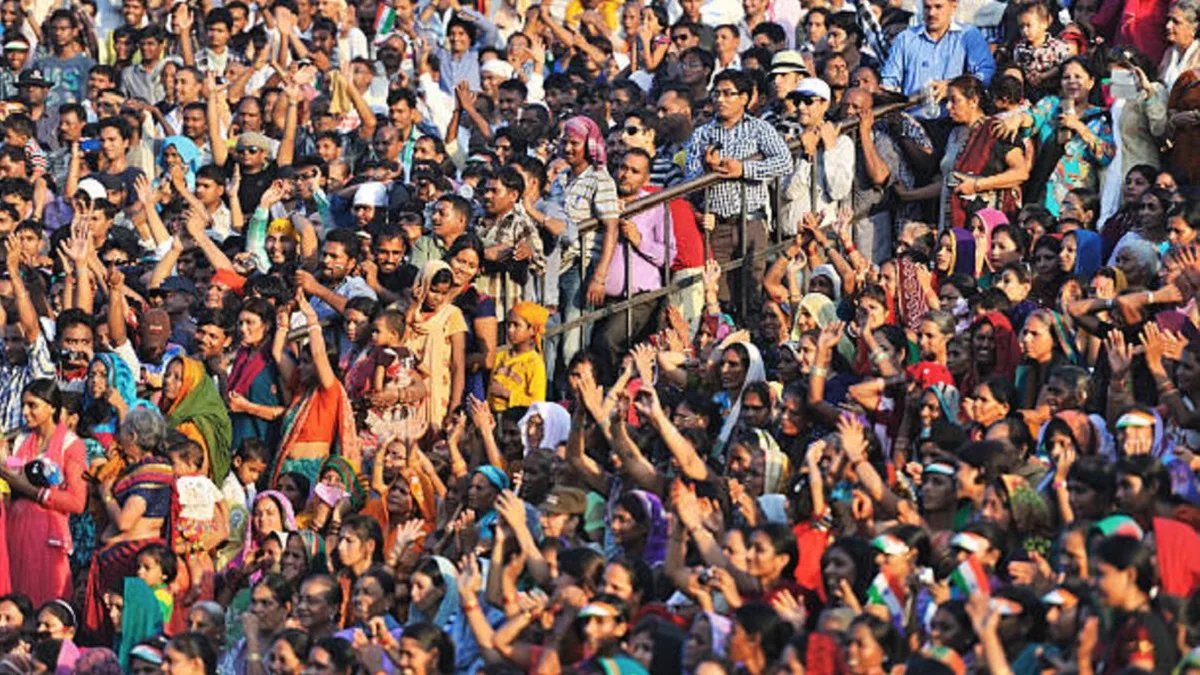
The election saw a remarkable voter turnout of approximately 92.47%, one of the highest in West Bengal's electoral history. However, the election process was marred by controversy, particularly regarding the removal of millions of names from voter rolls, which critics argue disproportionately affected marginalized communities. Banerjee and her supporters alleged that the electoral roll revision amounted to disenfranchisement, a claim that will likely come under scrutiny as the results are analyzed further.
The Broader Electoral Landscape
The BJP's success in West Bengal is part of a larger trend observed across several states in the recent elections. In Tamil Nadu, actor Vijay's new party, the Tamilaga Vettri Kazhagam (TVK), made significant gains by potentially unseating the incumbent DMK party. Meanwhile, the Congress-led United Democratic Front (UDF) has emerged victorious in Kerala, ending leftist rule in one of its last bastions. In Assam, the BJP has retained power for a third consecutive term, showcasing its expanding influence across the country.
Analyzing the Shift in Voter Sentiment
Analysts suggest that the BJP's rise in West Bengal reflects a complex interplay of voter dissatisfaction with the TMC and the BJP's effective campaigning strategies. Political scientist Rahul Verma noted that the BJP managed to capture over 44% of the vote, building on a foundation established in previous elections where they consistently polled around 39%. This shift indicates a significant change in voter sentiment, with many perceiving the BJP as a viable alternative to the long-standing TMC governance.
Looking Ahead: The Future of West Bengal Politics
The BJP's victory in West Bengal may signal a new phase in Indian politics, as it challenges the historical dominance of regional parties in the state. This breakthrough is likely to reshape not only the political dynamics within West Bengal but also the broader narrative surrounding national politics in India. Modi's party, having finally breached one of India's most resistant political strongholds, could potentially influence upcoming elections and the future of opposition coalitions.
The unfolding political landscape in West Bengal and beyond will require careful observation as parties reassess their strategies in light of these significant electoral outcomes.


































































































































































































































































































































































































The sources report that the BJP consistently polled around 39% in previous elections, and this time achieved over 44% of the vote, indicating a significant shift in voter sentiment.