
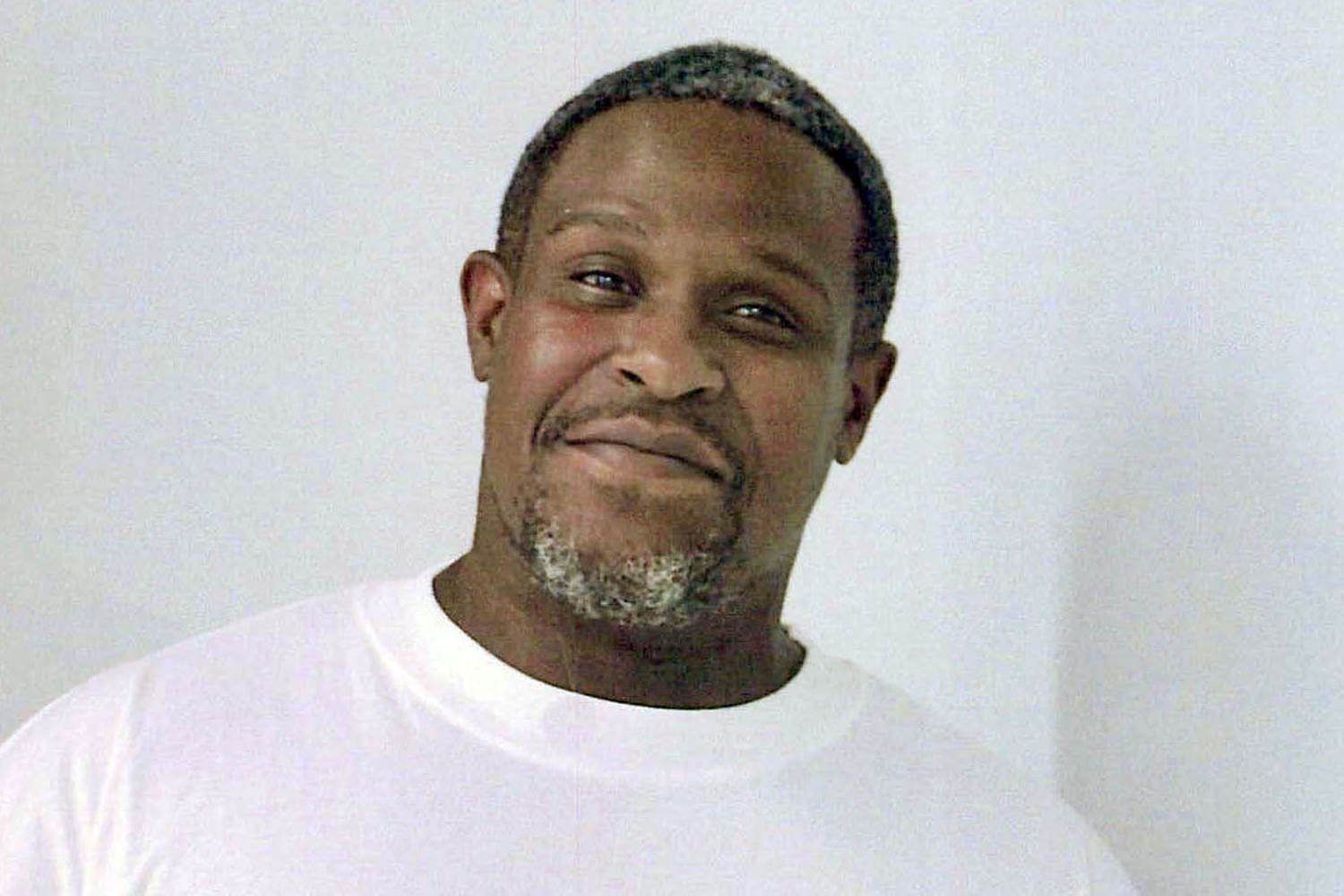




Landmark Decision on Racial Discrimination in Jury Selection
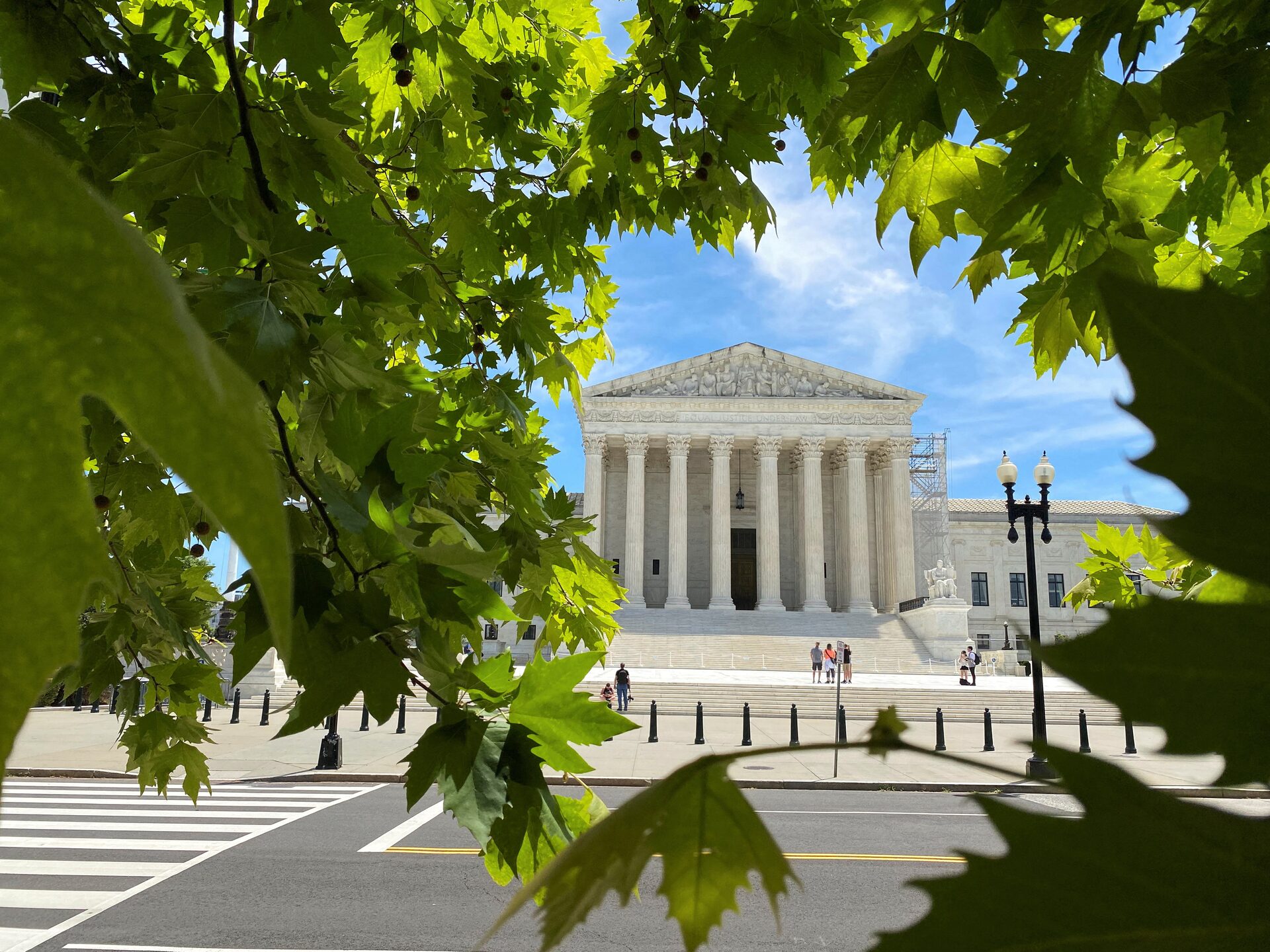
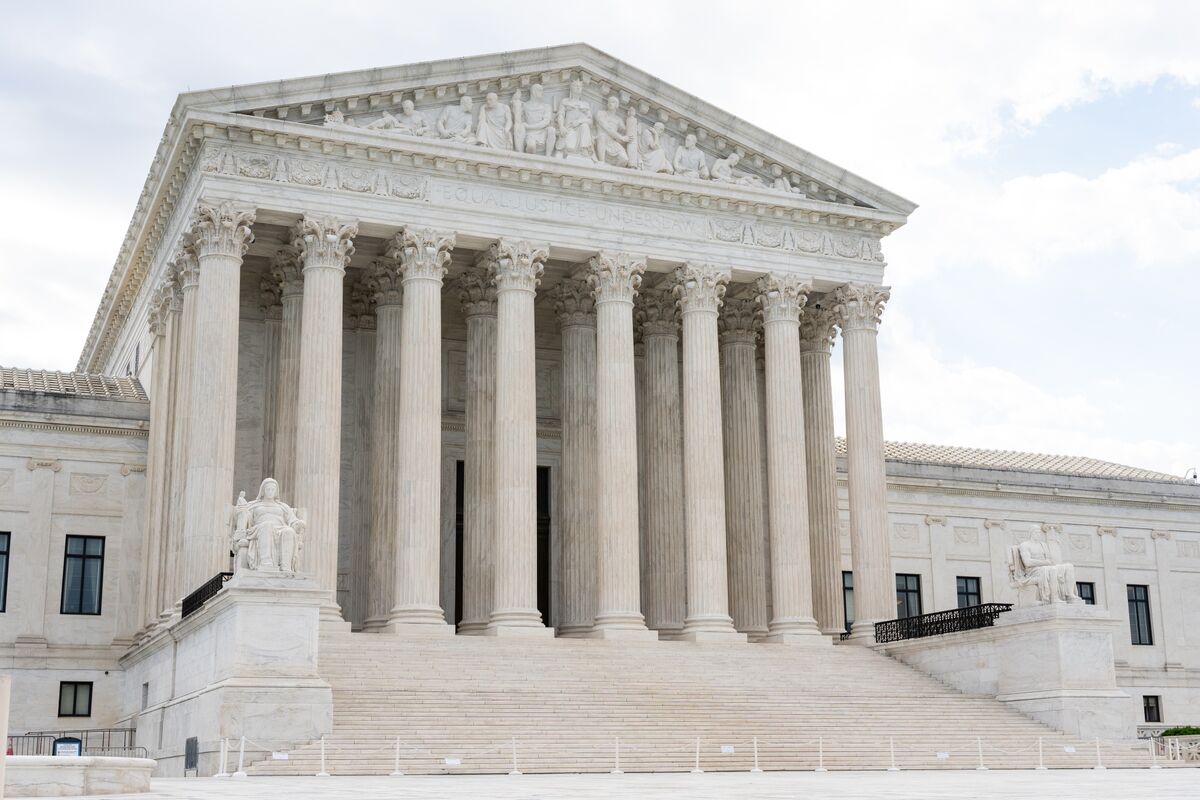
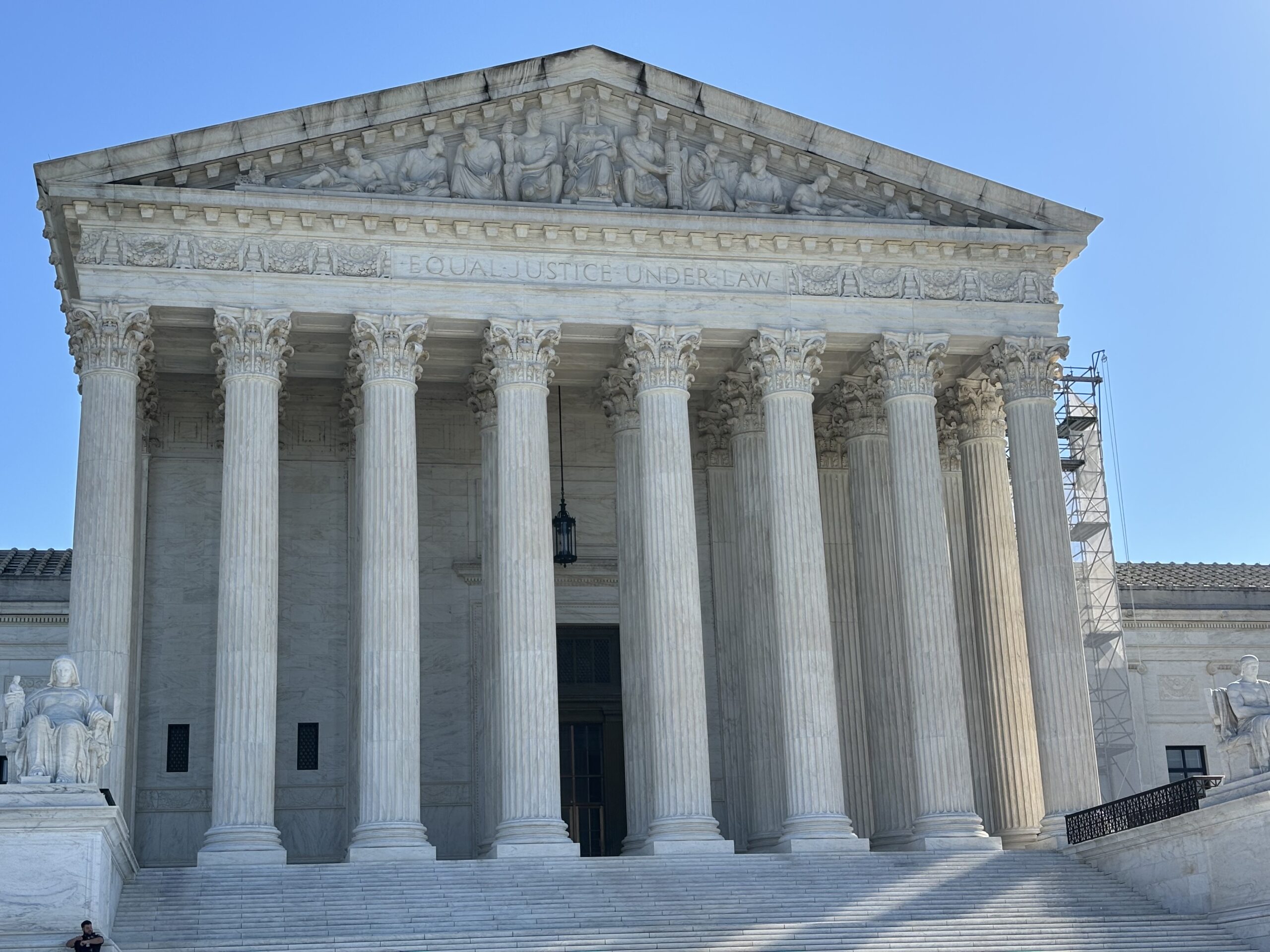
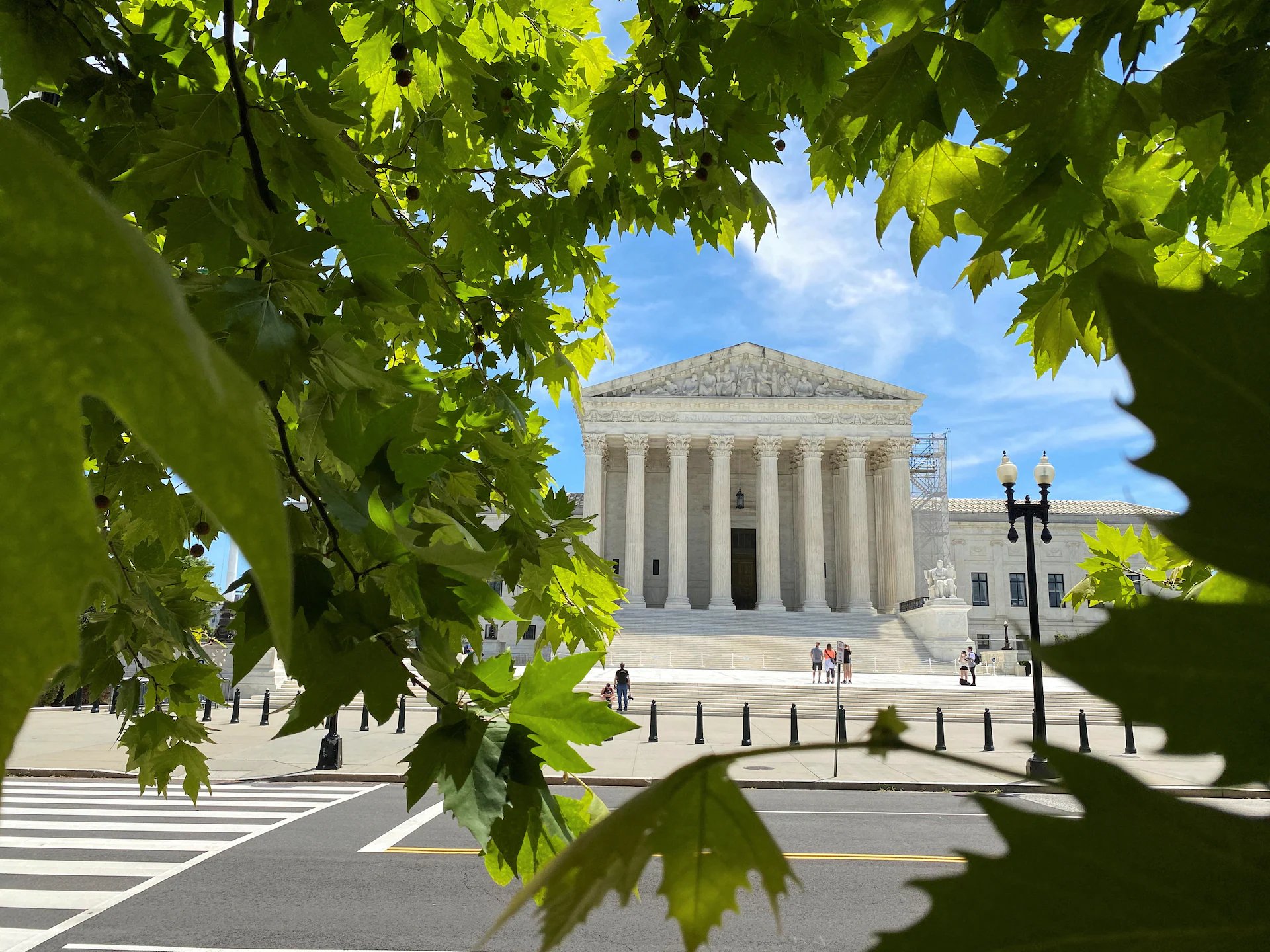
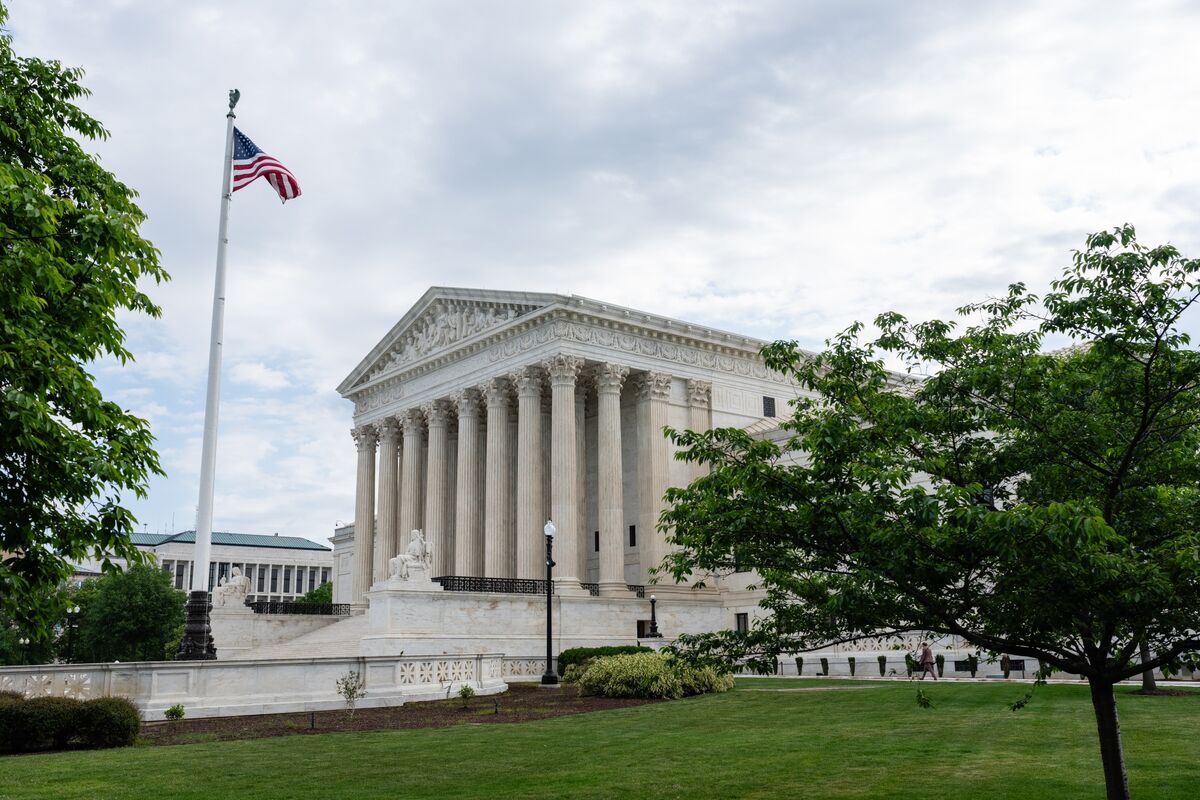
The Supreme Court ruled in favor of Terry Pitchford, a Black death row inmate from Mississippi, finding that racial bias tainted his jury selection process. In a narrow 5-4 decision, the justices determined that prosecutors improperly excluded Black jurors during Pitchford's trial for the 2004 murder of grocery store owner Reuben Britt.
Jury Composition Raises Concerns
During Pitchford's trial, only one of the twelve jurors was Black, despite the county's demographic being approximately 40% Black. Prosecutor Doug Evans, who has a documented history of dismissing Black jurors, used peremptory strikes to exclude four out of five potential Black jurors. This practice calls into question the integrity of the jury's verdict and highlights systemic issues in jury selection processes across the country.
Legal Background and Previous Rulings
The Supreme Court's decision referenced the 1986 ruling in Batson v. Kentucky, which prohibits the exclusion of jurors based solely on race. The majority opinion, authored by Justice Brett Kavanaugh, emphasized that Pitchford's defense team was not given a fair opportunity to challenge the prosecutor's reasons for the juror exclusions. The ruling revives a previous federal court decision that found Pitchford's conviction invalid due to these violations.

The sources also report that Evans was the prosecutor in the Curtis Flowers case, whose conviction the Supreme Court overturned in 2019 because of a relentless effort to exclude Black jurors; the same trial judge, Joseph Loper, presided over the final two of Flowers' six trials.
Implications for Future Trials
The ruling allows for the possibility of Pitchford being retried by the state, should prosecutors choose to pursue the case again. This outcome underscores the ongoing challenges within the criminal justice system regarding fair trial rights, particularly for defendants of color. Pitchford's lawyer, Joseph Perkovich, stated that the ruling ensures his client is entitled to a fair trial free from racial bias in jury selection.
Dissenting Opinions Highlight Judicial Divisions
Justice Neil Gorsuch, dissenting, argued that Pitchford did not meet the legal standards required for relief under federal law. Gorsuch wrote that the court had overstepped its authority by ruling in Pitchford's favor despite a federal law that limits the power of federal courts to grant relief to state prisoners. This division within the Supreme Court reflects broader societal debates about race and justice in America.
A Historic Moment for Racial Justice
The Supreme Court's attention to racial bias in Pitchford's case signals a critical moment in the ongoing fight for racial equity within the legal system, potentially influencing how future cases are handled nationwide.
Next Steps for Terry Pitchford
As the case returns to lower courts, Pitchford's future remains uncertain. If prosecutors decide not to retry him, he could be released from prison. The Supreme Court's decision not only affects Pitchford's life but also serves as a reminder of the imperative need for reforms in jury selection practices to prevent racial discrimination in the justice system.


























































































































































































































For example, the sources report that during jury selection, Doug Evans used peremptory strikes to exclude four of five potential Black jurors, resulting in a jury of 11 White jurors and one Black juror.