




Executive Action on Arms Sales
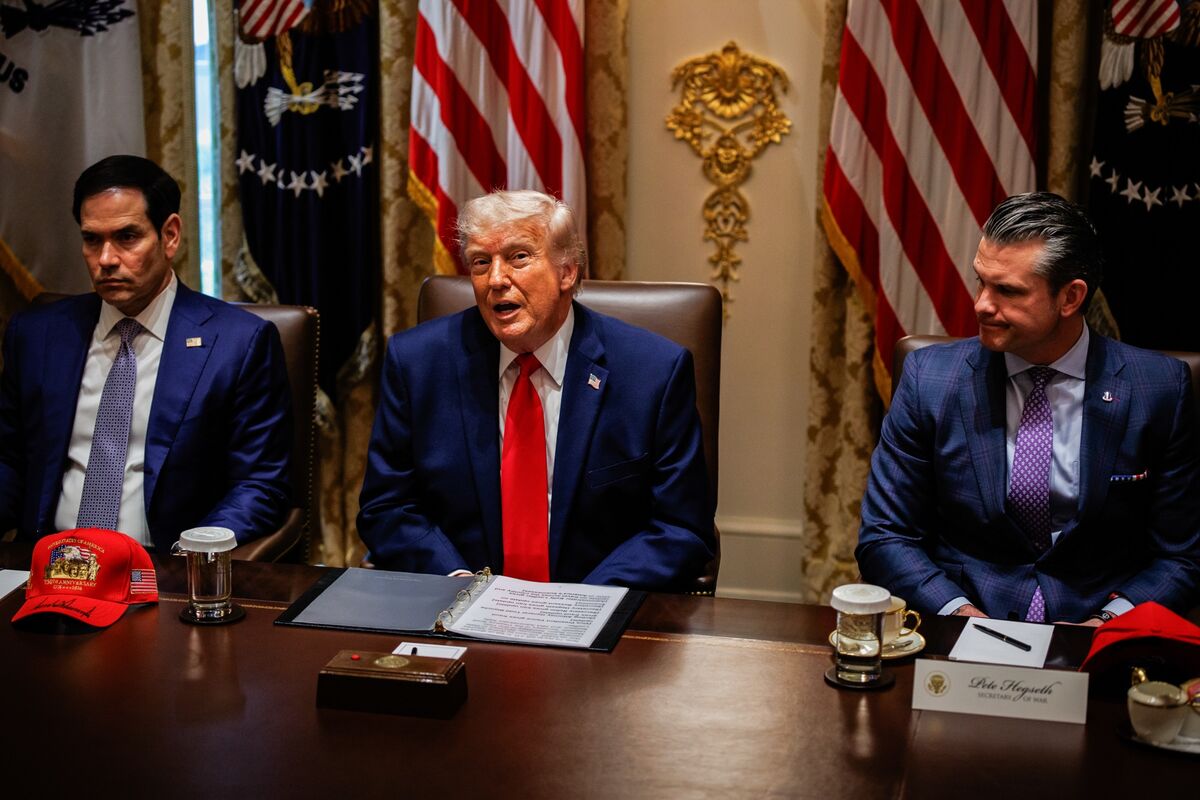
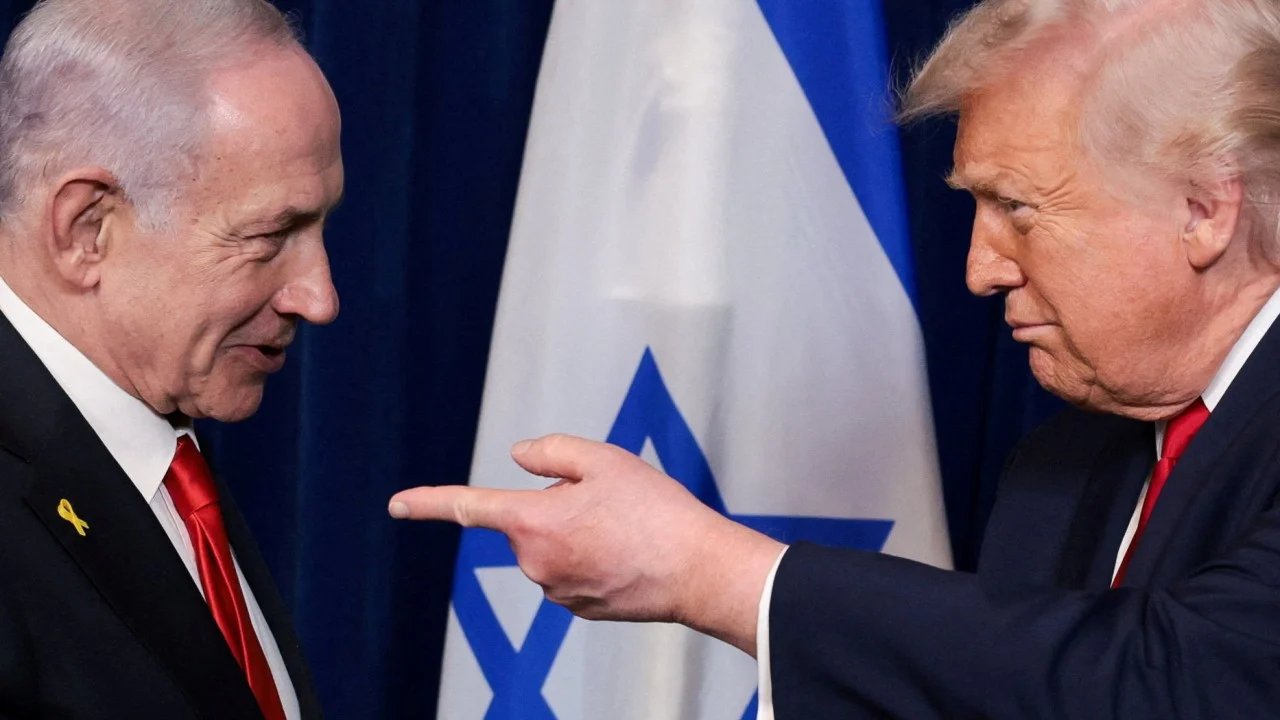
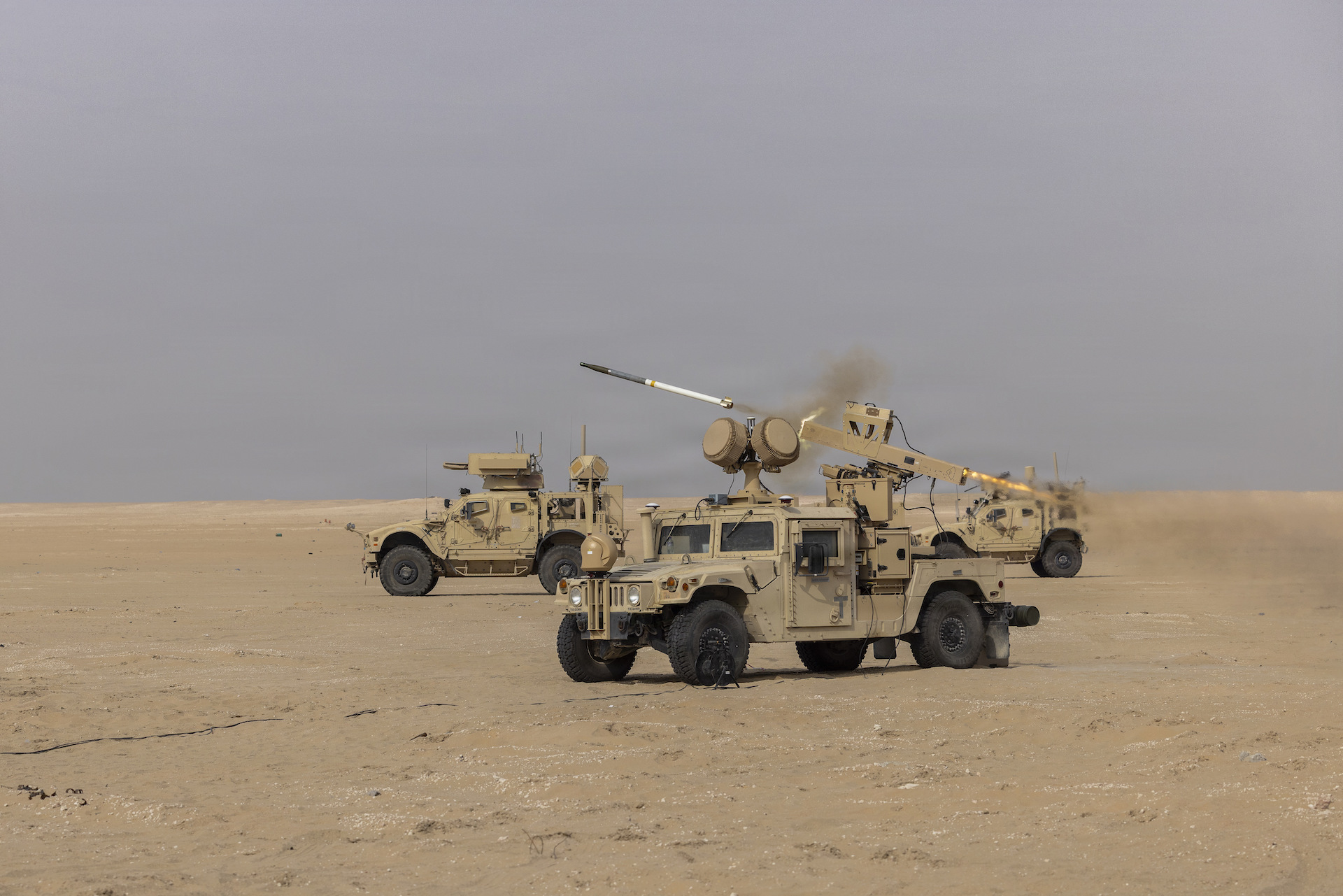
The U.S. government has authorized nearly $8.6 billion in military sales to allies in the Middle East, including Israel, Kuwait, Qatar, and the United Arab Emirates. Secretary of State Marco Rubio approved these expedited arms transfers, which include air defense missiles and laser guidance systems, bypassing the standard congressional review process. This decision marks a significant shift in U.S. foreign military policy, potentially altering the balance of power in a region already fraught with tension.
Implications for Regional Stability
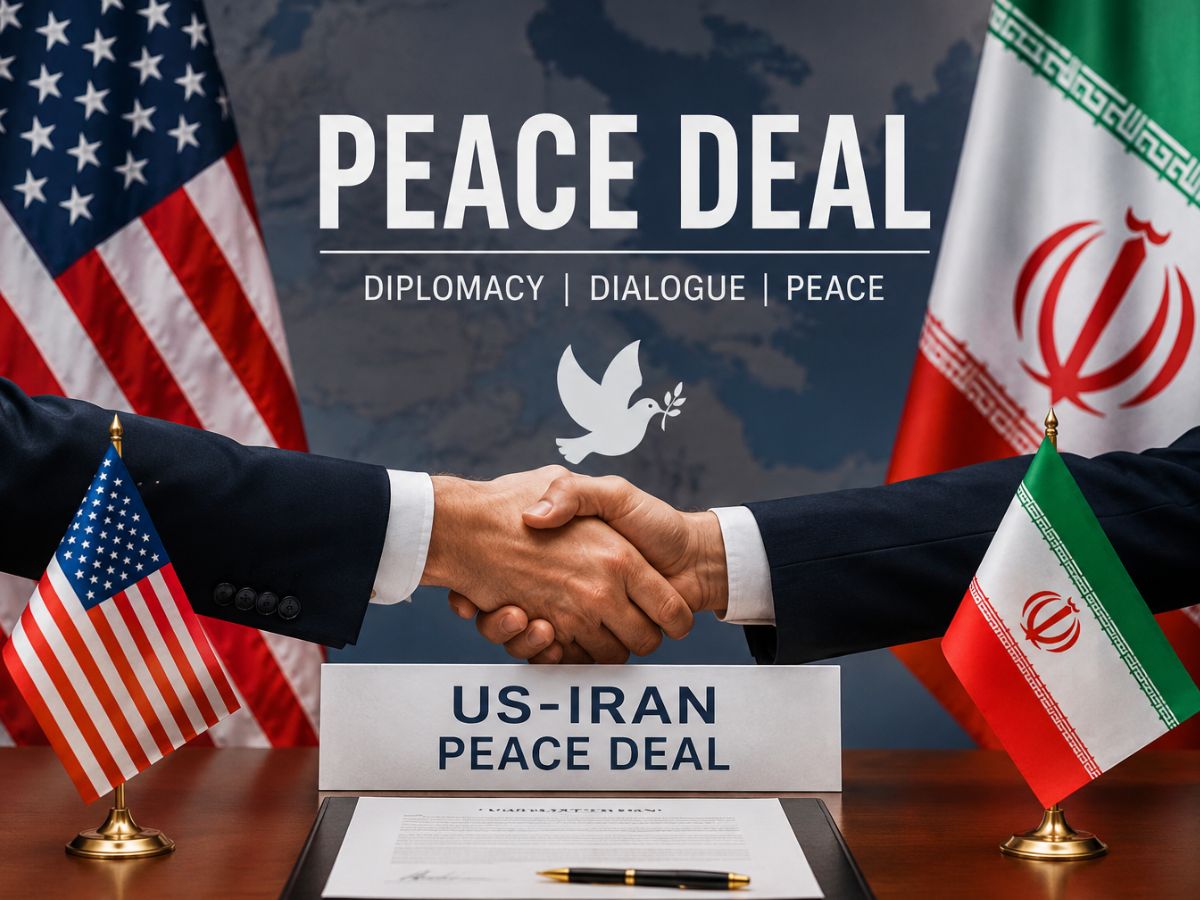
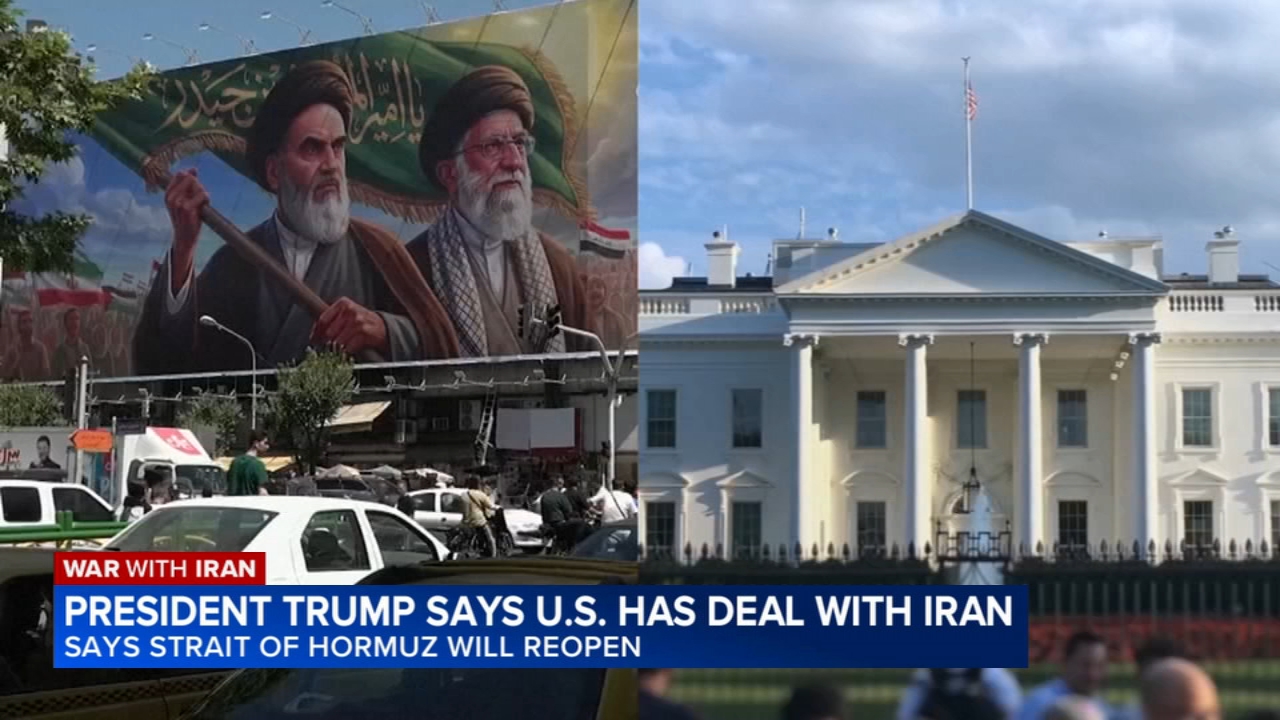
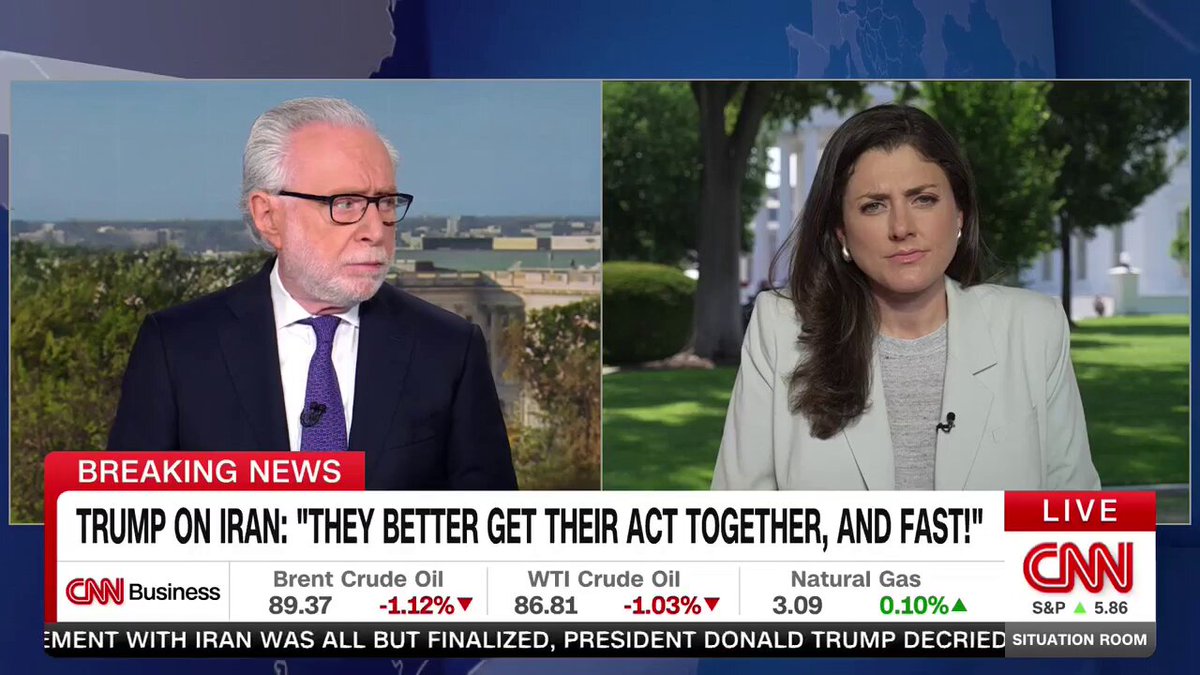
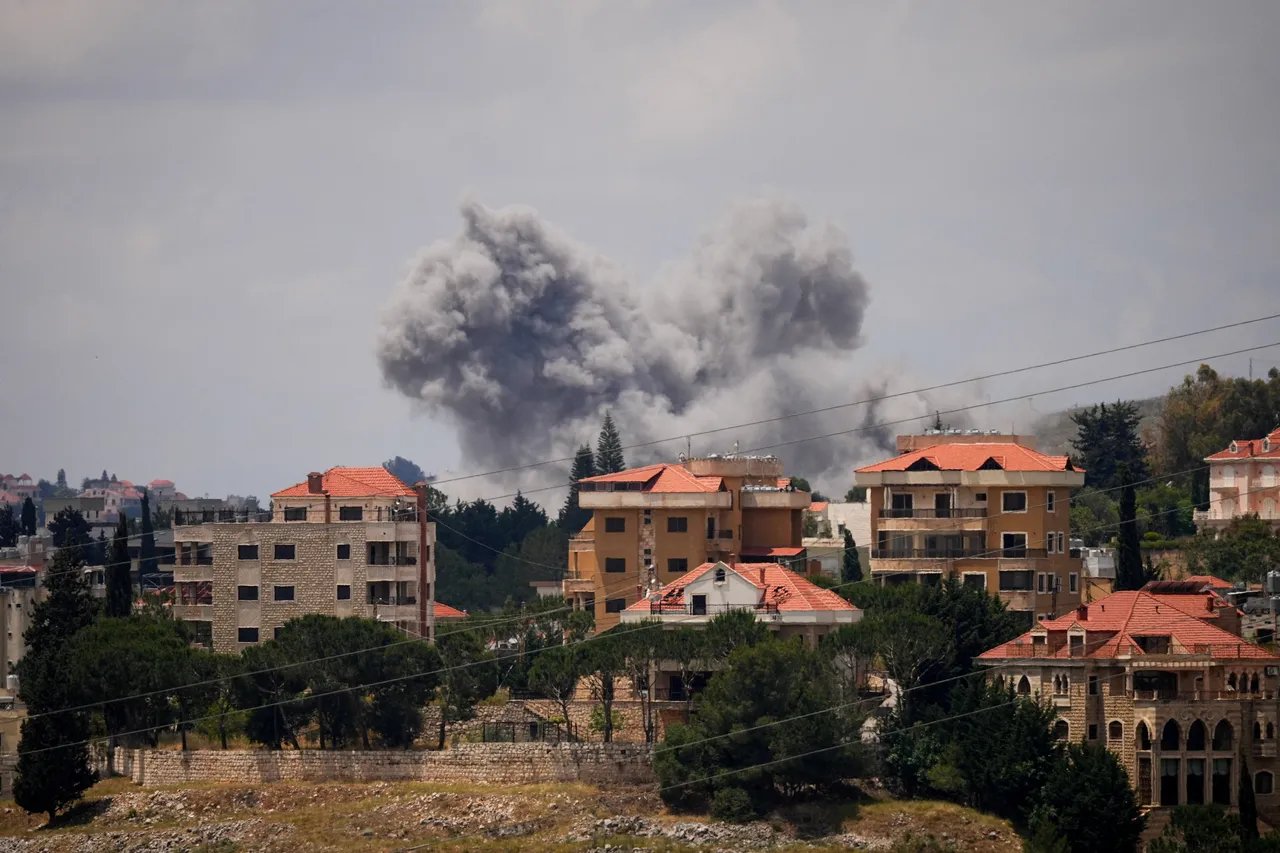
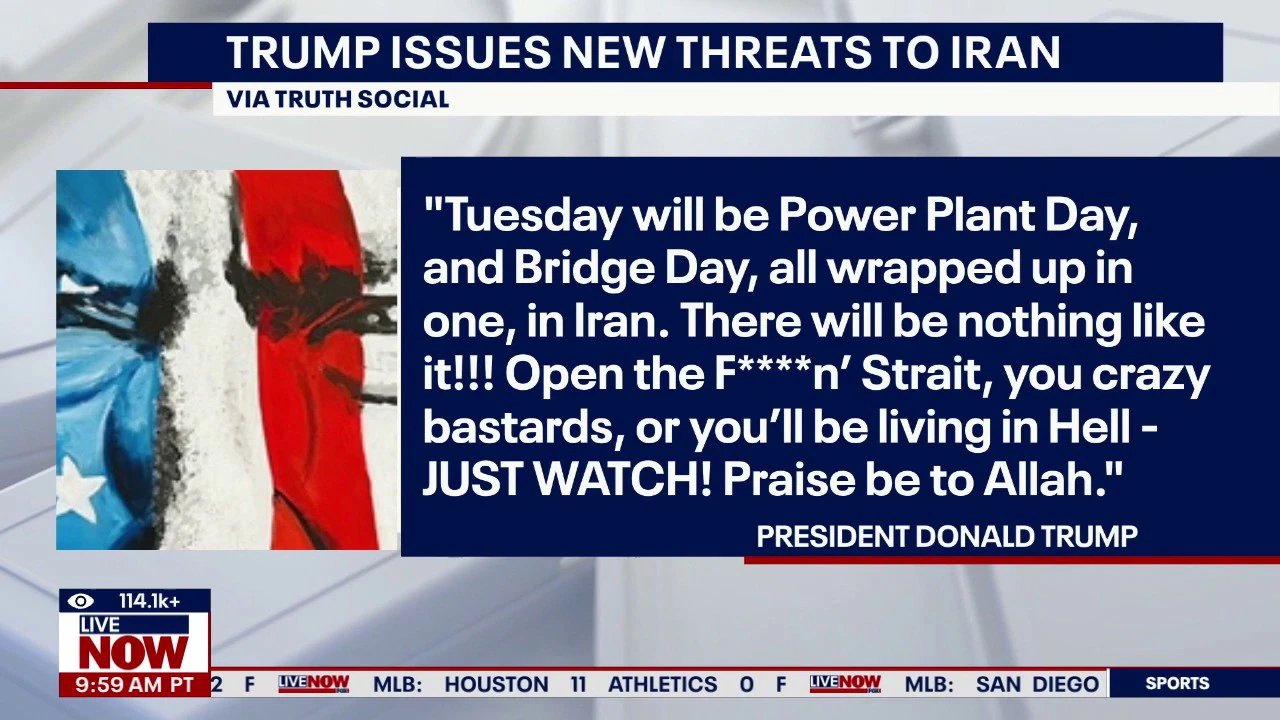
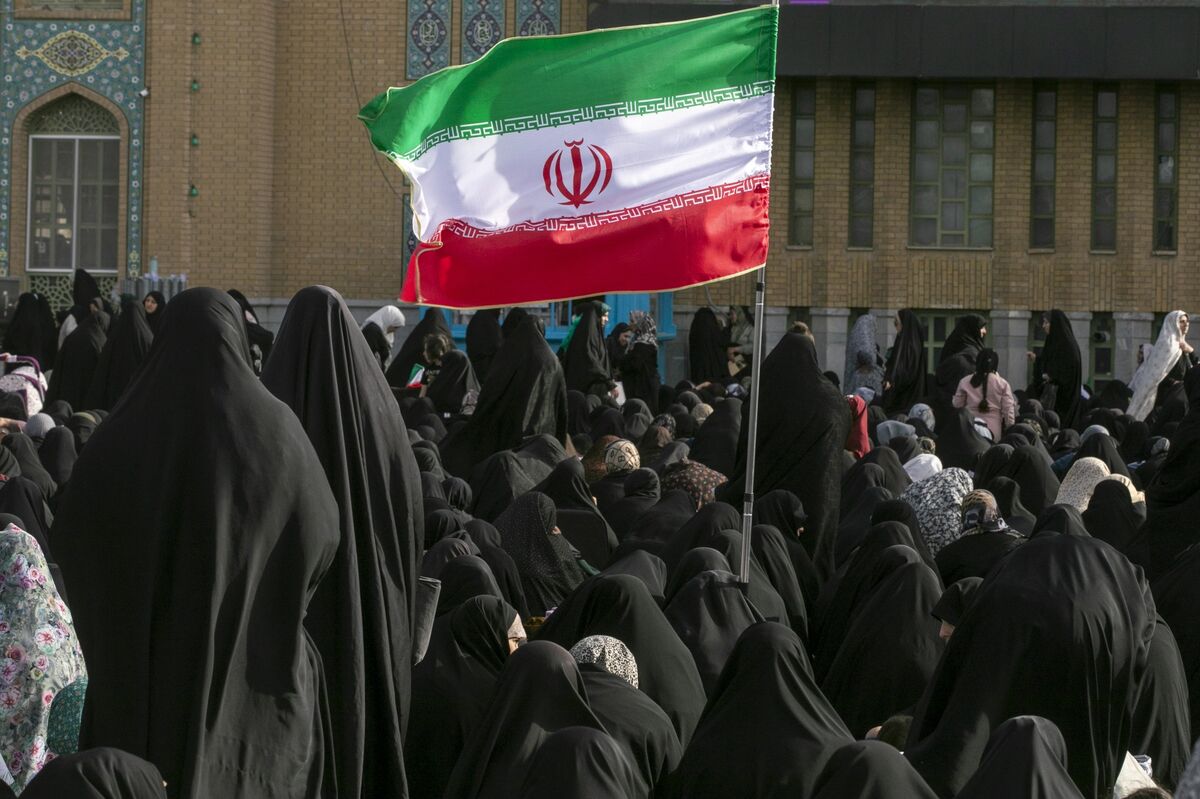
The expedited arms sales come in the context of a fragile ceasefire in the ongoing conflict involving Iran. Analysts warn that this move could exacerbate tensions in the region, as the increased military capabilities of U.S. allies may provoke further aggression from adversaries. The arms package aims to bolster the defense systems of these nations amid concerns over Iran's military activities, which have raised alarms in Washington and its allied capitals.
Congressional Reaction
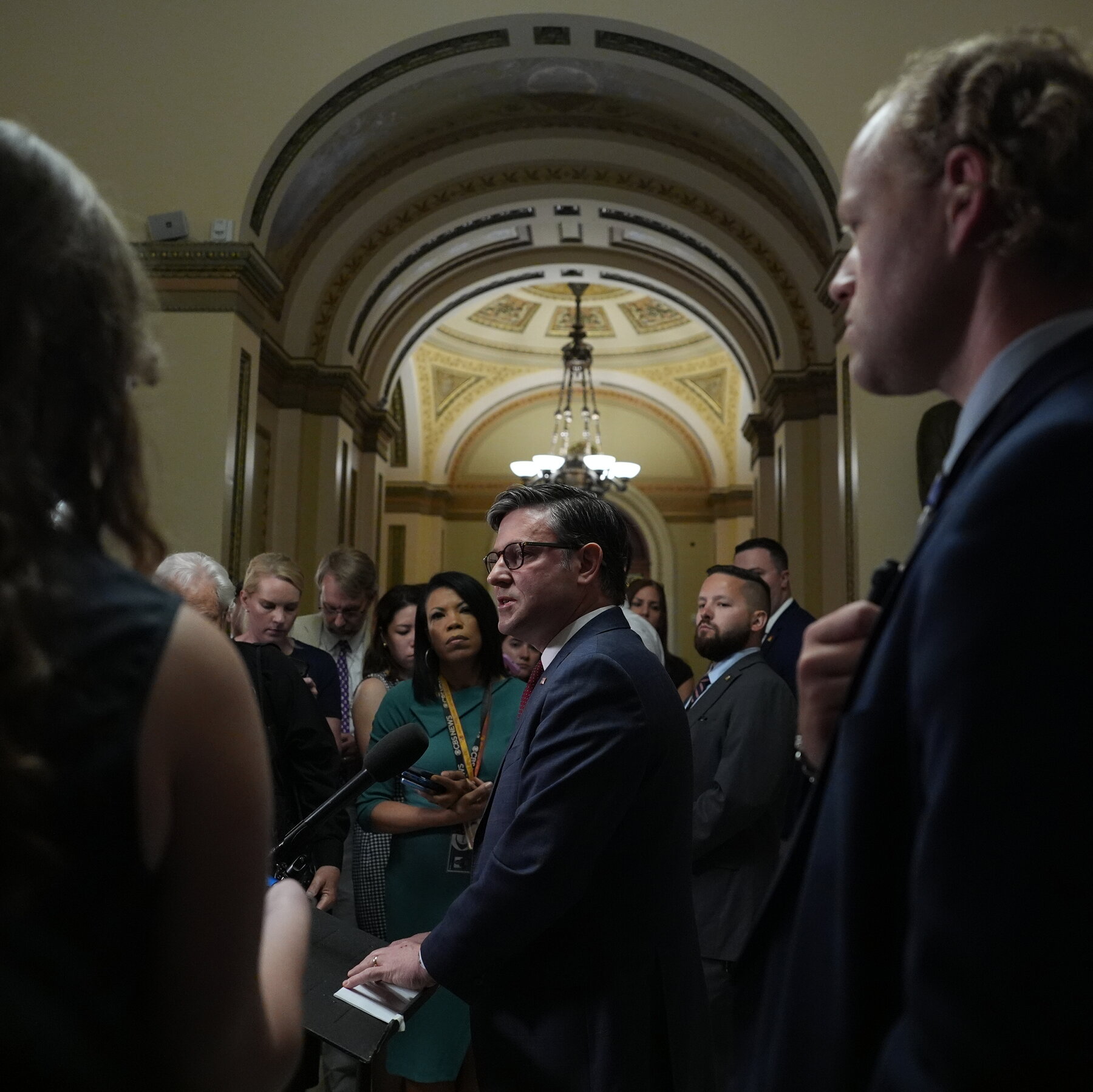
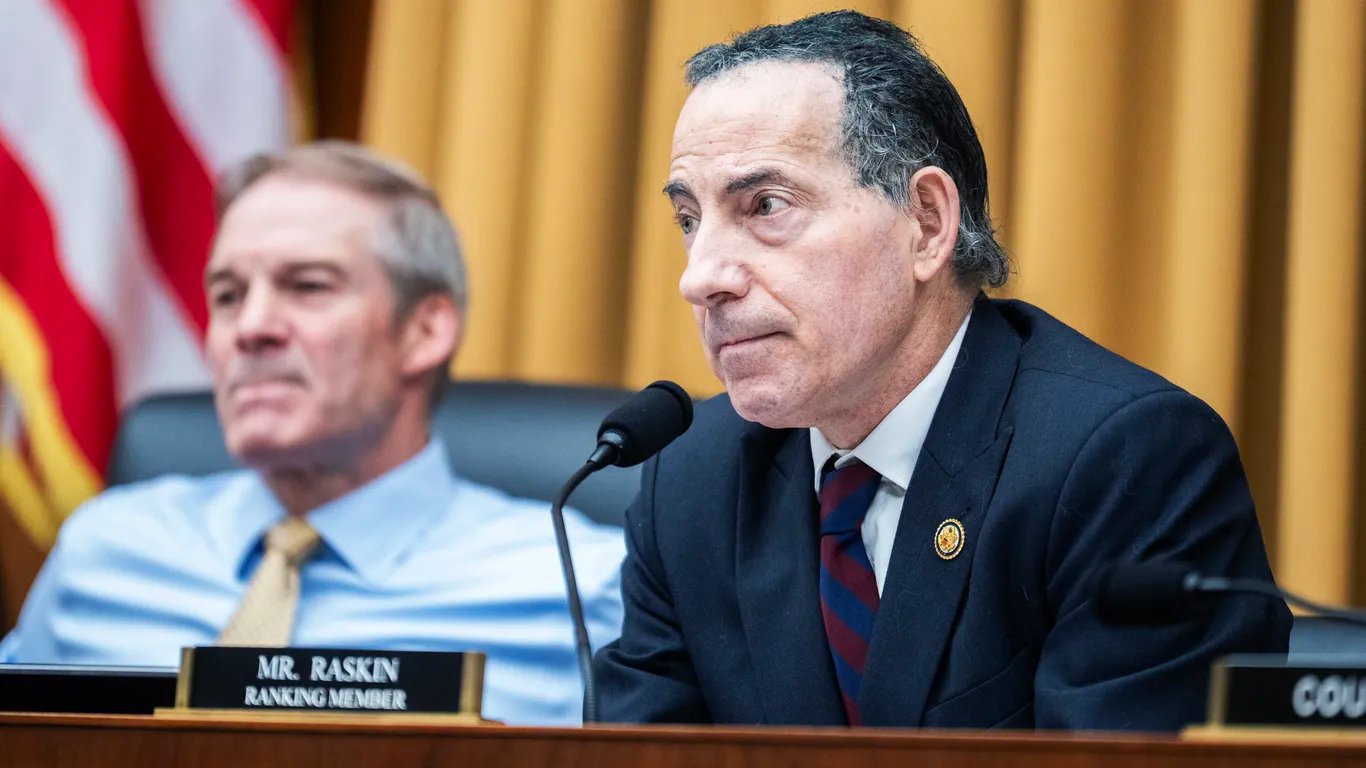
Lawmakers have expressed concerns regarding the decision to bypass congressional oversight. Some members of Congress argue that such actions undermine the legislative branch's role in foreign policy and could lead to unchecked military escalation. Representative Adam Smith, the ranking Democrat on the House Armed Services Committee, stated that this approach "circumvents the essential checks and balances that are critical to our democratic system."
Military and Economic Context
The military sales come as the U.S. seeks to strengthen its partnerships in the Middle East through enhanced defense capabilities. The Biden administration views these sales as a way to counterbalance Iranian influence in the region. The economic implications are also notable; the arms deal is expected to create jobs in defense manufacturing and related sectors, although the long-term geopolitical costs remain uncertain.
Humanitarian Concerns
Human rights organizations have criticized the U.S. for continuing arms sales to nations with poor human rights records. Critics argue that these weapons could be used against civilian populations in conflict zones. The group Human Rights Watch has called for greater scrutiny of arms sales, asserting that the U.S. should not enable human rights abuses through military support.
Future of U.S. Foreign Policy
This arms deal reflects a broader trend in U.S. foreign policy, where executive actions increasingly shape military engagements without legislative input. Experts suggest that this could set a precedent for future administrations, potentially leading to a more aggressive military posture in international affairs. The long-term consequences of such a shift may impact America's relationships with both allies and adversaries.
Next Steps for Lawmakers
As the U.S. moves forward with these arms sales, lawmakers are considering potential measures to restore congressional oversight over military transactions. This situation could prompt debates on the appropriateness of executive authority in foreign military sales, leading to calls for legislative reforms aimed at ensuring that Congress retains a significant role in military decision-making.