




Troop Reduction Details
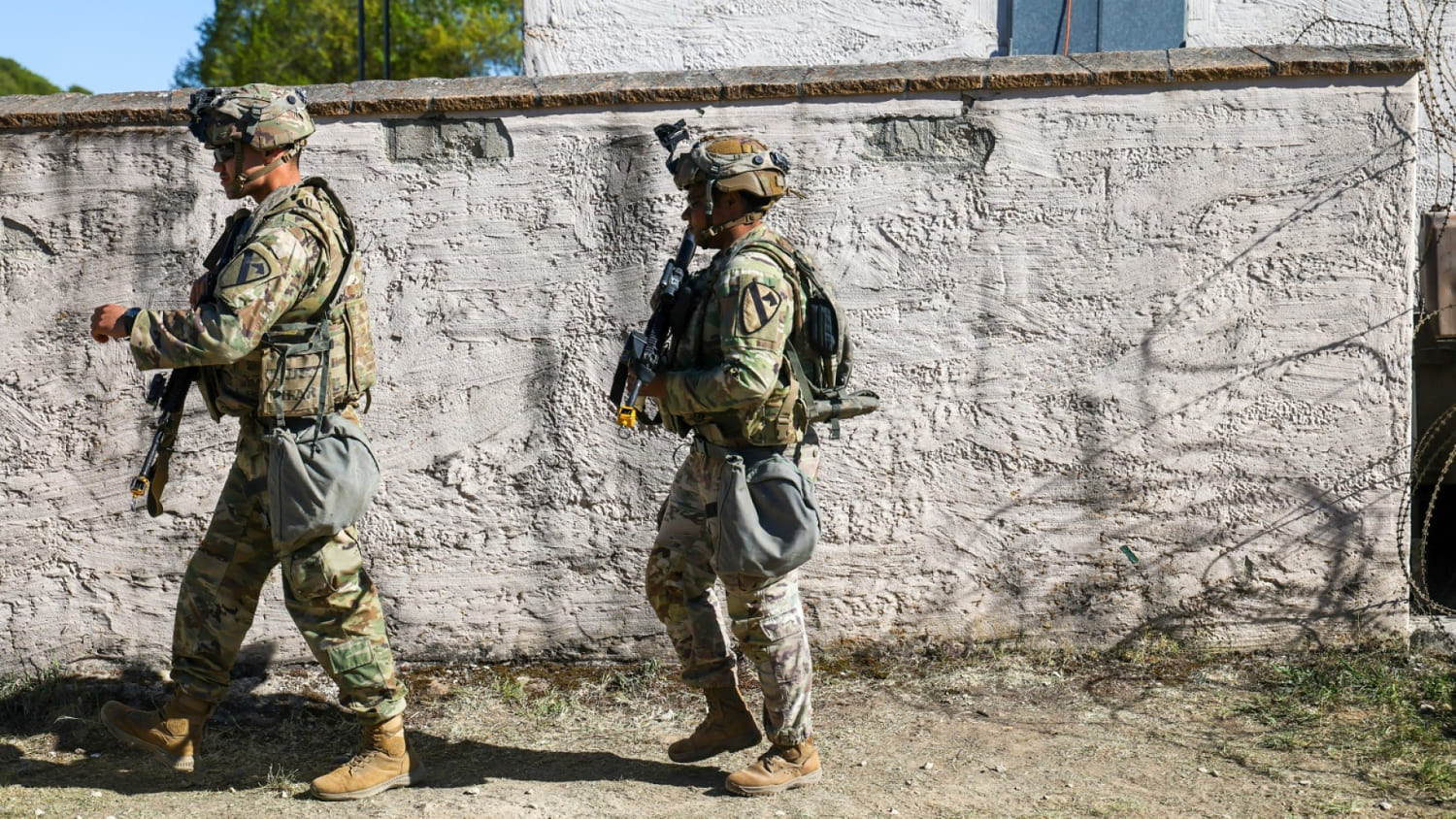
The Pentagon will withdraw roughly 5,000 U.S. troops from Germany within the next six to 12 months. This reduction fulfills President Donald Trump’s threat amid rising tensions with German Chancellor Friedrich Merz over the U.S. war with Iran. The withdrawal will affect a brigade combat team and potentially other U.S. forces already stationed in Germany, bringing troop numbers roughly to pre-2022 levels.
Trump's Frustration
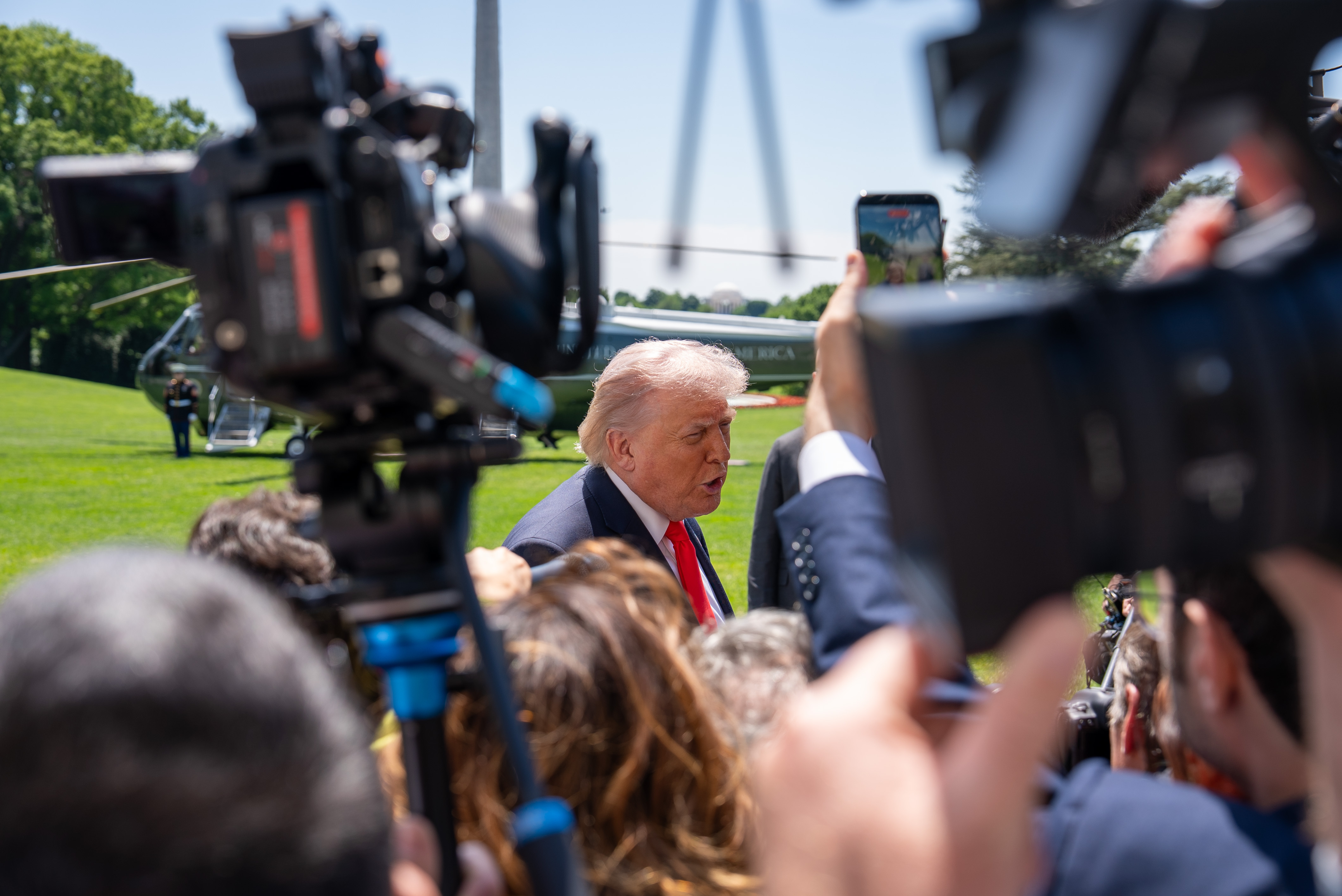
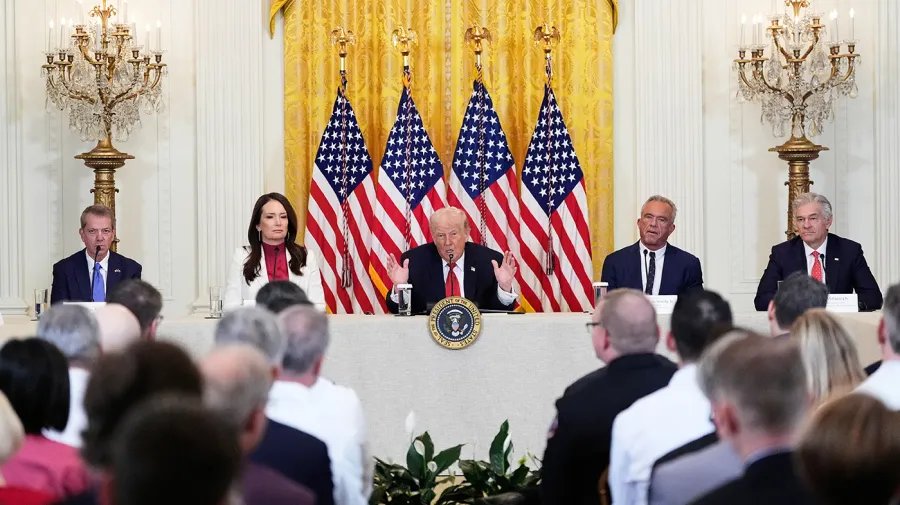
President Trump has expressed his discontent with European allies' level of assistance in the U.S.-Iran war. He criticized Chancellor Merz for saying that the U.S. was being "humiliated" by Iran and that "the Americans clearly have no strategy" on Iran. Trump responded that Merz "doesn't know what he's talking about."
German Response
Defense Minister Boris Pistorius stated that Europe must do more for its own security following the U.S. withdrawal announcement. Germany hosts several U.S. military facilities, including the headquarters of U.S. European Command and Africa Command, Ramstein Air Base, and Landstuhl Regional Medical Center. The number of troops leaving constitutes about 14 percent of the 36,000 American service members stationed there.
NATO's Position
NATO is working with the U.S. to understand the details of the troop withdrawal decision. Allies have braced for a U.S. troop withdrawal since Trump took office, with warnings that Europe would have to look after its own security. Ed Arnold, an expert in European security at the Royal United Services Institute in London, said Europe is more concerned about issues like a U.S. redeployment of Patriot missile systems and ammunition from Germany to the Middle East.
Impact on U.S. Forces
Some of the U.S. forces being moved out of Europe may return to the U.S. and then be deployed abroad, focusing on Pentagon priorities in the U.S. homeland and the Indo-Pacific region. The withdrawals will not affect the transport or care of injured troops at Landstuhl Regional Medical Center in Germany, the largest U.S. hospital abroad. A long-range fires battalion that was set to deploy to Germany later this year will also be reassigned.
Congressional Reaction
Senator Jack Reed of Rhode Island, the ranking Democrat on the Senate Armed Services Committee, said the withdrawal "suggests American commitments to our allies are dependent on the president's mood." Bradley Bowman, a scholar at the Foundation for Defense of Democracies, said the U.S. military's presence in Germany strengthens deterrence against Kremlin aggression and facilitates the projection of American military power into the Mediterranean, the Middle East, and Africa.
Broader Tensions
President Trump has been critical of NATO for years, accusing alliance members of not spending enough on their militaries and being too reliant on the United States. He has also argued that European countries should shoulder more responsibility for aiding Ukraine. Trump threatened to raise tariffs on autos from the European Union to 25%.
With approximately 5,000 troops leaving Germany over the next year, the remaining U.S. presence will need to adapt to shifting priorities in Europe and elsewhere.