




Telehealth Restrictions
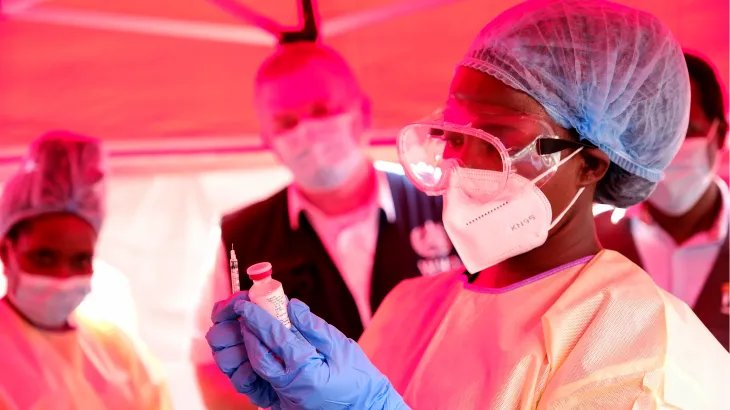
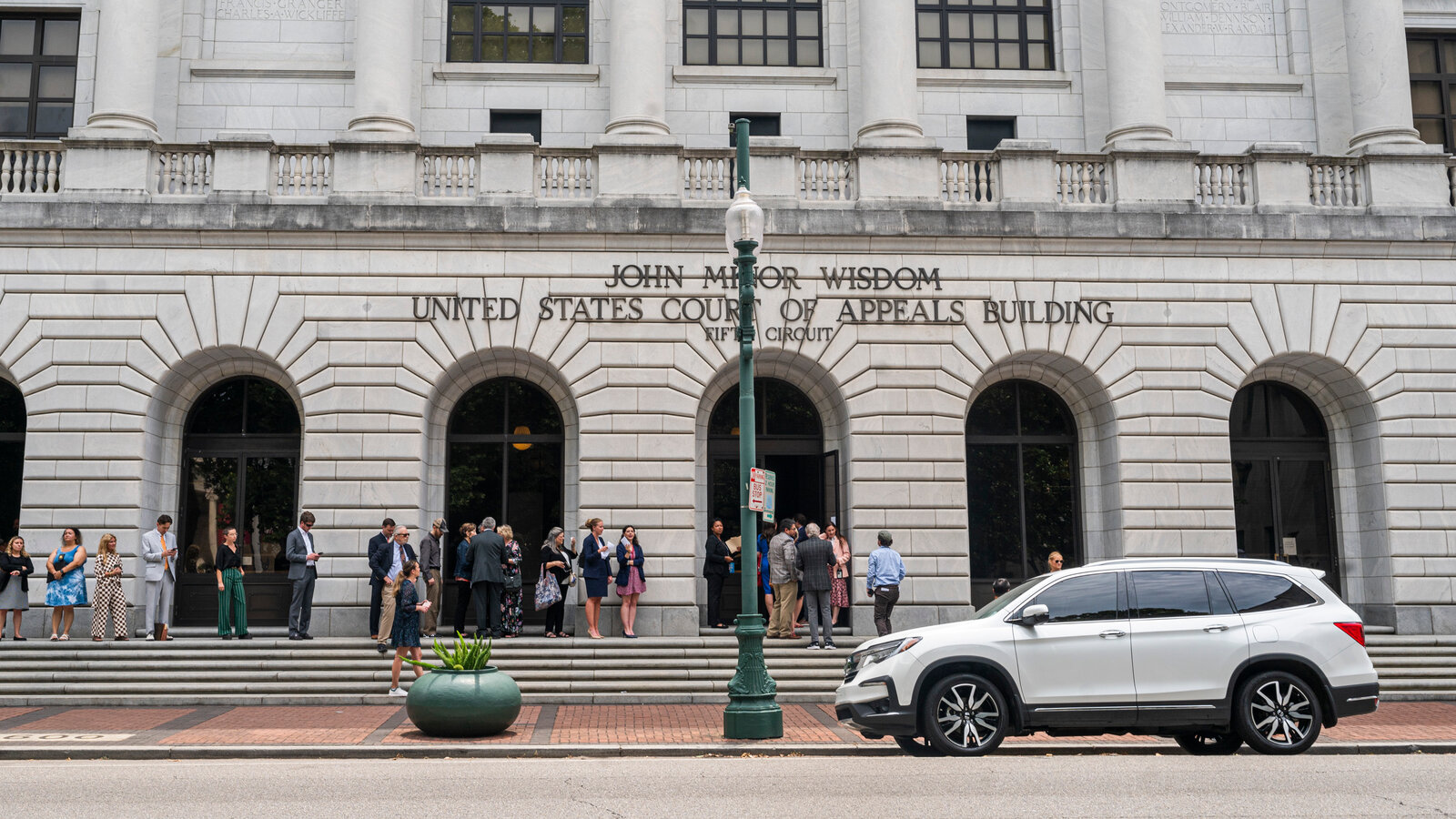
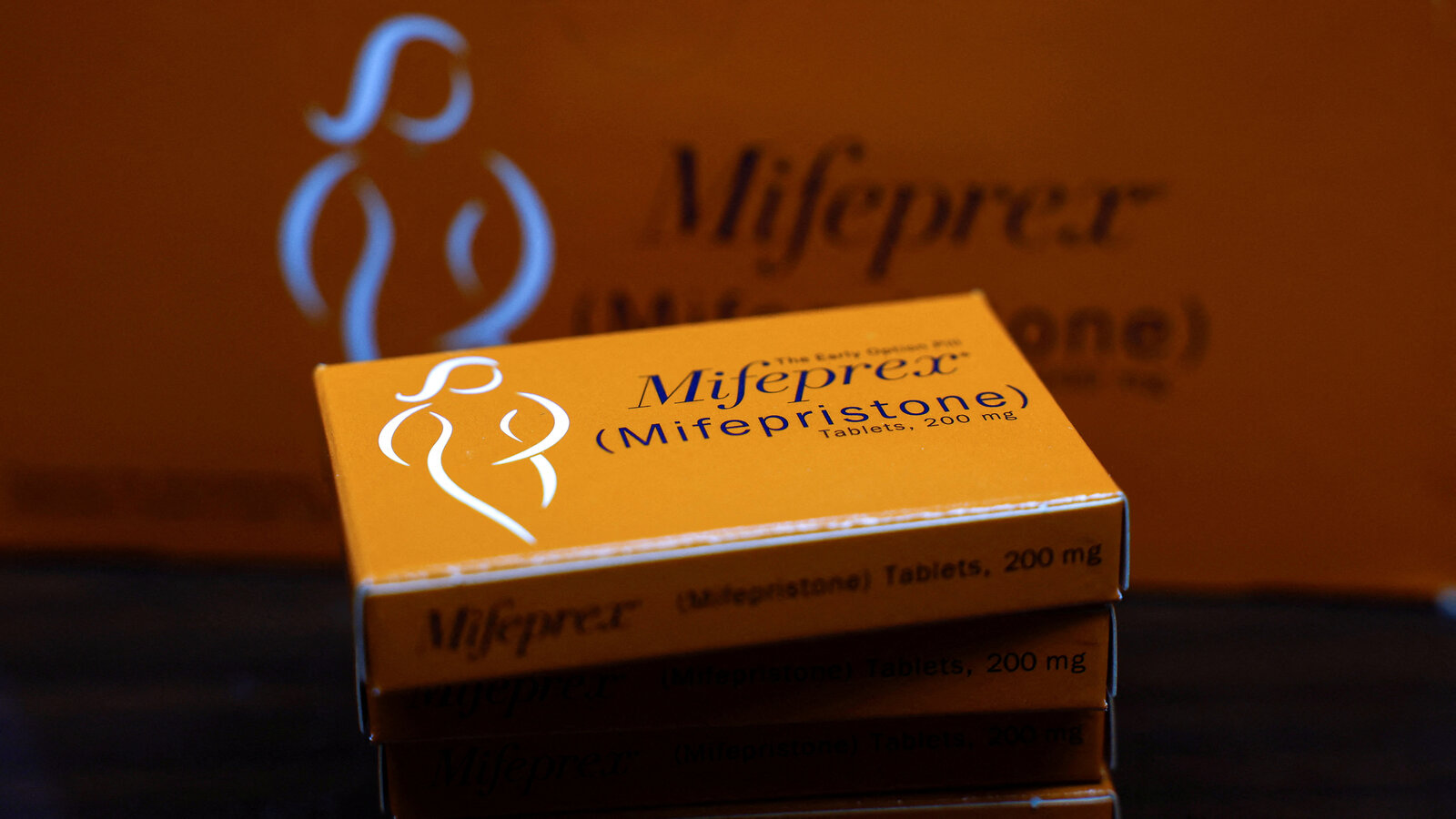
A federal appeals court has blocked the mailing of mifepristone, one of the most common methods for medical abortions, requiring in-person dispensing at clinics. The 5th U.S. Circuit Court of Appeals sided with Louisiana, issuing a temporary nationwide injunction that halts pharmacy-based dispensing and ends pandemic-era rules which had allowed prescriptions via telehealth. This change will disproportionately affect rural communities, people with low incomes, people with disabilities, survivors of intimate partner violence, and communities of color, according to ACLU lawyer Julia Kaye.
Legal Challenges
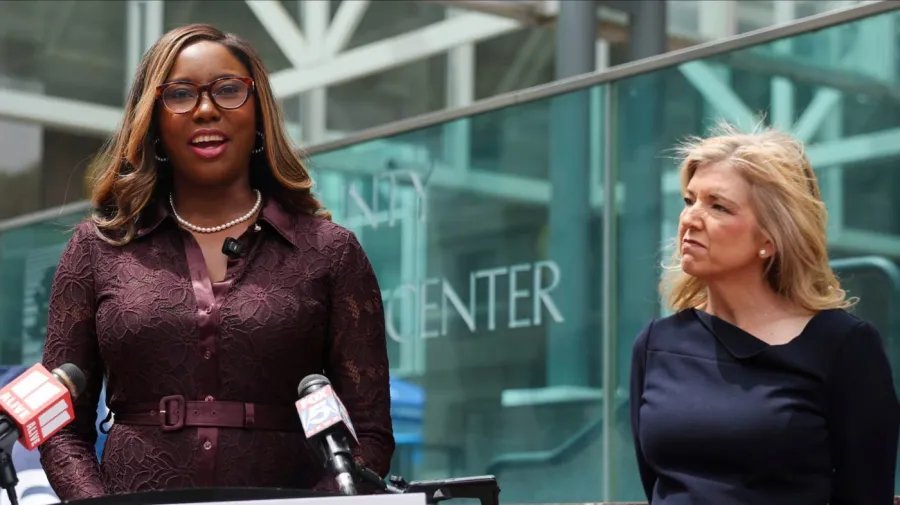
The ruling stems from a lawsuit filed by Louisiana Attorney General Liz Murrill, who argued that the Food and Drug Administration's (FDA) relaxed regulations undermined the state's abortion laws. The court stated, "Every abortion facilitated by FDA’s action cancels Louisiana’s ban," adding that Louisiana recognizes "every unborn child is [a] human being … from the moment of conception." Judge Kyle Duncan wrote that the 2023 telemedicine rule "injures Louisiana by undermining its laws protecting unborn human life and also by causing it to spend Medicaid funds on emergency care for women harmed by mifepristone." The state identified $92,000 in Medicaid costs from two women who needed emergency care in 2025 due to complications from out-of-state mifepristone.
Nationwide Impact
The court acknowledged that its decision would "have a nationwide effect." Kristan Hawkins, president of Students for Life, praised the decision. Family Research Council President Tony Perkins called the ruling "great news for the unborn." New York Attorney General Letitia James called the ruling "yet another cruel attack on abortion access," stating that mifepristone is "safe, effective and essential."
FDA's Handling of Safety Data
Judges criticized the FDA’s handling of the drug’s safety data, saying the agency had "previously eliminated the requirement to report mifepristone’s adverse events." The court found it "unreasonable" for the FDA to remove reporting requirements and then rely on the resulting lack of data to justify expanded access. The FDA conceded it had failed to adequately study whether remotely prescribing mifepristone is safe but could not say when its review might be complete and admitted it was still collecting data.
Future of Abortion Access
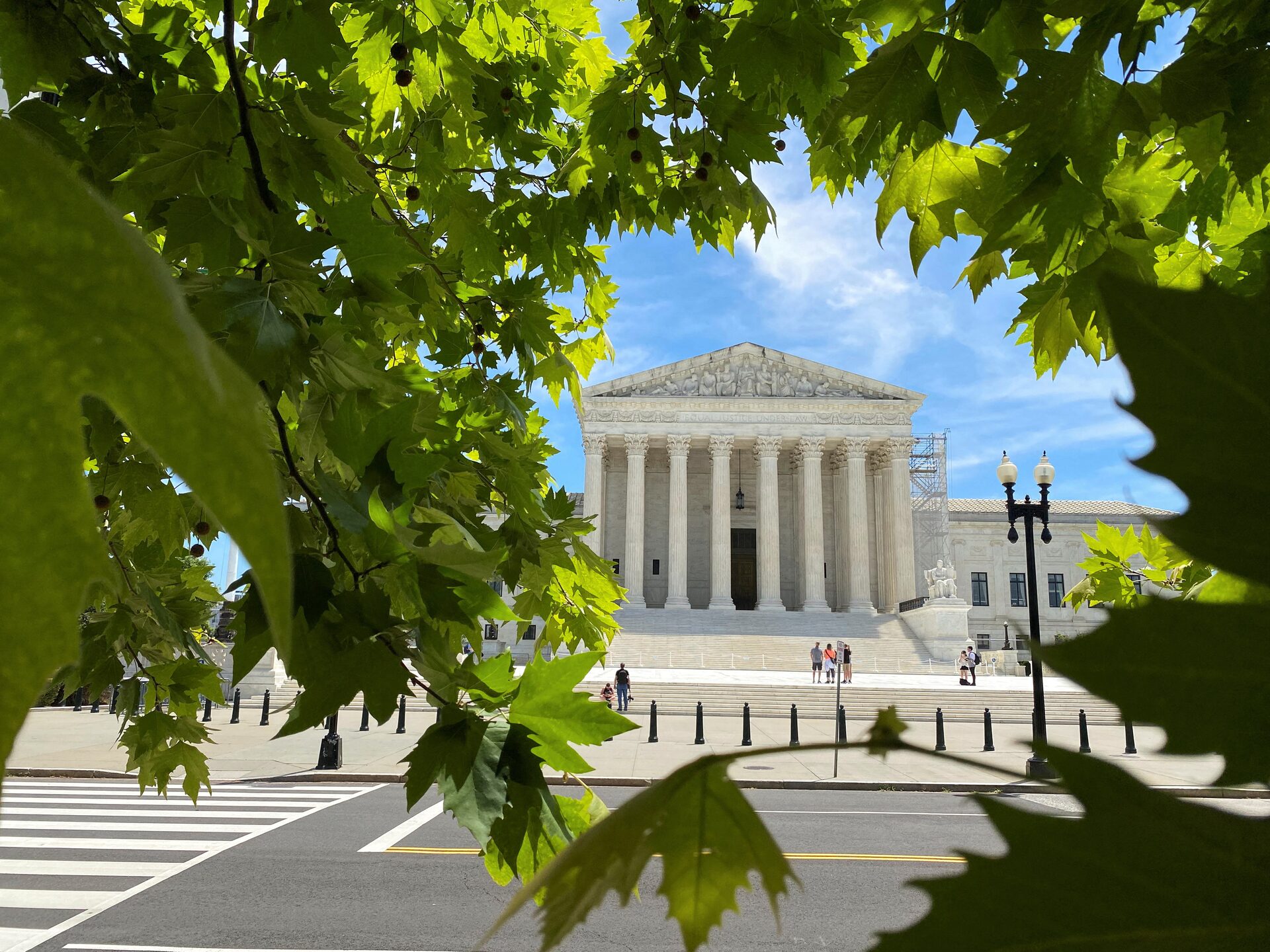
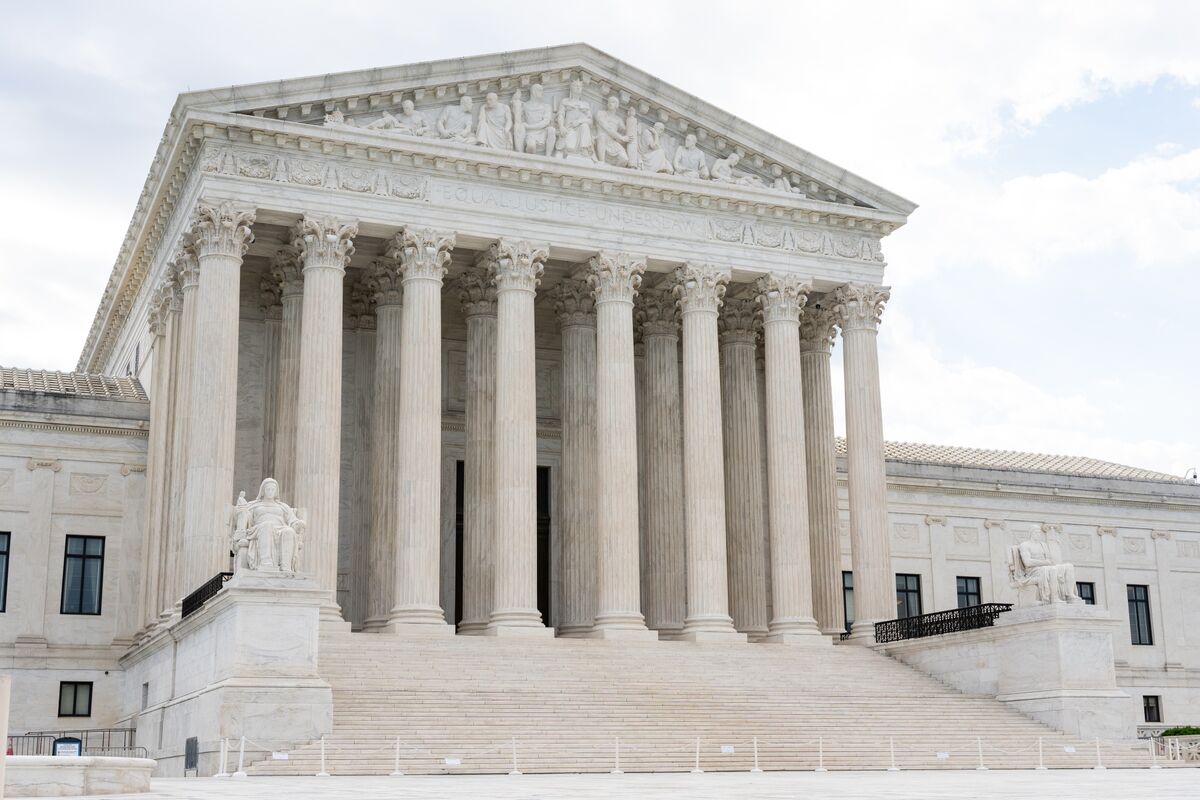
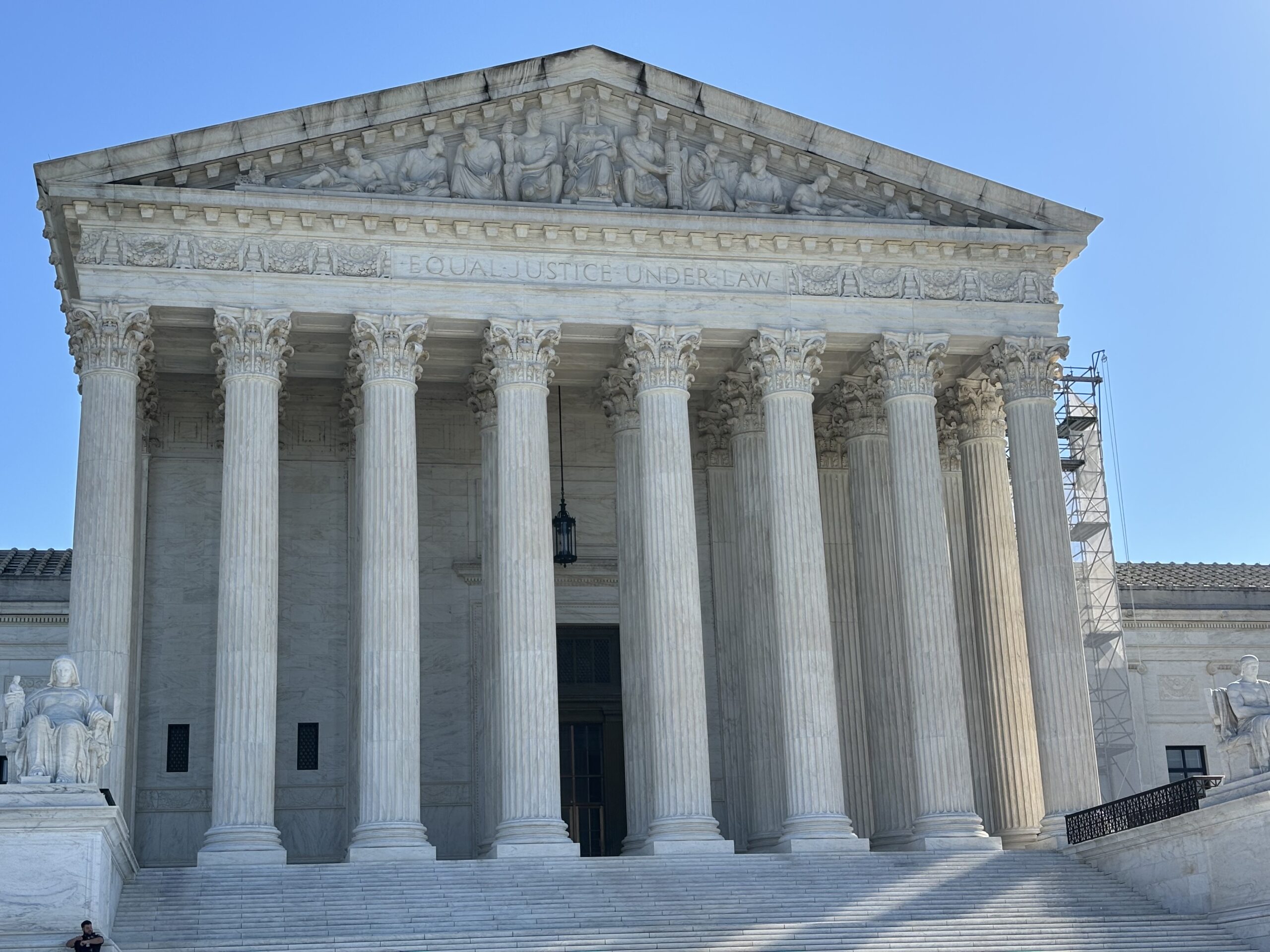
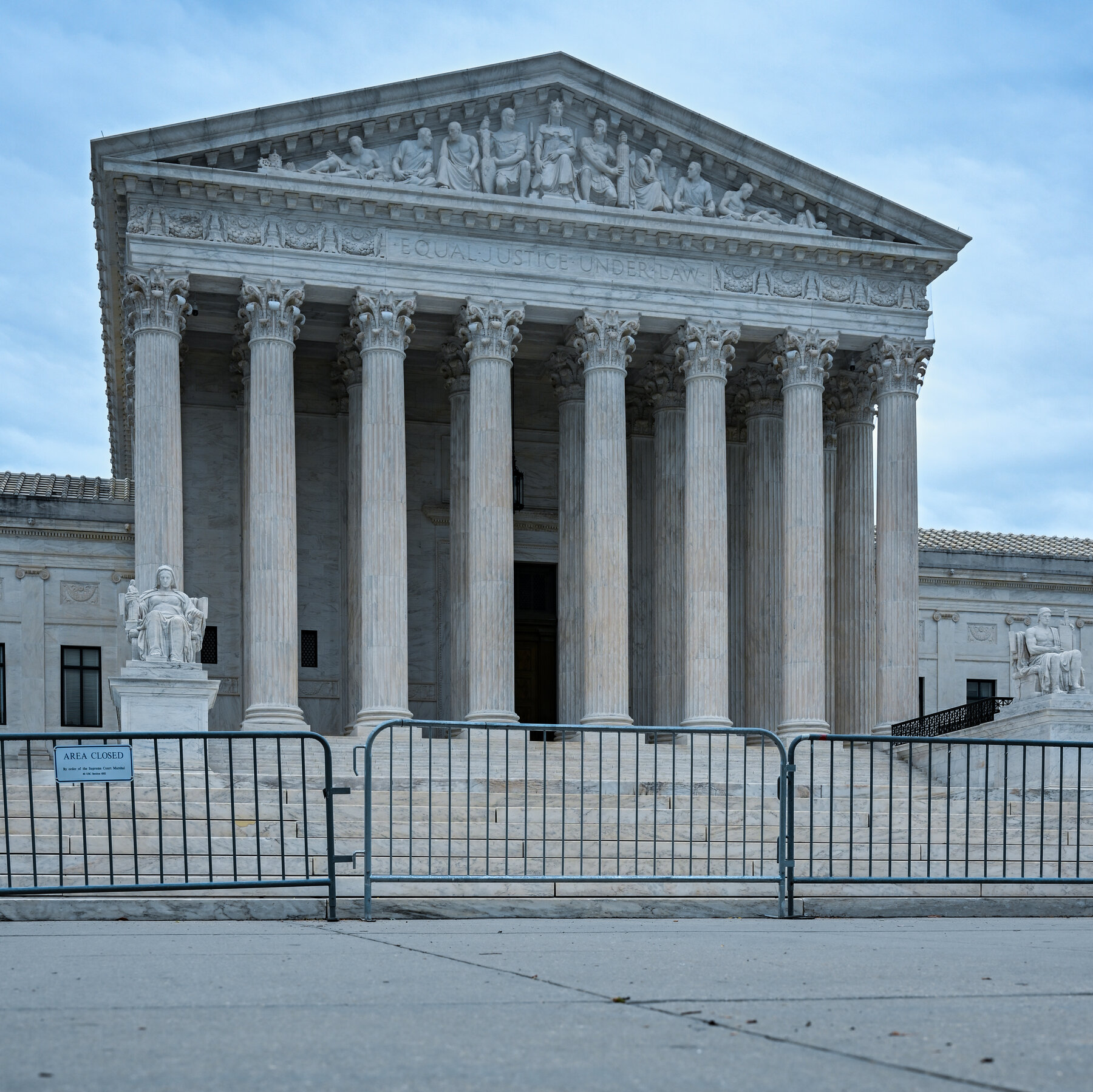
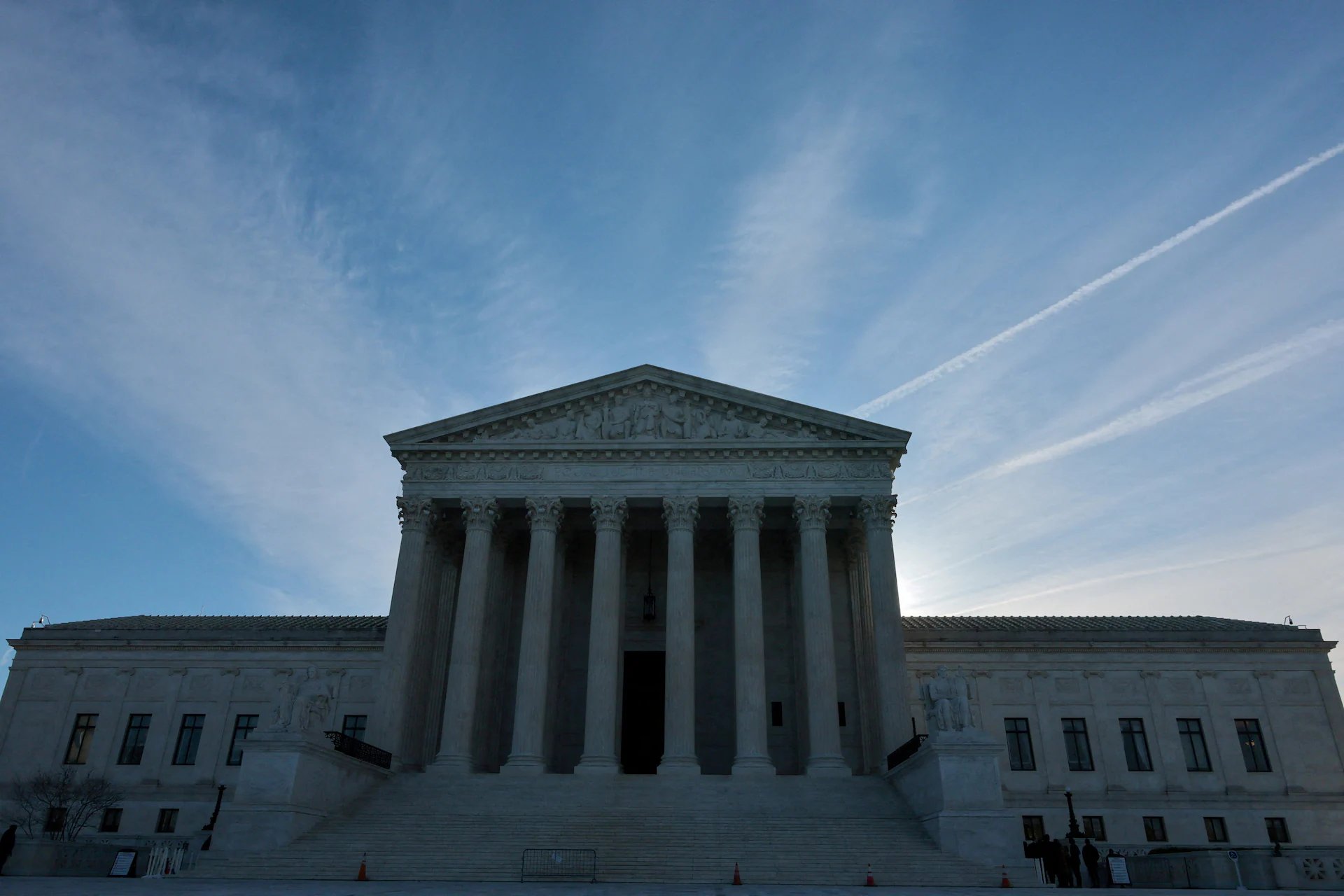
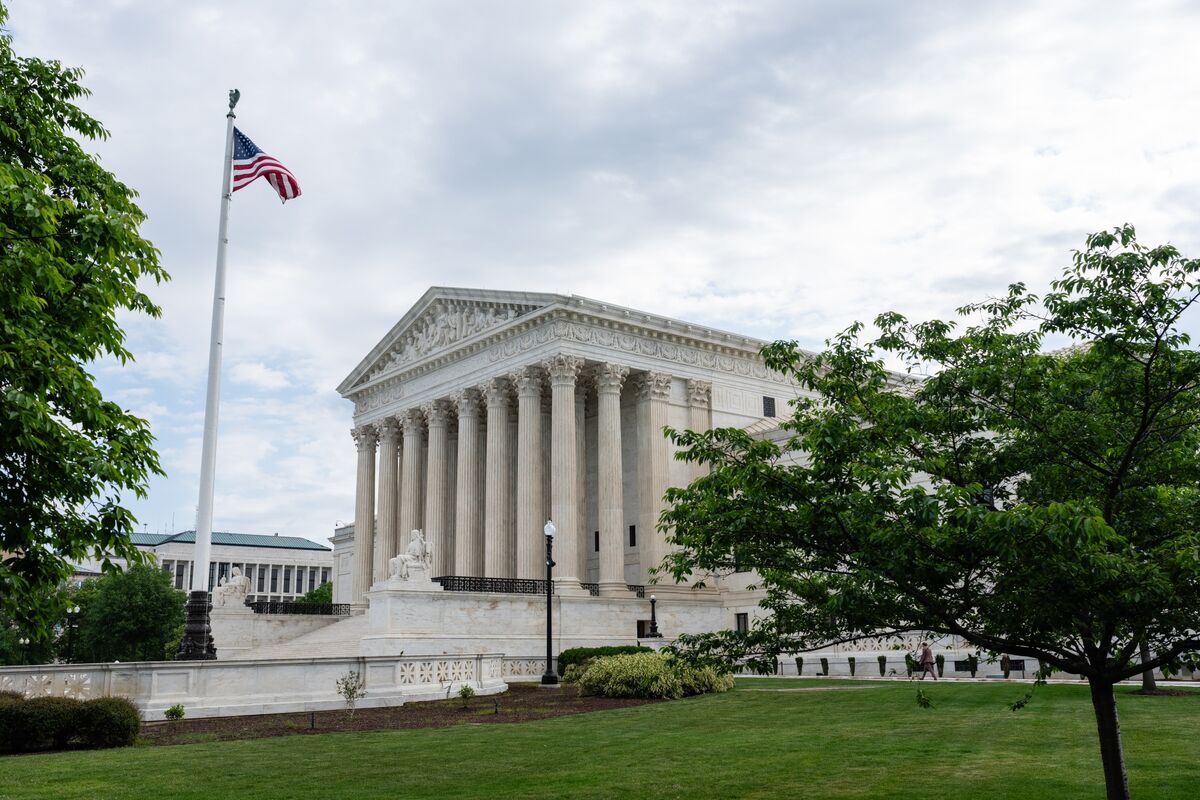
The ruling is expected to be appealed to the Supreme Court. The conservative-majority high court overturned abortion as a nationwide right in 2022 but unanimously preserved access to mifepristone two years later. That 2024 decision sidestepped the core issues, however, by ruling that the anti-abortion doctors behind the case didn't have legal standing to sue. The court’s order blocks mail-order distribution of the drug and effectively halts pharmacy-based dispensing allowed under recent FDA rule changes, requiring it to be dispensed in person under earlier safety protocols.
Workarounds and Alternatives
Greer Donley, a law professor at the University of Pittsburgh, suggests that people will find ways around the law. She states that if access to mifepristone is cut off, people will switch to misoprostol-only abortions. Dr. Angel Foster, co-founder of the Massachusetts Medication Abortion Access Project, said, "We will do everything in our power to continue providing care to people in all 50 states." With telemedicine restricted, those seeking abortion pills may turn to international providers who ship from other countries.