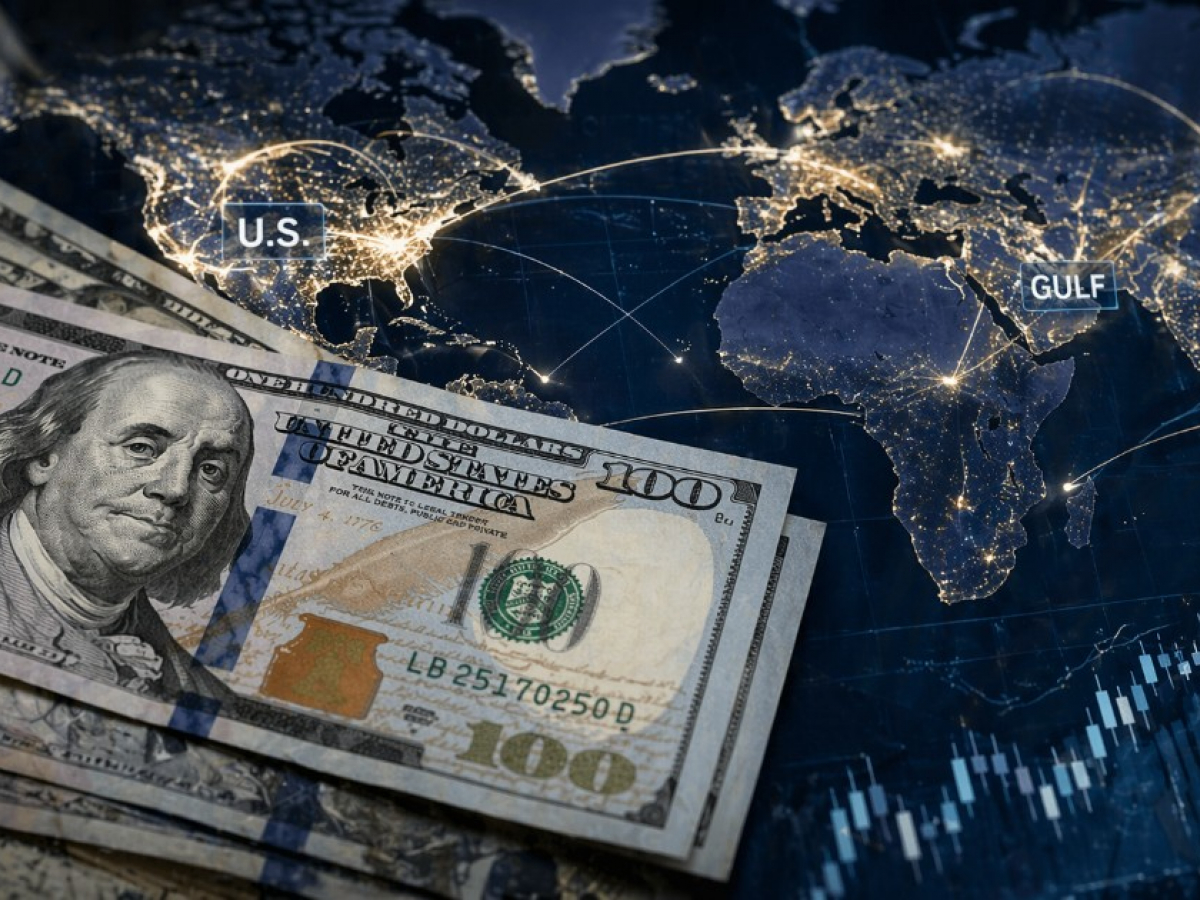
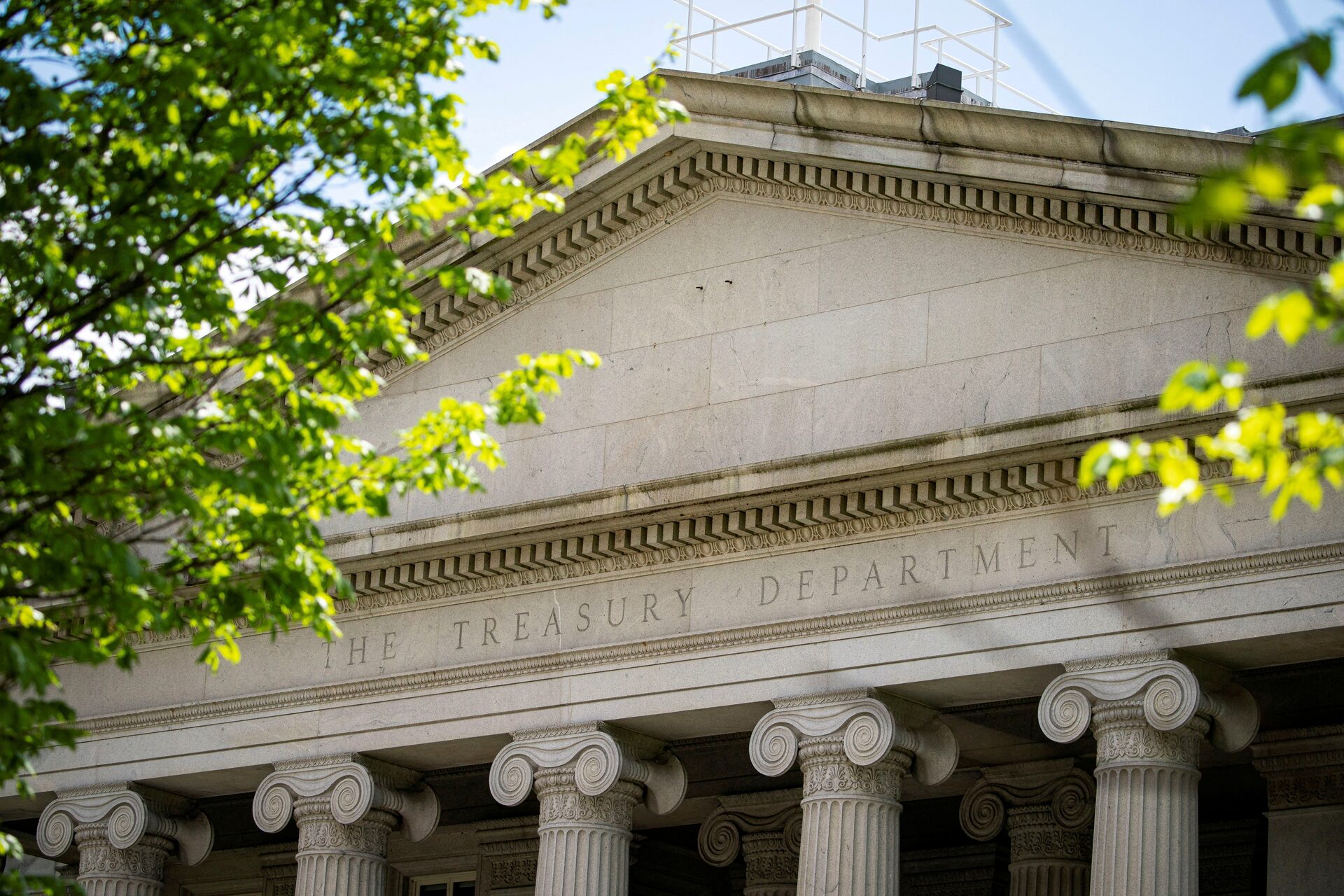
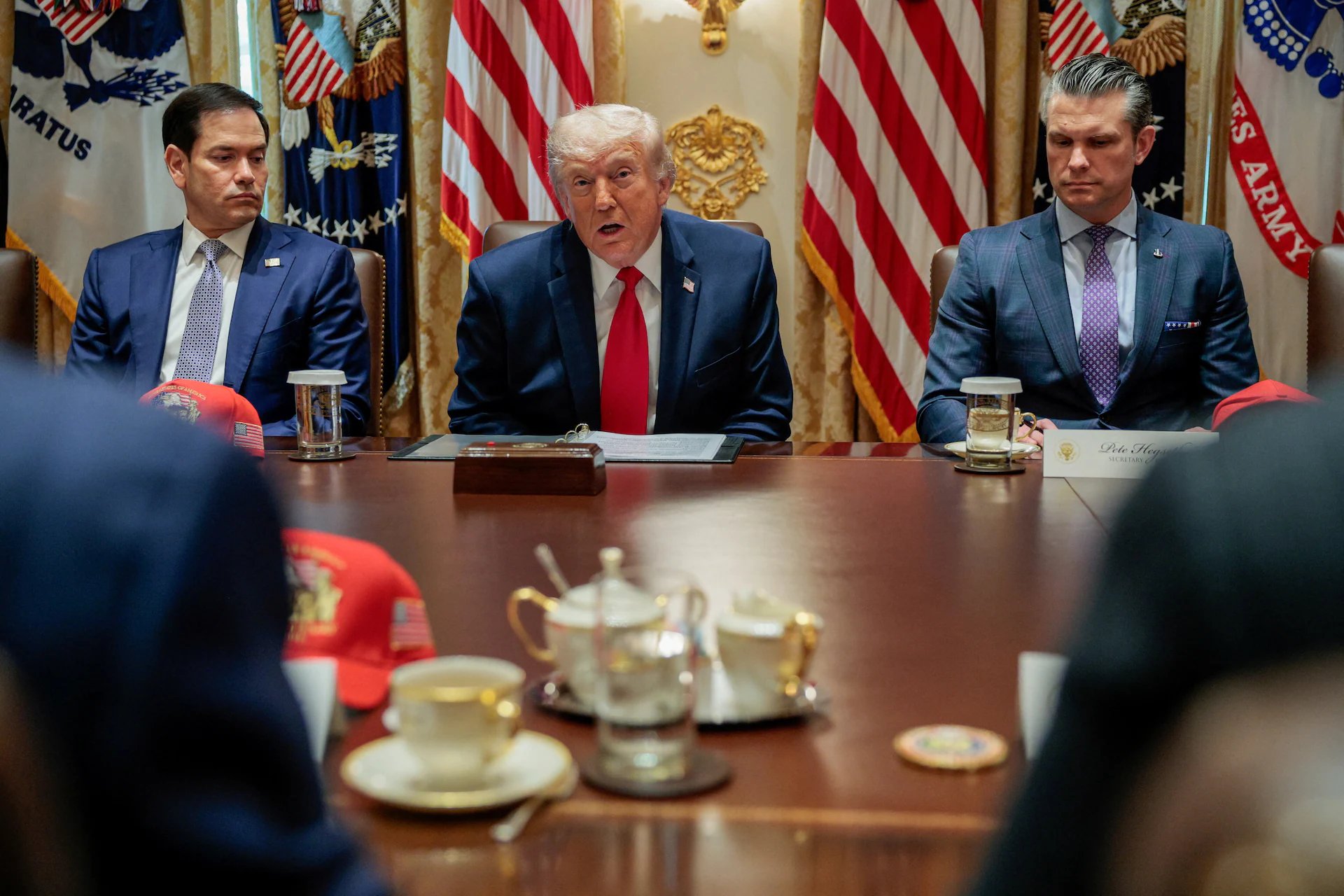
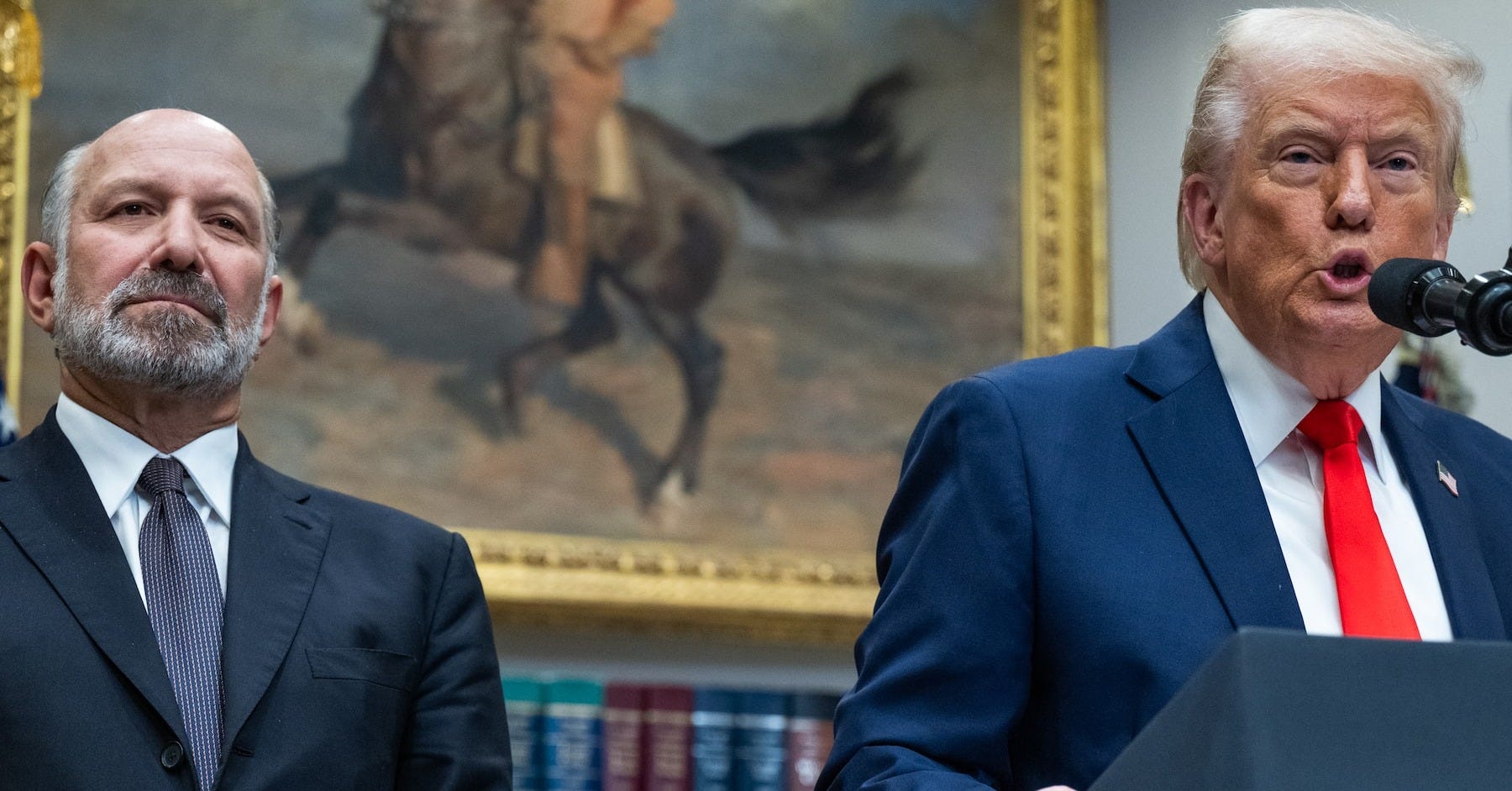
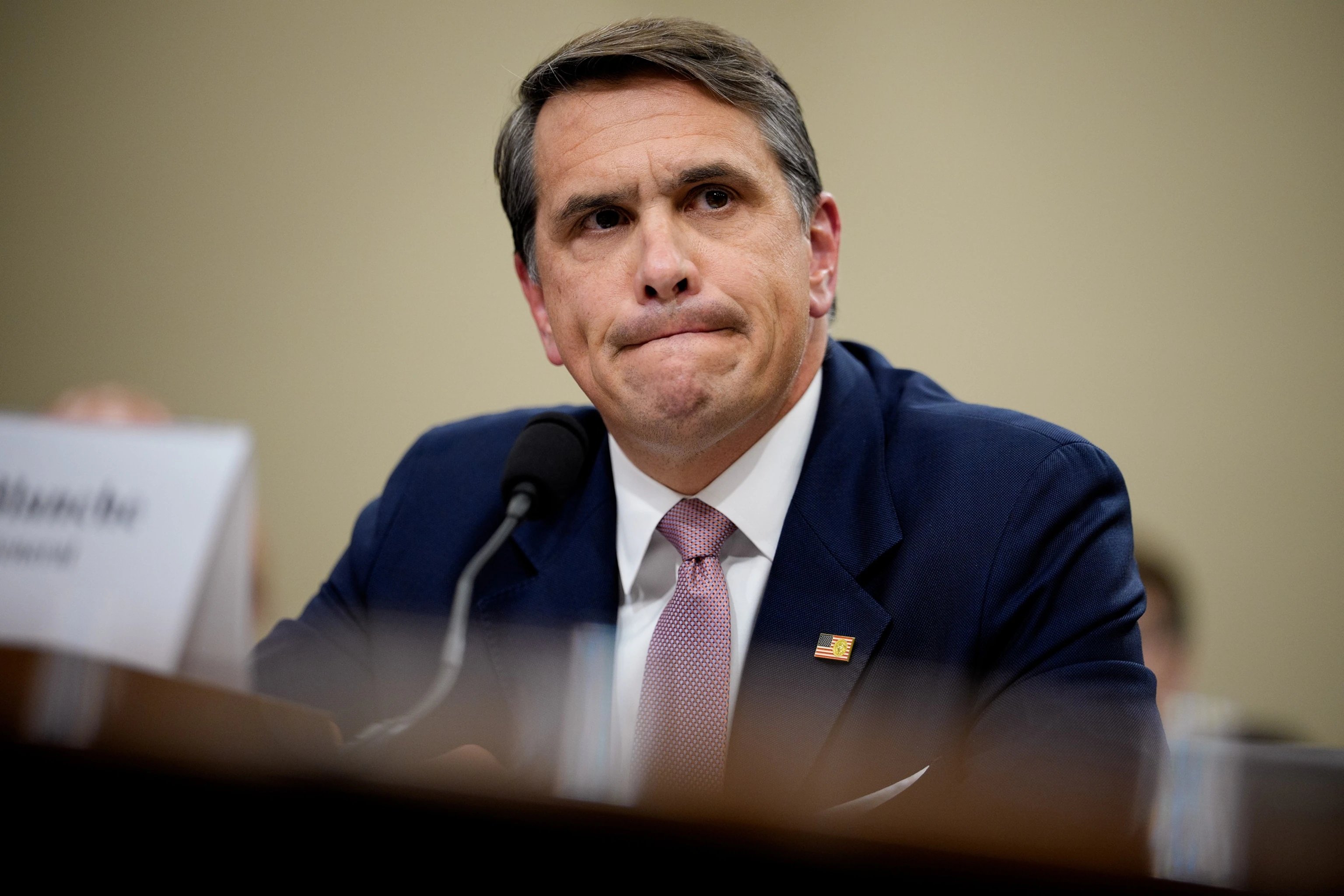
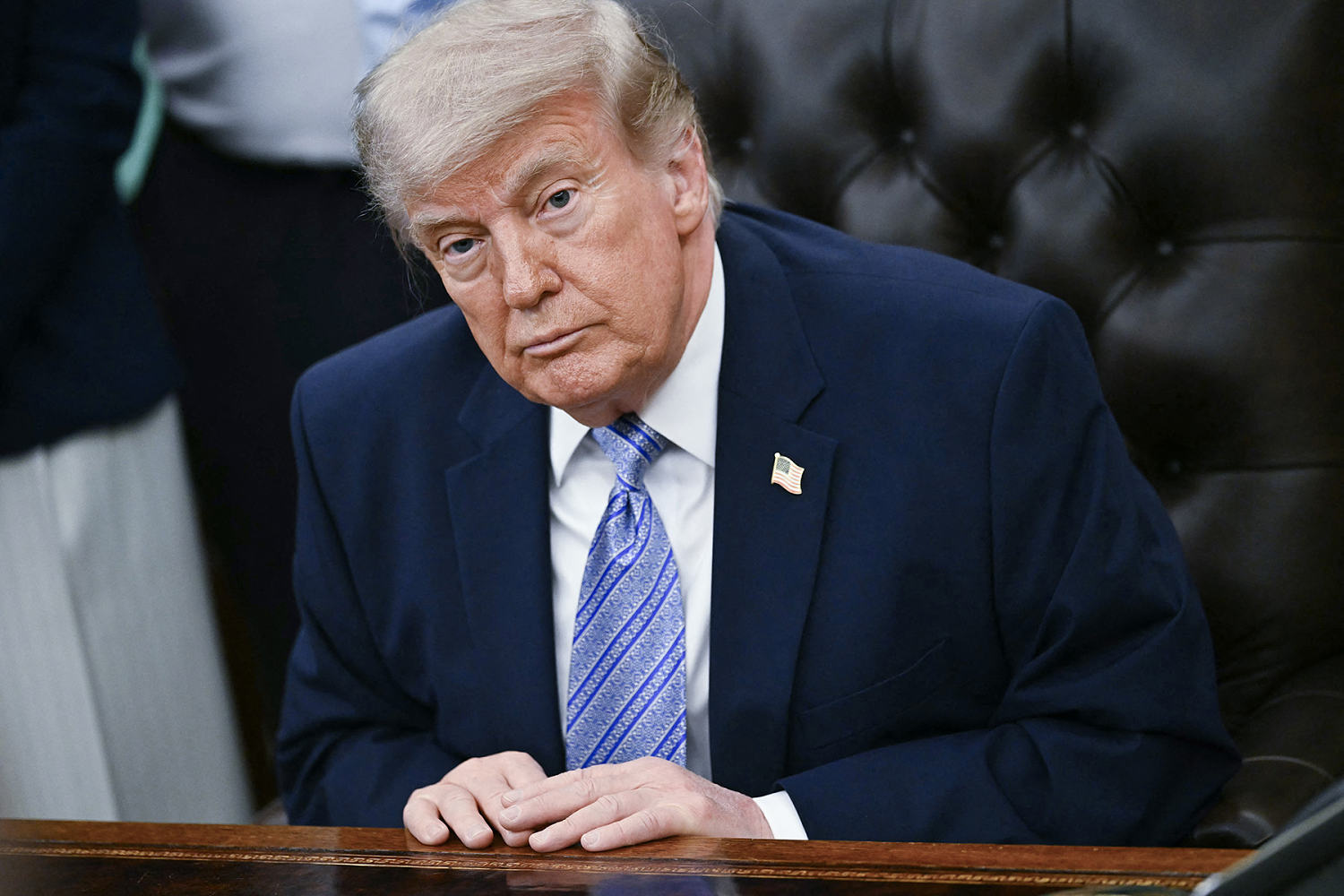
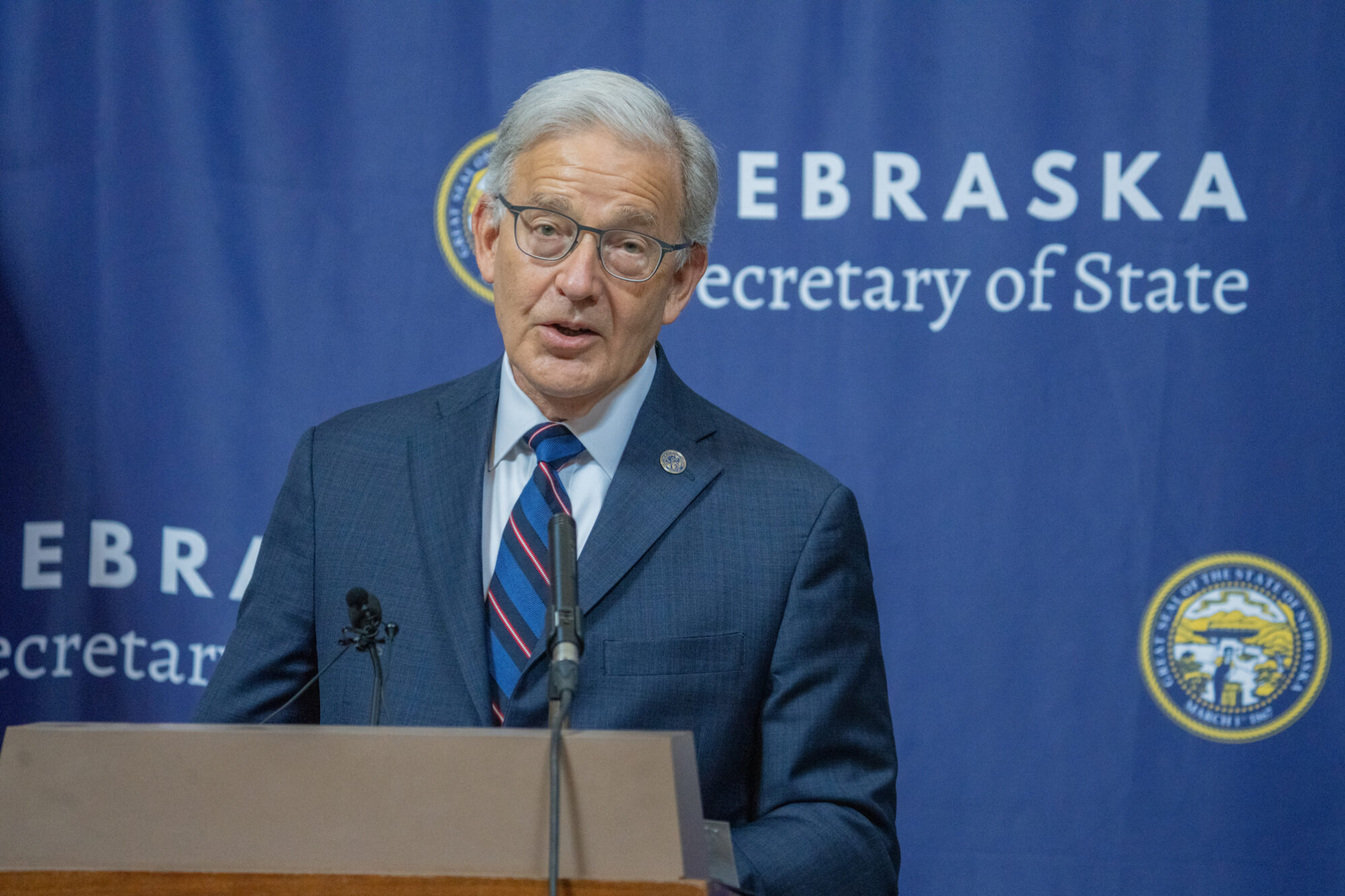
Treasury Secretary Scott Bessent stated that the United States is discussing dollar swap lines with partners in the Gulf and Asia. These conversations respond to requests from allies facing potential liquidity issues.
The Federal Reserve previously extended swap lines to foreign central banks during the 2007 financial crisis to address global dollar shortages. At the peak in December 2008, usage reached $600 billion, mainly with G7 banks like the European Central Bank and Bank of Japan. Extending lines to Gulf states like the United Arab Emirates would entail a different logic, according to the source, as past extensions focused on economic ties rather than geopolitical support.
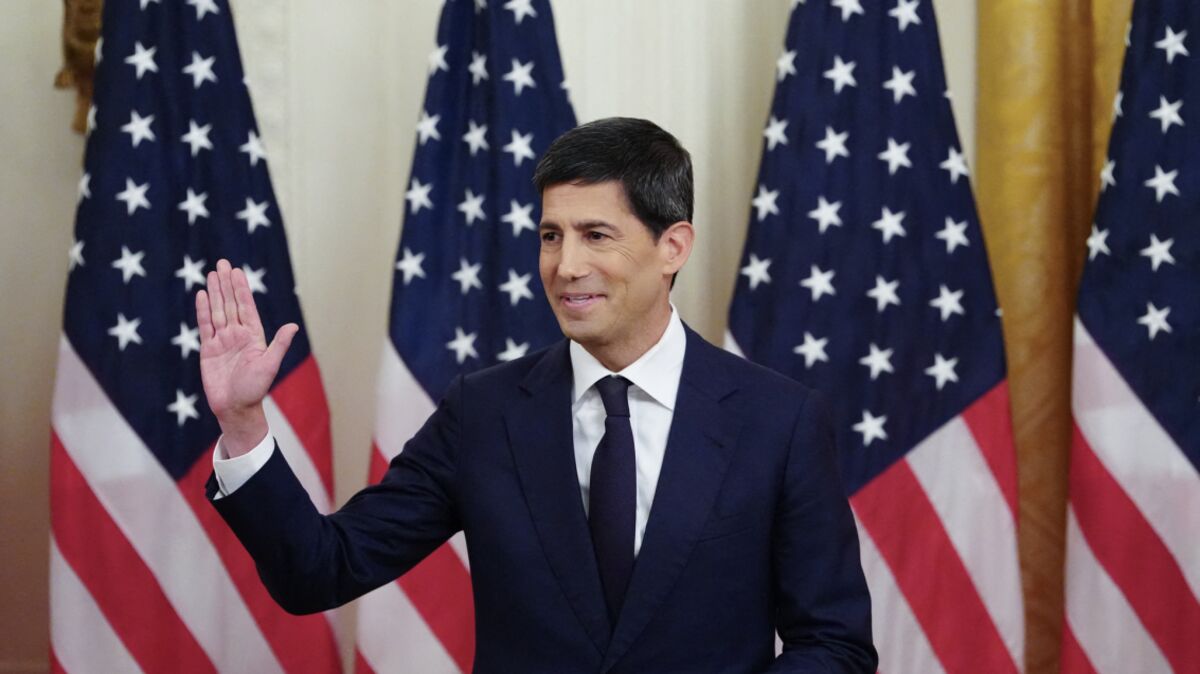
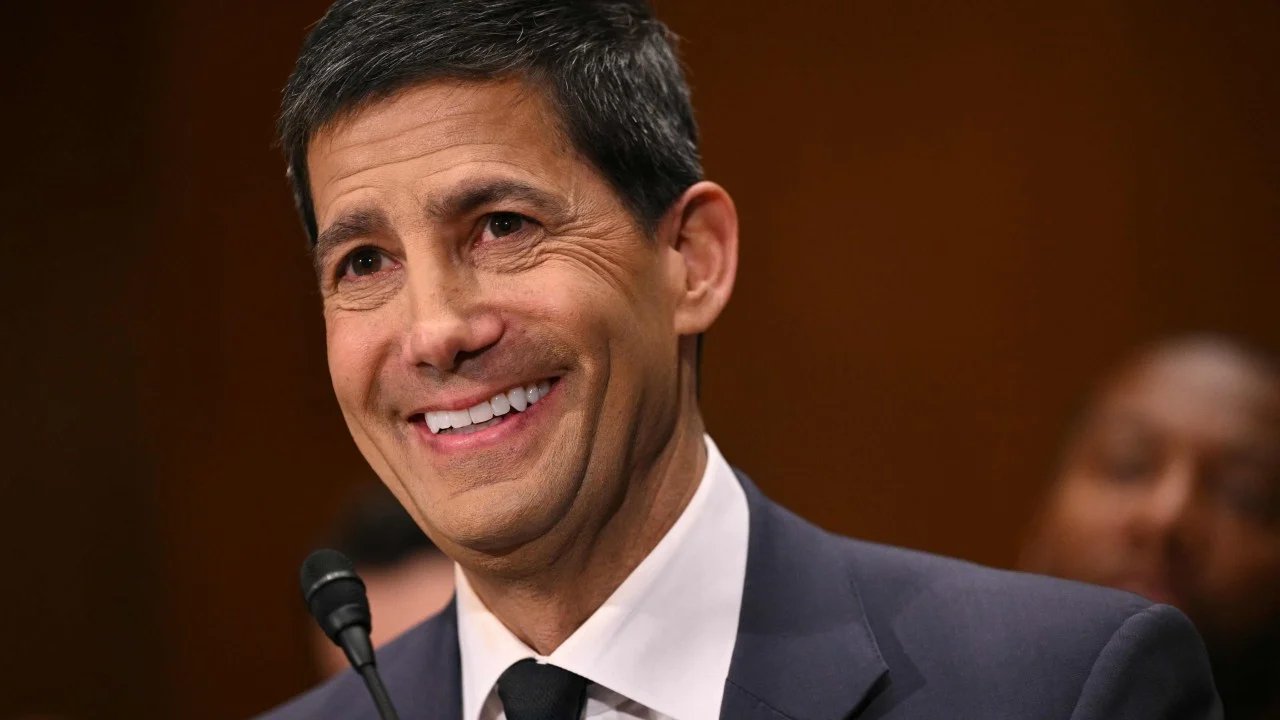
Gulf allies including the United Arab Emirates have requested swap lines, as confirmed by Scott Bessent on Wednesday. The Treasury's Exchange Stabilization Fund holds about $218 billion for potential interventions in foreign exchange markets. Kevin Warsh, during his Fed chair confirmation hearing this week, highlighted international finance as an area for greater executive collaboration, suggesting possible joint efforts on these lines.
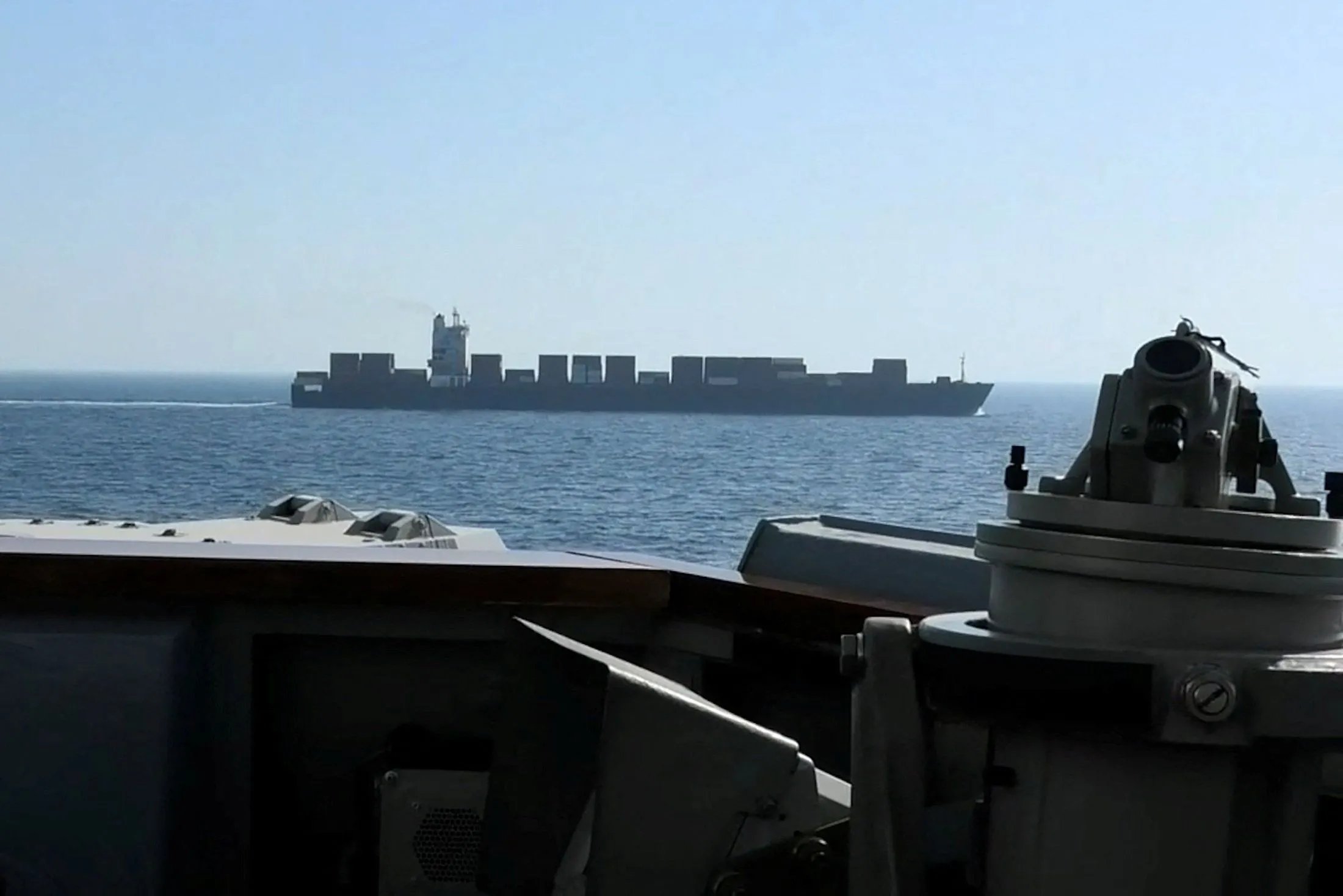
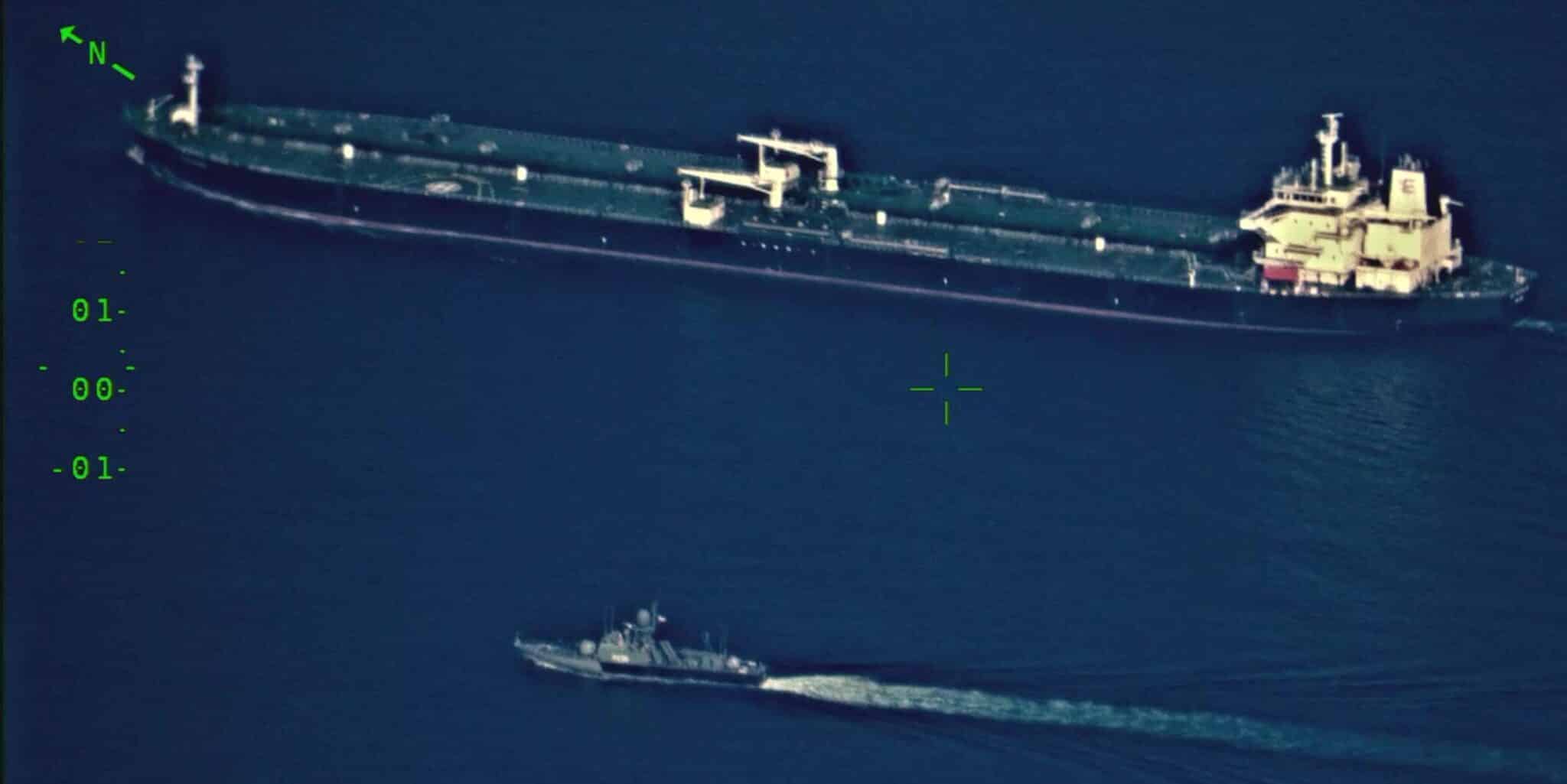
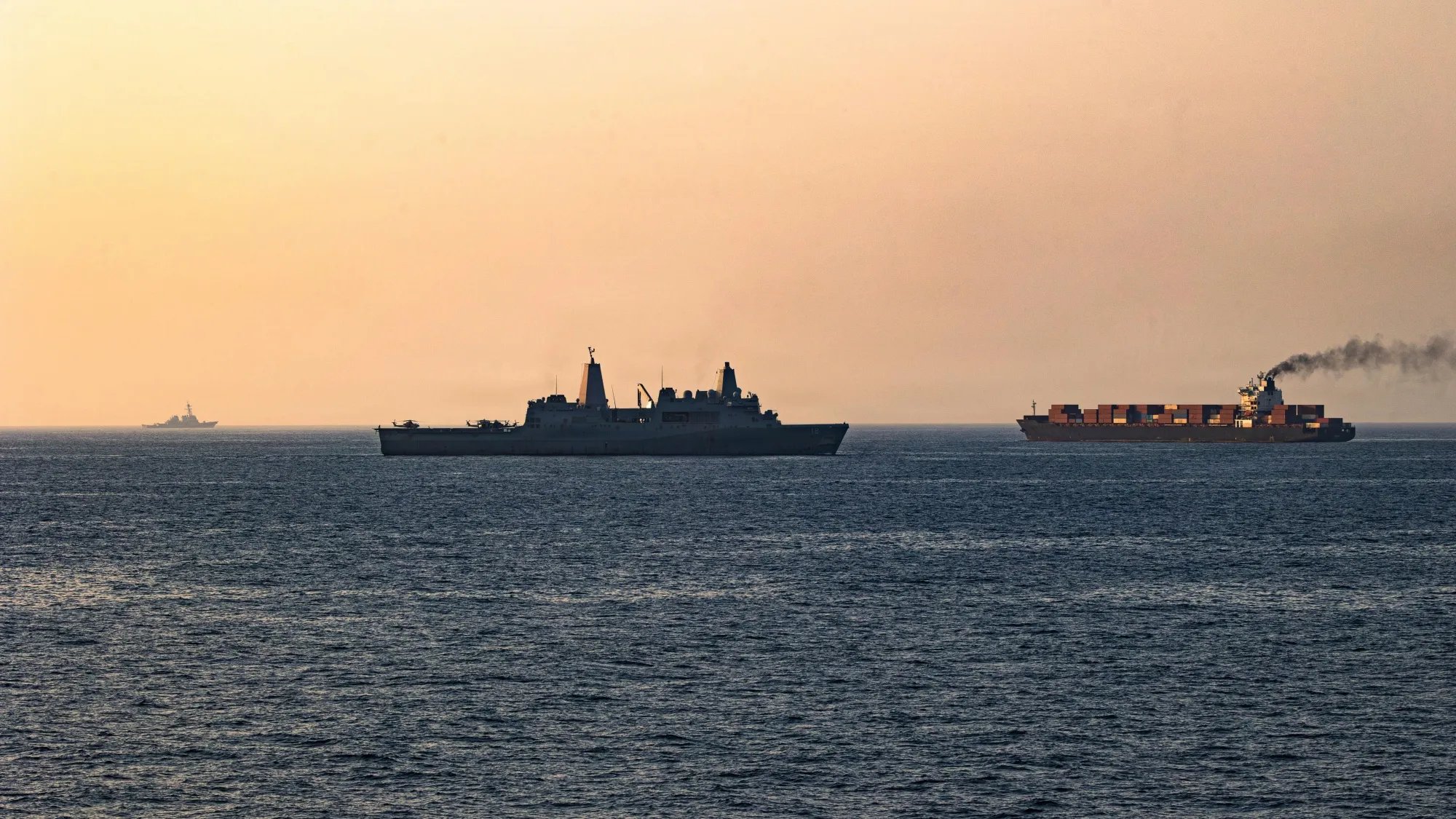
Providing dollar liquidity to Gulf states could reward key allies amid regional tensions, such as those involving the Strait of Hormuz. Past swap lines went to emerging markets like Mexico, Brazil, and South Korea based on their economic importance to the U.S. and trustworthy institutions.
The Treasury's involvement contrasts with the Fed's unlimited balance sheet used in prior crises, offering a different tool for liquidity. Gulf states' requests stem from current pressures, which could influence currency stability and U.S. financial exposure. American workers in export industries may see changes in job opportunities if these swap lines ease trade disruptions.
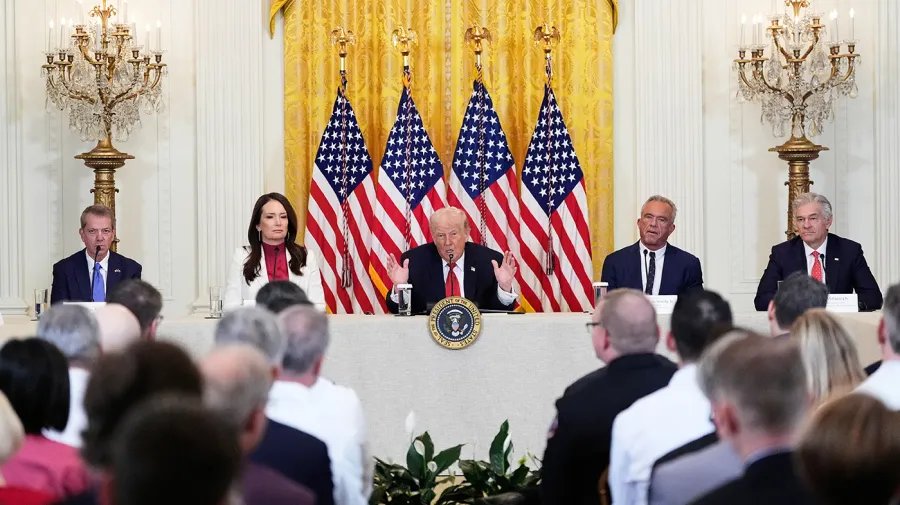
Treasury Secretary Scott Bessent stated that the United States is discussing dollar swap lines with partners in the Gulf and Asia. These conversations respond to requests from allies facing potential liquidity issues. Such arrangements could stabilize currency flows and affect trade relationships for American businesses and consumers.
The Federal Reserve previously extended swap lines to foreign central banks during the 2007 financial crisis to address global dollar shortages. At the peak in December 2008, usage reached $600 billion, mainly with G7 banks like the European Central Bank and Bank of Japan. This time, extending lines to Gulf states like the United Arab Emirates marks a departure, as past extensions focused on economic ties rather than geopolitical support.
Gulf allies including the United Arab Emirates, Qatar, and Bahrain have requested swap lines, as confirmed by Scott Bessent on Wednesday. The Treasury's Exchange Stabilization Fund holds about $218 billion for potential interventions in foreign exchange markets. Kevin Warsh, during his Fed chair confirmation hearing this week, highlighted international finance as an area for greater executive collaboration, suggesting possible joint efforts on these lines.
Providing dollar liquidity to Gulf states could reward key allies amid regional tensions, such as those involving the Strait of Hormuz. Past swap lines went to emerging markets like Mexico, Brazil, and South Korea based on their economic importance to the U.S., not explicit strategy. This approach might alter global trade patterns by ensuring steady dollar access for partners, potentially lowering costs for U.S. exporters in those regions.
The Treasury's involvement contrasts with the Fed's unlimited balance sheet used in prior crises, offering a different tool for liquidity. Gulf states' requests stem from current pressures, which could influence currency stability and U.S. financial exposure. American workers in export industries may see changes in job opportunities if these swap lines ease trade disruptions.
Highlighted text was flagged by the council. Tap to see feedback.