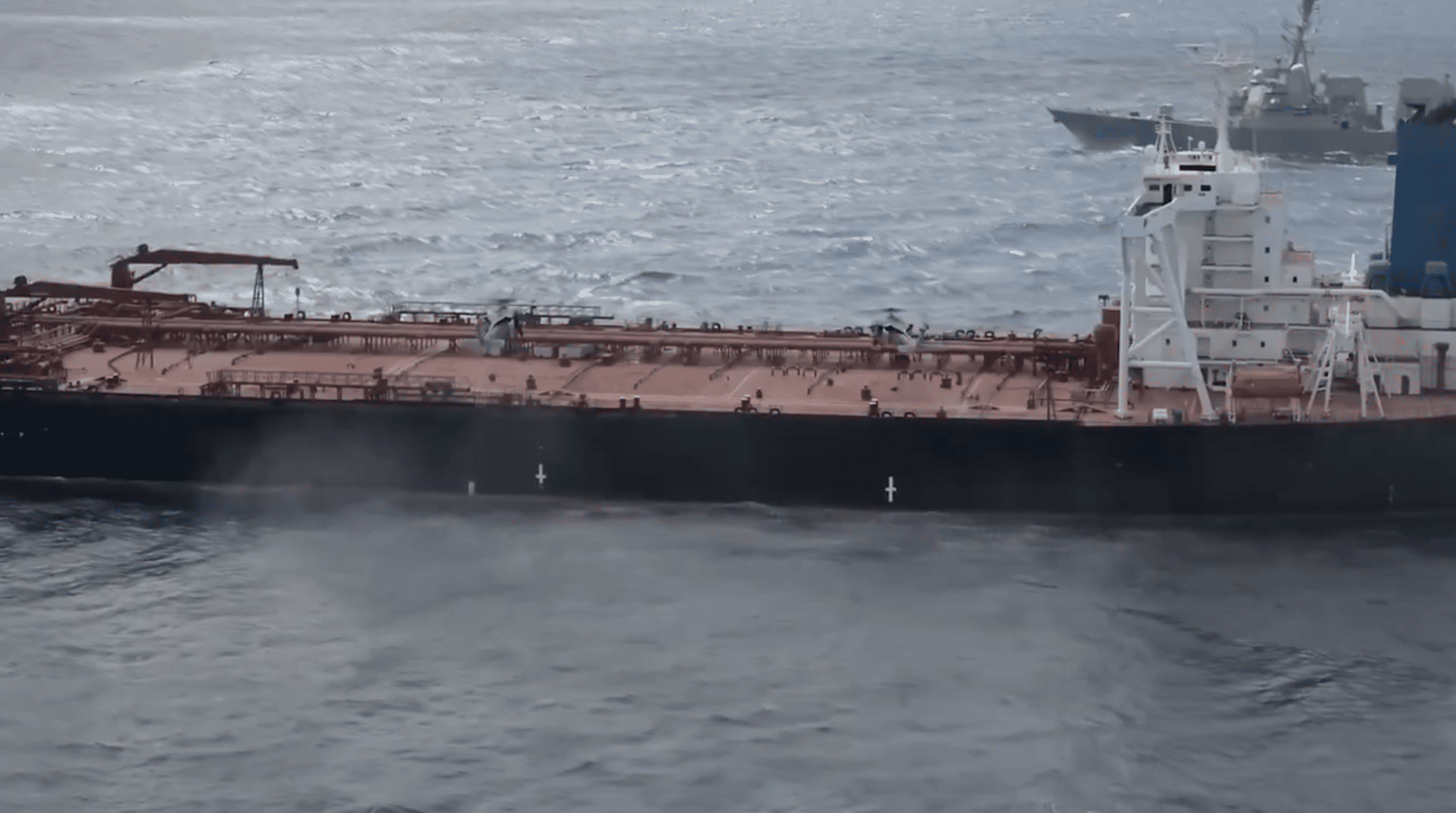
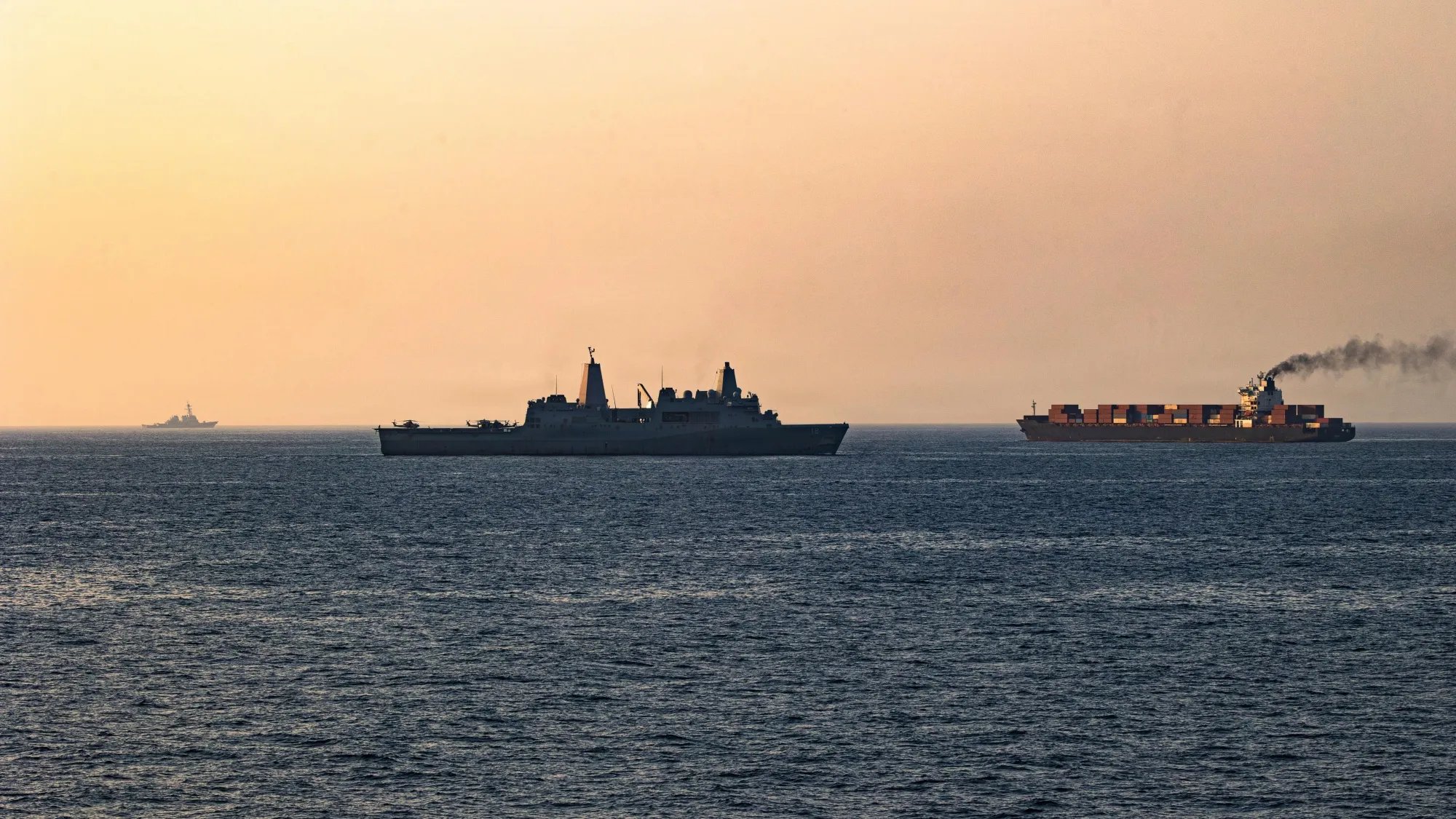
Through the Strait of Hormuz travels roughly a fifth of the world's oil, yet the effective closure triggered by U.S. and Iranian blockades has forced companies to pay as much as $4 million for emergency rerouting through the Panama Canal in recent weeks, according to the Panama Canal Authority.
Chevron CEO Mike Wirth told "Face the Nation" moderator Margaret Brennan that the company would only resume shipping through the strait if "our people on the ship will be safe, the cargo will be safe, and they can be transited with a high degree of confidence."
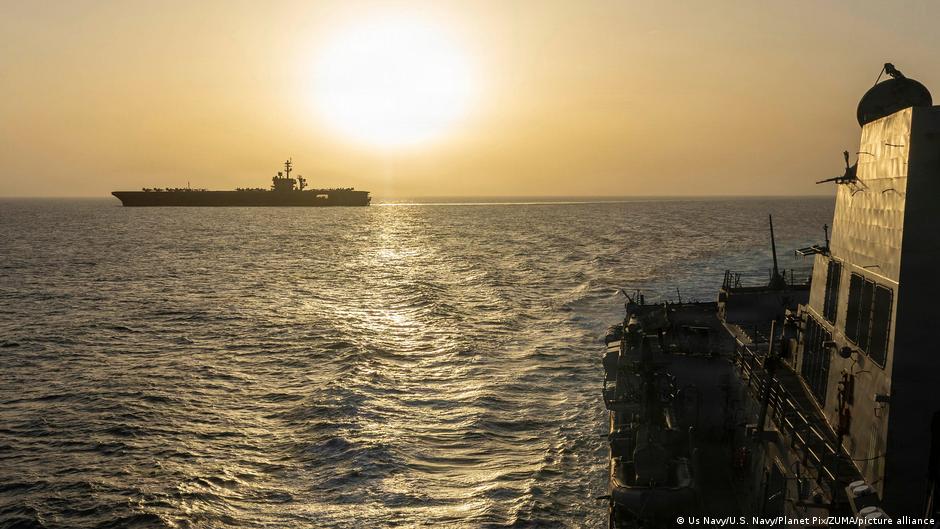
Wirth said Chevron would make decisions about resuming operations "in collaboration" with the U.S. Navy and other military organizations. He indicated that military escorts would likely be necessary in the initial phase of any reopening.
"I think in the early days, it's very likely that you could see naval escorts, because I think some of the risks are not just mines that could be placed in the strait, but they could be also risks that could come from the land in other forms," Wirth said. "So I think having the Navy with those ships that make the first transit would provide a higher degree of confidence than if there were to be something happened, that you'd have some measure of defense."
Retired Navy Admiral James Stavridis, a former NATO allied supreme commander, argued that stopping Iranian mine-laying vessels represents the key to unlocking the strait. He suggested the U.S. military should target "these small boats before they get underway."
President Trump said U.S. minesweepers were clearing the strait and directed the U.S. Navy to "shoot and kill" Iranian boats placing mines in the waterway. Defense Secretary Pete Hegseth and Joint Chiefs of Staff Chair General Dan Caine briefed reporters Friday as tensions remained elevated over the conflict in Iran and the strait's strategic importance.
Iran is wielding control of the Strait of Hormuz as leverage, counting on the world's dependence on Persian Gulf energy exports. The blockade has created what observers describe as a dangerous standoff with no clear resolution in sight, leaving shipping companies caught between military threats and economic necessity.
Only five ships passed through the Strait of Hormuz in a 24-hour period, marking a dramatic collapse in one of the world's most critical shipping lanes. Through this waterway travels roughly a fifth of the world's oil, yet the effective closure triggered by U.S. and Iranian blockades has forced companies to pay as much as $4 million for emergency rerouting through the Panama Canal in recent weeks, according to the Panama Canal Authority.
The standoff has stranded thousands of seafarers on vessels unable to transit the waterway. Chevron CEO Mike Wirth told "Face the Nation" moderator Margaret Brennan that the company would only resume shipping through the strait if "our people on the ship will be safe, the cargo will be safe, and they can be transited with a high degree of confidence."
Wirth said Chevron would make decisions about resuming operations "in collaboration" with the U.S. Navy and other military organizations. He indicated that military escorts would likely be necessary in the initial phase of any reopening.
"I think in the early days, it's very likely that you could see naval escorts, because I think some of the risks are not just mines that could be placed in the strait, but they could be also risks that could come from the land in other forms," Wirth said. "So I think having the Navy with those ships that make the first transit would provide a higher degree of confidence than if there were to be something happened, that you'd have some measure of defense."
Retired Navy Admiral James Stavridis, a former NATO allied supreme commander, argued that stopping Iranian mine-laying vessels represents the key to unlocking the strait. He suggested the U.S. military should target "these small boats before they get underway."
The U.S. military and Iran both seized tankers in international waters this week, and Tehran struck vessels in the Strait of Hormuz. These incidents underscore what BBC correspondent Lyse Doucet described as a "test of wills" between the rival blockades.
On Thursday, President Trump said U.S. minesweepers were clearing the strait and directed the U.S. Navy to "shoot and kill" Iranian boats placing mines in the waterway. Defense Secretary Pete Hegseth and Joint Chiefs of Staff Chair General Dan Caine briefed reporters Friday as tensions remained elevated over the conflict in Iran and the strait's strategic importance.
Iran is wielding control of the Strait of Hormuz as leverage, counting on the world's dependence on Persian Gulf energy exports. The blockade has created what observers describe as a dangerous standoff with no clear resolution in sight, leaving shipping companies caught between military threats and economic necessity.
Highlighted text was flagged by the council. Tap to see feedback.