




The Ruling's Core Details
A three-judge panel from the U.S. Court of Appeals for the District of Columbia Circuit blocked President Trump's executive order suspending asylum access at the southern border. Judge J. Michelle Childs wrote that federal immigration law does not allow the president to deport migrants under new summary removal proceedings or suspend their right to apply for asylum. This decision affirmed a lower court ruling, stating that Congress enacted the asylum statute to grant all foreign individuals physically present in the United States the right to apply.
Judges' Breakdown
Judge J. Michelle Childs, a Biden appointee, authored the majority opinion and was joined by Judge Cornelia Pillard, an Obama appointee. Childs emphasized that the Immigration and Nationality Act's text and history show Congress did not intend to give the executive branch broad removal authority. Judge Justin Walker, a Trump appointee, concurred in part but dissented on whether the president can deny all asylum applications, agreeing only that migrants cannot be removed to countries where they face persecution.
What the Administration Argued
The Trump administration contended that immigration law lets the president restrict asylum for migrants crossing unlawfully, citing an "invasion" at the border. White House spokesperson Karoline Leavitt stated, "We have liberal judges across the country who are acting against this president for political purposes. They are not acting as true litigators of the law. They are looking at these cases from a political lens." The Department of Homeland Security issued guidance directing officers not to ask about credible fear of persecution, aiming to implement summary removals like direct repatriation.
Advocates' Response
ACLU attorney Lee Gelernt stated that the decision will save the lives of thousands fleeing danger by ensuring they get hearings. Gelernt challenged the policy in a lawsuit filed by immigrant rights groups in February 2025. The ruling prevents the executive from casting aside laws affording asylum or withholding of removal protections, as Childs noted in her opinion.
Effects on Asylum Seekers
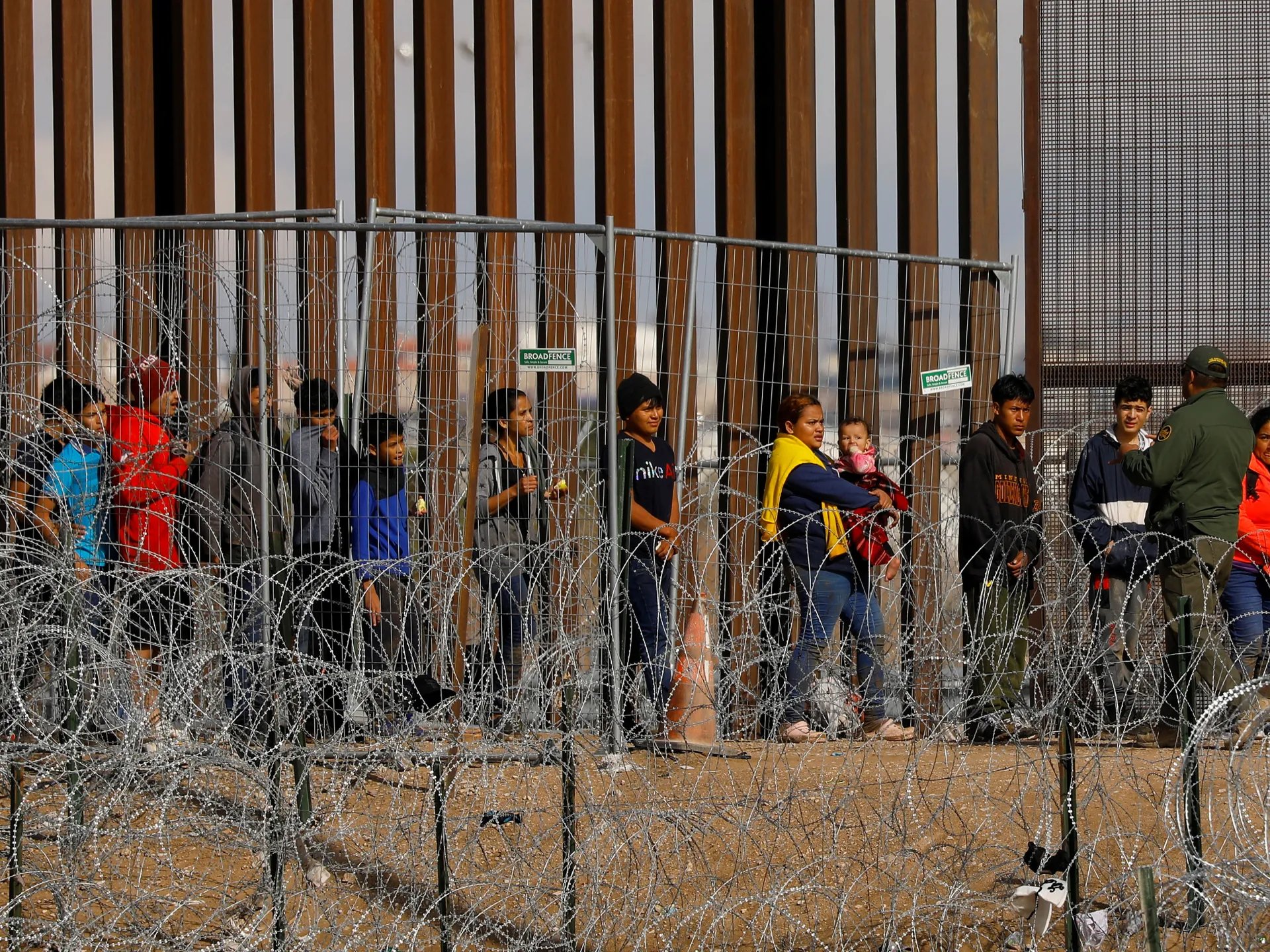
The blocked order means migrants at the border can now apply for asylum, potentially requiring the administration to process new applications. Nearly 945,000 people filed for asylum in 2023, highlighting the scale of claims from those facing gang violence or political persecution. This change directly affects individuals crossing between ports of entry, offering them access to hearings for credible fear assessments.
Potential Next Moves
The Trump administration can request the full D.C. Circuit to review the decision or appeal to the Supreme Court. Childs wrote that any modifications to the asylum system must come from Congress, not executive action. This step could reshape how migrants experience border enforcement, giving them a chance to present torture claims before removal.