




Rising Costs and Flight Disruptions Ahead
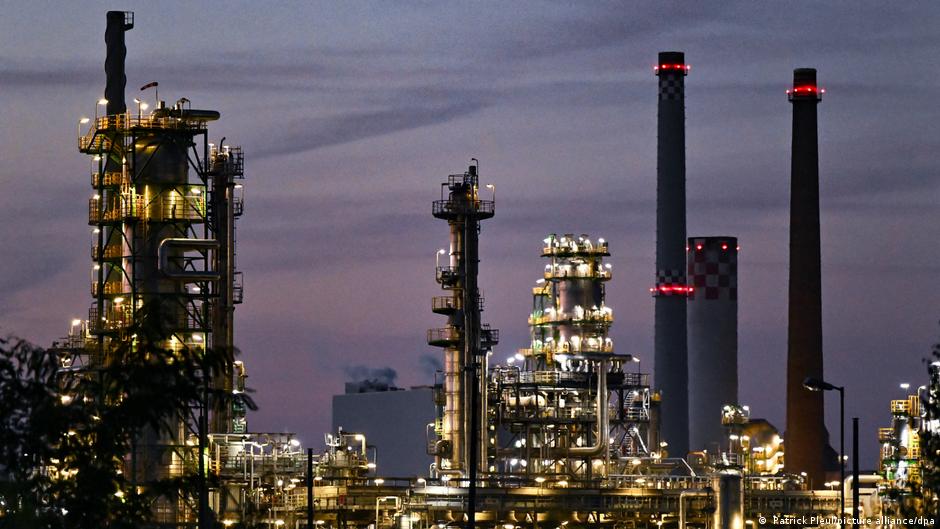
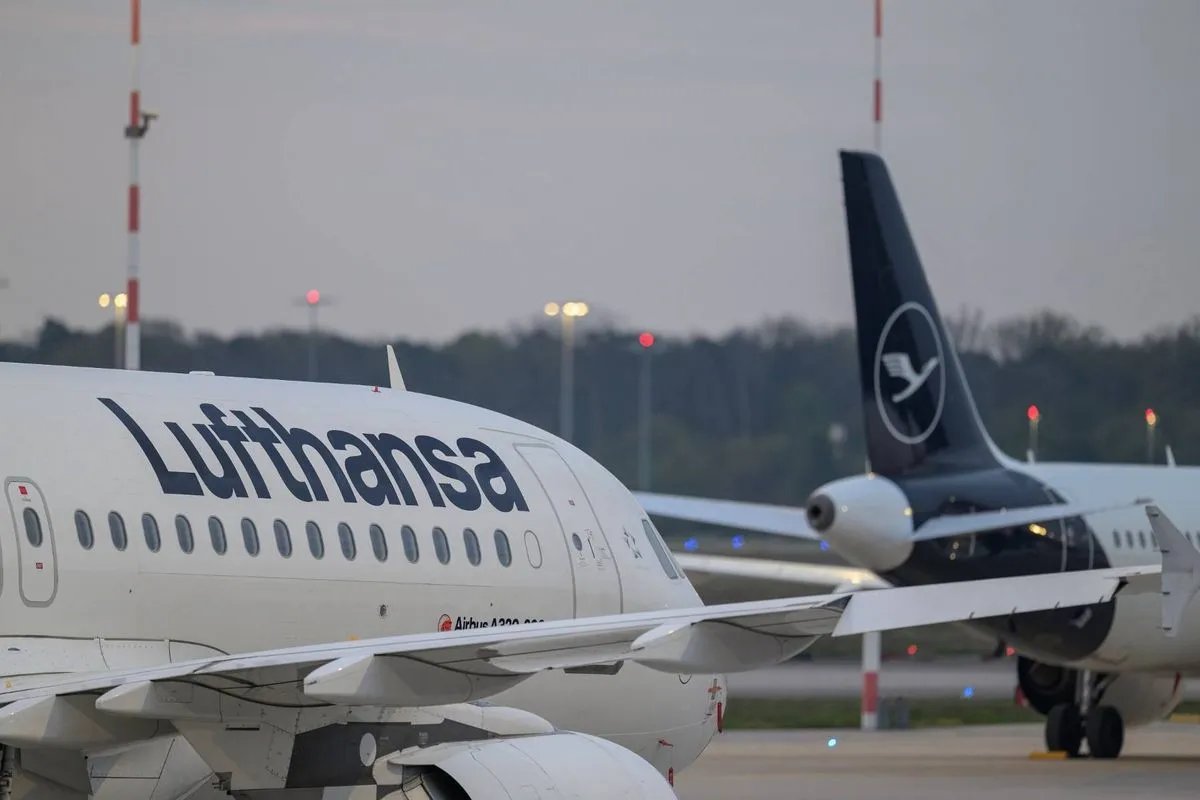
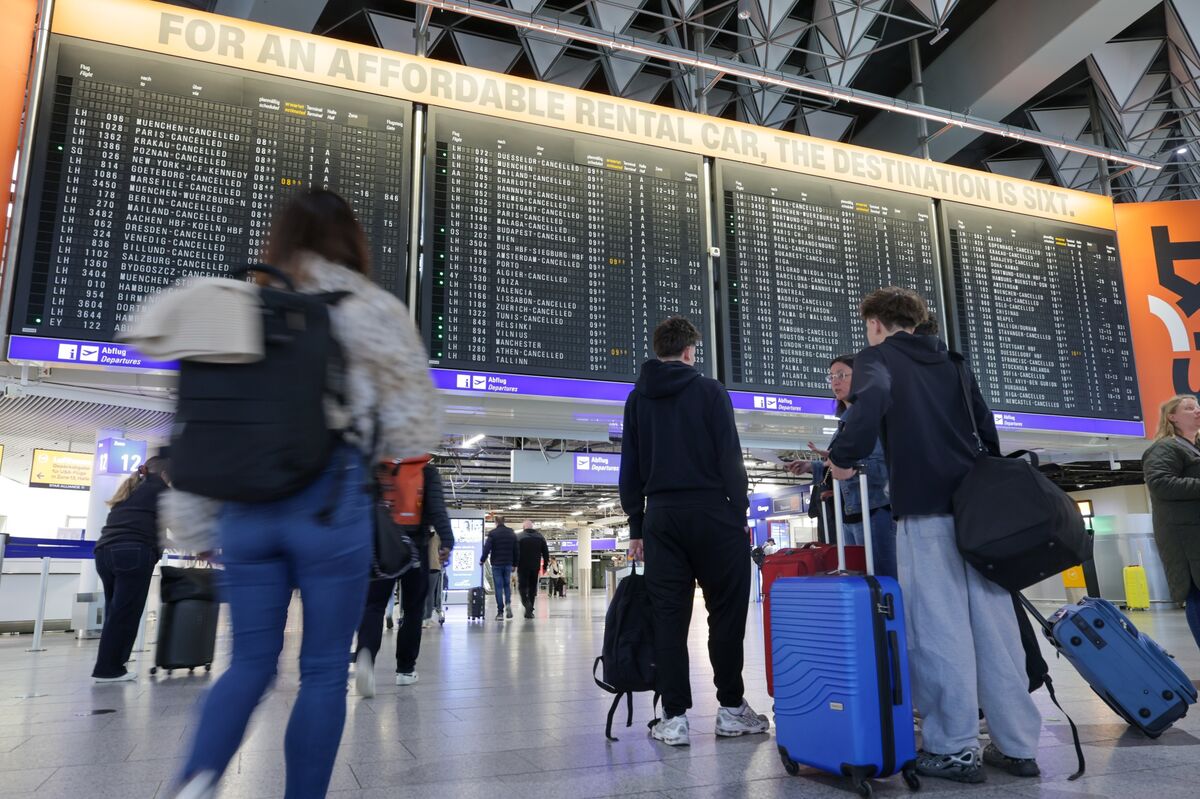
Chevron CEO Mike Wirth warned that travelers could face rising airline fares and fewer flight options in the coming weeks due to jet fuel shortages caused by the U.S. war with Iran, which began February 28. In an interview on "Face the Nation," Wirth noted that the war has intensified existing issues, leading to a quick tightening of jet fuel supplies in Europe and Asia. "I think aviation is clearly an area where it's going to probably get worse over the next few weeks," he stated, emphasizing the immediate impact on travel.
Market Pressures on Airline Operations
Wirth highlighted that U.S. airlines are in a slightly better position than their European counterparts, as the United States produces its own jet fuel. Nevertheless, he acknowledged that the upward pressure on prices is likely to lead to "further route optimization," resulting in fewer available flights and increased ticket prices. According to the International Air Transport Association, jet fuel prices in North America have surged over 80% compared to April 2025, reflecting the broader impact of the conflict on global fuel supplies.
Impact on Travel Experience
With airlines already adjusting their schedules and raising fees, travelers may find their options limited. Wirth indicated that passengers could expect flights to be fuller than usual, as airlines respond to the tightening market. "We're seeing airlines announce adjustments in their flight schedules," he explained, pointing to the cascading effects of the conflict on air travel. On April 24, gasoline averaged $4.03 per gallon nationwide, nearly a dollar higher than the prior year, while diesel reached $5.47 per gallon.
Broader Economic Implications
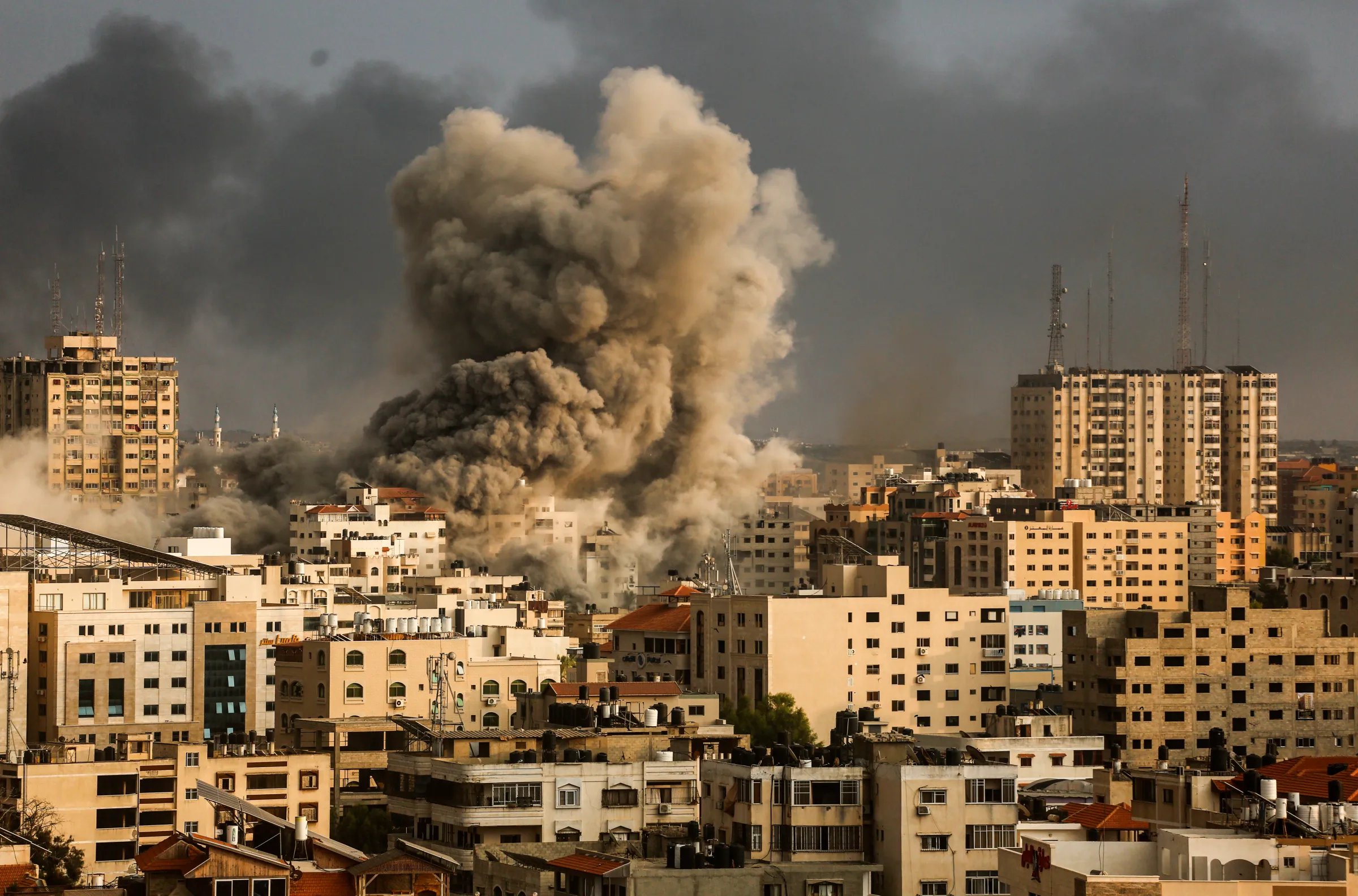
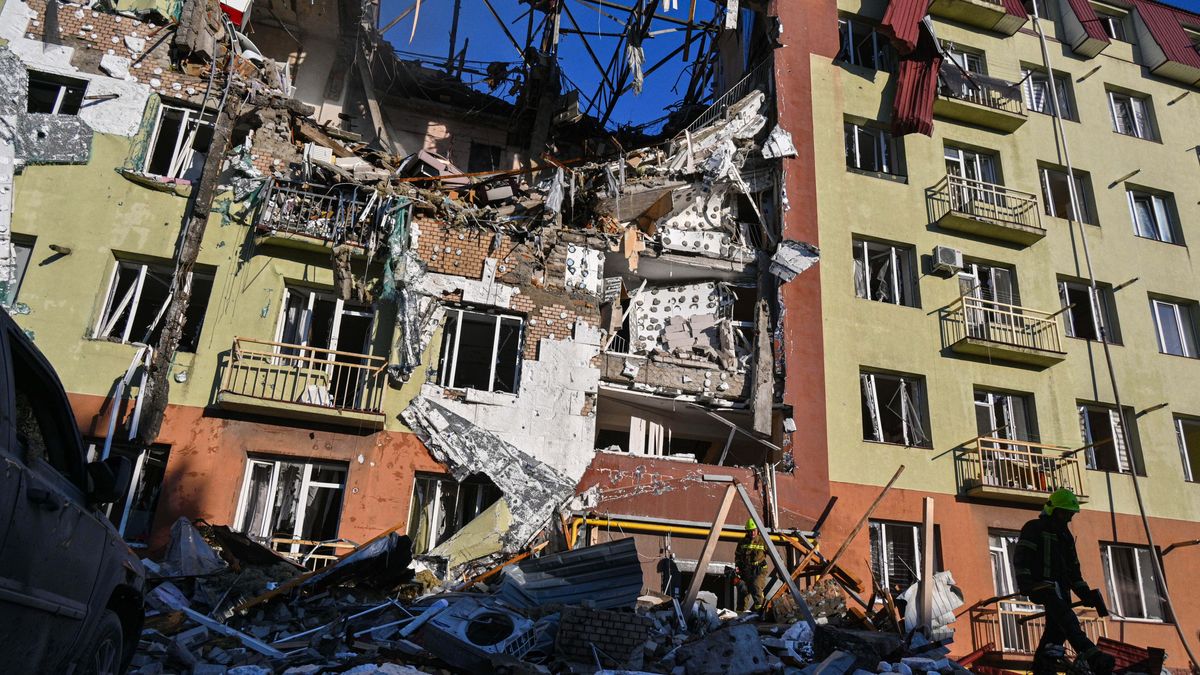
The conflict's ramifications extend beyond air travel. A joint statement from global financial leaders at the World Bank and International Monetary Fund warned that the Gulf conflict risks "upending lives and livelihoods in the region and beyond." The ongoing war has not only strained energy supplies but is also threatening food security, particularly in vulnerable regions of Africa and Asia. David Dodwell, CEO of Strategic Access, warned that food shortages and famine are now looking more likely for millions across vulnerable countries in Africa and Asia.
The Global Landscape of Supply Chains
The war in Iran has disrupted critical supply chains, contributing to rising prices across various sectors. Airlines have already begun canceling flights, and the situation is expected to worsen as jet fuel costs continue to rise. Markets have reacted to these geopolitical tensions, with Brent crude oil climbing above $105 a barrel, reflecting heightened concerns over supply stability. Consumers are already seeing increased costs in travel, fuel, and food as the war disrupts global supplies.
Next Steps for Travelers
As air travel disruptions loom, travelers are advised to stay informed about potential flight changes and fare increases. Airlines are likely to continue adjusting their operations in response to fluctuating fuel prices, making it essential for passengers to monitor their travel plans closely. The U.S. war with Iran serves as a reminder of how interconnected global markets are and how geopolitical events can directly impact daily life, from the cost of a flight to the availability of basic necessities.