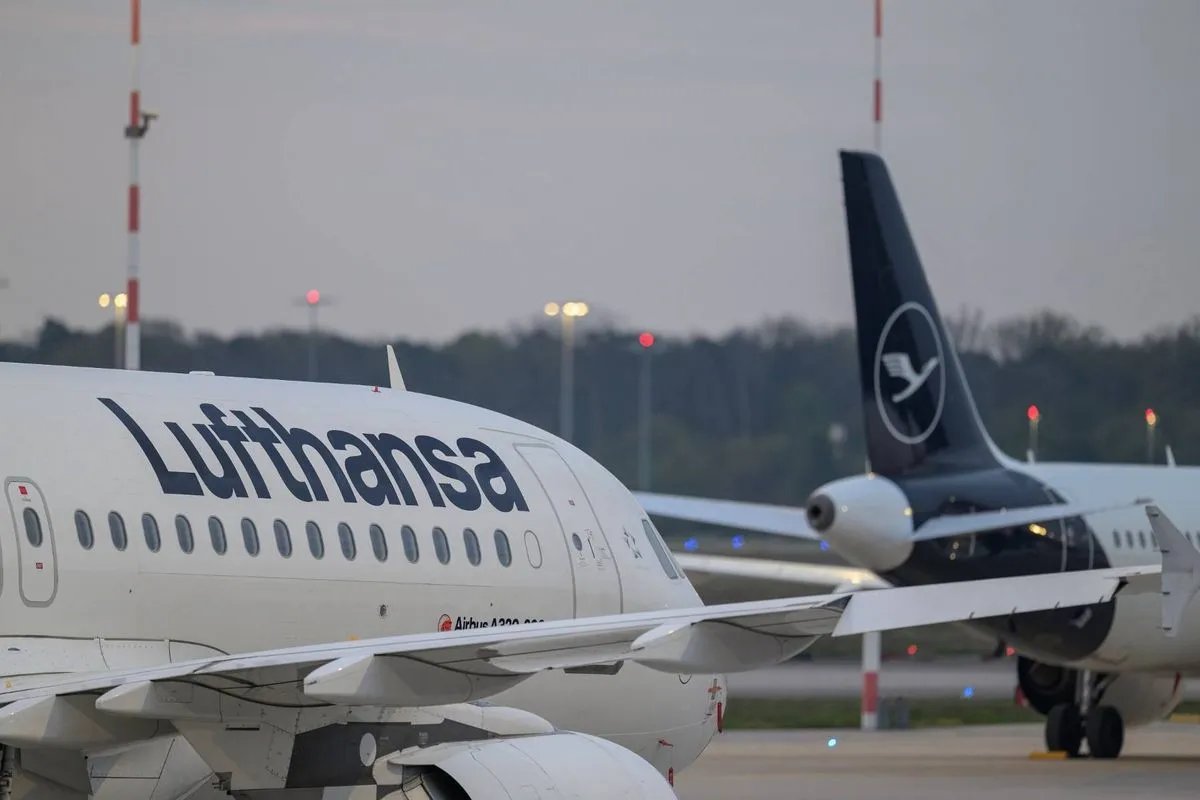
President Trump announced Thursday that he is considering a taxpayer-funded purchase of Spirit Airlines to preserve its assets and resell them later. Trump specified that the move would involve acquiring the airline for the right price, emphasizing its good aircraft and valuable slots at busy airports. Spirit employs 15,000 people, including 6,000 in Florida.
Sen. Ted Cruz called the potential bailout a "terrible idea" in a social media post, arguing it misuses taxpayer money. Sen. Tom Cotton expressed doubts on the same platform, stating that if private investors see no profit, the government likely cannot succeed either. Cotton stated that the deal would not be "the best use of taxpayer dollars."
Spirit Airlines President and CEO Dave Davis expressed gratitude for Trump's support in a statement, noting it could protect thousands of jobs and maintain affordable fares. Capt. Ryan P. Muller, chair of the Spirit Airlines ALPA Master Executive Council, stated: "Spirit is the reason so many Americans can afford to visit family, travel for work, or take a vacation. When Spirit enters a market, fares go down." Transportation Secretary Sean Duffy told reporters that officials are evaluating whether the aid can make the airline viable, focusing on saving roles in the industry.
The airline filed for Chapter 11 protection twice, first in November 2024 and again in August 2025, amid rising jet fuel costs from global events. Spirit owns 48 planes and leases 83 more, but plans to shrink its fleet to 76 to 80 by the third quarter as part of restructuring.
CBS News reported that the Trump administration is discussing a loan of up to $500 million for Spirit, which could give the government a substantial ownership stake through warrants. Former Trump economic adviser Stephen Moore described the idea as "corporate welfare" during an interview, warning of unfair advantages to one company. This arrangement might alter competition in the airline sector, potentially leading to changes in fares as seen with past merger attempts.
President Trump announced Thursday that he is considering a taxpayer-funded purchase of Spirit Airlines to preserve its assets and resell them later. Trump specified that the move would involve acquiring the airline for the right price, emphasizing its good aircraft and valuable slots at busy airports. This plan affects everyday Americans by potentially using public funds to save 15,000 jobs, including 6,000 in Florida, and could influence air travel costs through government intervention.
Sen. Ted Cruz called the potential bailout a "terrible idea" in a social media post, arguing it misuses taxpayer money. Sen. Tom Cotton expressed doubts on the same platform, stating that if private investors see no profit, the government likely cannot succeed either. These criticisms highlight concerns that the deal sets a poor precedent for business bailouts, impacting citizens through higher taxes or inefficient spending.
Spirit Airlines President and CEO Dave Davis expressed gratitude for Trump's support in a statement, noting it could protect thousands of jobs and maintain affordable fares. Capt. Ryan P. Muller, chair of the Spirit Airlines ALPA Master Executive Council, voiced strong backing, pointing out that Spirit lowers fares in markets it enters. Transportation Secretary Sean Duffy told reporters that officials are evaluating whether the aid can make the airline viable, focusing on saving roles in the industry.
The airline filed for Chapter 11 protection twice, first in November 2024 and again in August 2025, amid rising jet fuel costs from global events. Spirit owns 48 planes and leases 83 more, but plans to shrink its fleet to 76 to 80 by the third quarter as part of restructuring. These struggles mean passengers might face higher costs if the carrier exits, directly affecting travel budgets for families and workers.
Sources indicated that the Trump administration is discussing a loan up to $500 million for Spirit, which could give the government a substantial ownership stake. Former Trump economic adviser Stephen Moore described the idea as "corporate welfare" during an interview, warning of unfair advantages to one company. This arrangement might alter competition in the airline sector, potentially leading to changes in fares as seen with past merger attempts.
Highlighted text was flagged by the council. Tap to see feedback.


















The summary mentions comments from former Trump economic adviser Stephen Moore, but the sources do not include any such statements.