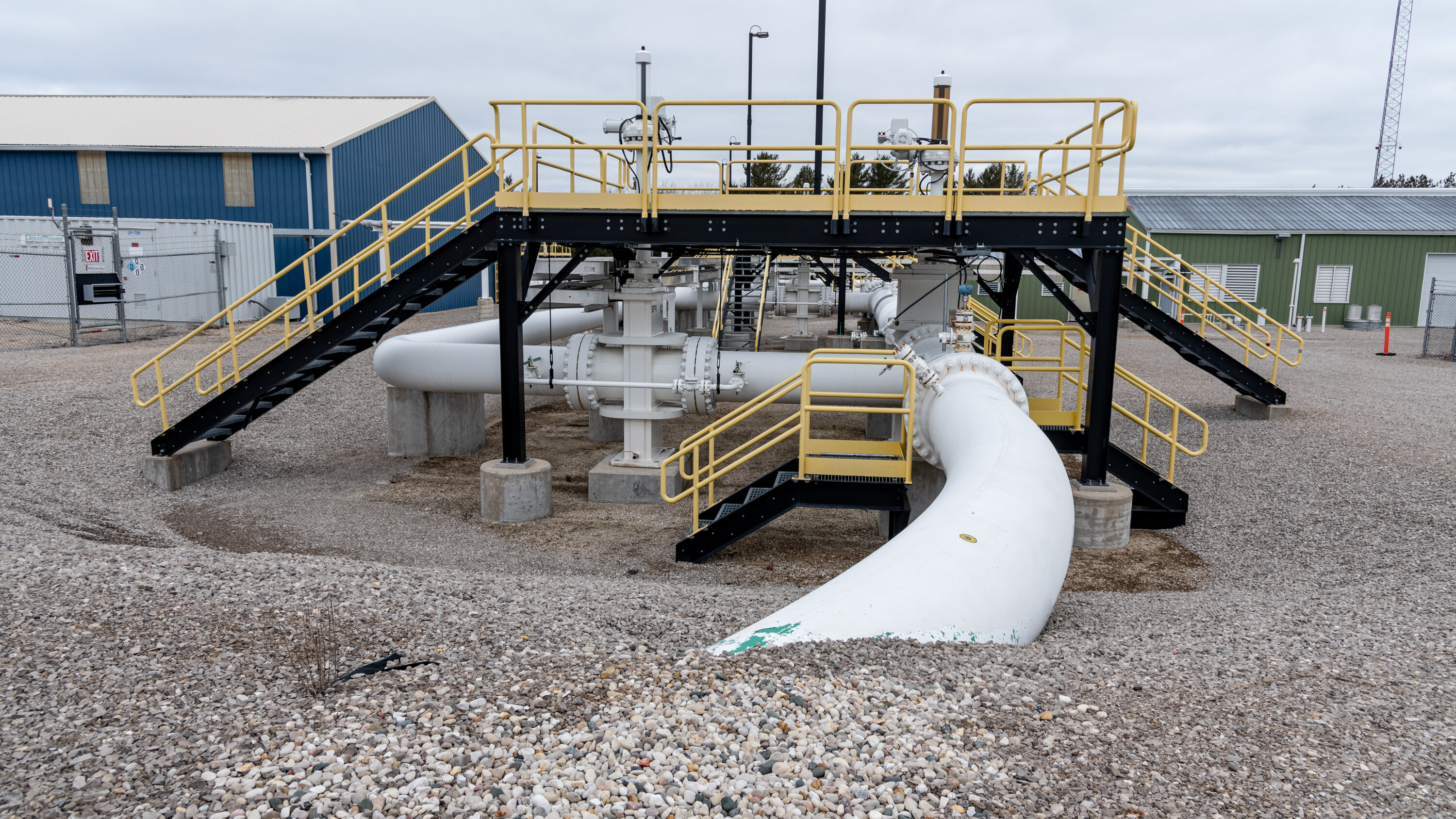
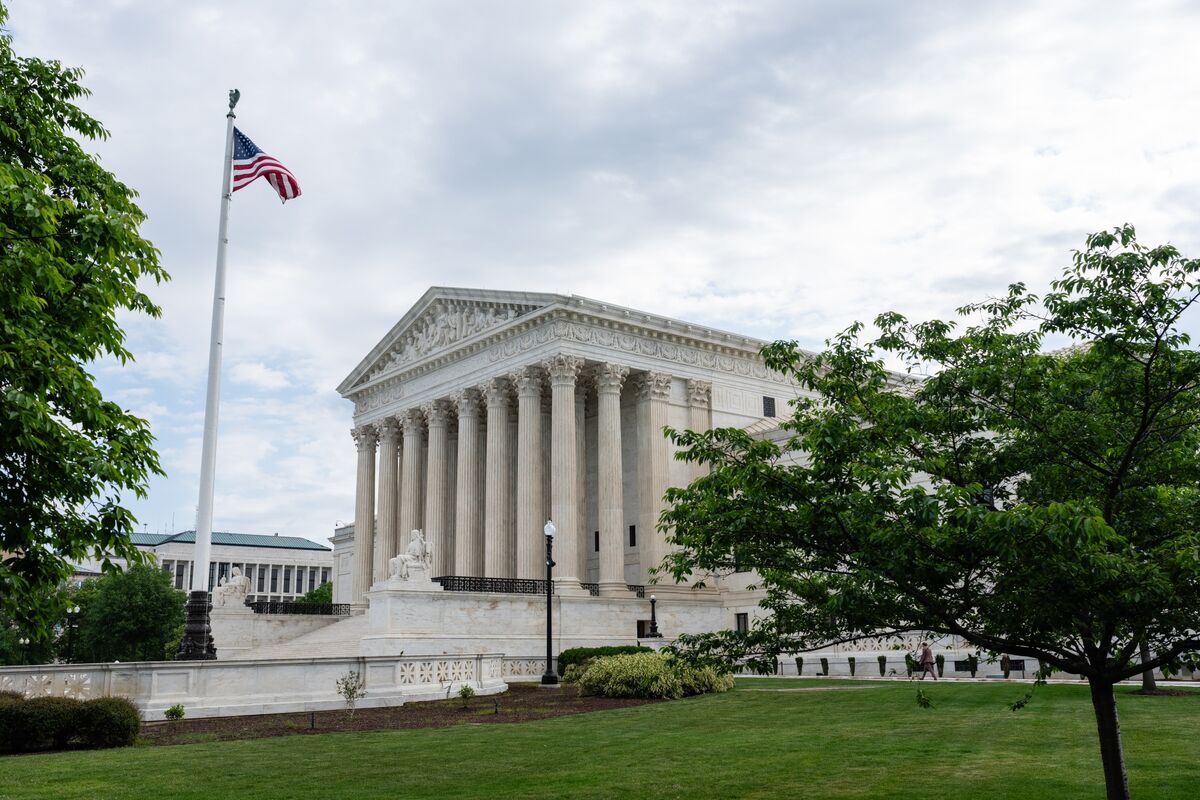
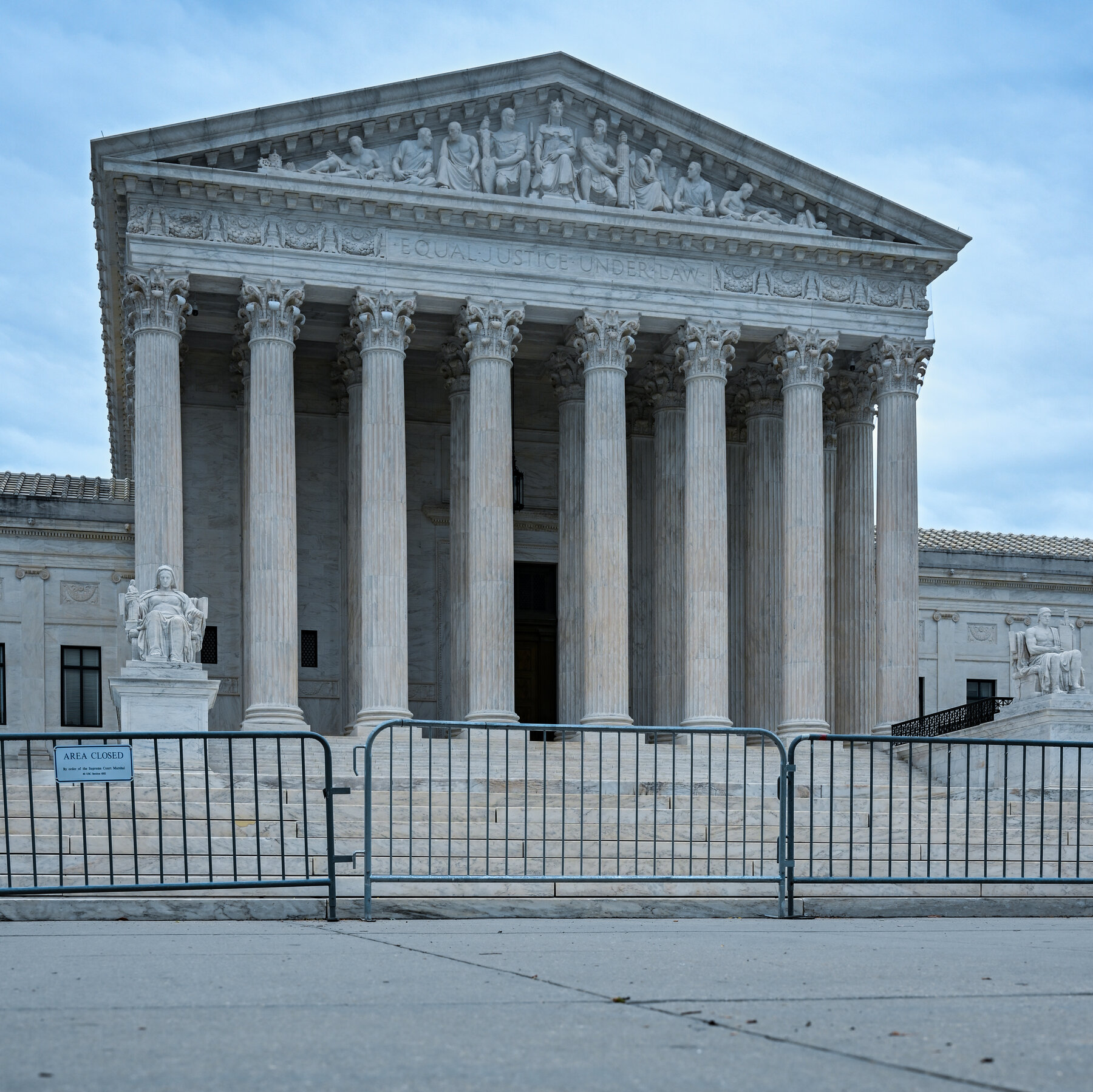
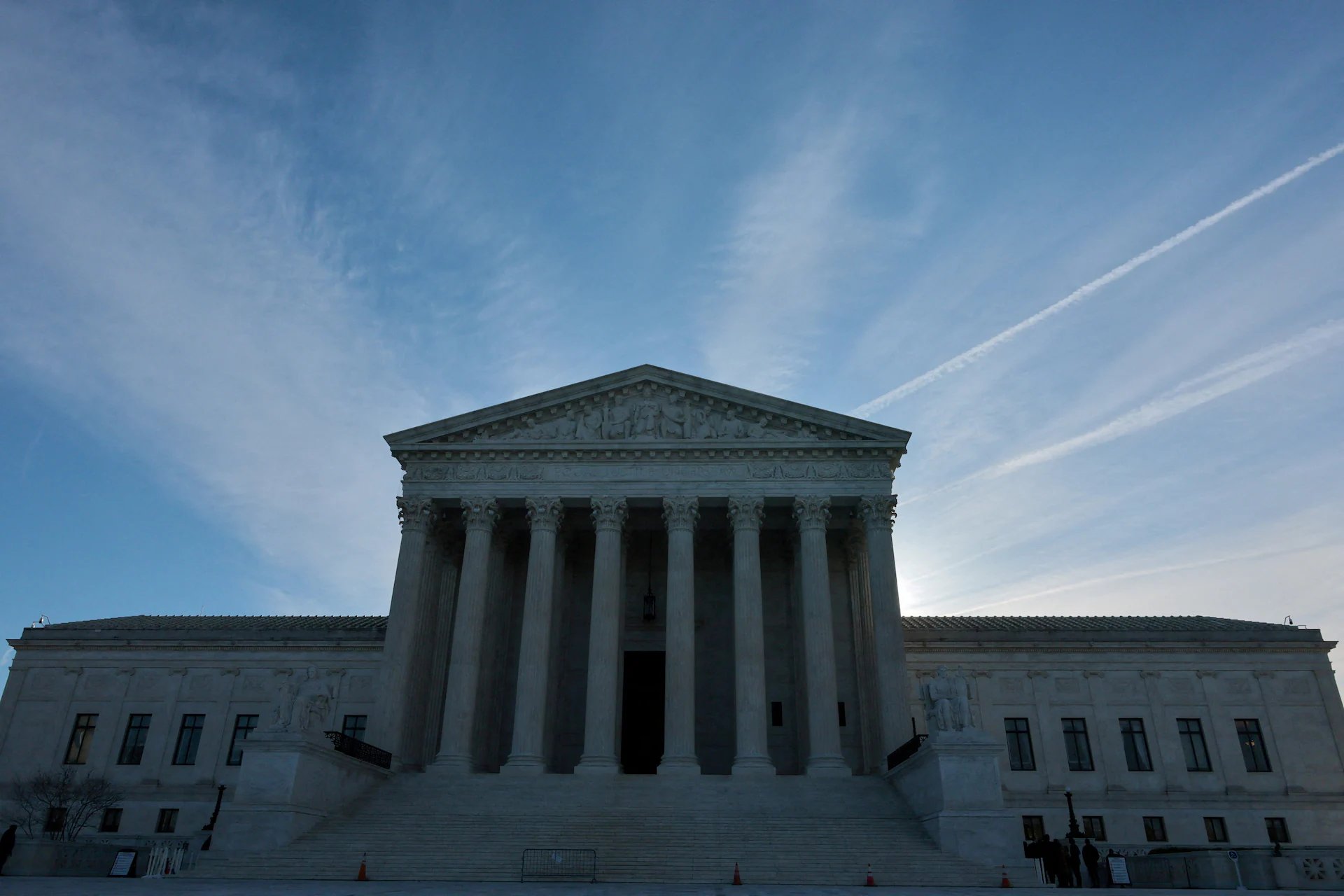
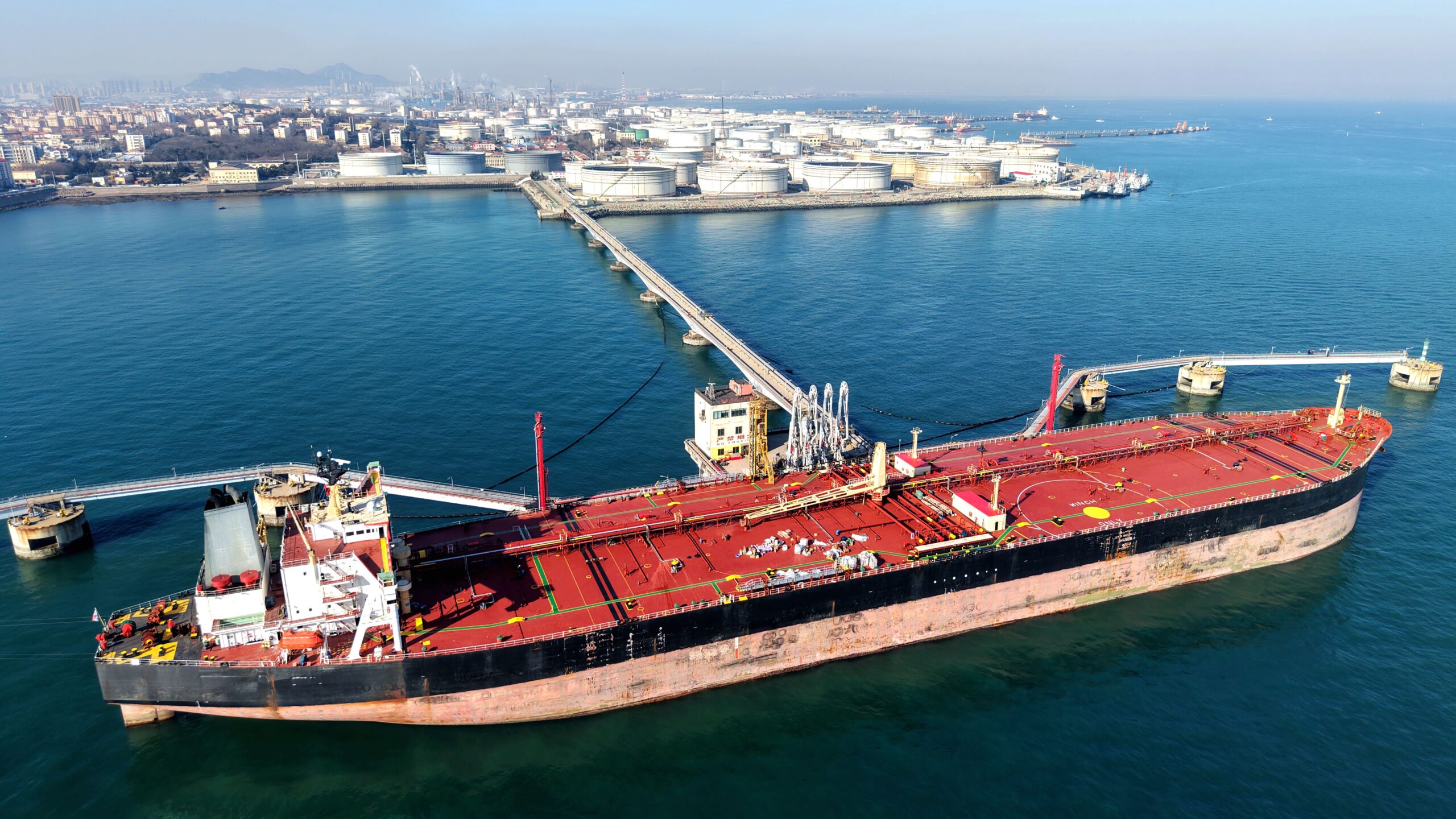
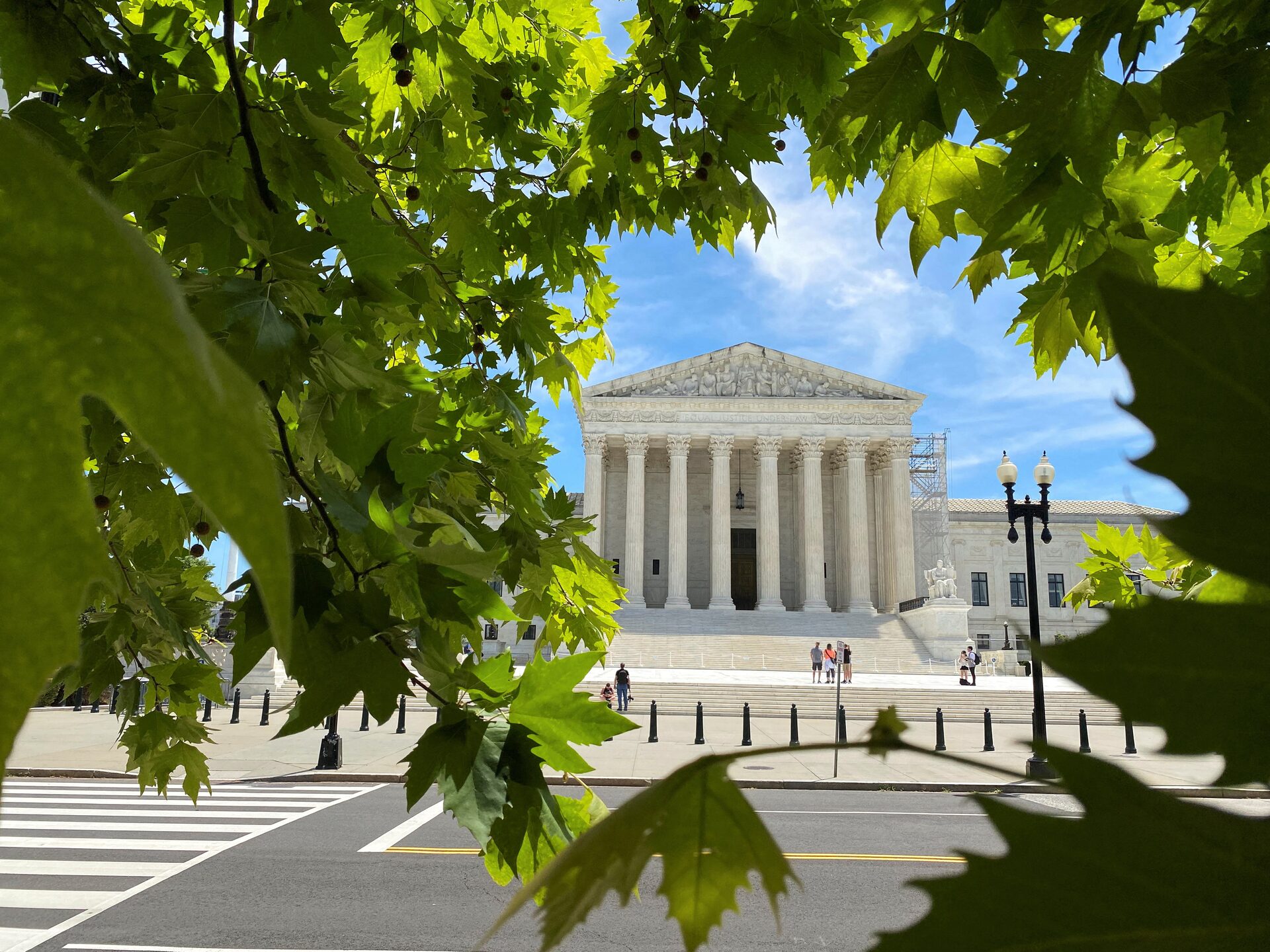
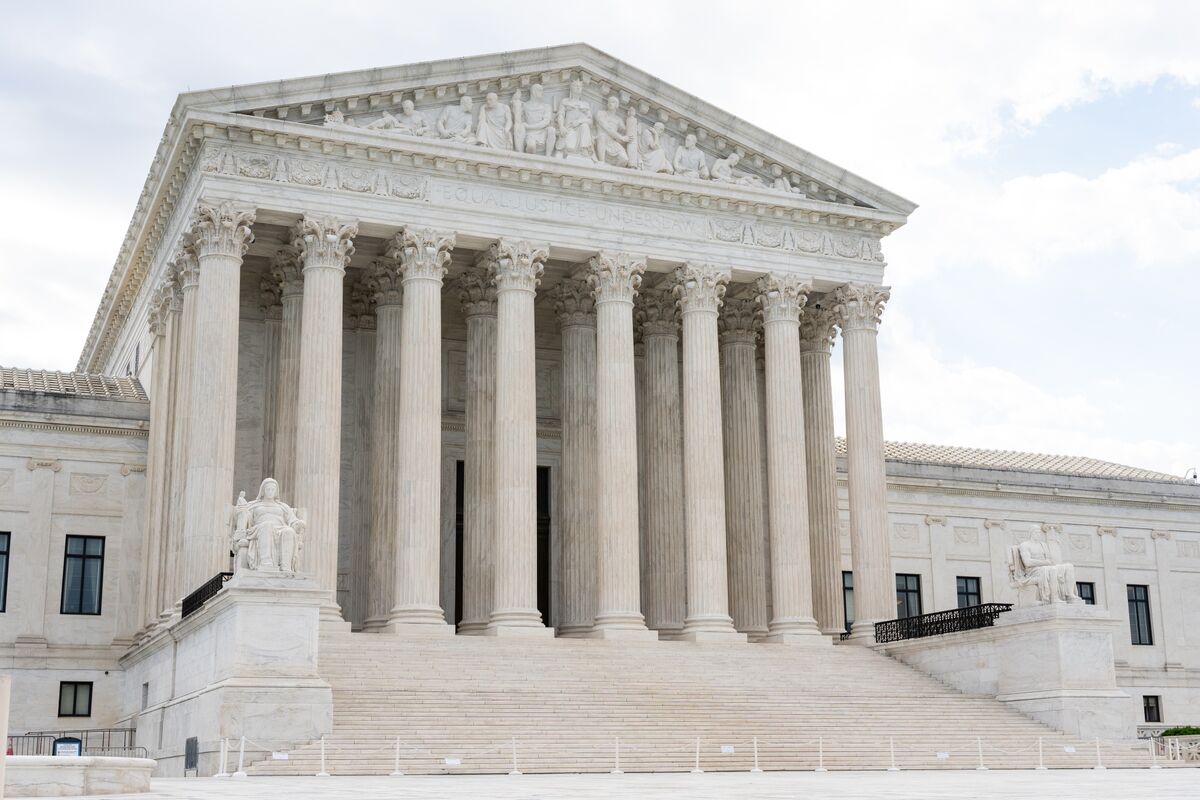
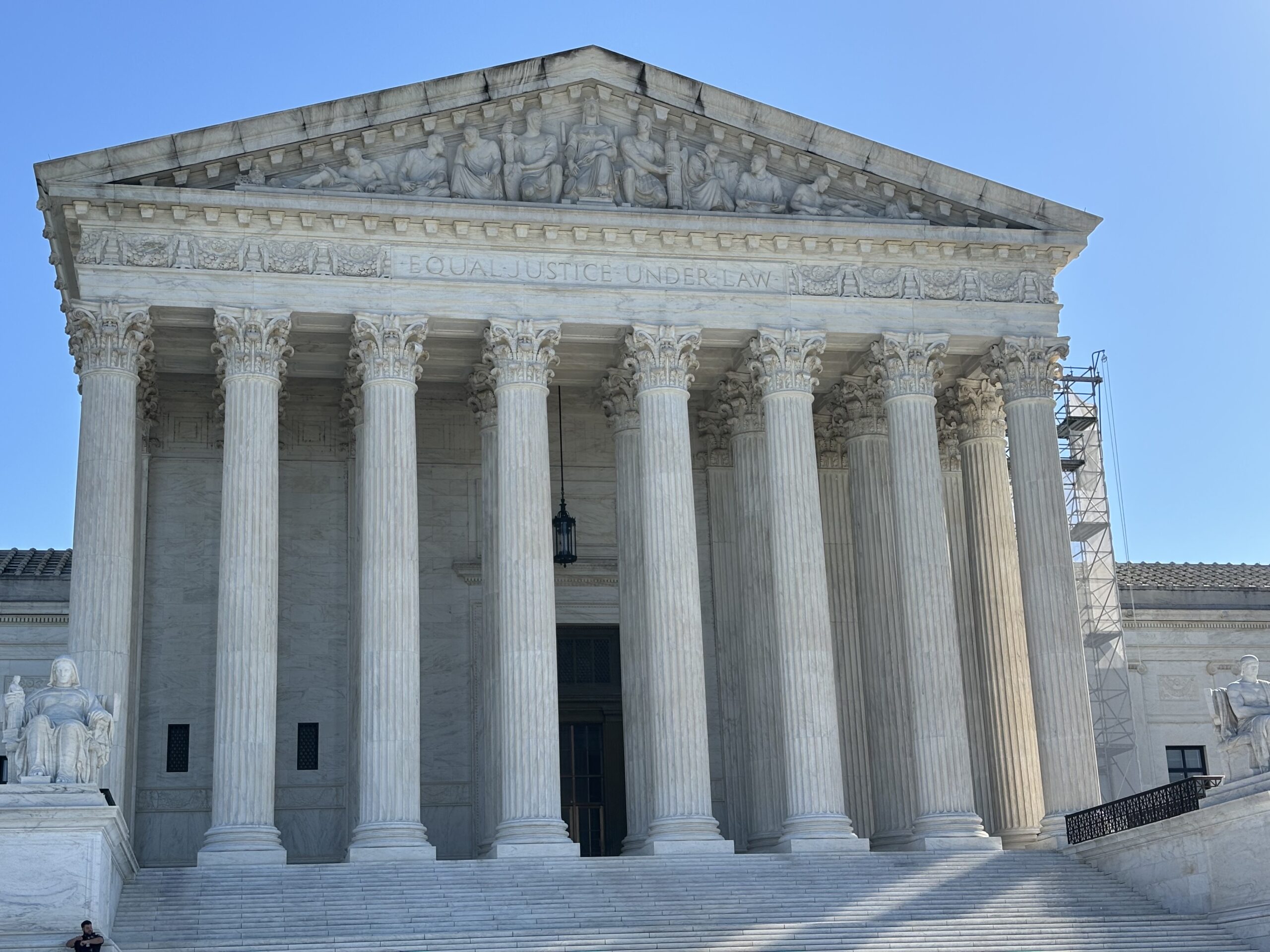
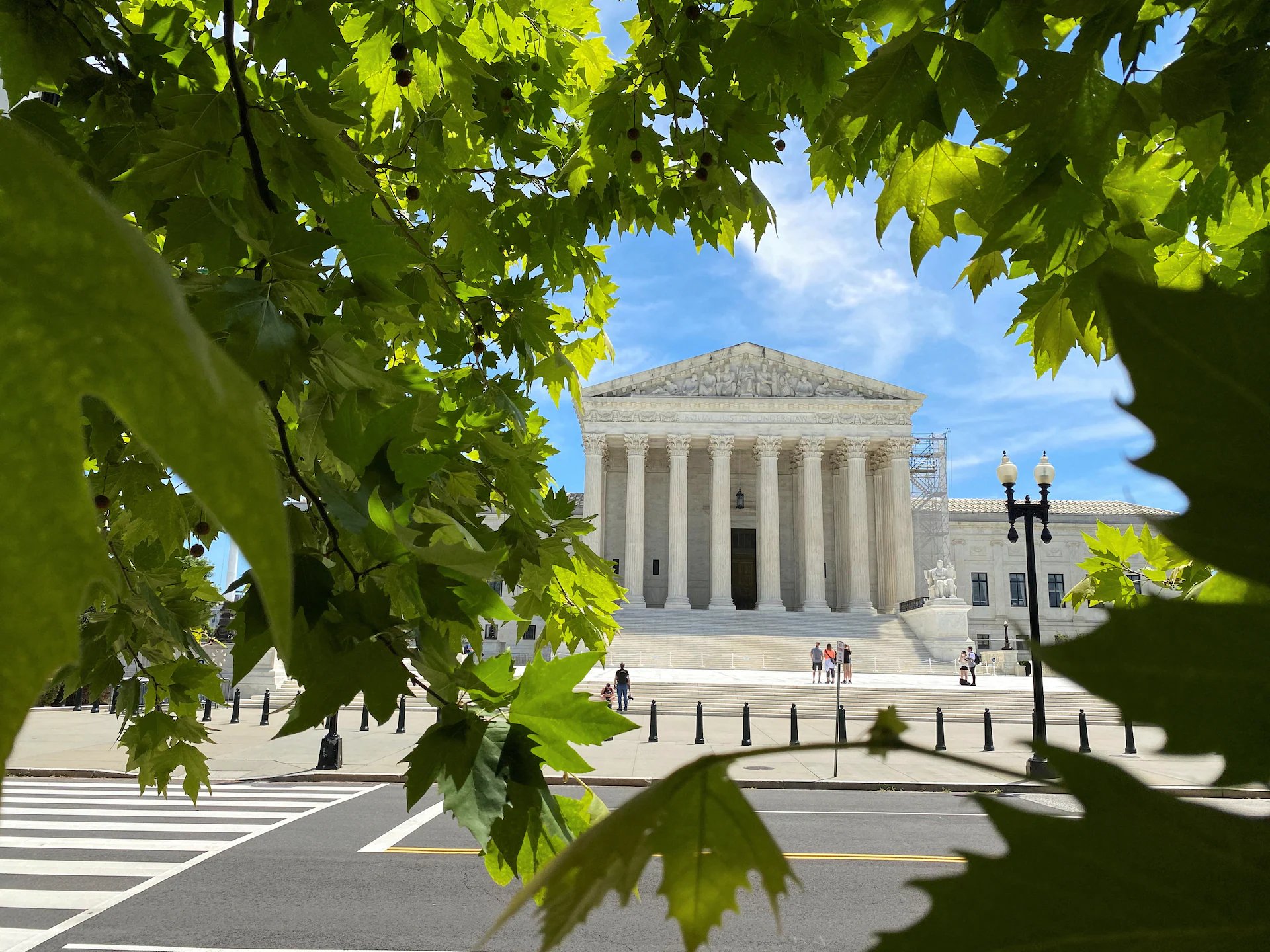
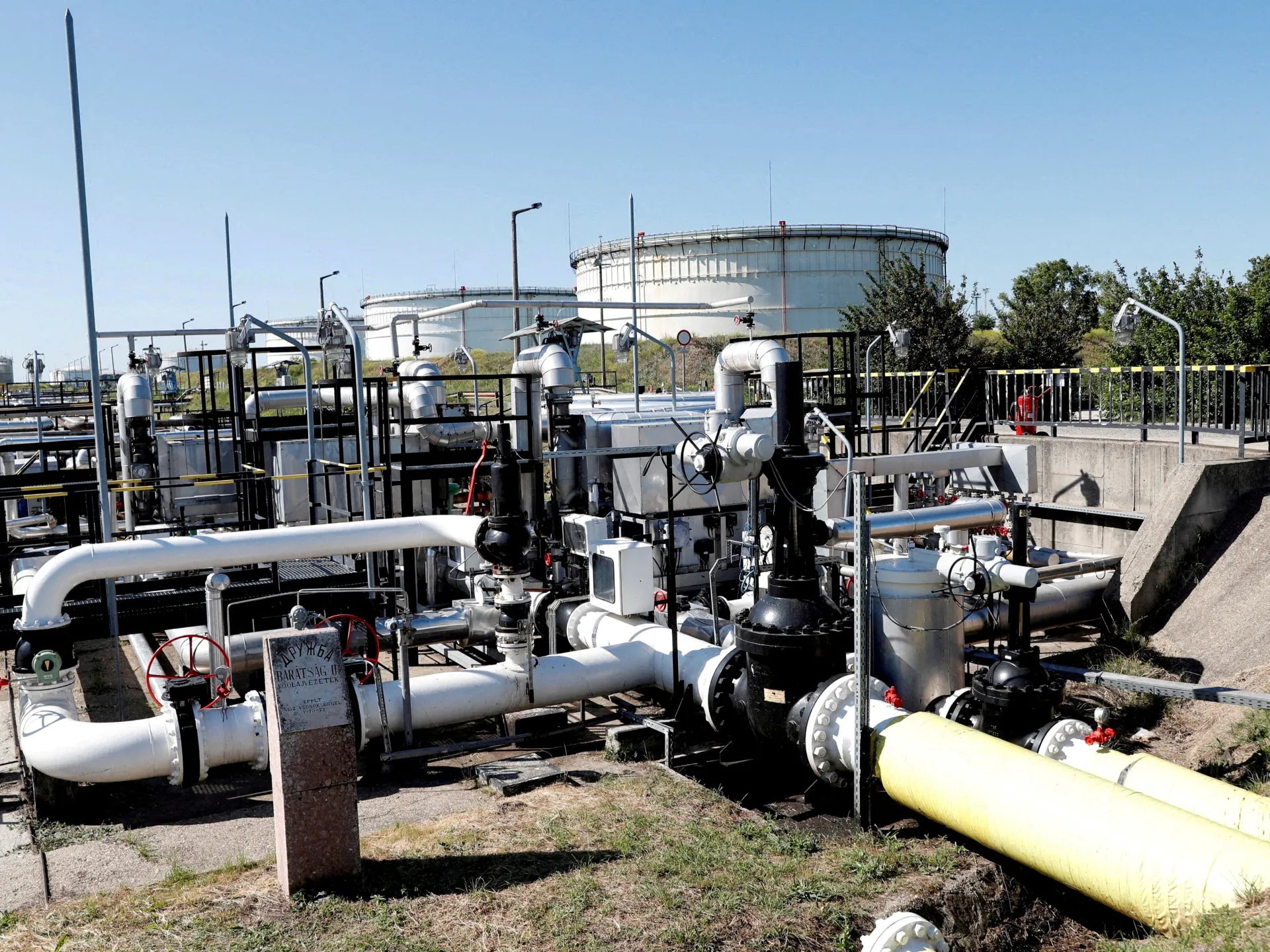
The Supreme Court has sided with Michigan officials in a significant ruling concerning an aging pipeline that runs beneath a critical section of the Great Lakes. The justices ruled that Michigan's lawsuit to shut down the pipeline will remain in state court, rejecting the oil company's argument to transfer the case to federal jurisdiction. This decision follows years of environmental concerns raised by state officials regarding the potential risks posed by the pipeline, which has been in operation since the 1950s.
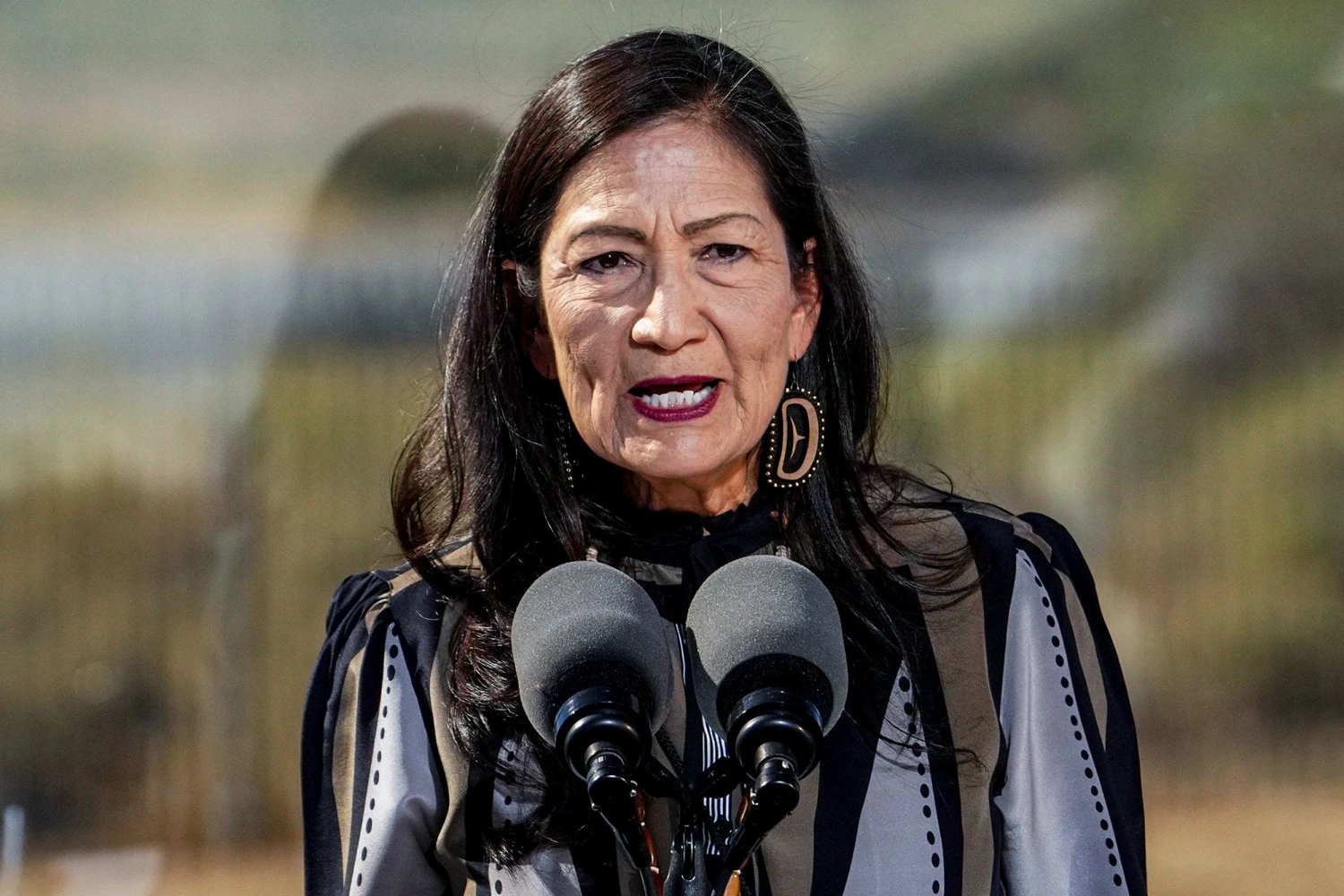
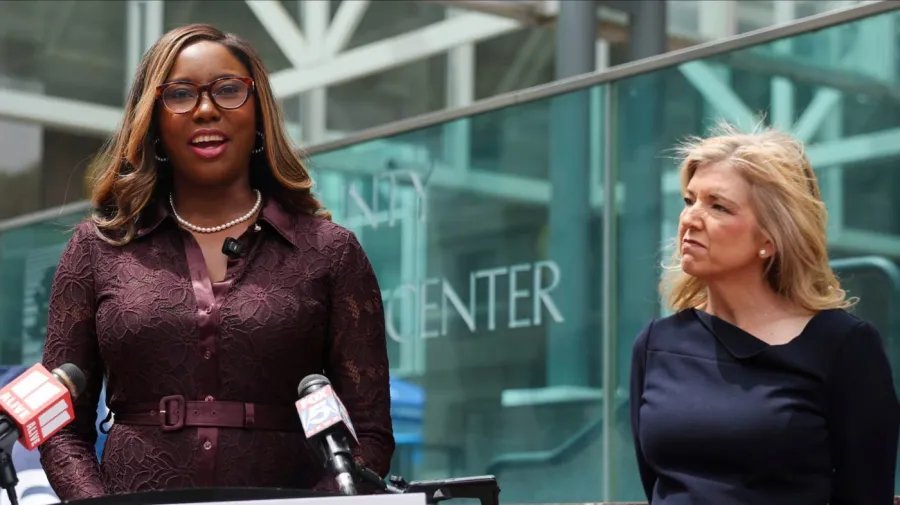
She stated, "This ruling allows us to continue our fight to ensure the safety of our water and our communities." The pipeline is owned by Enbridge.
Enbridge argued that the state court lacked jurisdiction over the matter, claiming that federal law should govern the pipeline's operation. However, the Supreme Court found that Michigan's interests in protecting its natural resources warranted state-level oversight. The ruling is seen as a reinforcement of state authority in environmental matters, particularly when public safety is at stake.
The case highlights the ongoing tension between energy infrastructure development and environmental protection, a debate that is increasingly relevant in today's climate-focused political landscape.
Following the ruling, Michigan officials plan to continue their legal efforts to decommission the pipeline. Michigan Attorney General Dana Nessel indicated that the state will work diligently to ensure that the pipeline is safely removed, stating, "We are committed to protecting our Great Lakes for future generations." The outcome of this case may influence other states facing similar dilemmas regarding aging infrastructure and environmental safety.
The Supreme Court has sided with Michigan officials in a significant ruling concerning an aging pipeline that runs beneath a critical section of the Great Lakes. The justices ruled that Michigan’s lawsuit to shut down the pipeline will remain in state court, rejecting the oil company’s argument to transfer the case to federal jurisdiction. This decision follows years of environmental concerns raised by state officials regarding the potential risks posed by the pipeline, which has been in operation since the 1950s.
Michigan Attorney General Dana Nessel emphasized the importance of this ruling for protecting the Great Lakes, calling it a victory for environmental advocates. She stated, "This ruling allows us to continue our fight to ensure the safety of our water and our communities." The pipeline, owned by Enbridge, has faced scrutiny for its condition and the potential for leaks that could have catastrophic impacts on the surrounding ecosystem.
Enbridge argued that the state court lacked jurisdiction over the matter, claiming that federal law should govern the pipeline’s operation. However, the Supreme Court found that Michigan’s interests in protecting its natural resources warranted state-level oversight. The ruling is seen as a reinforcement of state authority in environmental matters, particularly when public safety is at stake.
This ruling not only affects the future of the pipeline but also sets a precedent for how similar cases will be handled across the country. Environmental groups have hailed the decision as a crucial step towards greater accountability for energy companies. The case highlights the ongoing tension between energy infrastructure development and environmental protection, a debate that is increasingly relevant in today’s climate-focused political landscape.
Following the ruling, Michigan officials plan to continue their legal efforts to decommission the pipeline. Nessel indicated that the state will work diligently to ensure that the pipeline is safely removed, stating, "We are committed to protecting our Great Lakes for future generations." The outcome of this case may influence other states facing similar dilemmas regarding aging infrastructure and environmental safety.
The Supreme Court's decision marks a pivotal moment in the ongoing struggle between environmental advocacy and corporate interests, emphasizing the need for robust legal frameworks to protect vital natural resources.
Highlighted text was flagged by the council. Tap to see feedback.