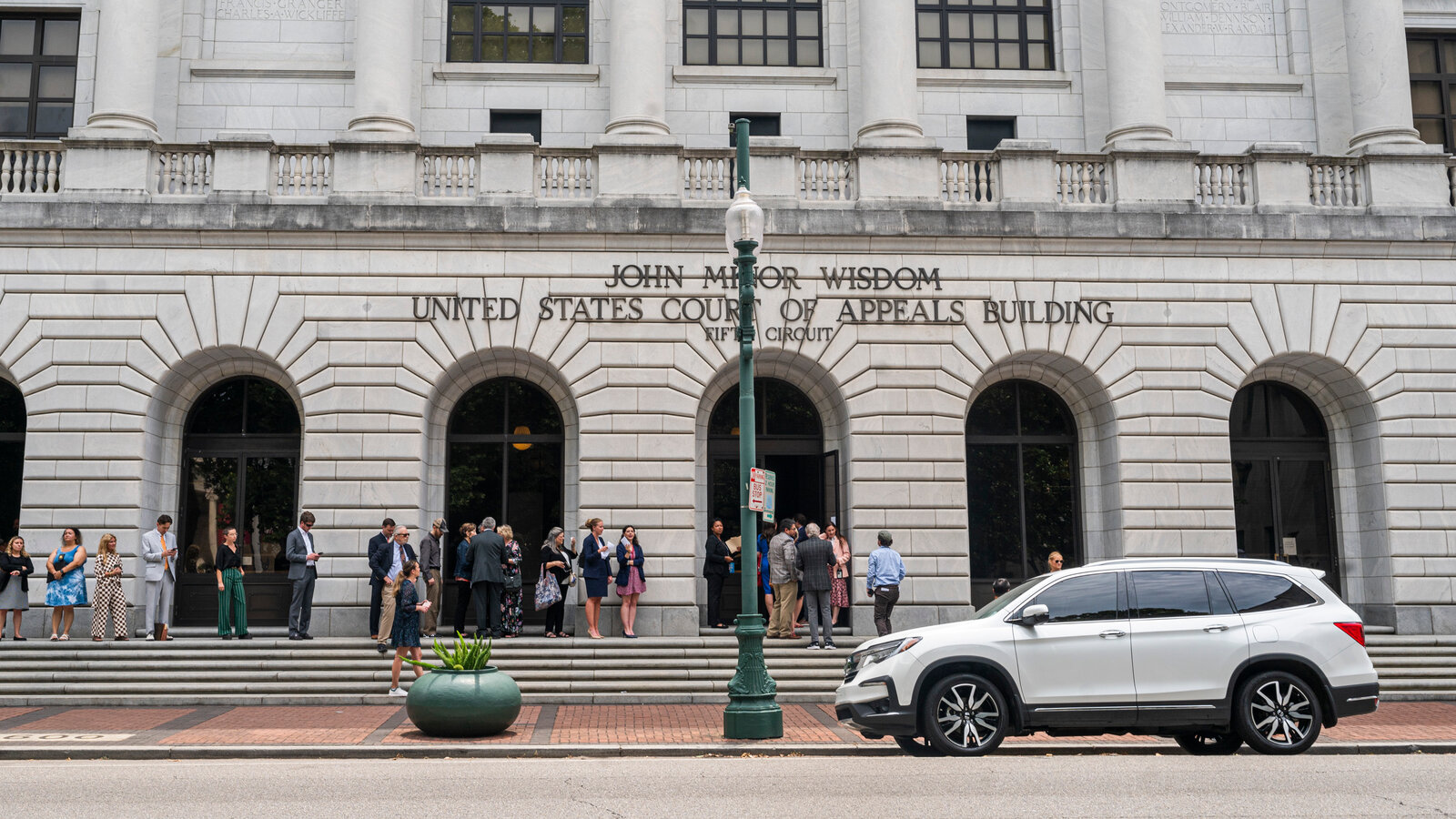
A federal appeals court upheld a Texas law requiring public schools to display the Ten Commandments in every classroom, ruling the requirement does not violate the First Amendment. The Fifth Circuit Court of Appeals released its decision on Tuesday in response to Senate Bill 10, enacted by the Texas Legislature in June 2025. The law mandates that schools display "a durable poster or framed copy of the Ten Commandments" measuring "at least 16 inches wide and 20 inches tall" in a conspicuous location using easily readable typeface.
The court determined the law does not improperly establish religion nor prevent individuals from practicing their faith. In its 120-page opinion, the court stated that the law "does not tell churches or synagogues or mosques what to believe or how to worship" and "punishes no one who rejects the Ten Commandments, no matter the reason."
The American Civil Liberties Union and religious freedom organizations filed a lawsuit in December 2025 in U.S. District Court in San Antonio on behalf of 18 families with children in Texas public schools. The lawsuit argued that the law violates the First Amendment by forcing children "to be forced to observe and venerate a state-mandated version of the Ten Commandments each school day, in violation of their religious freedom."
"We are extremely disappointed in today's decision," the ACLU said in a statement. "The Court's ruling goes against fundamental First Amendment principles and binding U.S. Supreme Court authority. The First Amendment safeguards the separation of church and state, and the freedom of families to choose how, when and if to provide their children with religious instruction."
The appeals court rejected the coercion argument, noting that students face no requirement to recite, believe, or affirm the Commandments' divine origin. "Students are neither catechized on the Commandments nor taught to adopt them," the court wrote. Teachers receive no instruction to proselytize students who ask about the displays or to contradict those who disagree with them.
The court also determined that exposure to religious language does not constitute "coercive indoctrination." The law "authorizes no religious instruction and gives teachers no license to contradict children's religious beliefs (or their parents')," the opinion stated. The court distinguished the law from historical religious establishments, which "prescribed liturgies and punished those who skipped them," whereas this law "puts a poster on a classroom wall."
Senator Phil King, a Republican from Weatherford who authored the bill, celebrated the ruling. "Few documents in the history of Western civilization and in American history have had a larger impact on our moral and legal code, and our culture, than the Ten Commandments," King said. "Returning this historical document to public school classrooms will provide moral clarity and allow students to better understand the foundation for much of American history and law."
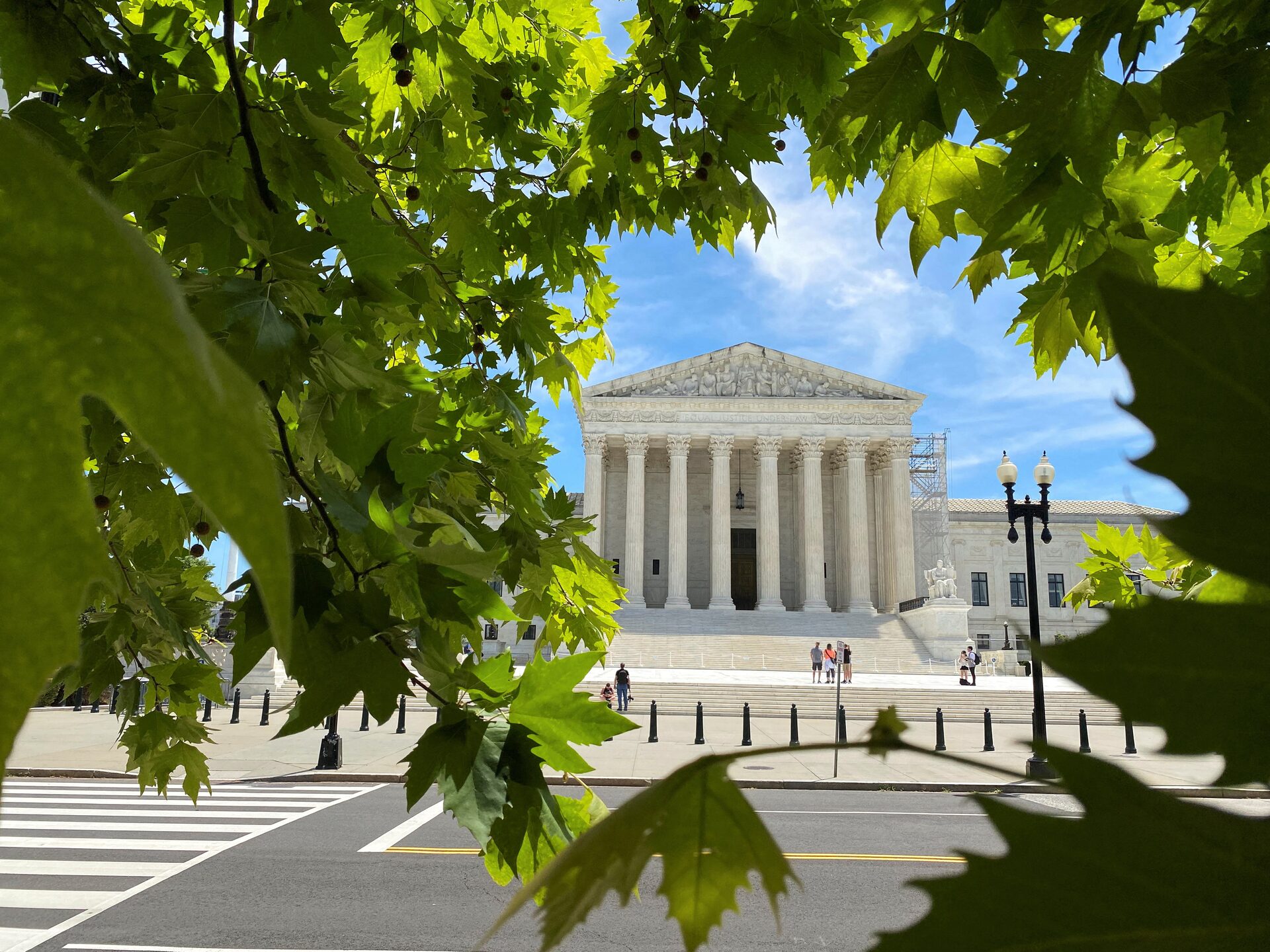
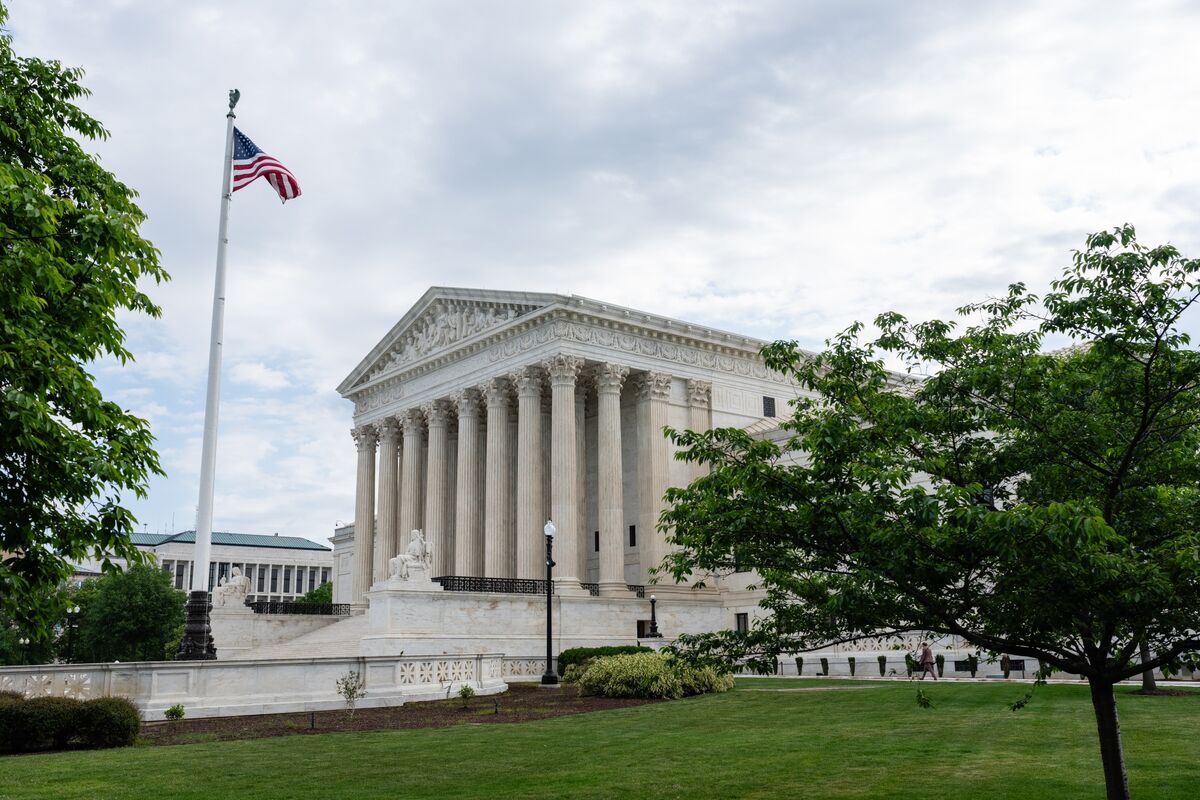
The case could ultimately reach the U.S. Supreme Court. Plaintiffs have signaled they plan to seek review at the highest court level, setting up a potential constitutional clash over religious expression in public schools.
A federal appeals court upheld a Texas law requiring public schools to display the Ten Commandments in every classroom, ruling the requirement does not violate the First Amendment. The Fifth Circuit Court of Appeals released its decision on Tuesday in response to Senate Bill 10, enacted by the Texas Legislature in June 2025. The law mandates that schools display "a durable poster or framed copy of the Ten Commandments" measuring "at least 16 inches wide and 20 inches tall" in a conspicuous location using easily readable typeface.
The court found the law legally compliant with the Constitution, determining it neither improperly establishes religion nor prevents individuals from practicing their faith. In its 120-page opinion, the court stated that the law "does not tell churches or synagogues or mosques what to believe or how to worship" and "punishes no one who rejects the Ten Commandments, no matter the reason."
The American Civil Liberties Union and religious freedom organizations filed a lawsuit in December 2025 in U.S. District Court in San Antonio on behalf of 18 families with children in Texas public schools. The plaintiffs named 16 school districts as defendants, including seven from North Texas. The lawsuit argued that the law violates the First Amendment by forcing children "to be forced to observe and venerate a state-mandated version of the Ten Commandments each school day, in violation of their religious freedom."
The ACLU released a statement calling the decision disappointing. "The Court's ruling goes against fundamental First Amendment principles and binding U.S. Supreme Court authority," the organization said. "The First Amendment safeguards the separation of church and state, and the freedom of families to choose how, when and if to provide their children with religious instruction."
The appeals court rejected the coercion argument, noting that students face no requirement to recite, believe, or affirm the Commandments' divine origin. "Students are neither catechized on the Commandments nor taught to adopt them," the court wrote. Teachers receive no instruction to proselytize students who ask about the displays or to contradict those who disagree with them.
The court also determined that exposure to religious language does not constitute "coercive indoctrination." The law "authorizes no religious instruction and gives teachers no license to contradict children's religious beliefs (or their parents')," the opinion stated. The court distinguished the law from historical religious establishments, which "prescribed liturgies and punished those who skipped them," whereas this law "puts a poster on a classroom wall."
Senator Phil King, a Republican from Weatherford who authored the bill, celebrated the ruling. "Few documents in the history of Western civilization and in American history have had a larger impact on our moral and legal code, and our culture, than the Ten Commandments," King said. "Returning this historical document to public school classrooms will provide moral clarity and allow students to better understand the foundation for much of American history and law."
The case could ultimately reach the U.S. Supreme Court. Plaintiffs have signaled they plan to seek review at the highest court level, setting up a potential constitutional clash over religious expression in public schools. The ruling represents a victory for conservatives who have sought to incorporate more religious content into educational settings.
Highlighted text was flagged by the council. Tap to see feedback.