
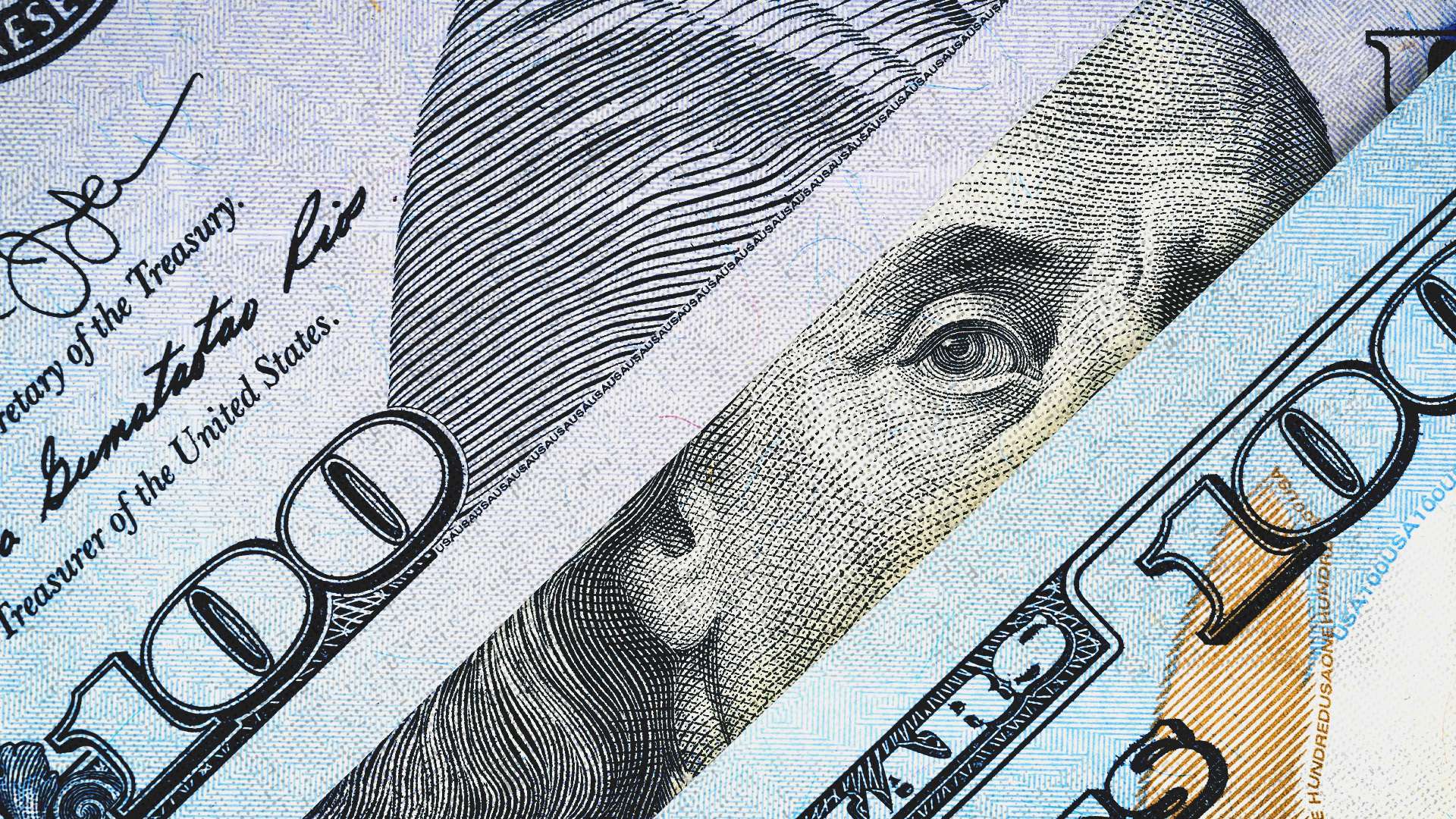





Rising Consumer Costs
Consumer prices jumped 3.8% in April, according to the Bureau of Labor Statistics, marking the largest increase since May 2023. This rise in inflation is fueled by the ongoing war with Iran, which has sent energy prices soaring. The consumer price index, which measures the price of a basket of goods and services, rose for the second consecutive month.
Impact of Energy Prices
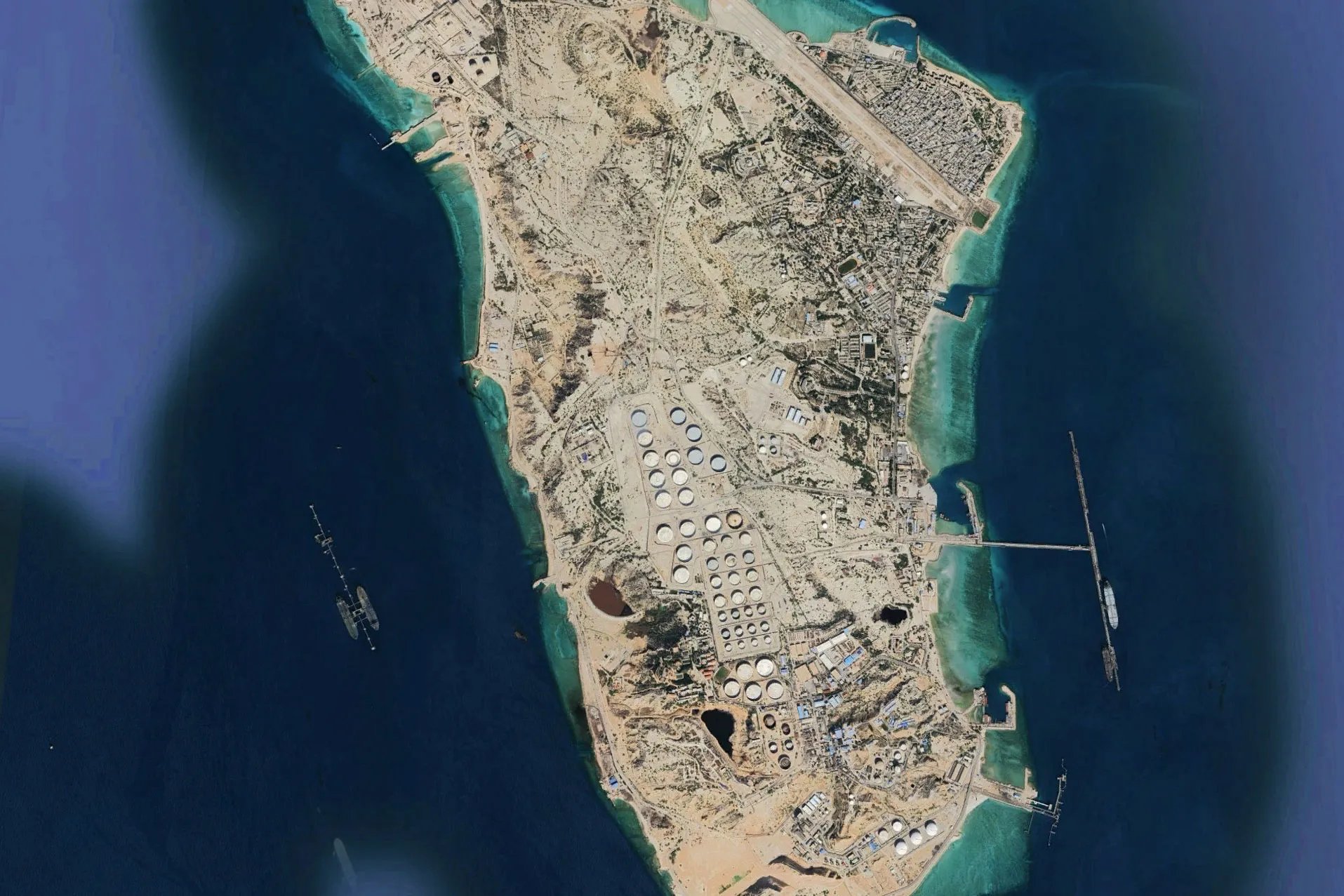
Energy prices rose 3.8% in April, accounting for over 40% of the overall monthly increase. Gasoline prices surged 5.4% from March to April. The average price for a gallon of gas is $4.50, up from $2.98 when the U.S.-Israel war with Iran began on February 28. The war has led to the closure of the Strait of Hormuz, a key shipping lane, disrupting the global oil supply.
Airfare and Groceries
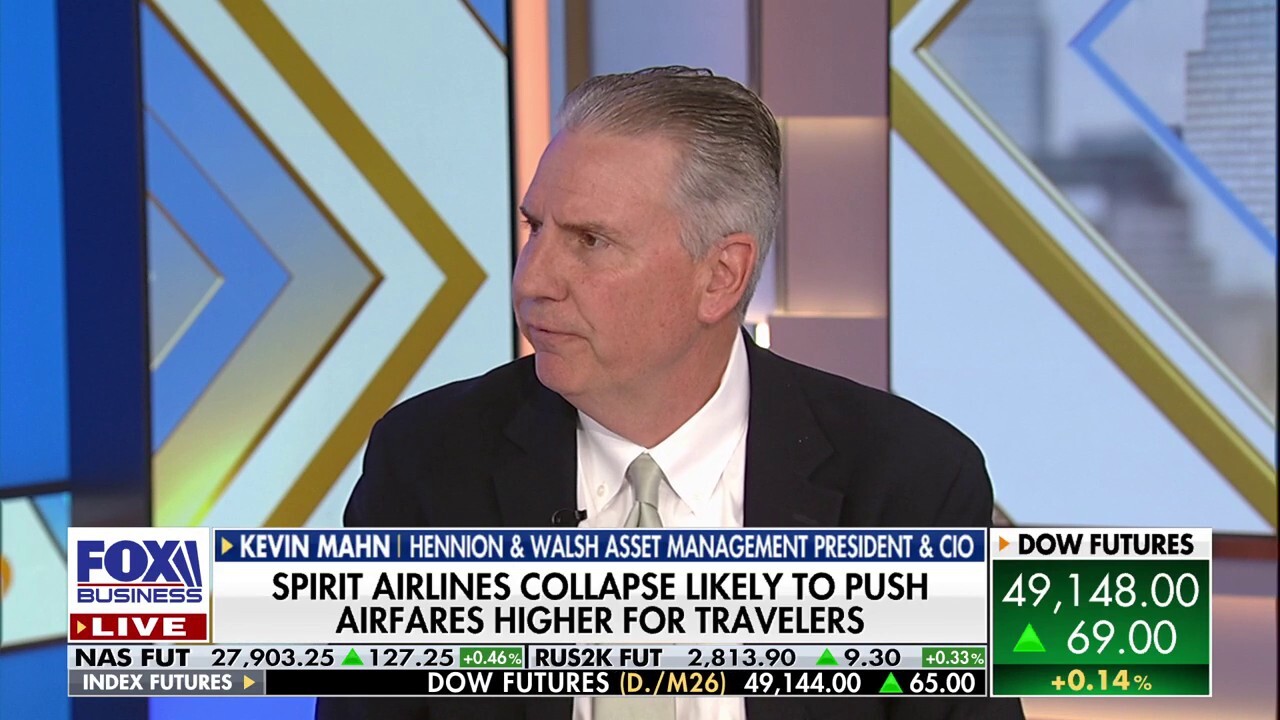
Airfares have also seen a significant increase, rising 20.7% due to heightened jet fuel costs. Some airlines, including Delta Air Lines, United Airlines and Southwest, have increased bag fees in response. Grocery prices also rose 0.7% in April, with the price of beef jumping 2.7%. Tomato prices surged almost 40% compared to last year.
Wage Concerns
The rise in inflation means that prices are now rising faster than wages for the first time since 2023. Wage growth slowed to 3.6% in April. Heather Long, chief economist at Navy Federal Credit Union, said that inflation is eating up all wage gains, creating a financial squeeze for middle-class and lower-income households.
Federal Reserve Response
The rise in inflation makes it increasingly unlikely the Federal Reserve will cut interest rates this year. Markets forecast a roughly 70% chance of interest rates holding steady for the remainder of this year, according to the CME FedWatch Tool. Kevin Warsh is set to take over from Jerome Powell as chair of the U.S. central bank.
Global Impact
The effects of the war and rising inflation are not limited to the U.S. Australia, Canada, and South Korea have also reported rapidly rising inflation. British households are bracing for a new cost-of-living crisis. For Americans, the closure of the Strait of Hormuz is more than an energy shock as it is roiling supply chains around the world, according to KPMG chief economist Diane Swonk.































The sources also report that gasoline prices increased by $1.52 per gallon since the war began on February 28, amounting to a roughly 50% price jump in about two-and-a-half months.