




Supreme Court's Decision Disrupts Democratic Gains
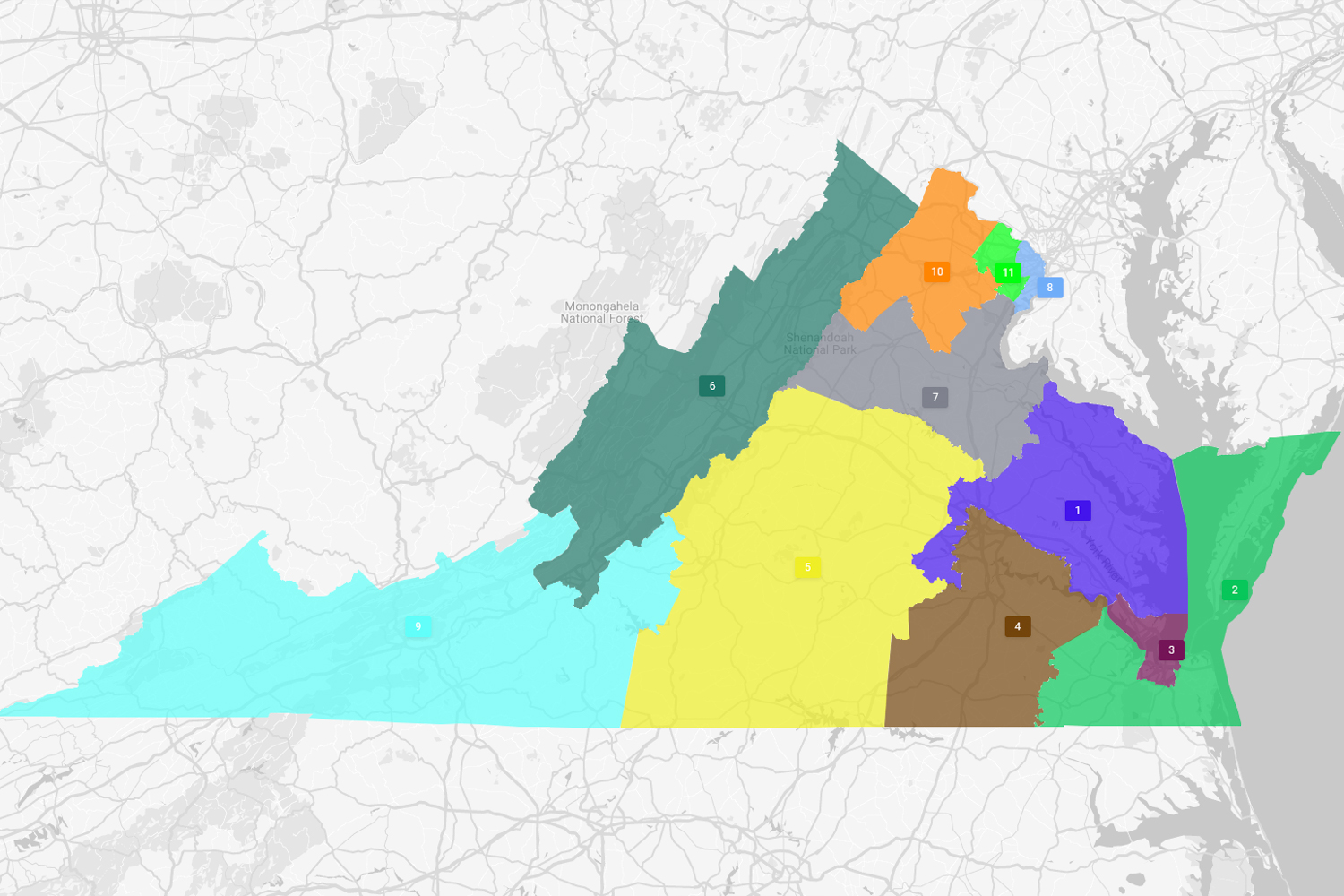
The Virginia Supreme Court's recent ruling nullified a voter-approved redistricting measure, severely undermining Democratic prospects in the upcoming 2026 midterm elections. In a narrow 4-3 decision, the court invalidated a referendum in which 1.6 million Virginians voted to amend the state constitution, a measure that would have shifted congressional representation from a 6-5 Democratic advantage to a projected 10-1. The court found that the legislative process used to place the amendment on the ballot violated constitutional protocols.
Republican Redistricting Efforts Accelerate
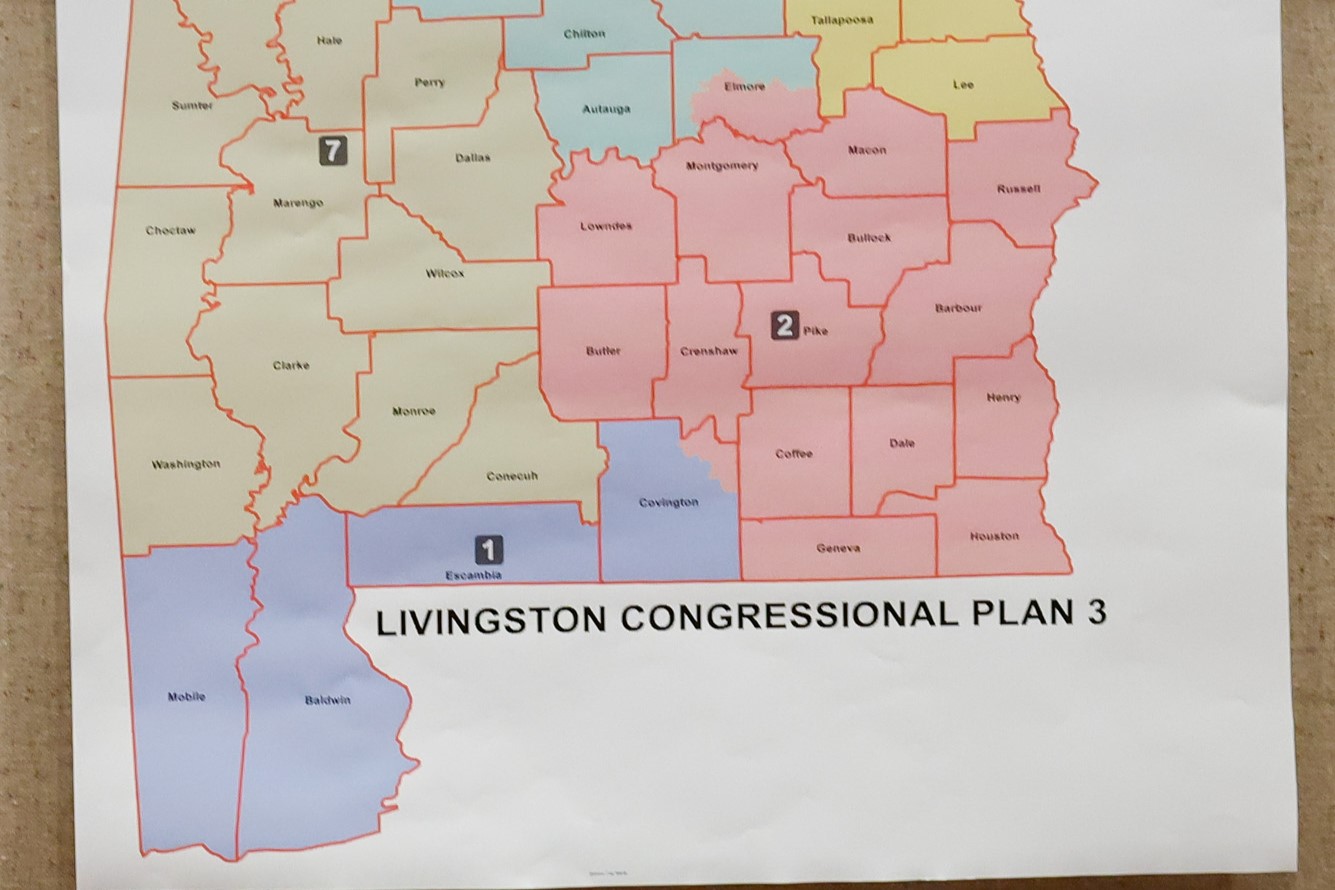
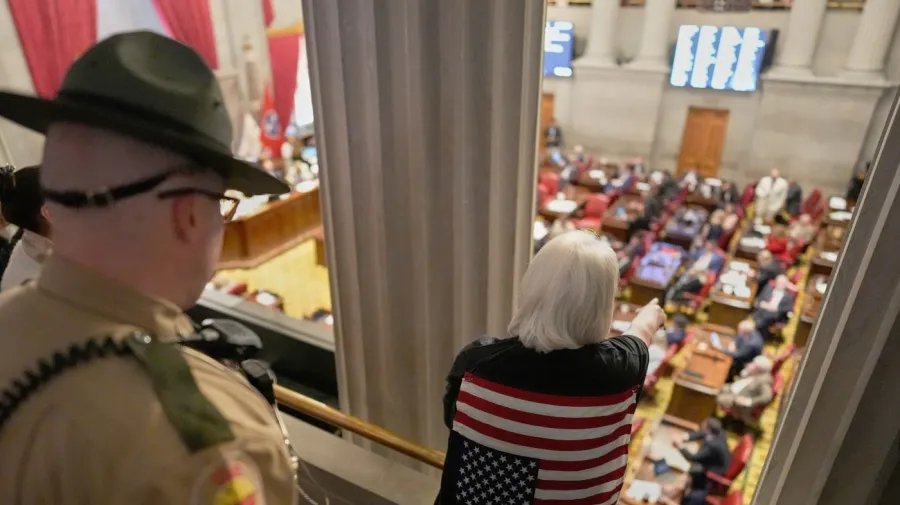
Following the ruling, Republican lawmakers in Virginia and other Southern states have swiftly moved to redraw congressional maps. This response is part of a broader strategy initiated after the U.S. Supreme Court's April 29 ruling in Louisiana v. Callais, which weakened voting rights protections for minority communities. In the wake of this decision, Republican governors in Alabama and Tennessee convened special sessions to approve new maps that could potentially eliminate Democratic representation in key districts.
National Implications of Virginia's Ruling
The Virginia ruling is expected to significantly alter the balance of power in the House of Representatives. Prior to the decision, Democrats were optimistic about gaining additional seats through the newly drawn maps. However, the current landscape suggests that Republicans could gain as many as ten additional seats nationally, shifting the House composition from 217 Republicans to 212 Democrats. This reconfiguration is critical, as control of the House is vital for advancing the political agendas of both parties.
Responses from Democratic Leaders
Democratic leaders have expressed outrage over the court's ruling, framing it as a direct assault on democracy. Former Vice President Kamala Harris stated, “Today, the Virginia Supreme Court ignored the will of the people,” emphasizing the ruling's potential to bolster efforts to "rig the 2026 elections." House Minority Leader Hakeem Jeffries remained hopeful, asserting that Democrats would still work to regain control of the House despite the setback in Virginia.
Legal Challenges and Future Strategies
In light of the ruling, Virginia's Attorney General Jay Jones announced that his office is exploring legal avenues to challenge the decision. Voting rights groups are also mobilizing to file lawsuits aimed at preventing the implementation of the new congressional maps in several Southern states. These efforts underscore the ongoing struggle over representation and voting rights, particularly in regions historically affected by gerrymandering.
The Broader Context of Redistricting
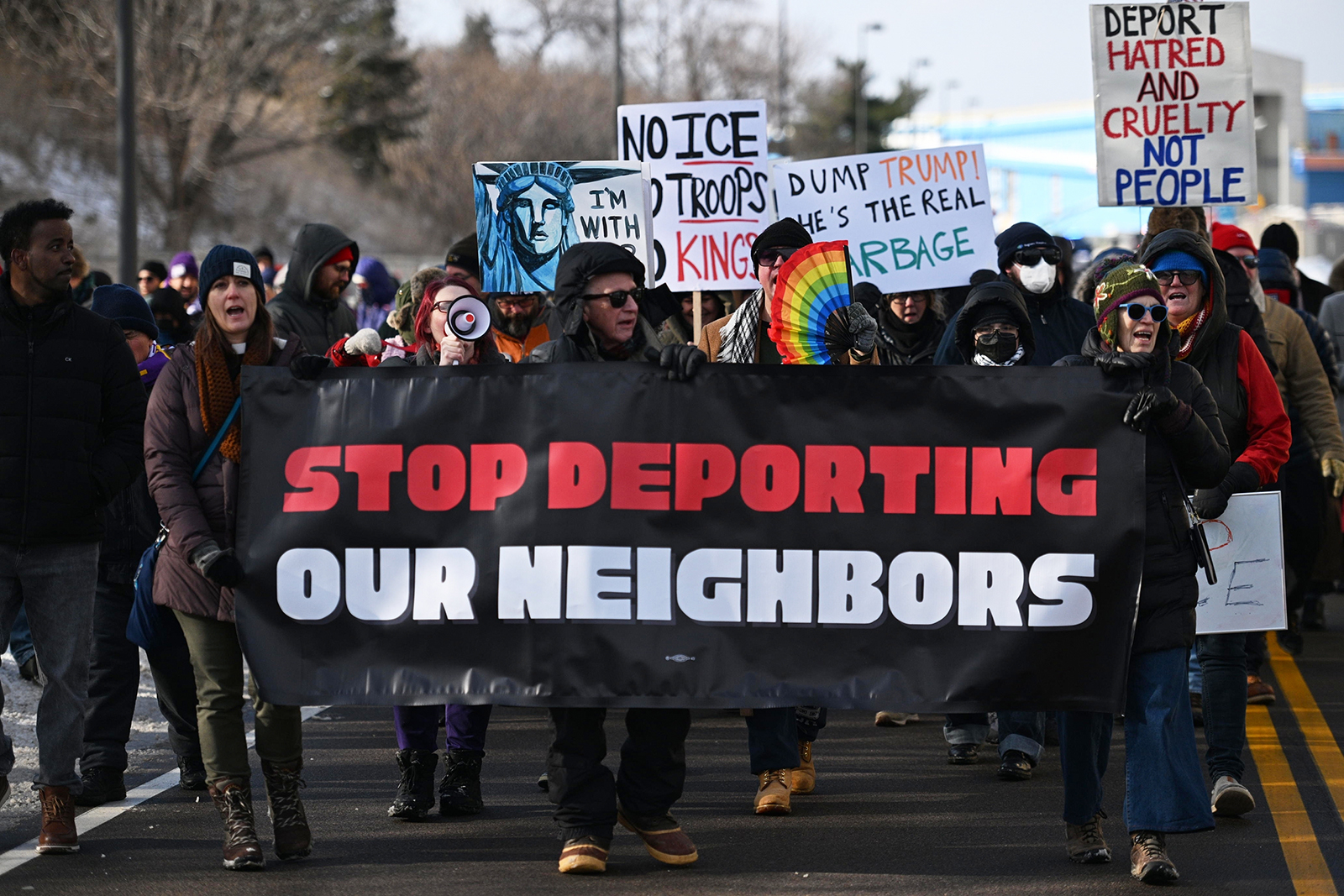
The Virginia ruling is part of a larger national trend where Republican-led states are aggressively pursuing redistricting measures that critics argue diminish the voting power of minority communities. Activists have highlighted that these tactics echo past injustices and have led to protests in state capitals, including Montgomery and Nashville. The implications of these changes extend beyond Virginia, as they could reshape political dynamics across the South.
Next Steps for Voters and Activists
As the 2026 midterms approach, voters and activists are urged to remain vigilant and engaged. The fight for fair representation is set to intensify, with both parties preparing for a contentious electoral battle. The outcome of ongoing legal challenges and the response from grassroots movements will play a crucial role in determining the future of voting rights in Virginia and beyond. Voter participation and advocacy will be essential in shaping the political landscape in the coming months.