




Pain at the Pump
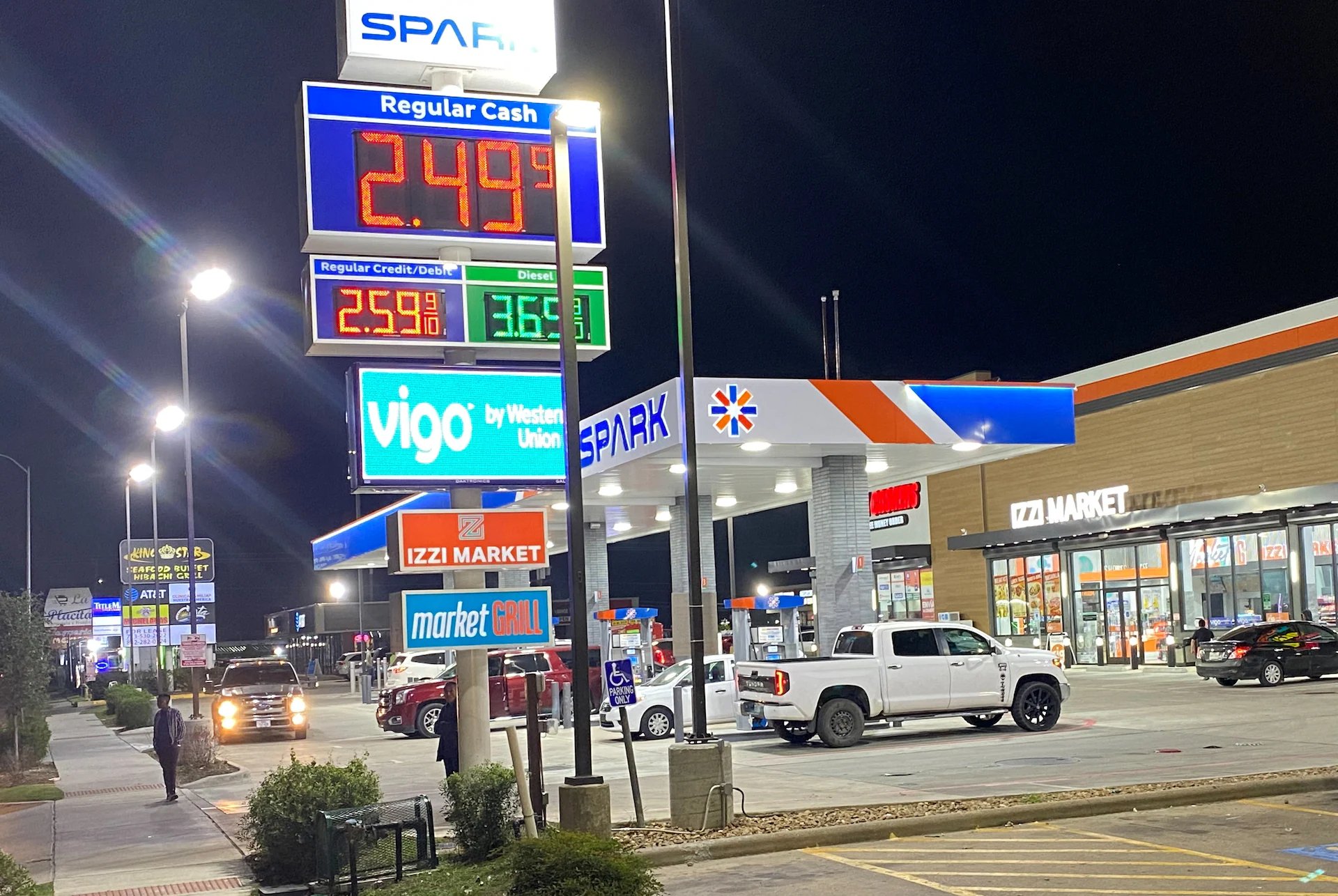
The average cost of gasoline in the U.S. has reached $4.54 a gallon, according to AAA data. This is the highest price since July 2022, adding financial strain to drivers. Since the start of the war with Iran, gas prices have jumped 52%, or $1.56 per gallon.
Impact on Lower Incomes
People with lower incomes are disproportionately affected by rising fuel costs. Higher gas prices are forcing them to drive less and allocate more of their budget to transportation. The public has been asked to share how soaring fuel costs are impacting their personal finances.
Geopolitical Factors
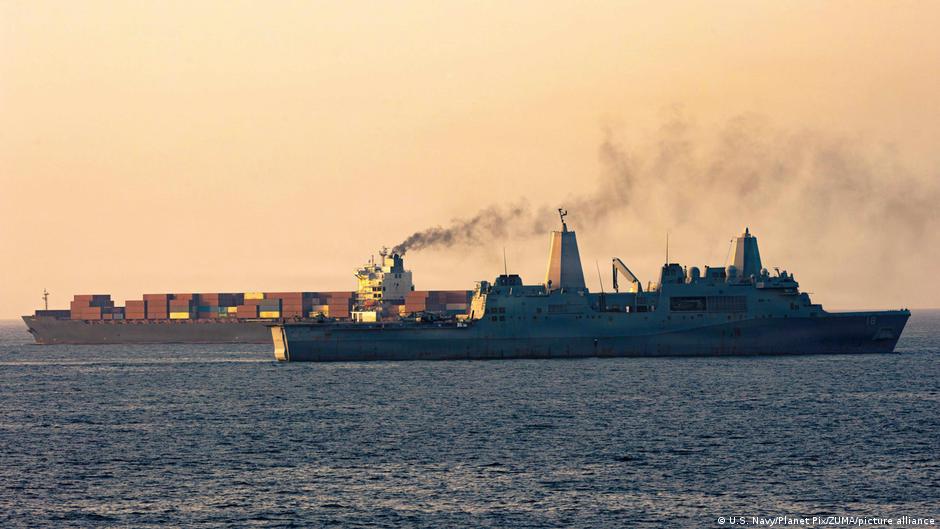
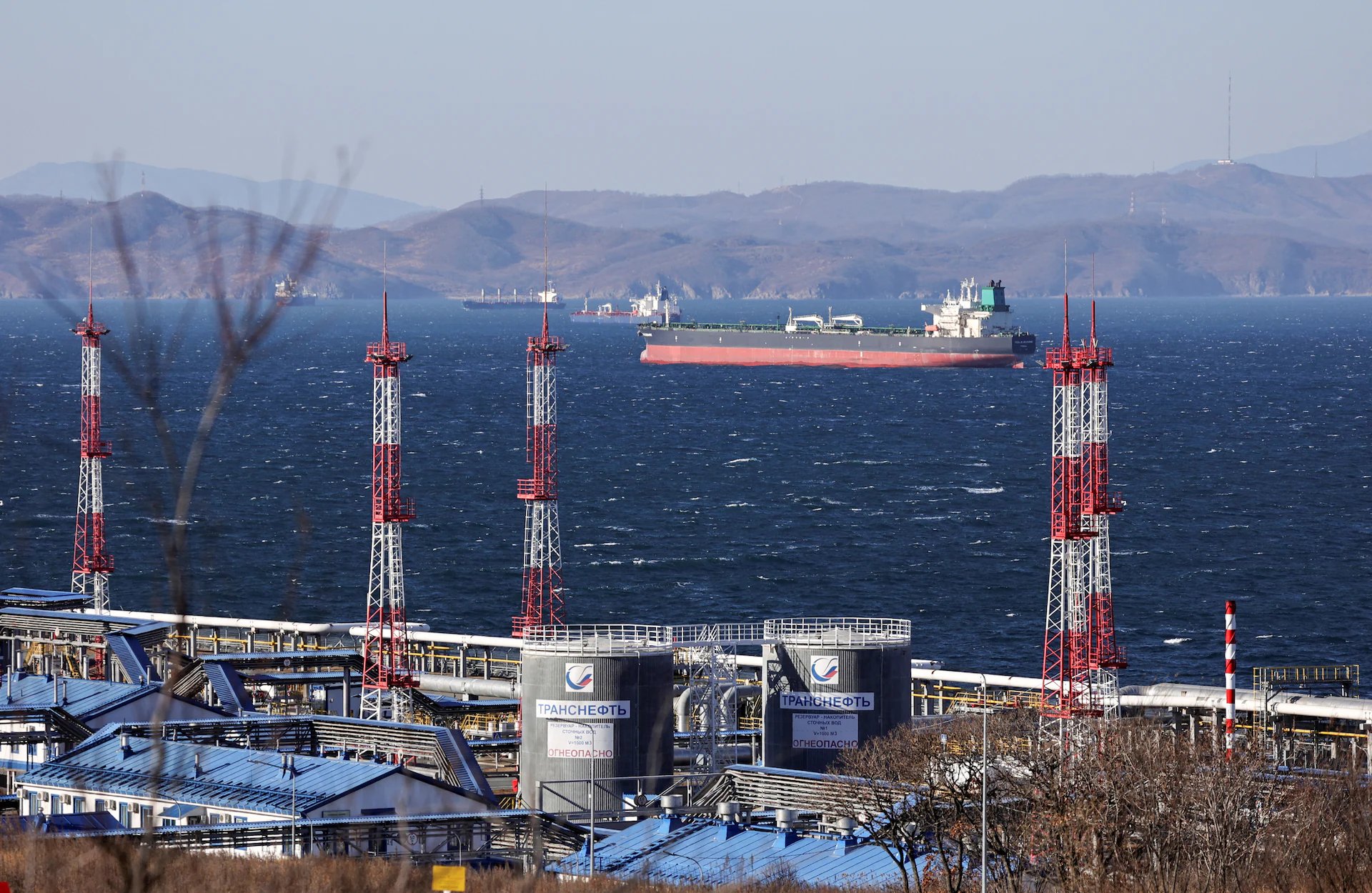
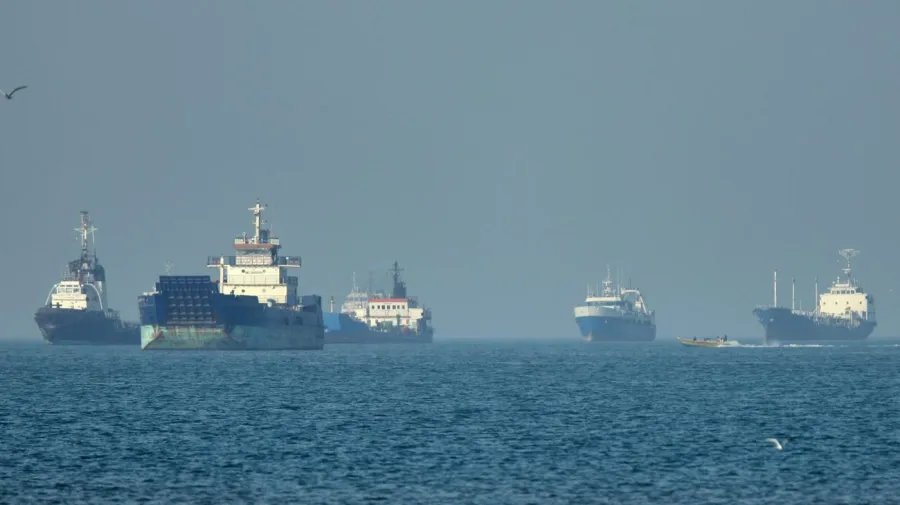
The closure of the Strait of Hormuz by Iran has significantly constrained global oil supplies. The Strait of Hormuz carries 20% of the world's oil and liquefied natural gas. Dave Sekera, chief U.S. market strategist at Morningstar, stated that it appears they are "not any closer to a long-term resolution" regarding the conflict.
Regional Price Spikes
Gasoline prices rose in every state over the last week. Patrick De Haan, a petroleum expert at GasBuddy, noted that the Great Lakes region experienced sharp increases, specifically in Michigan, Indiana, Ohio, and Illinois, while Wisconsin saw more modest gains. Double-digit dips could be coming soon for some states.
Market Fluctuations
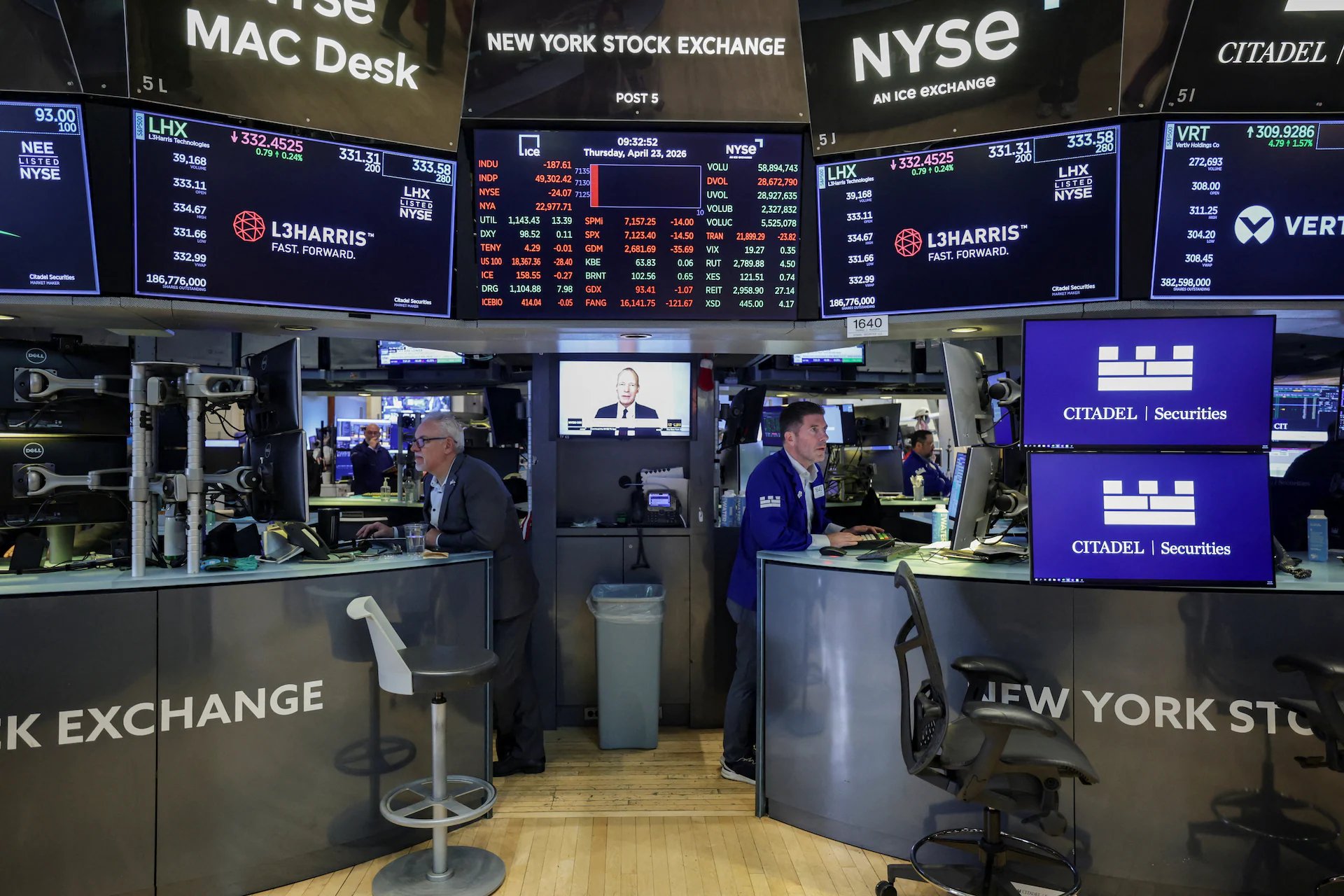
Brent crude, the international benchmark, dropped $7 to $102.83 a barrel on Wednesday. West Texas Intermediate, the U.S. benchmark, fell 6% to $96.11. Even with a potential U.S.-Iran peace deal, experts predict gas prices will remain elevated for months.
Future Projections
Goldman Sachs estimated Brent crude would trade at about $80 a barrel by year-end. This is about $10 higher than prior to the war. Global oil inventories are nearing their lowest point since 2018, according to a May 4 report by the investment bank, raising concerns about a potential supply squeeze. John Quigley, a senior fellow at the Kleinman Center for Energy Policy at the University of Pennsylvania, said prices have to go much higher as oil tanks dry up.
Supply and Demand
Gas prices are influenced by petroleum supplies and the speed at which Middle East refineries can return to service after damage sustained in the Iran war. Seasonal demand, such as higher gasoline usage during the summer months, also tends to drive up fuel costs, according to De Haan. Despite some localized relief that may emerge, broader price volatility is likely to persist in the near term.