




Rising Baggage Fees
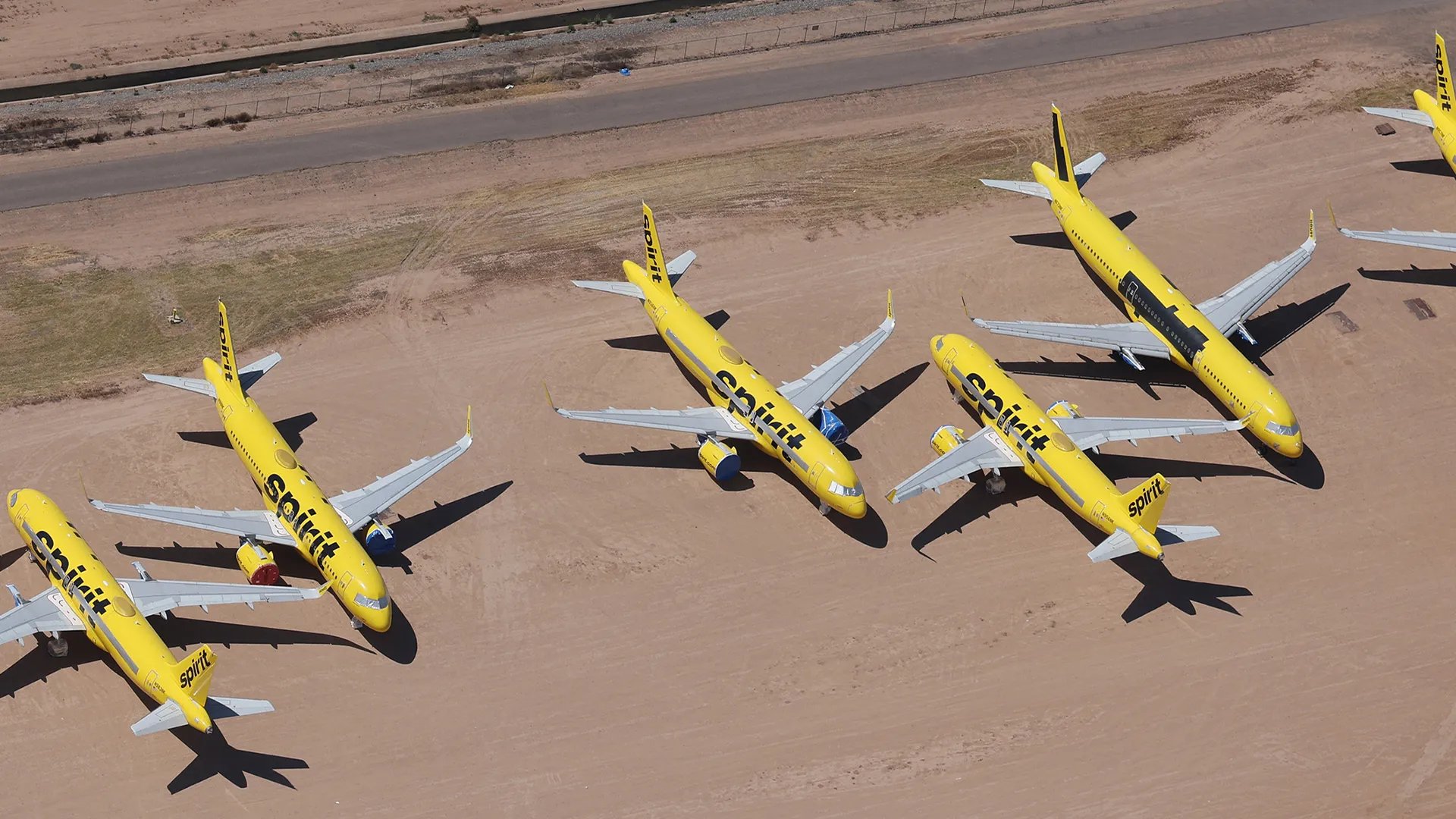
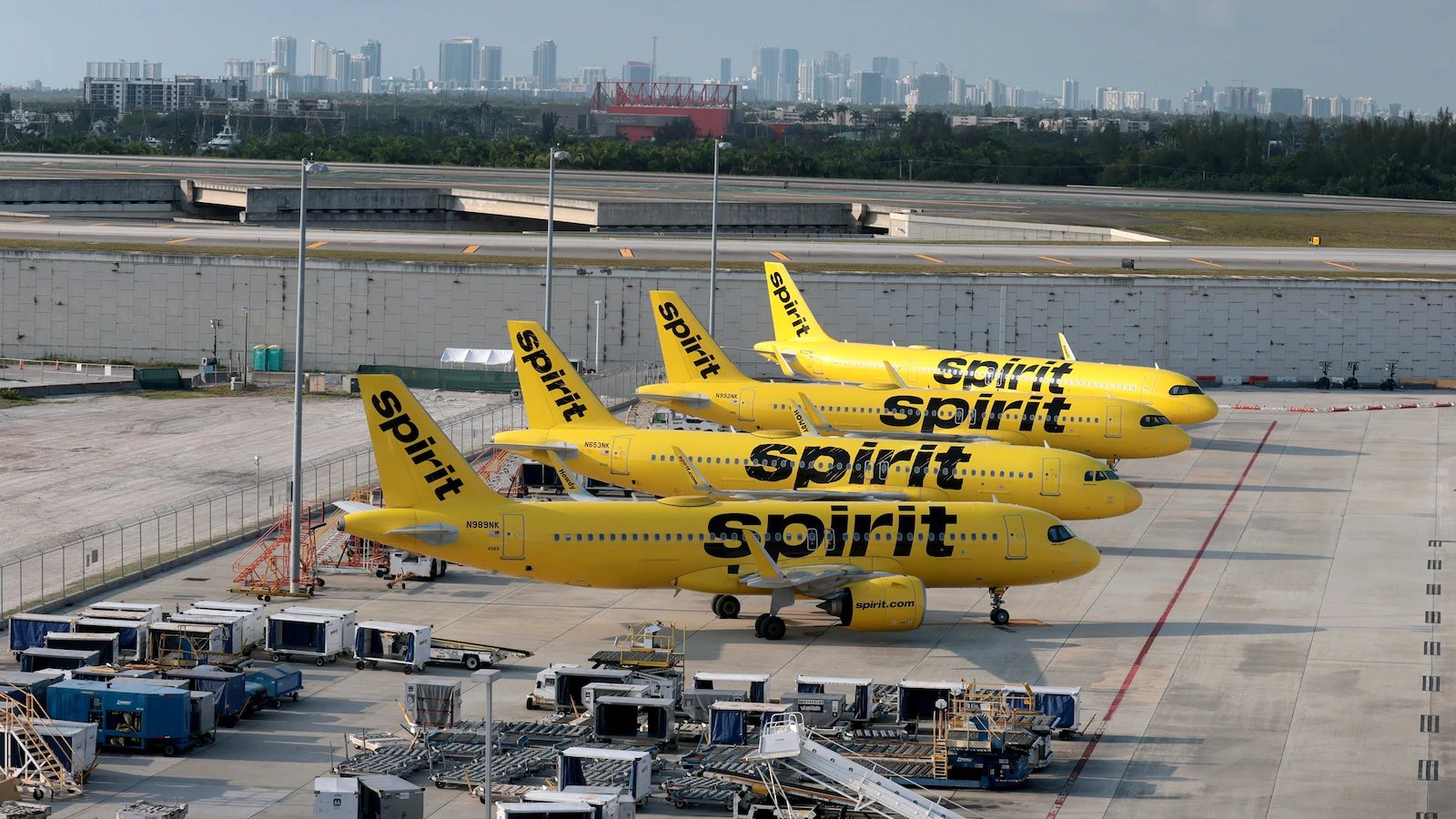
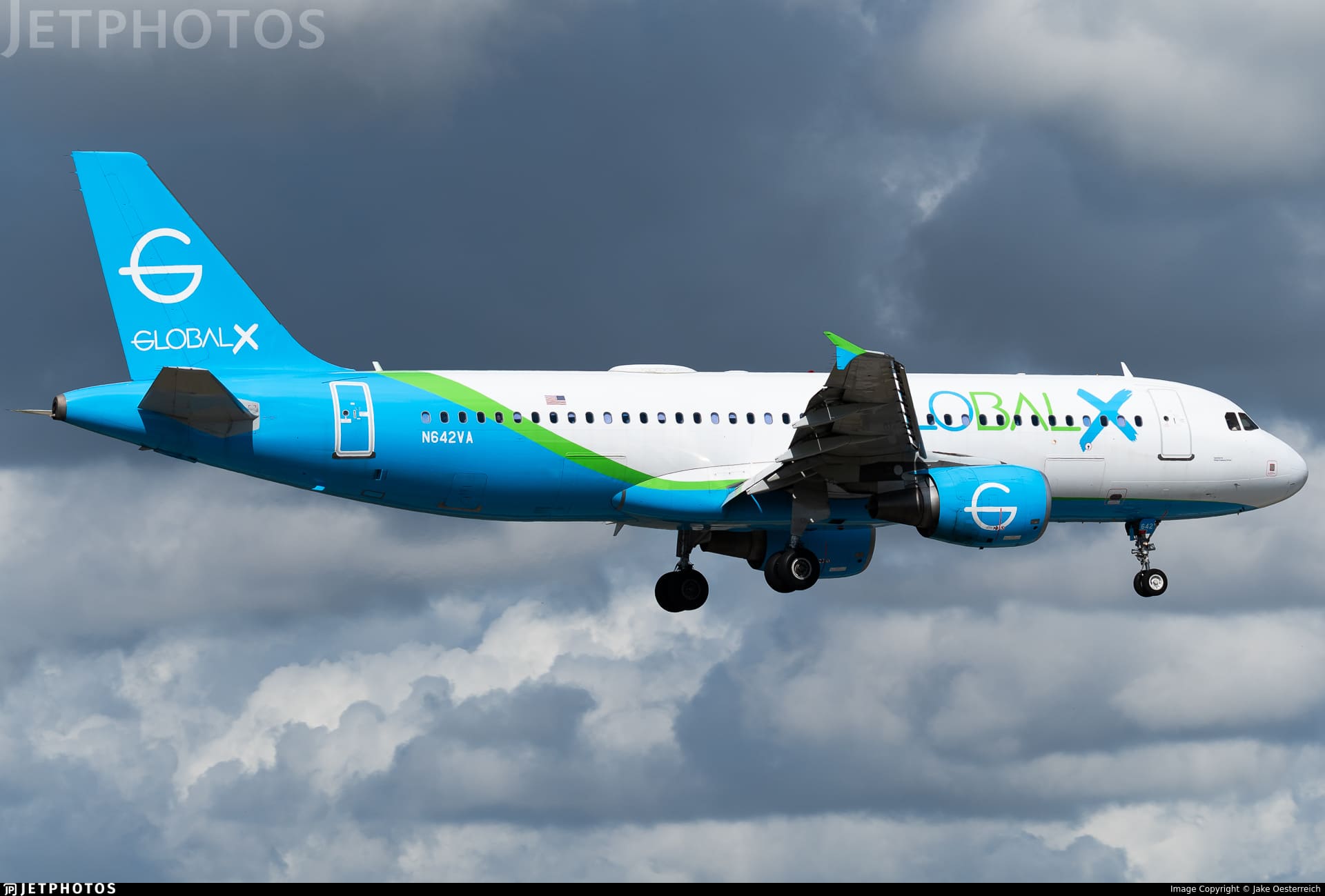
The war in Iran is impacting air travelers' wallets, with airlines increasing checked baggage fees to offset rising jet fuel costs. Jet fuel prices have roughly doubled since the start of the year. Airlines are struggling to absorb the increased expense, with fuel being their second-largest cost after labor. Consumers are feeling the pinch as a result.
All major U.S. carriers, including American, Alaska, Delta, Southwest, and United, have raised their checked baggage fees by approximately $10 per bag in April. Checked bag fees for domestic flights now start at $45 for the first bag. Exact pricing depends on the number of bags, flight destination, and payment timing.
Route Suspensions and Reduced Services
Delta will eliminate food and beverage services from some short-haul flights starting on May 19. Passengers, except those in Delta First, will not receive snacks or drinks on flights shorter than 350 miles. Delta says this change will create a more consistent experience across its network.
Air Canada announced last month it will suspend half a dozen routes deemed "no longer economically feasible" due to higher fuel prices. Three routes between Canada and the U.S. will be affected starting in late June. Flights between John F. Kennedy International Airport and both Toronto and Montreal are set to resume in late October, while those between Salt Lake City and Toronto are planned to restart sometime in 2027.
Strait of Hormuz Blockade
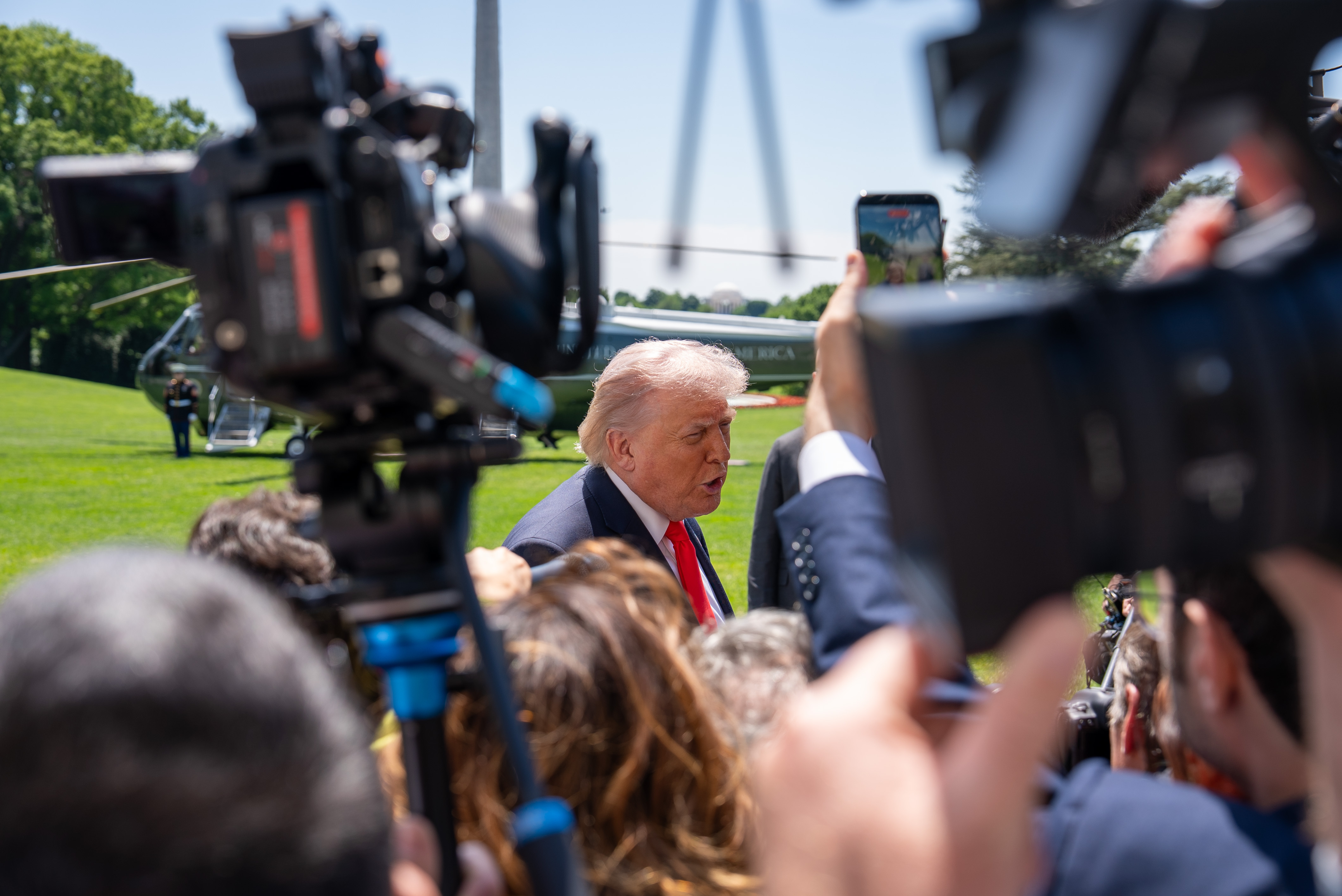
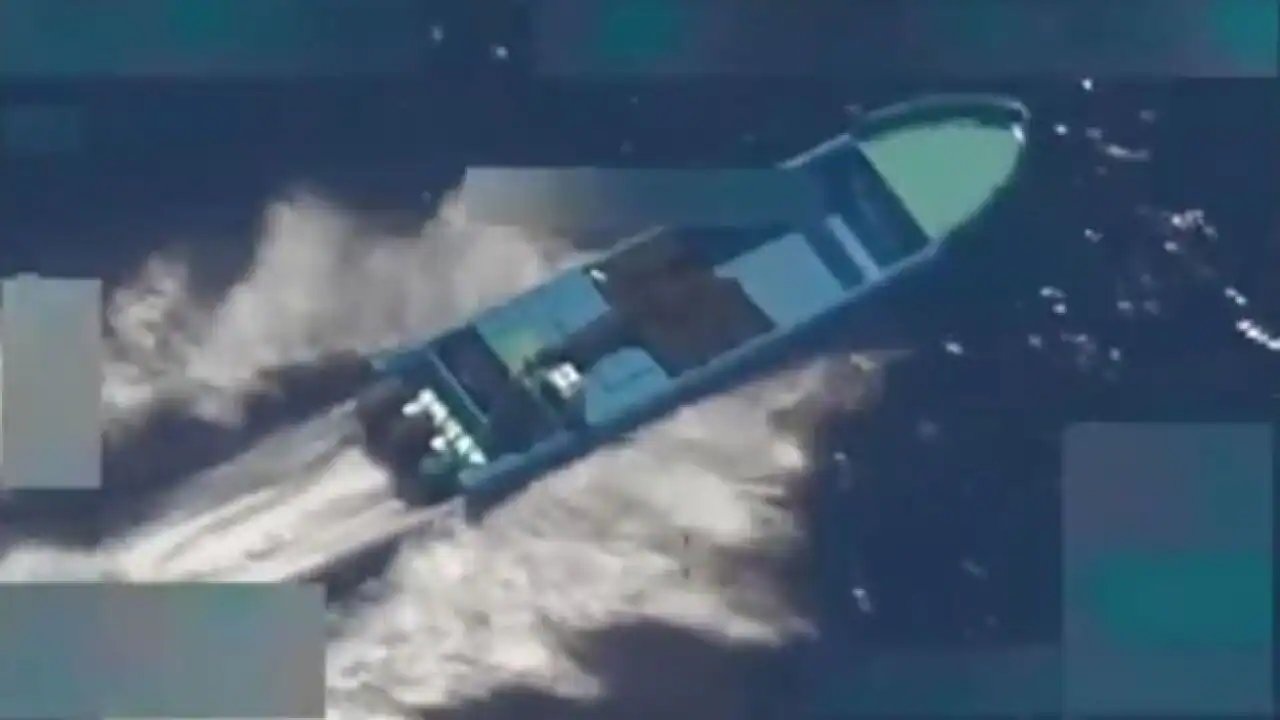
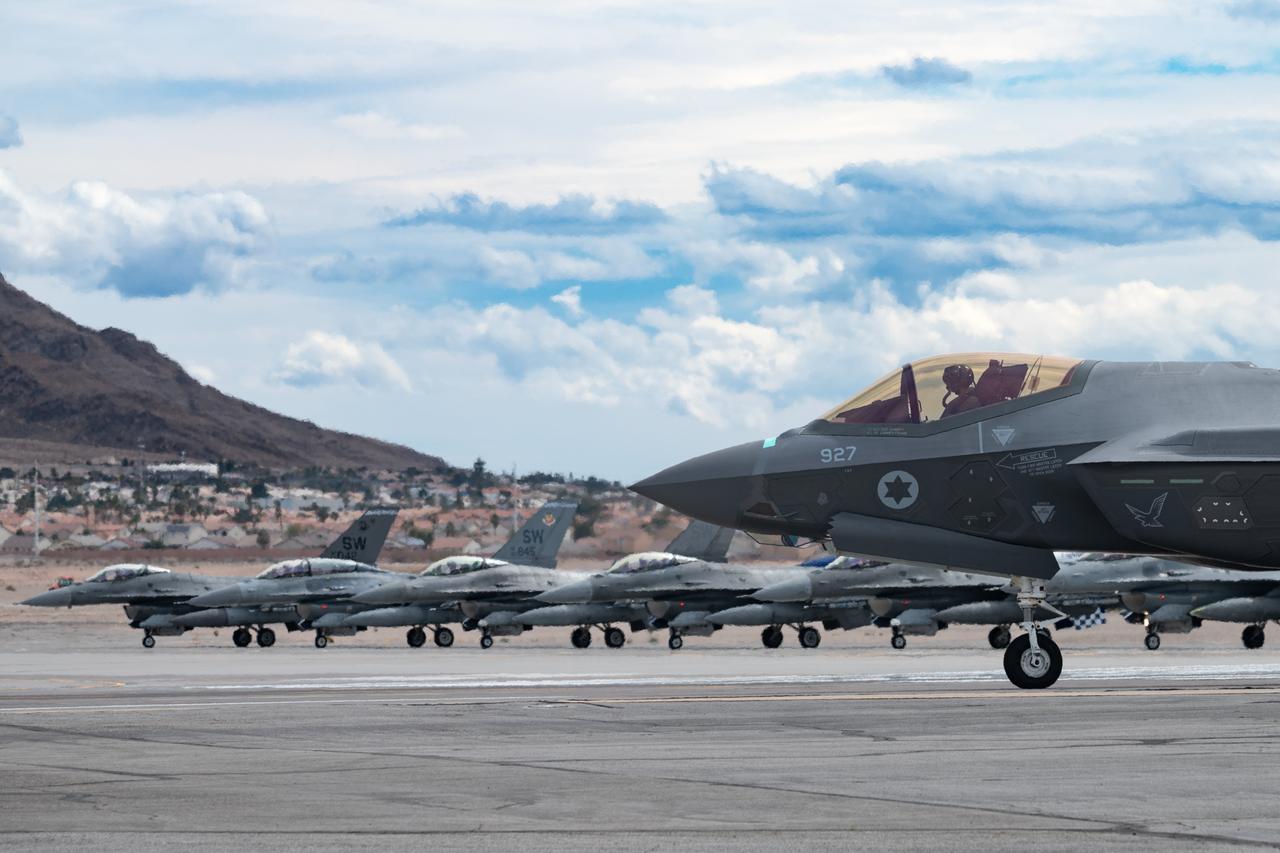
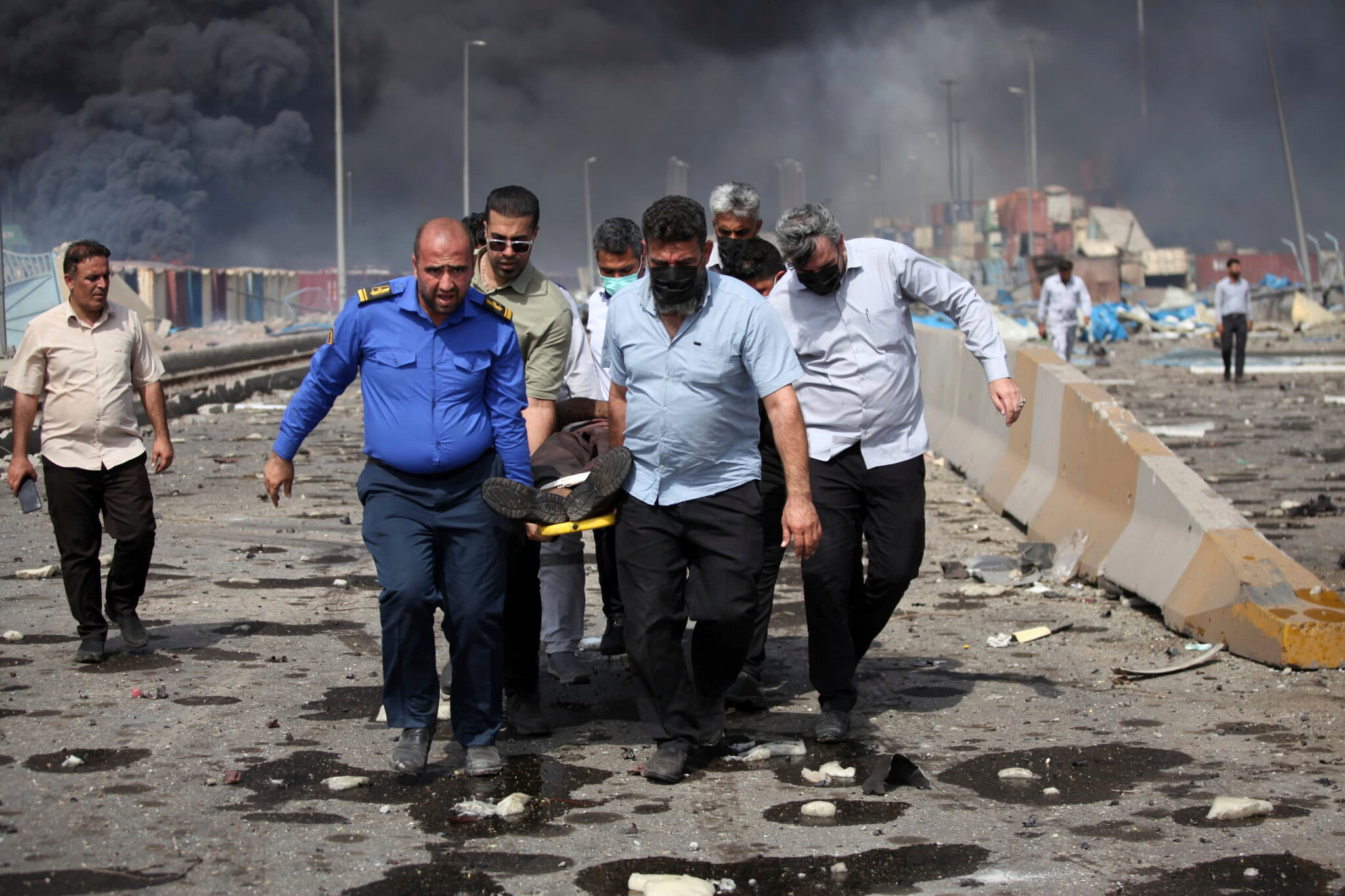
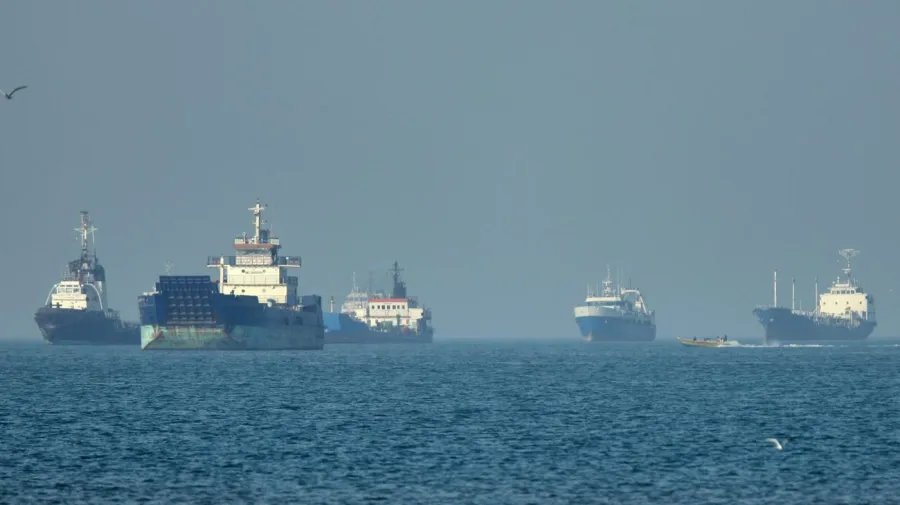
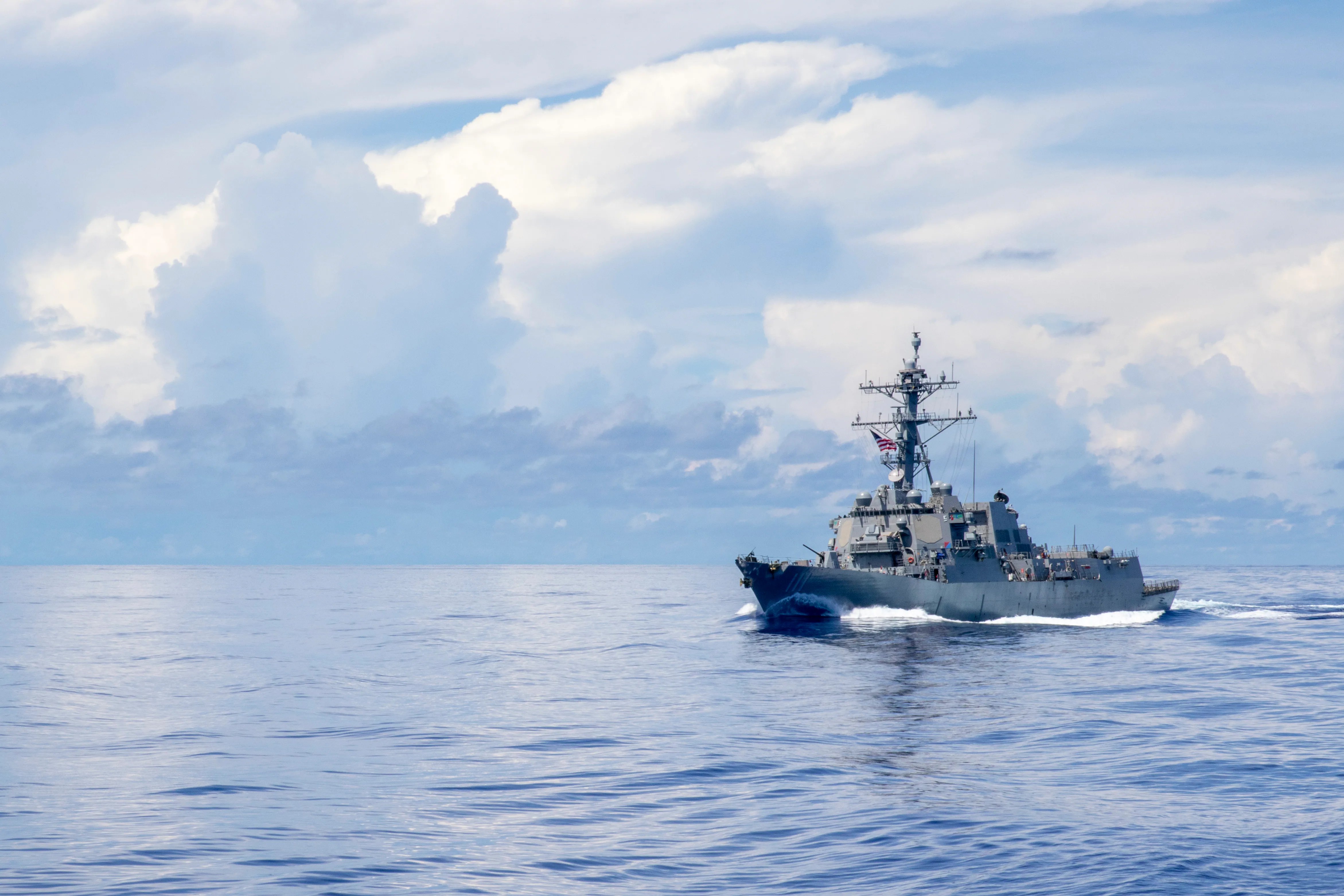
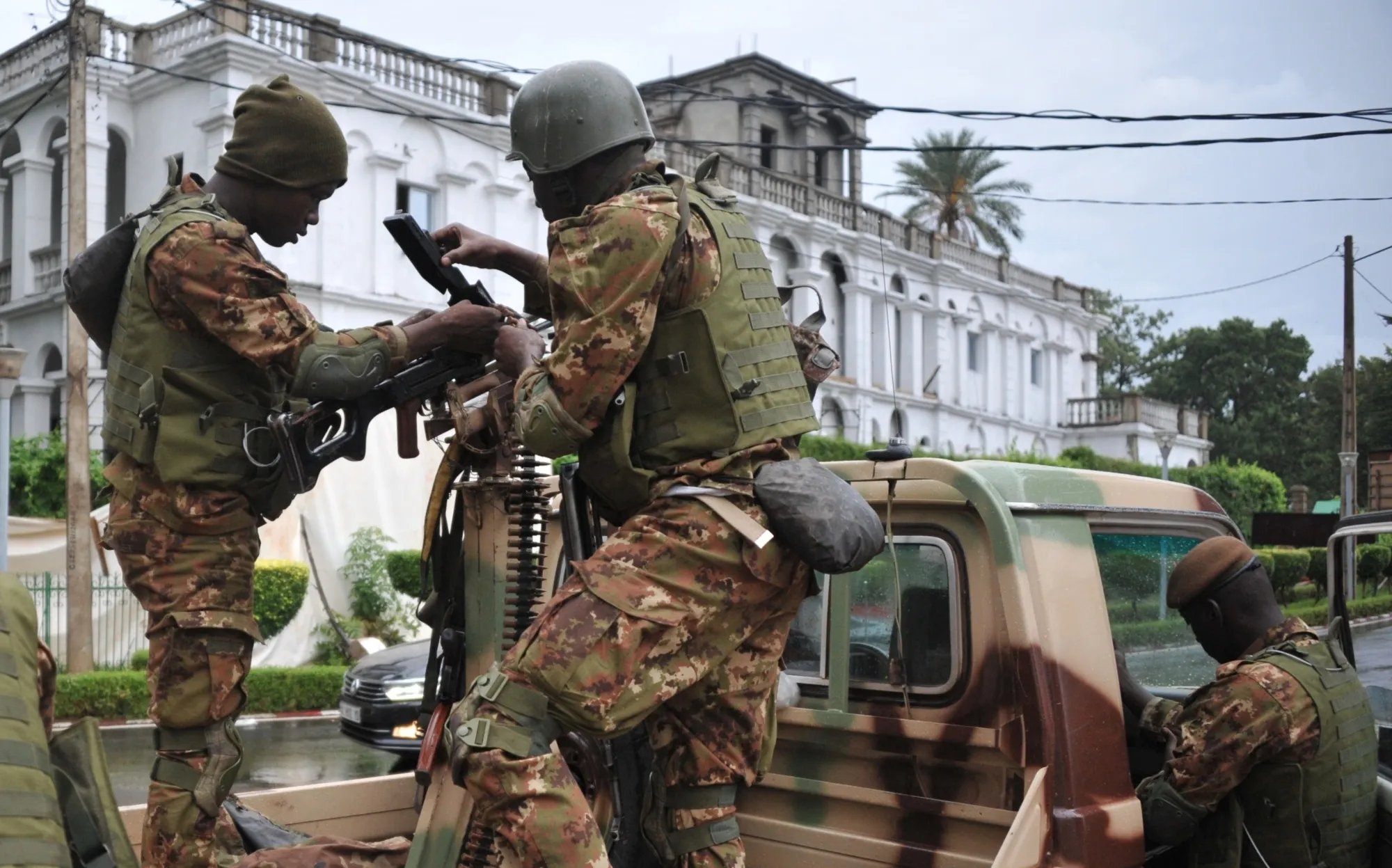
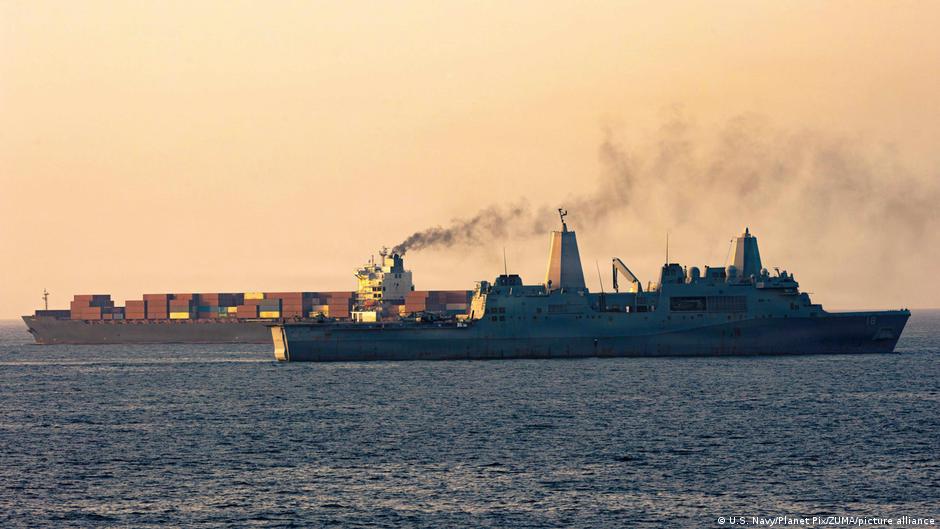
President Trump has launched "Project Freedom" to open the Strait of Hormuz. This operation could either ease congestion or escalate hostilities. The project will deploy over 100 land and sea-based aircraft, along with 15,000 service members.
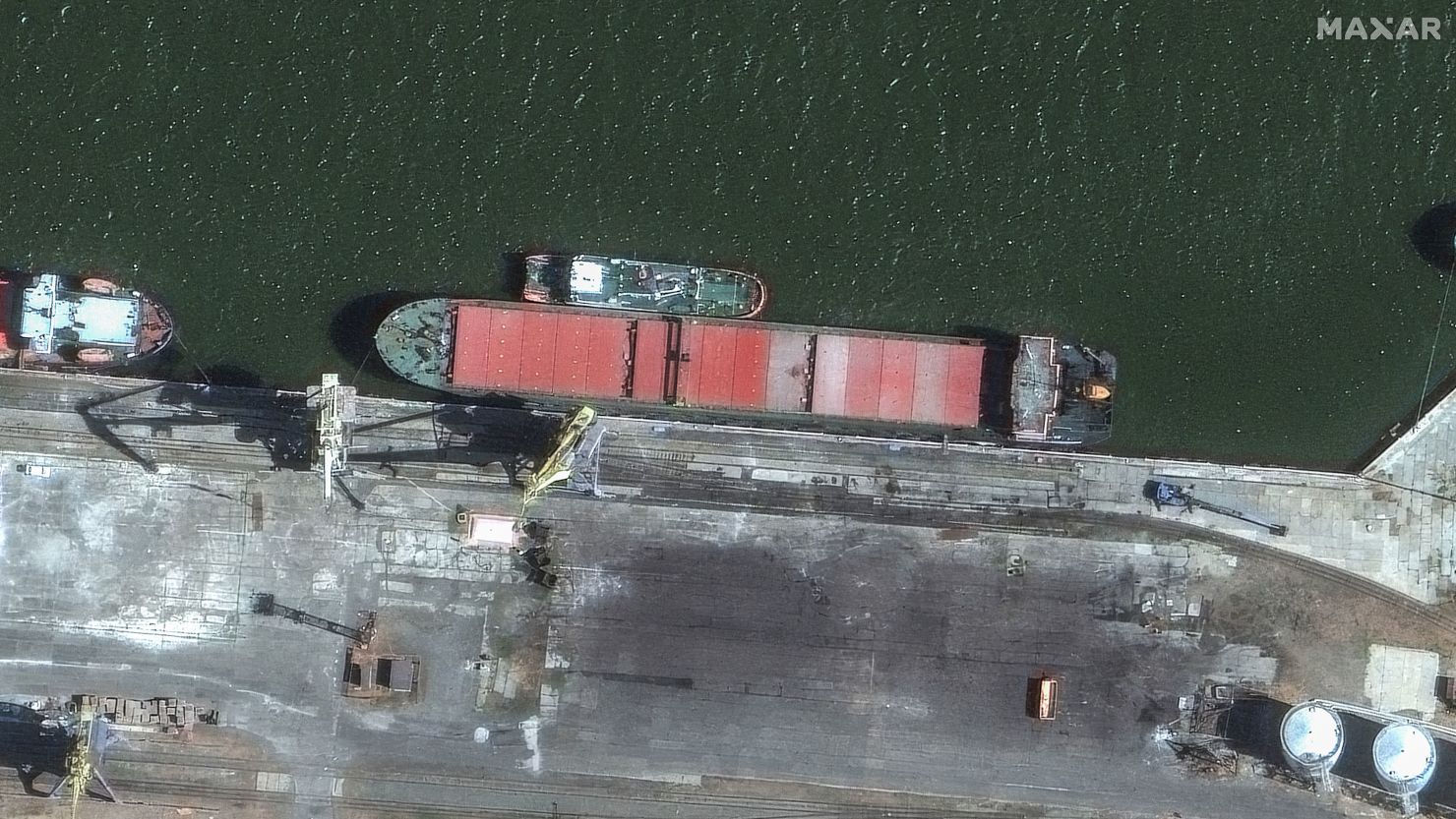
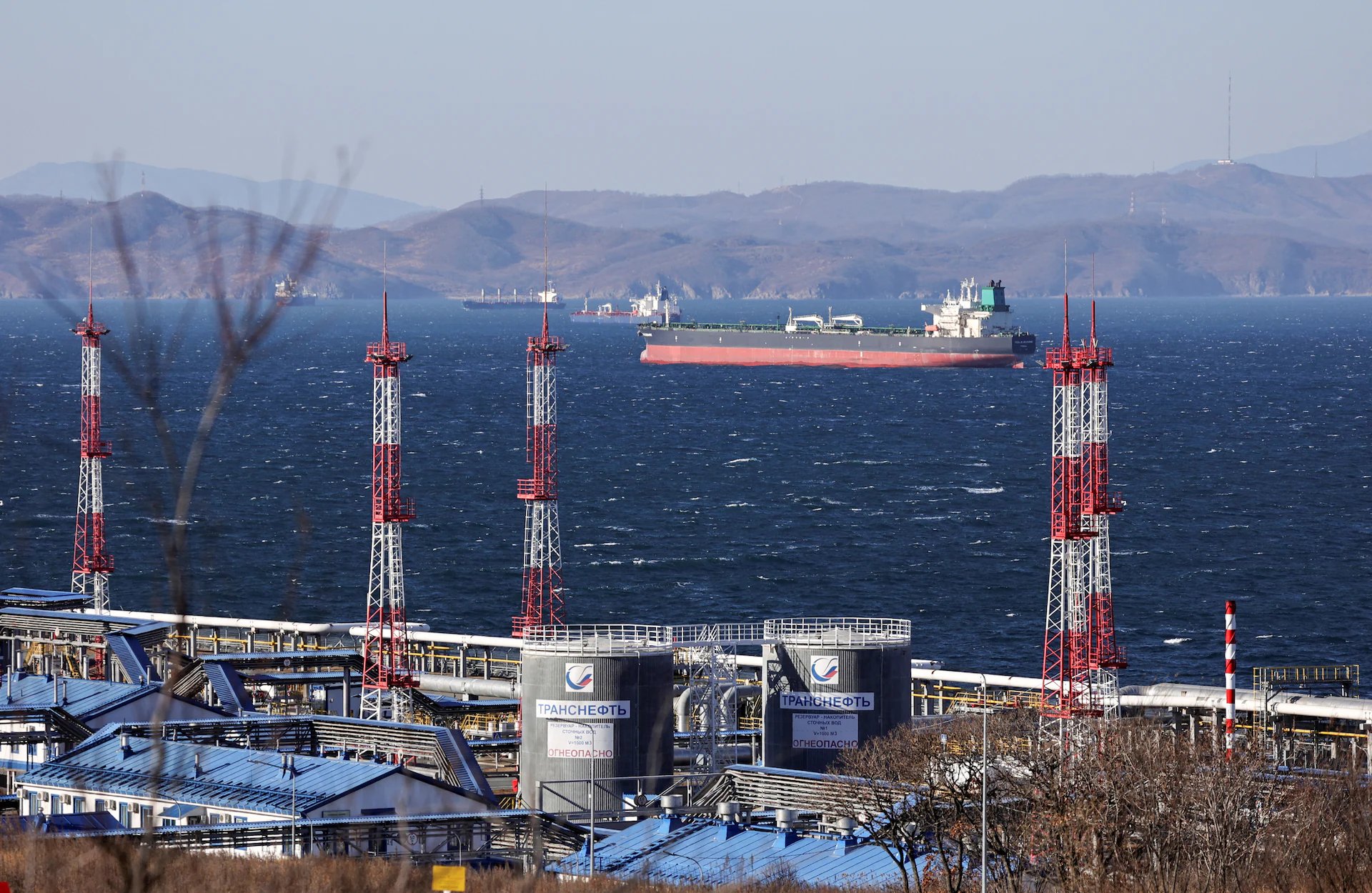
The Strait of Hormuz is a critical chokepoint for global oil and liquefied natural gas shipments. Approximately 20% of global consumption passed through the strait daily in 2024. The waterway connects the Persian Gulf with the Gulf of Oman and provides access to the Arabian Sea.
Navigating Higher Costs
Nick Ewen, editor in chief of The Points Guy, advises booking anticipated air travel sooner rather than later, as prices are unlikely to decrease soon. He also suggests avoiding basic economy fares due to their restrictive cancellation and change policies.
Ewen recommends exploring airline credit cards to potentially offset checked baggage fees. He also suggests using the price tracker feature on Google Flights to monitor fluctuations, even after booking. Passengers may be able to rebook their flight at a lower price if it drops later, receiving the difference as a travel credit.
Geopolitical Implications
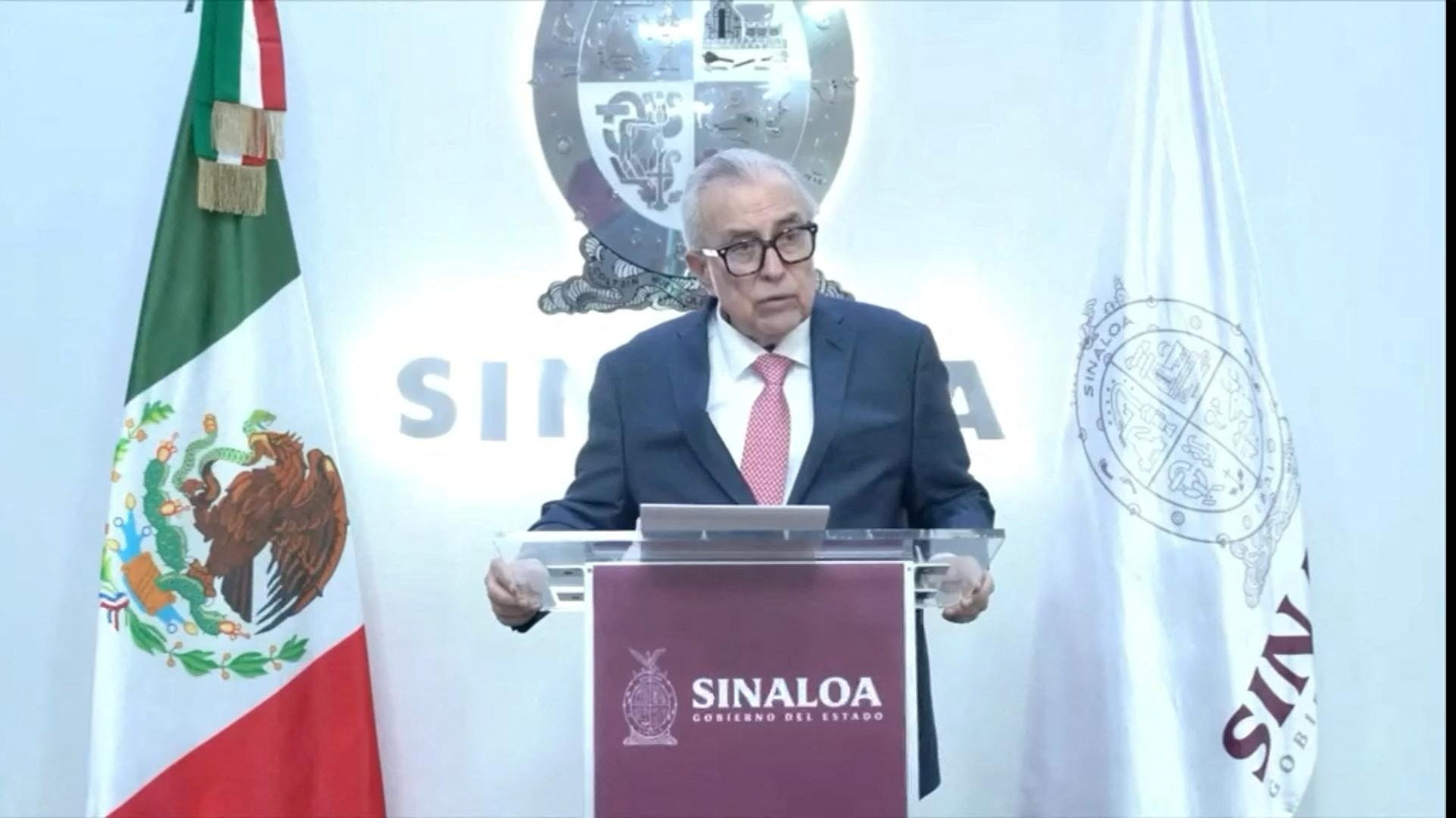
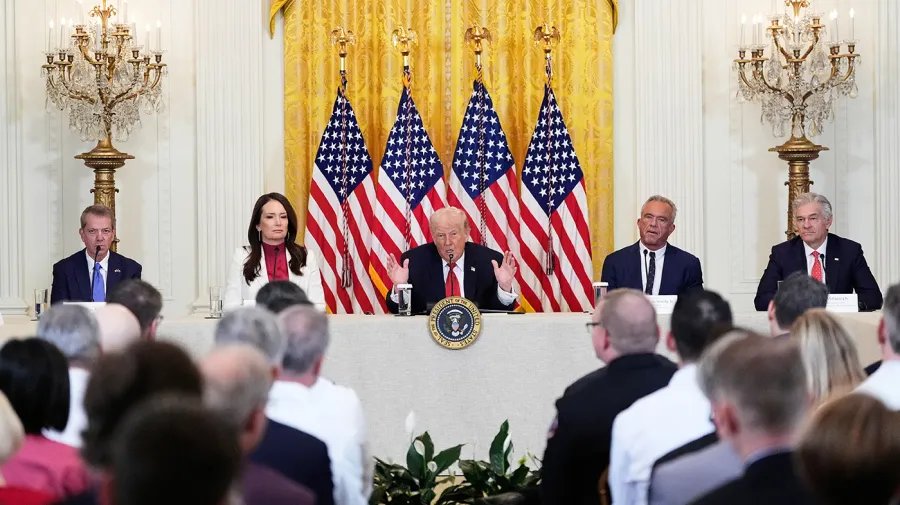
Secretary of State Marco Rubio said on Tuesday that the initial phase of the Iran war, "Operation Epic Fury," is over, and the conflict has shifted to "Project Freedom." House Democrats sent a letter to Rubio on Monday, urging him to publicly acknowledge that Israel possesses nuclear weapons. Thirty Democrats argue that Washington must end decades of ambiguity on the issue amid the conflict with Iran.
The letter, led by the Texas Democrat Joaquin Castro, states that the U.S. is fighting alongside a country whose potential nuclear weapons program the government officially refuses to acknowledge. The lawmakers add that continued ambiguity over Israel’s possession of nuclear weapons harms efforts to transparently address nuclear nonproliferation in the Middle East.
With uncertainty surrounding the conflict's duration and the Strait of Hormuz's reopening, travelers should book flights soon and consider flexible fare options, as relief in jet fuel prices may take weeks or months to materialize.