




Allegations of Fraudulent Naturalization
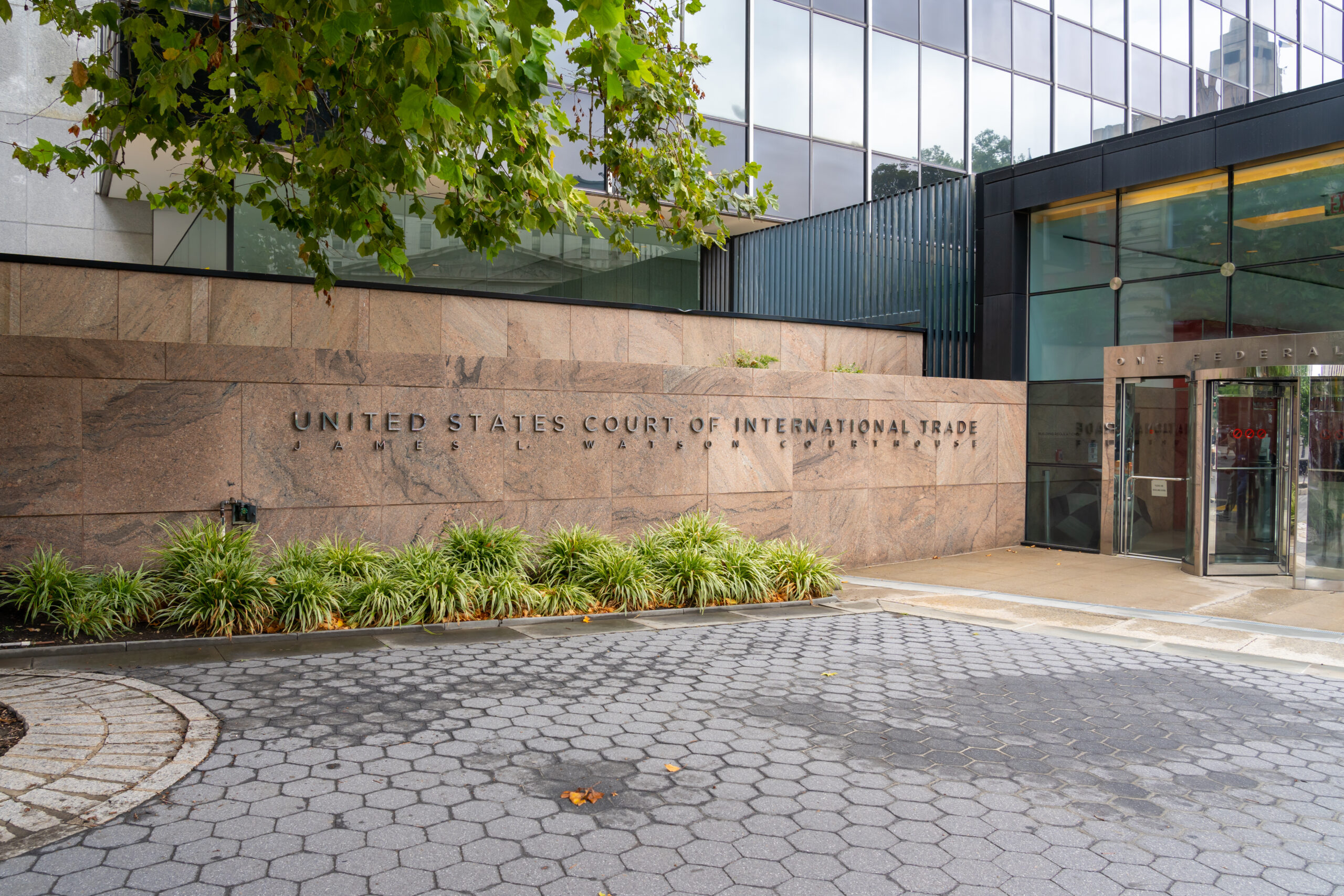
The Department of Justice (DOJ) announced Friday that it is seeking to denaturalize 12 people accused of fraudulently obtaining U.S. citizenship. Federal prosecutors filed denaturalization actions in U.S. District Courts across the country this week against these individuals. The complaints allege that these individuals lied during the naturalization process.
Diplomat Accused of Espionage
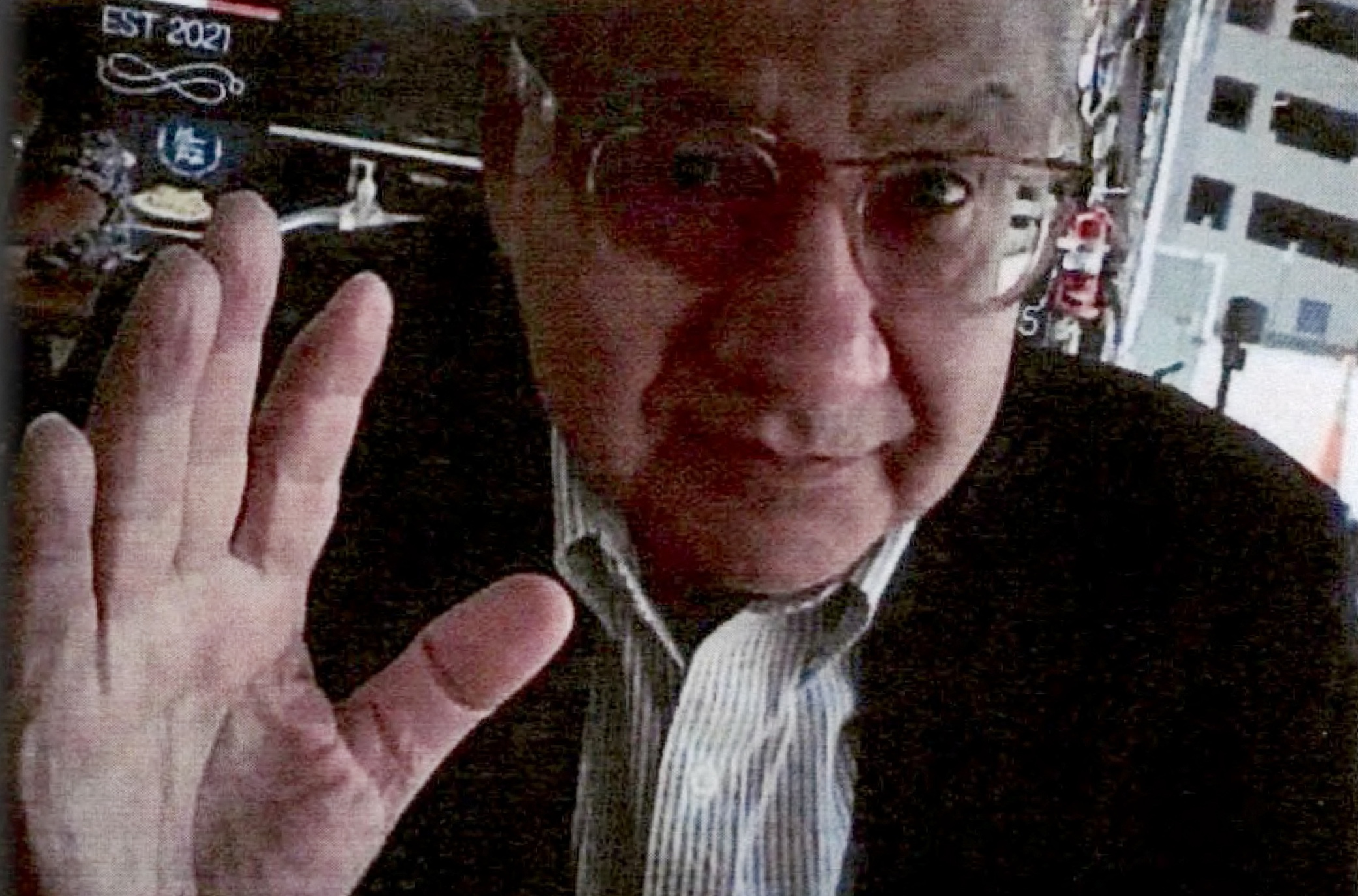
The Justice Department filed a complaint against former U.S. Ambassador Victor Manuel Rocha in the Southern District of Florida on Thursday. The complaint alleges he illegally obtained naturalization by misrepresenting himself. Rocha, who is Colombian-born, moved to New York City at age 10.
Rocha's History as a Cuban Agent
Rocha, 75, was arrested in late 2023 and later sentenced to 15 years in federal prison after admitting he worked for decades as a secret agent for communist Cuba. He was secretly recorded by an undercover FBI agent praising Fidel Castro as "El Comandante." Rocha bragged about his work for Cuba's communist government, calling it "more than a grand slam" against the U.S. "enemy." As part of his plea agreement, Rocha acknowledged that he first connected with Cuban intelligence agents in 1973.
Details of Rocha's Deception
Prosecutors alleged in court filings that Rocha lied under oath that he "believed in the U.S. Constitution" and had no affiliation with the Communist Party of Cuba while applying for citizenship in 1978. At the direction of Havana, he enrolled in master's programs at Harvard and Georgetown Universities on his way to getting hired by the U.S. State Department. He connected with Cuban intelligence agents five years before applying for U.S. citizenship.
Increased Focus on Denaturalization
U.S. Attorney Jason A. Reding Quiñones for the Southern District of Florida said, "The Southern District of Florida helped take down one of the most prolific Cuban spies ever uncovered in the United States. This civil denaturalization case is about finishing the job." The Justice Department has significantly increased its focus on denaturalization cases in recent years. Last year, the DOJ issued an internal memo to prosecutors directing them to prioritize cases against people who "pose a potential danger to national security," including those involving terrorism and espionage.
Other Denaturalization Cases
The Trump administration moved this week to denaturalize 11 other people accused of crimes, including child sexual abuse and providing material support to terrorists. The denaturalization process was used in only about a dozen cases per year between 1990 and 2017.
Overlooked Red Flags
An Associated Press investigation into Rocha found several red flags overlooked along the way, including a warning that one longtime CIA operative received nearly two decades ago that Rocha was working as a double agent. Separate intelligence revealed the CIA had been aware as early as 1987 that Cuban leader Fidel Castro had a "super mole" burrowed deep inside the U.S. government, and some officials suspected it could have been Rocha.
Burden of Proof
The government generally faces a high burden of proof in revoking citizenship. Federal law requires prosecutors to show convincing evidence that an individual attained citizenship illegally or procured naturalization by "concealment of a material fact or by willful misrepresentation."
Unanswered Questions Remain
Over the past two years, the FBI, U.S. State Department and CIA have been working to decipher the case's biggest missing piece: exactly what the longtime diplomat may have given up to Cuba. Rocha spent the first several months of his imprisonment being debriefed by federal officials, but it's not clear what new information was gleaned from those sessions.