




Ceasefire Agreement Announced
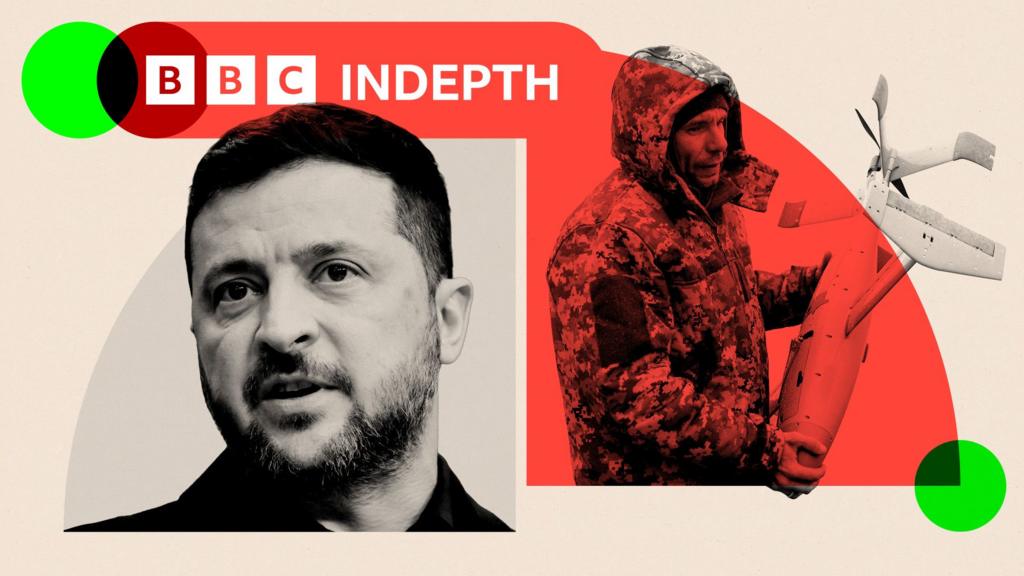
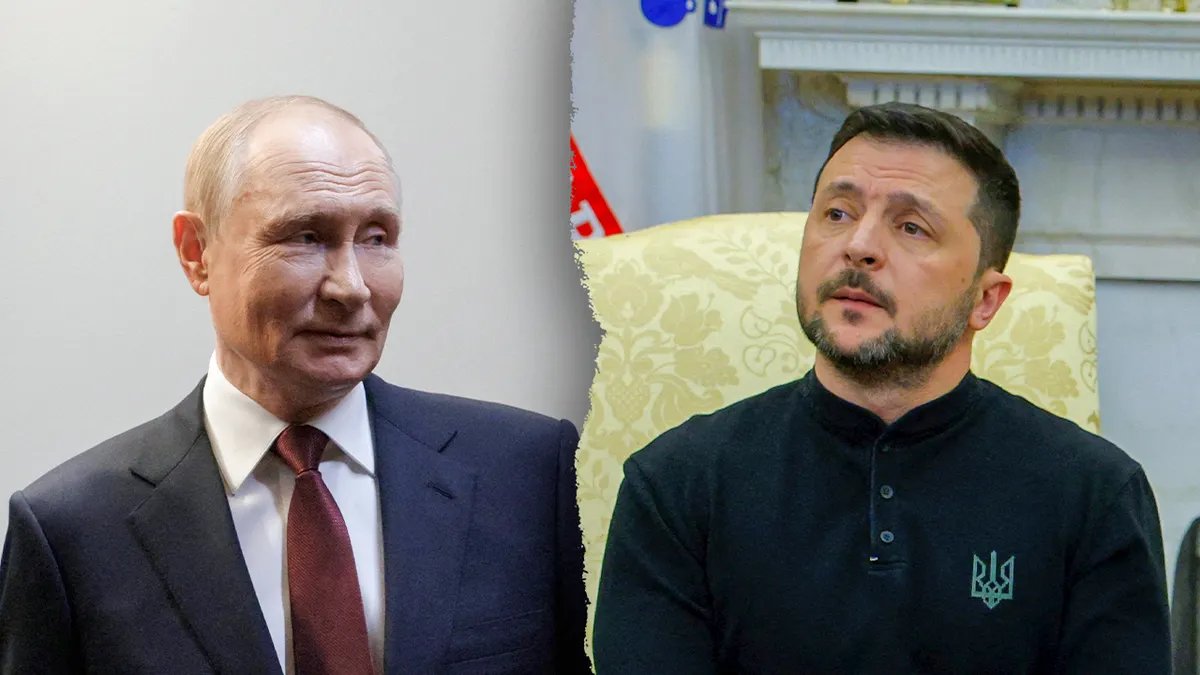
On May 9, a three-day ceasefire between Russia and Ukraine began, initiated by U.S. President Donald Trump. The ceasefire, which lasts until May 11, includes an exchange of 1,000 prisoners from each side. Both Russian President Vladimir Putin and Ukrainian President Volodymyr Zelenskyy confirmed the agreement, with Zelenskyy emphasizing that the deal allows for the safe return of Ukrainian prisoners of war. “Red Square matters less to us than the lives of Ukrainian prisoners who can be brought home,” he stated.
Scaled-Back Victory Day Parade
Russia's traditional Victory Day parade was notably subdued this year, lacking the usual display of military hardware. Due to security concerns over potential Ukrainian drone attacks, the Kremlin decided to forgo showcasing tanks and missiles, instead featuring only aerial flyovers. Putin, addressing troops, remarked, “Victory has always been and will be ours,” while acknowledging the ongoing conflict in Ukraine. The decision to scale back the parade reflects both military constraints and apprehension about possible disruptions.
North Korea's Military Presence
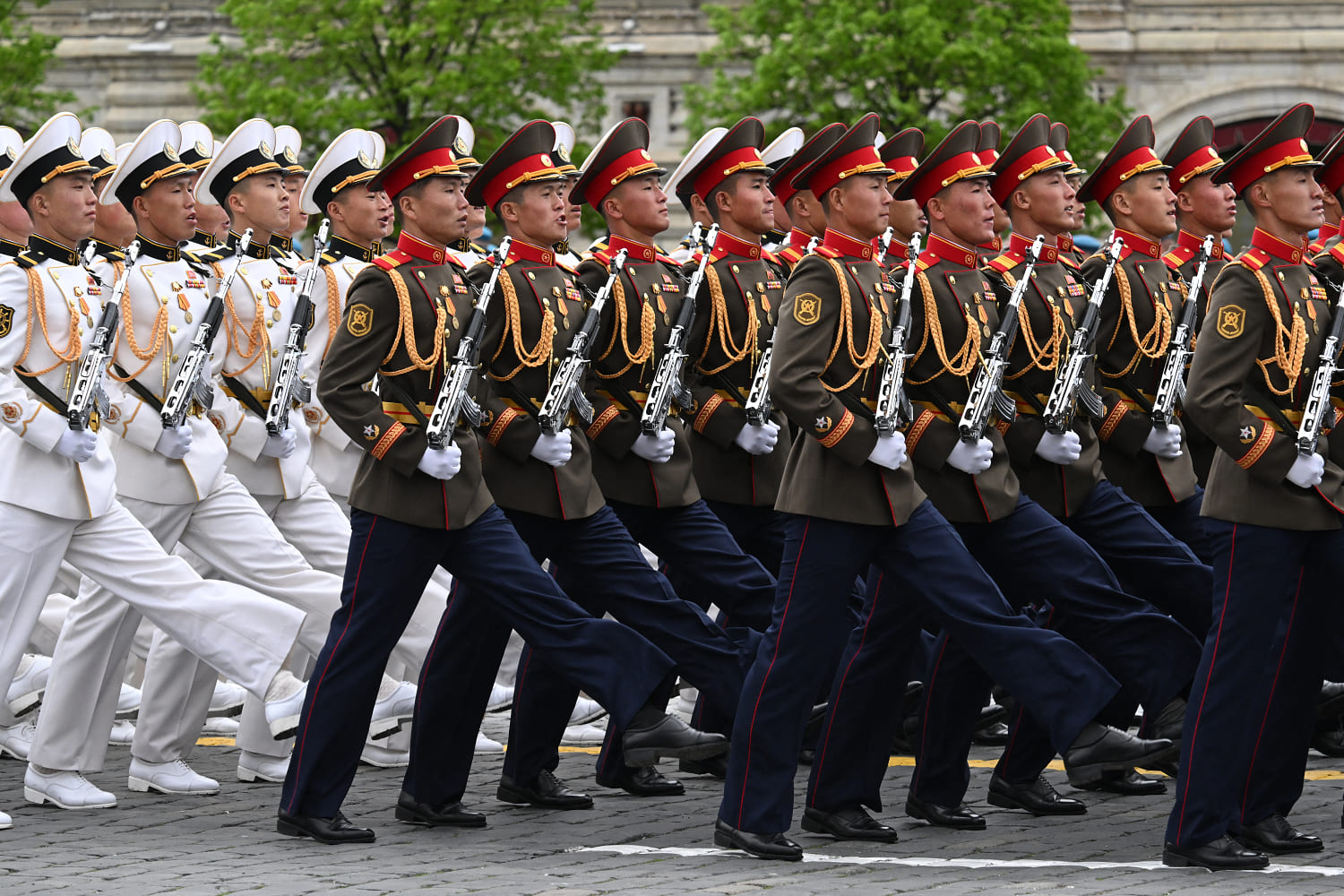
For the first time, North Korean troops participated in the Victory Day parade, signaling a deepening military partnership between Moscow and Pyongyang. Estimates suggest that over 10,000 North Korean soldiers are currently involved in the conflict in Ukraine. This development highlights the shifting dynamics in international alliances amid the ongoing war, as both nations seek to bolster their military cooperation.
Tensions Persist Despite Ceasefire
While the ceasefire was meant to ease tensions, accusations of violations quickly surfaced. Ukrainian officials reported ongoing Russian attacks, including drone strikes on Ukrainian cities even during the ceasefire period. Zelenskyy criticized Russia's earlier unilateral ceasefire as "not even a token attempt," asserting that Ukraine would respond to any aggressions. The deep mistrust between the two nations complicates any potential for lasting peace, as both sides continue to blame each other for the ongoing violence.
Public Sentiment and Security Measures
The atmosphere surrounding the Victory Day celebrations was tense, with increased security measures implemented in Moscow. Mobile internet access was restricted to prevent any potential Ukrainian drone navigation. Analysts noted that the scaled-back parade and heightened security measures reflect a sense of vulnerability within the Kremlin. As public discontent grows over the war's toll and economic hardships, the Russian government faces mounting pressure at home.
International Reactions and Future Implications
The international community remains cautious about the ceasefire's potential to lead to a broader peace agreement. Trump expressed hope that the ceasefire could be "the beginning of the end" of the prolonged conflict. However, Kremlin spokesman Dmitry Peskov tempered expectations, stating that reaching a comprehensive peace agreement is still a long way off. As the situation evolves, the implications of North Korea's involvement and the ongoing conflict will continue to impact regional and global stability.
The ceasefire, while temporarily halting hostilities, underscores the complexities of the Russia-Ukraine conflict and the intricate web of international relations involved. As both nations navigate this fragile truce, the lives of countless civilians hang in the balance, with the hope for lasting peace remaining uncertain.