




Virginia Ruling Boosts GOP
Republicans are poised to strengthen their hold on the House after the Virginia Supreme Court struck down a voter-approved redistricting plan Friday. The court's 4-3 ruling invalidated the state’s newly adopted congressional map, which would have expanded Democrats’ expected edge from 6-5 to 10-1. This decision eliminates four House seats that were expected to flip to the Democrats.
National Implications of Redistricting
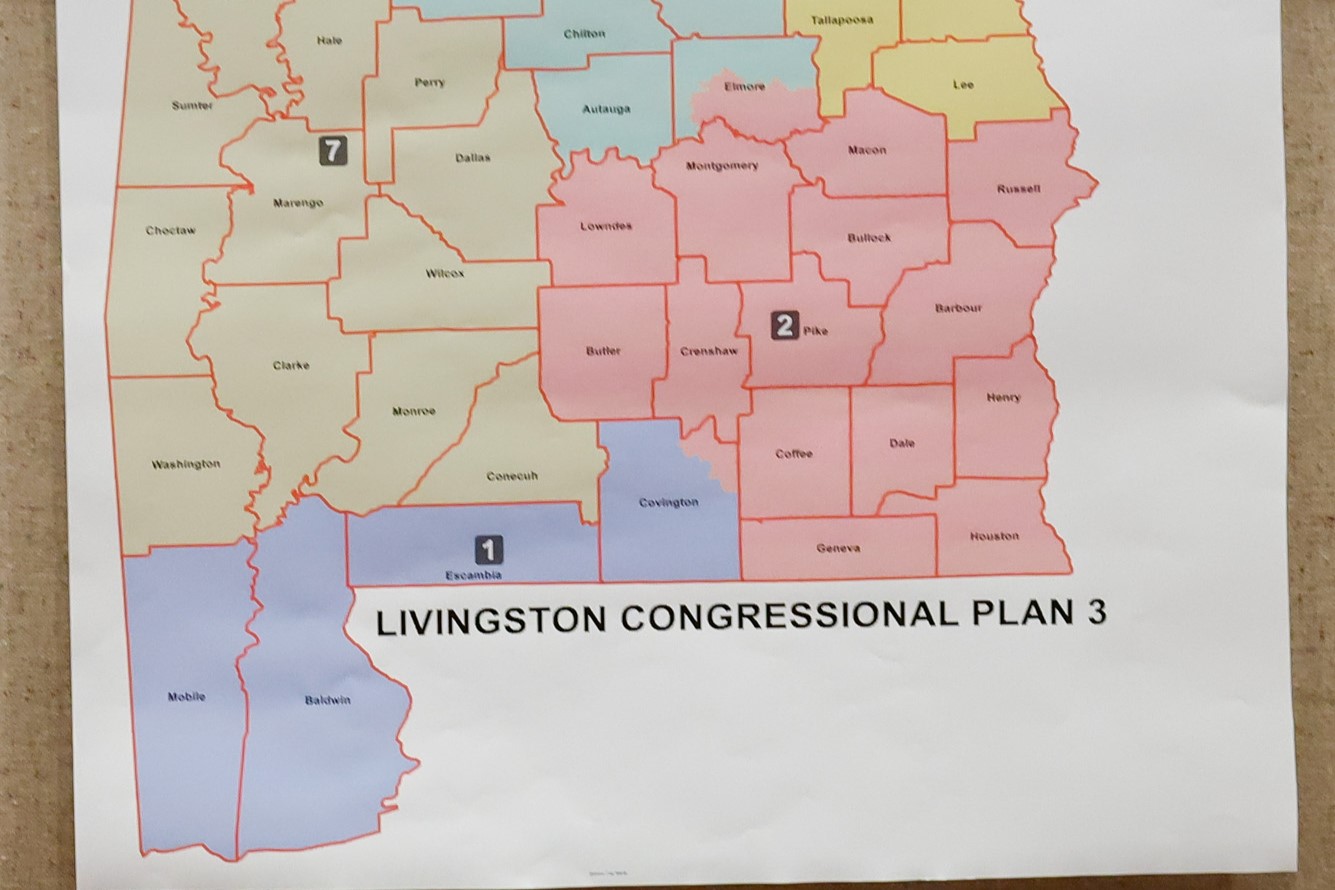
The national political landscape looks unfavorable for President Trump, whose approval rating sits at 37%, but redistricting wins could soften the blow for Republicans. The Supreme Court’s recent decision in Louisiana weakened the Voting Rights Act, prompting Southern Republicans to redraw congressional voting maps in their favor. Alabama urged the Supreme Court Friday for an emergency order clearing the way for its redrawn congressional map.
Democratic Response and Criticism
Virginia Democrats, including House of Delegates Speaker Don Scott, have asked the state Supreme Court for a stay on its redistricting ruling, signaling plans to appeal to the U.S. Supreme Court. Virginia Senator Mark Warner criticized the state Supreme Court ruling, arguing "Today, justice was not served in Virginia." Graham Platner, a Democratic candidate for U.S. Senate in Maine, pointed to past Republican defiance of court orders on redistricting as he reacted to the Virginia Supreme Court striking down the commonwealth’s new congressional map.
Republican Strategy and Gains
Republicans in Alabama and Tennessee initiated special redistricting sessions within four days of the ruling that weakened the Voting Rights Act. Tennessee Republicans gave fast-track approval to a map that could flip the state's only Democratic-held seat. Gov. Kay Ivey signed Alabama's map into law. Before the ruling, Republicans held a lead in redistricting, potentially gaining three seats over Democratic efforts. Now, with the loss in Virginia, that lead could be around 10.
Voter Enthusiasm and Midterm Trends
Historically, the president's party loses an average of 25 House seats and four Senate seats during midterm elections since World War II. Trump's unpopularity is evident among key voting groups, including white voters without college degrees and adults in the South. In the latest NPR poll, 61% of Democrats are "very enthusiastic" to vote in these midterms, compared to 53% of Republicans.
Impact on House Control
Currently, the House stands at 217 Republicans to 212 Democrats. The Cook Political Report estimates the GOP could gain anywhere from five to 14 seats from redistricting. Republican control of the House is key to Trump's agenda, as he has stated a Democratic House would impeach him.
State-Level Actions and Protests
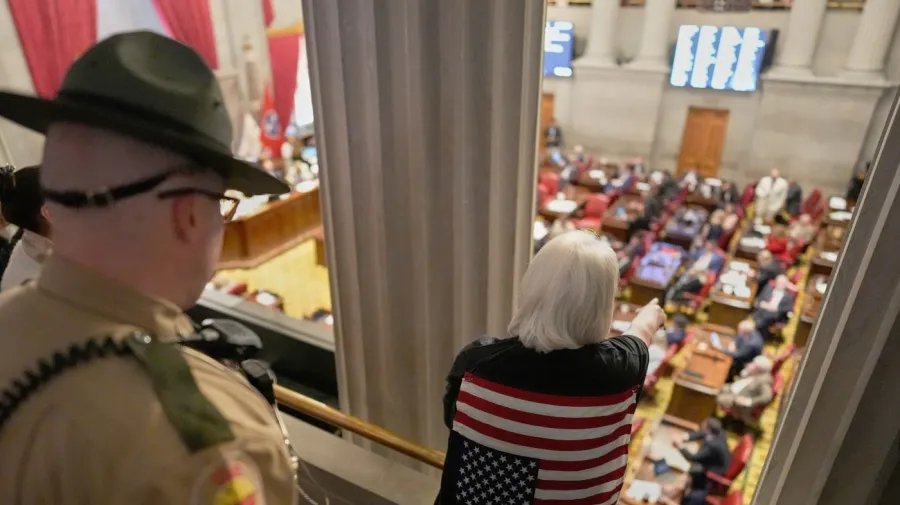
In Louisiana, Republican Gov. Jeff Landry suspended the May 6 primaries for Congress after early votes had already been cast. Protests have occurred at capitol buildings in Montgomery, Ala., and Nashville, with civil rights activists and Democratic lawmakers arguing the redistricting dilutes the voting power of Black voters. Voting rights groups are planning lawsuits to try to stop these states from moving forward with redistricting.