




A New Prime Minister Takes Office
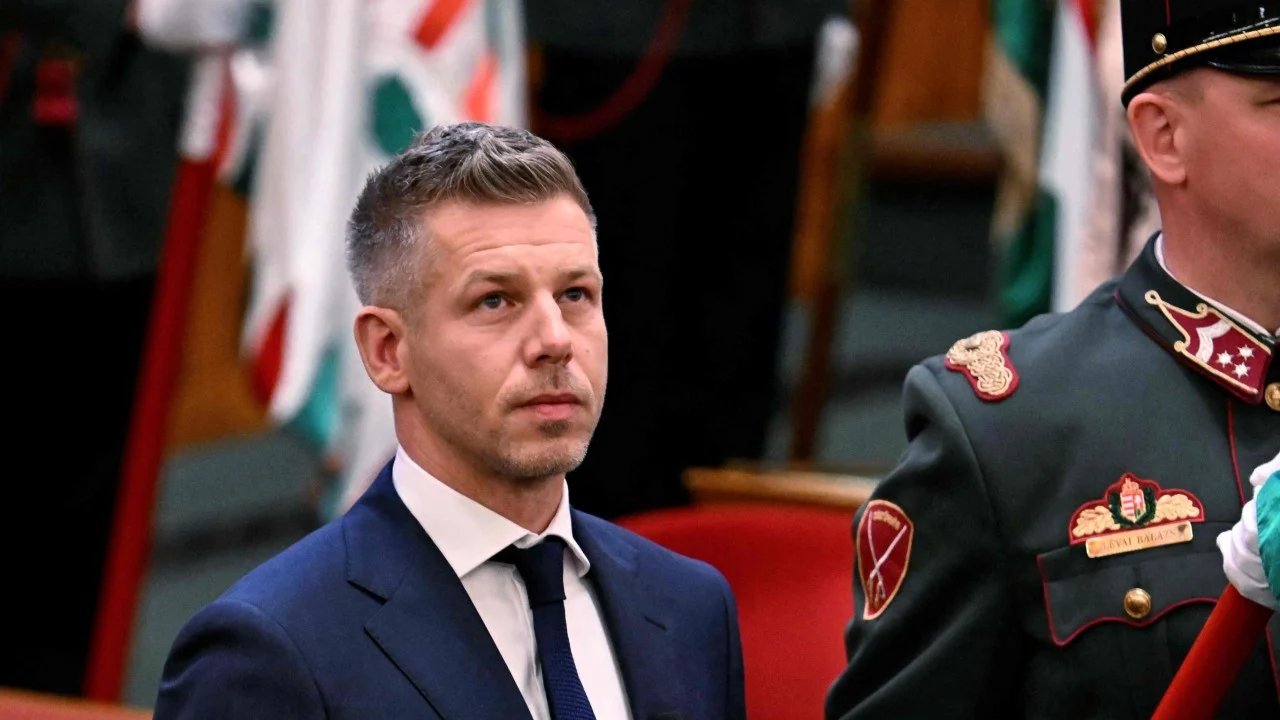
Péter Magyar was sworn in as Hungary's new prime minister on Saturday, marking the end of Viktor Orbán’s 16 years of autocratic rule. Magyar's center-right Tisza party secured a landslide victory in last month’s elections, gaining more votes and seats in Parliament than any other party in Hungary’s post-Communist history. The win gave Tisza a two-thirds parliamentary majority, allowing it to roll back many of the policies enacted under Orbán.
Promises of Change and Reform
Magyar, a 45-year-old lawyer, has promised wide-ranging reforms to fight corruption and restore democratic institutions. He resigned from Orbán's Fidesz party in 2024, expressing deep dissatisfaction with what he described as a culture of mass corruption. Magyar vowed to implement changes not only to the government but to the system as well. He plans to establish a National Asset Recovery and Protection Office to investigate and recover misused public funds.
Reversing Course on EU Relations
Magyar has promised to repair Hungary's ties with the EU. The EU flag was raised on the Parliament building's facade on Saturday, for the first time since Orbán's government removed it in 2014. Unlocking about $20 billion of EU funds for Hungary, which were frozen due to rule-of-law and corruption concerns, is among Magyar's top priorities. He is also far more pro-EU and anti-Russia than his predecessor.
Challenges Ahead for the New Government
The incoming government faces a grim economic situation, with the budget deficit already swollen close to the planned target for the whole year. One of the biggest challenges facing the new government is the urgent need to release €17 billion in various EU funds. The new government also needs to find a common position on an EU migrant pact. Hungary is still being fined €1 million a day for non-compliance with rulings of the European Court of Justice over its treatment of migrants.
Addressing Corruption and Accountability
Incoming Tisza ministers say there will be no revenge against the outgoing government, but those guilty of financial crimes will be held accountable. A source close to the prosecutor’s office said the small number of prosecutions of prominent figures in Hungary in the past "is turning into a steady flow." One target of police investigations is the media empire of Gyula Balásy, which won millions in government contracts over the past decade.
Celebrations and Expectations
Thousands of people gathered on Kossuth Square outside Parliament to mark Magyar's inauguration. Many waved Hungarian and EU flags and wore Tisza T-shirts. The new national assembly has 54 women lawmakers, most from the Tisza party. This accounts for more than a quarter of the total and the most in Hungary's history.
Setting a New Course
In his speech to lawmakers, Magyar said he would not use his office to "rule" Hungary, "but to serve my homeland." He referenced his intentions to hold former officials accountable for past abuses, saying voters had "given us a mandate to open a new chapter in Hungary's history." Magyar promptly returned £242,000 to György Wáberer, a businessman who switched from Fidesz to Tisza a week before the election, after Wáberer donated the money to Tisza. The 199 representatives took their oaths of office at around 11 a.m. local time. Orbán was not among them for the first time since Hungary's first post-Communist Parliament was formed in 1990.