





Airstrikes and Casualties in Southern Lebanon
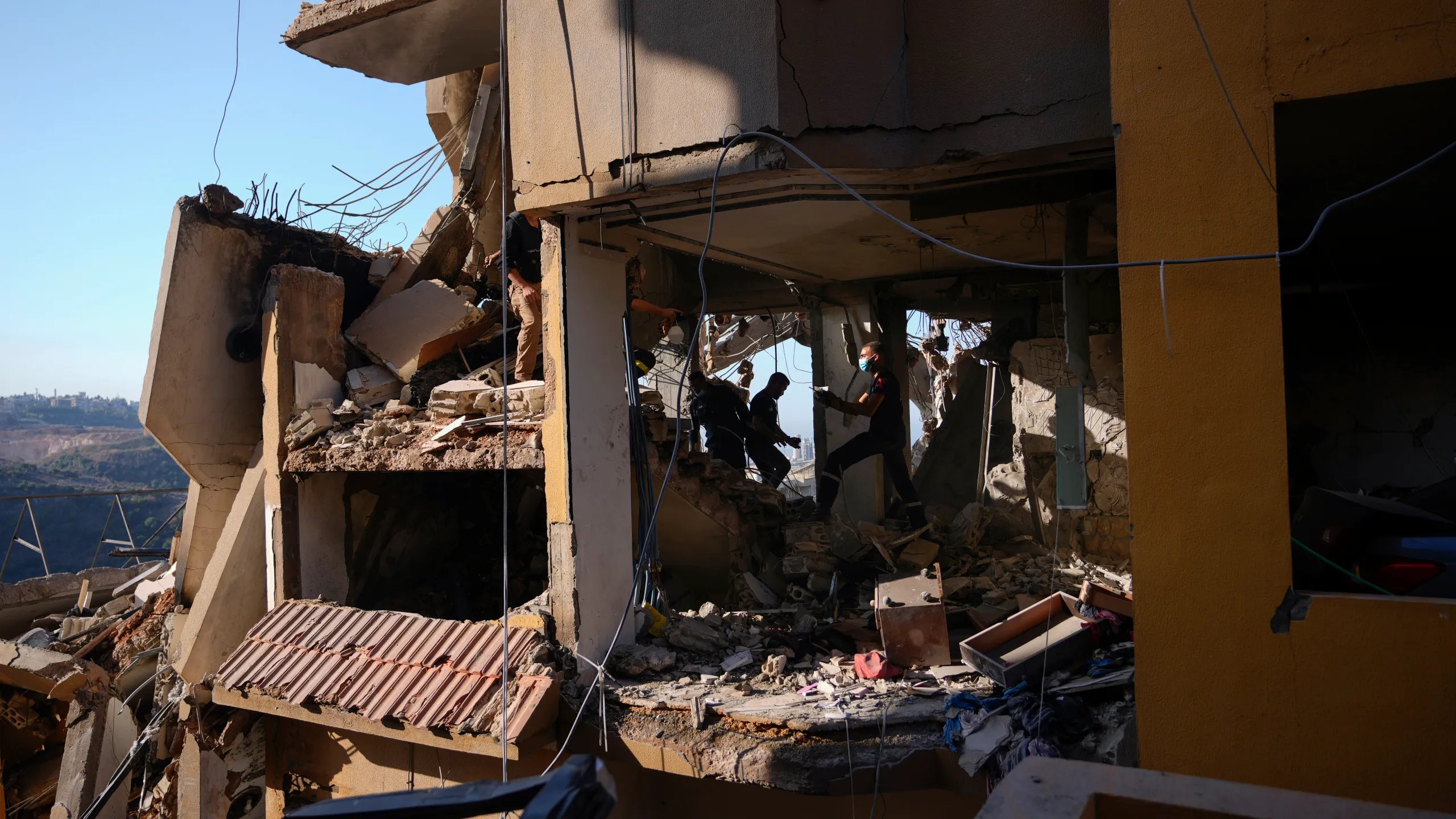
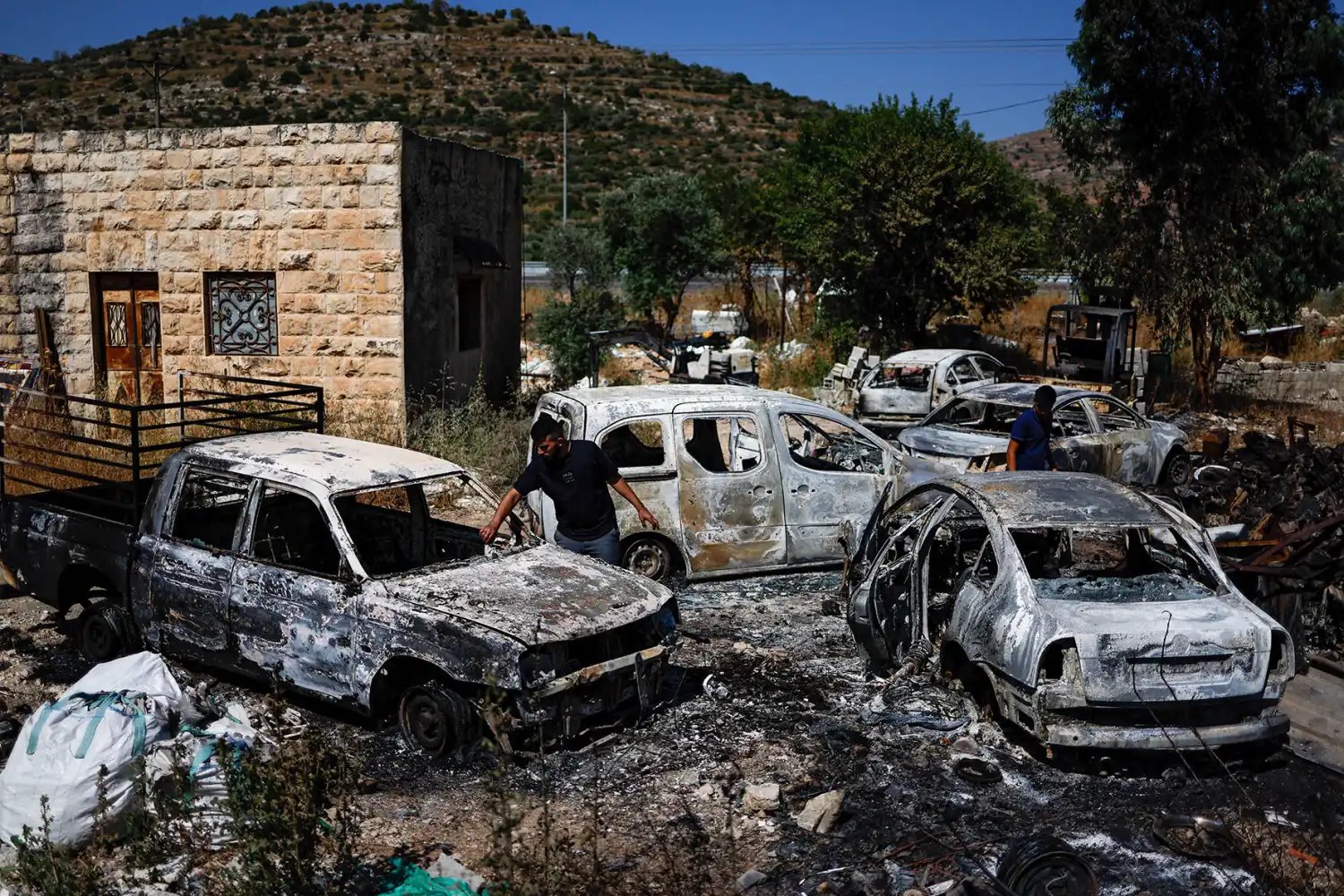
Israeli airstrikes in southern Lebanon have resulted in the deaths of six individuals, marking a significant escalation in hostilities that violate a recently brokered truce. The air raid targeted a house in Kfar Dounin, approximately 100 kilometers south of Beirut, according to Lebanon’s National News Agency. Seven additional individuals sustained injuries and were transported to hospitals in Tyre. Since the ceasefire was declared on April 16, Israel has reportedly targeted over 1,100 sites in Lebanon, contributing to a rising death toll that has surpassed 2,800 since the conflict reignited on March 2.
Displacement Threats Intensify
Following the airstrikes, the Israeli military issued new orders for forced displacements in southern Lebanon. Avichay Adraee, the military’s Arabic-language spokesman, urged residents to evacuate from towns including Sohmor and Bazouriyeh. The military also destroyed a water pumping station in Deir Mimas and demolished homes in Bint Jbeil. Local reporter Obaida Hitto noted a significant increase in attacks over the past week, although many residents expressed reluctance to leave their homes again after previously being displaced.
Lebanese Government's Response
Lebanese officials are pushing for U.S. intervention to halt Israeli attacks ahead of a scheduled meeting in Washington, DC, between Israeli and Lebanese representatives. Prime Minister Nawaf Salam urged U.S. Ambassador Michel Issa to apply pressure on Israel to cease its military actions, emphasizing the need to stabilize the tenuous ceasefire. Commentators suggest that the upcoming talks will be crucial in determining the future of the ceasefire, which has been largely ineffective in practice.
Hezbollah's Stance
Hezbollah's chief, Naim Qassem, reaffirmed the group's commitment to its military presence, stating that their weapons and operational strategy are not up for negotiation. He characterized the issue as an internal Lebanese matter, asserting that Hezbollah will continue to "defend Lebanon and its people" regardless of external pressures or the ongoing talks. This position reflects a broader sentiment among many Lebanese who feel that their sovereignty and security are at stake.
Cultural Tensions Rise Amid Conflict
In a separate but related incident, two Israeli soldiers received military prison sentences for desecrating a statue of the Virgin Mary in southern Lebanon, further inflaming tensions. One soldier received a 21-day sentence for posing with a cigarette in the statue's mouth while the other, who photographed it, received a 14-day sentence. This act has drawn widespread condemnation and is seen as part of a troubling pattern of disrespect towards religious symbols in the region. The Israeli military emphasized its commitment to respecting religious sites, but public outrage continues to grow.
Broader Implications for Regional Stability
As the situation deteriorates, both military actions and cultural insensitivity are contributing to fears of long-term instability in Lebanon. The humanitarian crisis is deepening, with displaced populations facing uncertain futures. The ongoing violence poses significant challenges for diplomatic efforts aimed at achieving a lasting peace. With the next round of discussions approaching, the international community is closely monitoring the developments, as the potential for further escalation remains high.













The sources also report that the desecration incident followed a previous act involving an Israeli soldier wielding an ax against a statue of Jesus, which also drew condemnation.