




New Oil Slick Found Near Kharg Island
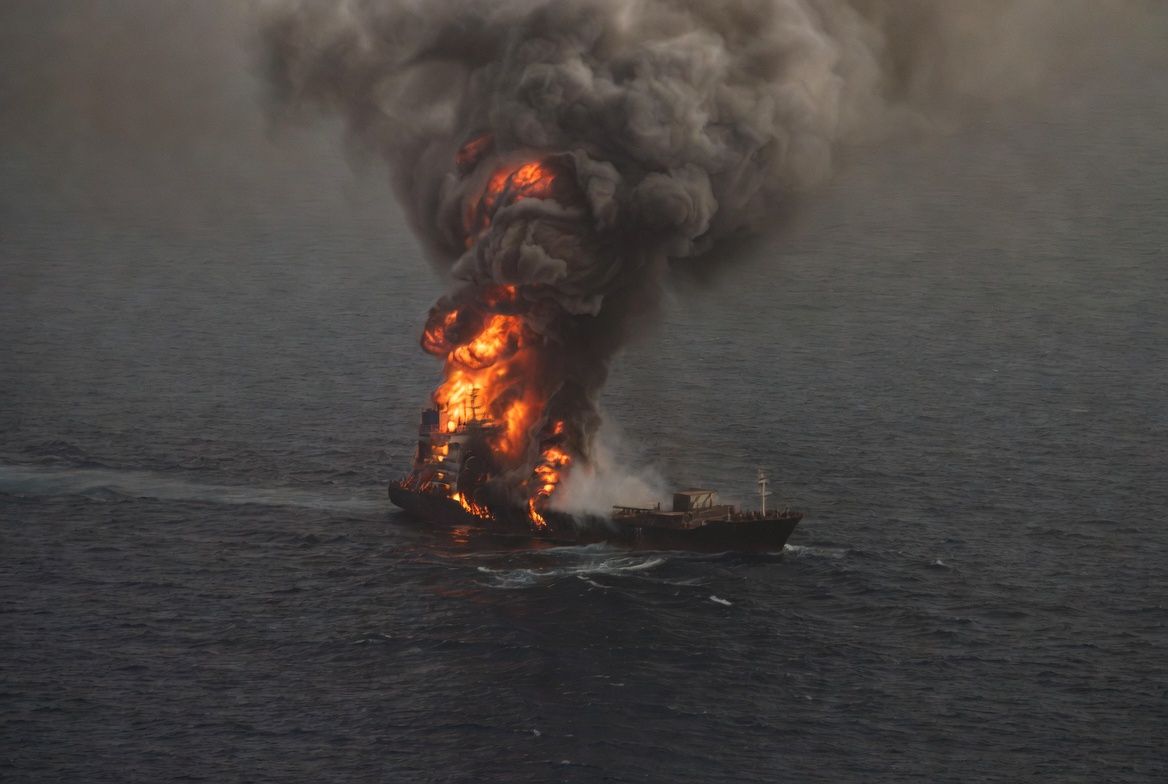
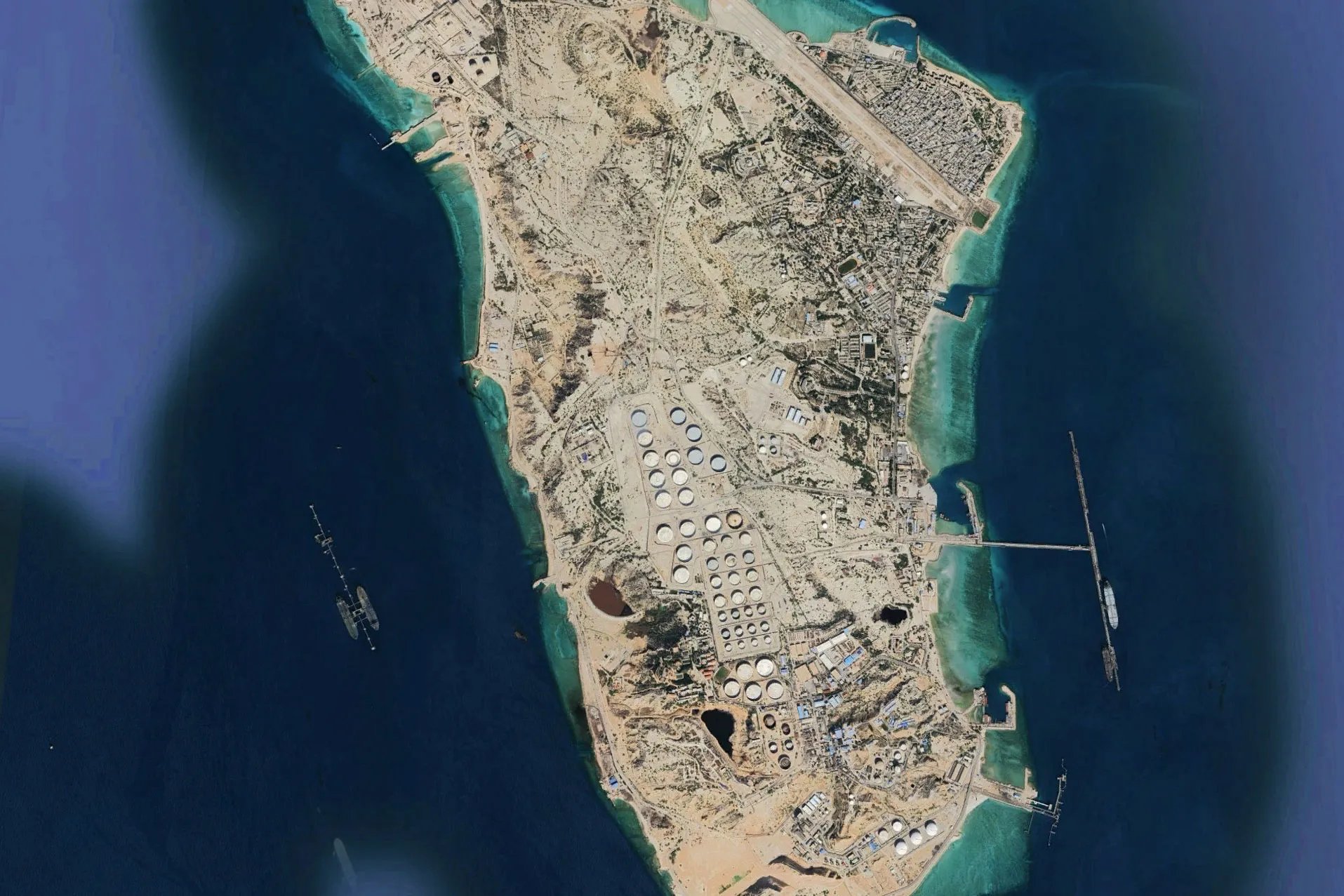
A second suspected oil slick has been detected near Iran's Kharg Island, a crucial oil export hub. Maritime intelligence firm Windward AI reported the new slick, which was identified on May 11, measuring approximately 12 to 20 square kilometers. This discovery follows a larger slick, first noted on May 8, that has been drifting toward Saudi Arabian waters and is estimated to cover about 65 square kilometers. U.N. officials have warned that these spills could lead to an environmental disaster in the region.
Concerns Over Aging Infrastructure
The larger slick is believed to have originated from aging infrastructure or pipeline ruptures, according to experts. Dr. Kaveh Madani, a U.N. official, emphasized that the slick's movement toward populated areas raises serious concerns. He noted, "If this slick gets bigger, we should be seriously worried about there being a leakage of aging infrastructure." The region's slow water circulation could exacerbate pollution, impacting coastal communities and marine life for extended periods.
Claims of Foreign Responsibility
Iranian officials have pointed to foreign vessels as the potential source of the oil spills. Lawmaker Jafar Pourkabgani claimed the slick resulted from "oil residue and ballast water waste from European tankers." However, maritime experts and U.N. officials dispute this assertion, suggesting that the spills are more likely tied to local infrastructure issues. The Iranian Oil Terminals Company has also denied any leaks, stating that inspections found no evidence of spills from storage tanks or pipelines.
Geopolitical Context
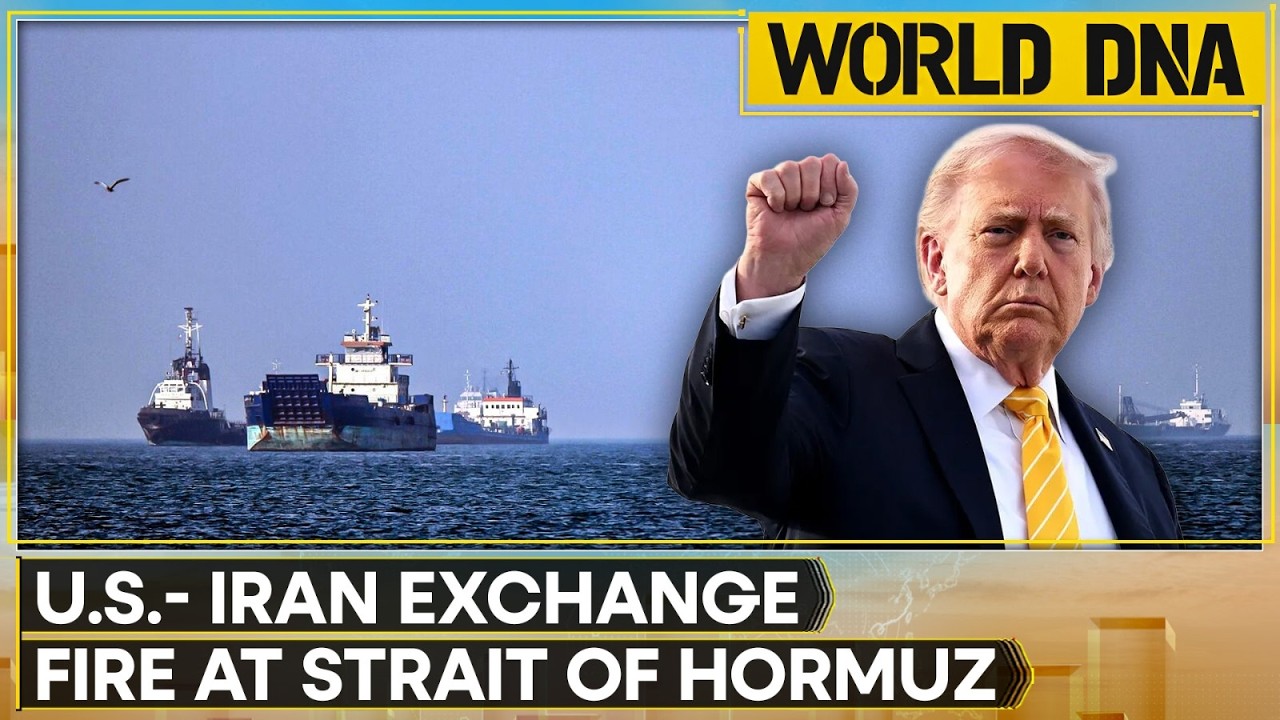
The situation unfolds against a backdrop of heightened tensions in the region, particularly following the closure of the Strait of Hormuz by Iran in late February. The strait is a vital chokepoint for global oil shipments, and its closure has led to increased congestion among tankers in the area. The U.S. has ramped up sanctions and naval presence to curb Iran's oil exports, further complicating the situation. Dr. Madani warned that the ongoing conflict increases the likelihood of a major accident occurring in the region.
Potential Impact on Local Communities
The environmental implications of the oil slicks extend beyond immediate ecological damage. Local fishing industries and desalination operations could be severely affected if the slicks reach populated areas. Dr. Madani noted that similar incidents during past conflicts have had lasting impacts on marine life and coastal economies. "We saw similar instances during the Gulf wars and the Iran-Iraq War," he said, highlighting the potential for long-term consequences.
The Need for Vigilance
As the situation develops, monitoring the behavior of tankers and the movement of the slicks remains critical. U.N. officials stress the importance of keeping track of the slicks as they could pose significant threats to both the environment and regional stability. The ongoing geopolitical tensions, combined with the potential for infrastructure failures, create a precarious situation in this vital oil corridor. The international community must remain vigilant to prevent a major environmental disaster.