




Court's Recent Decisions Impact Voting Rights Protections
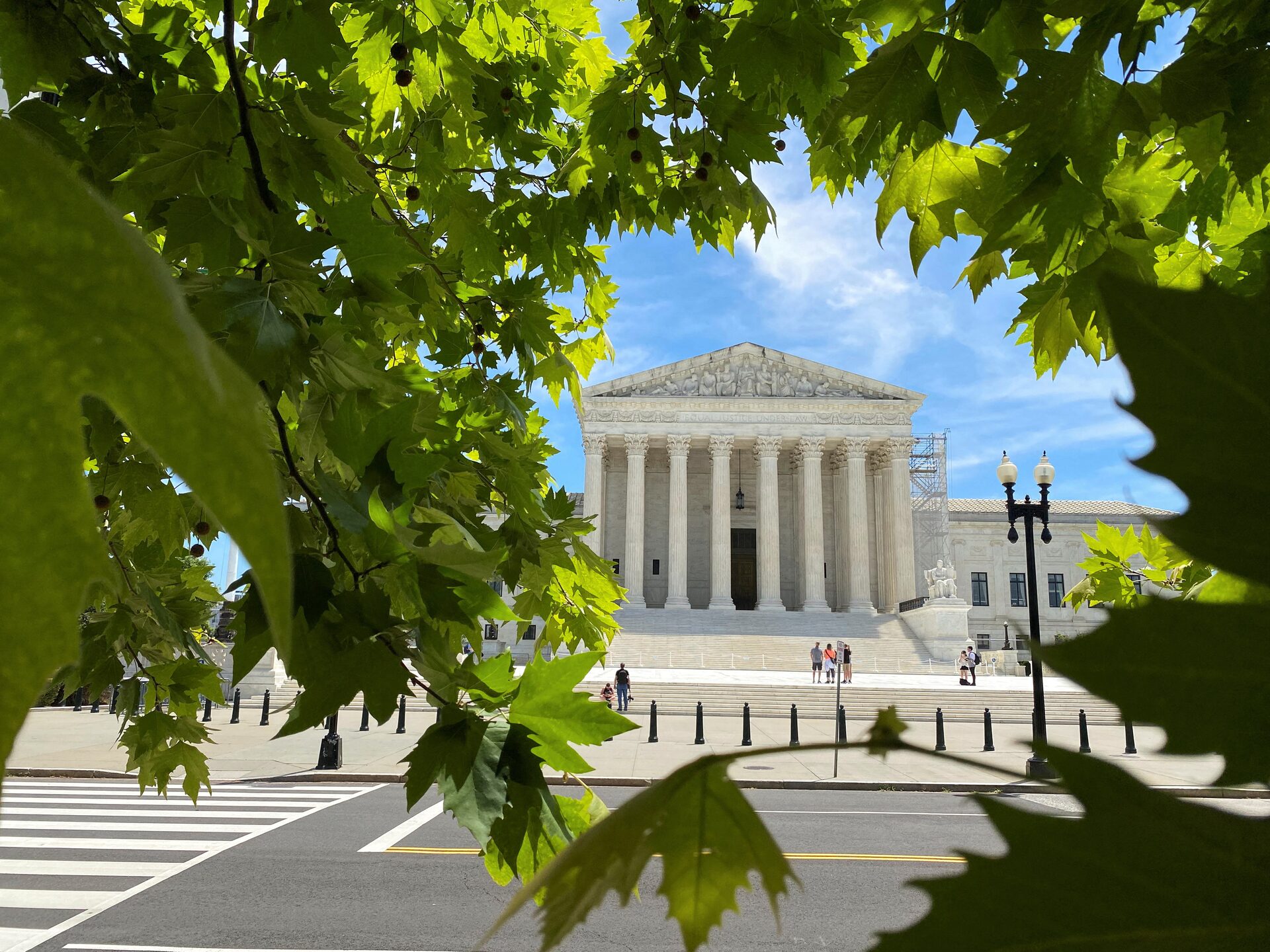
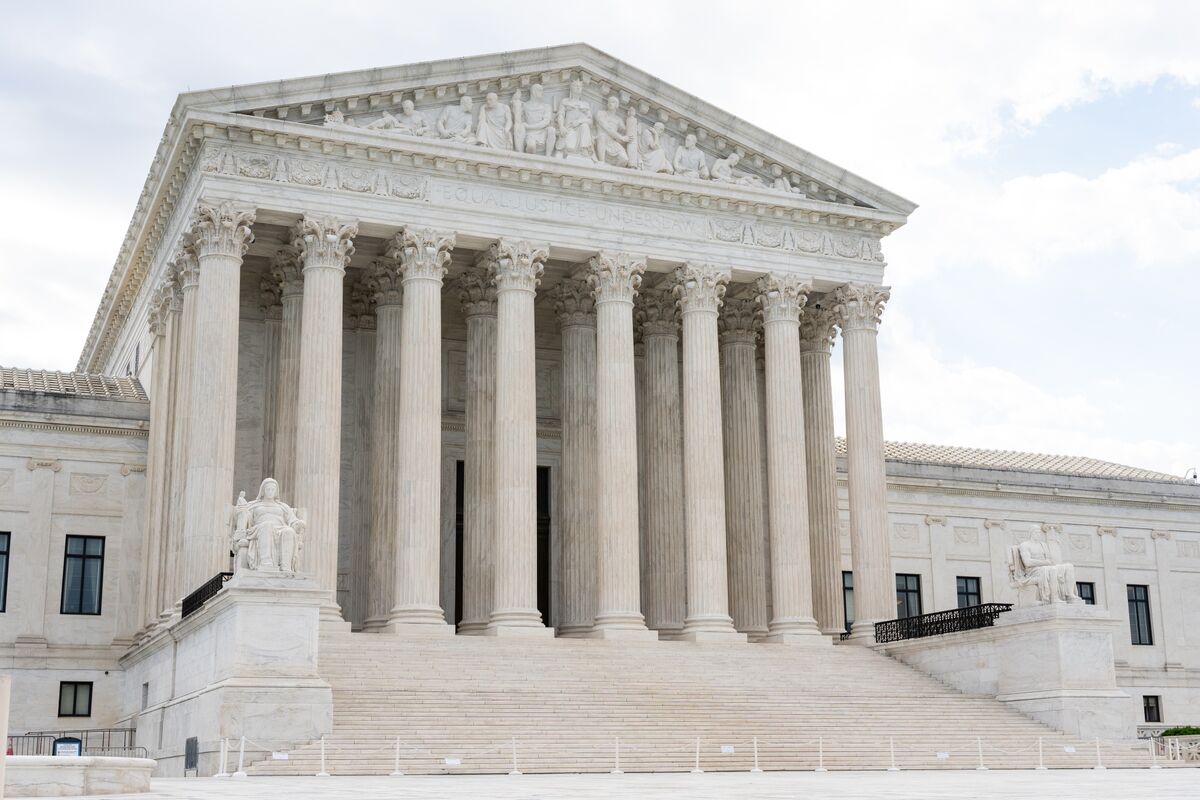
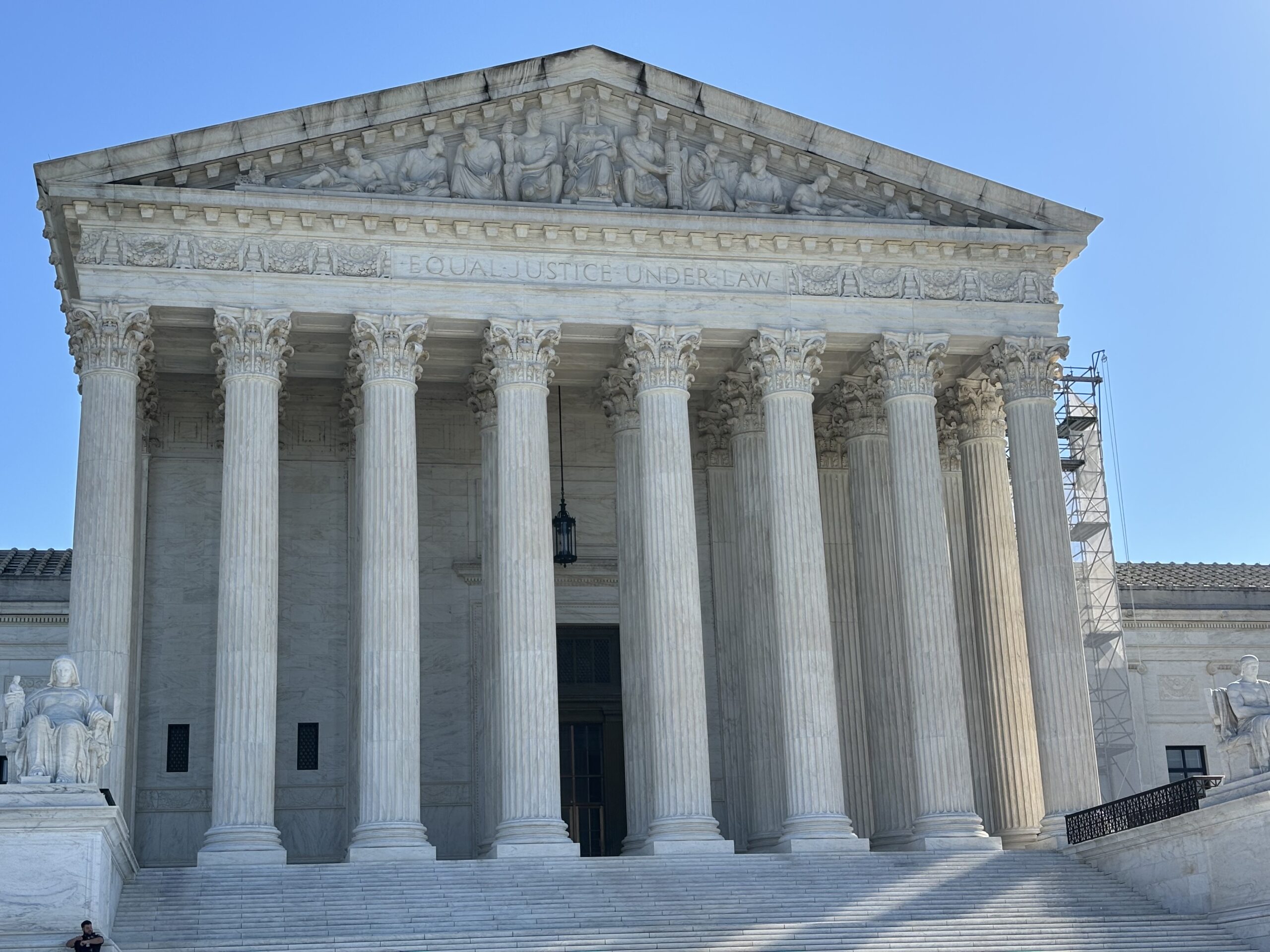
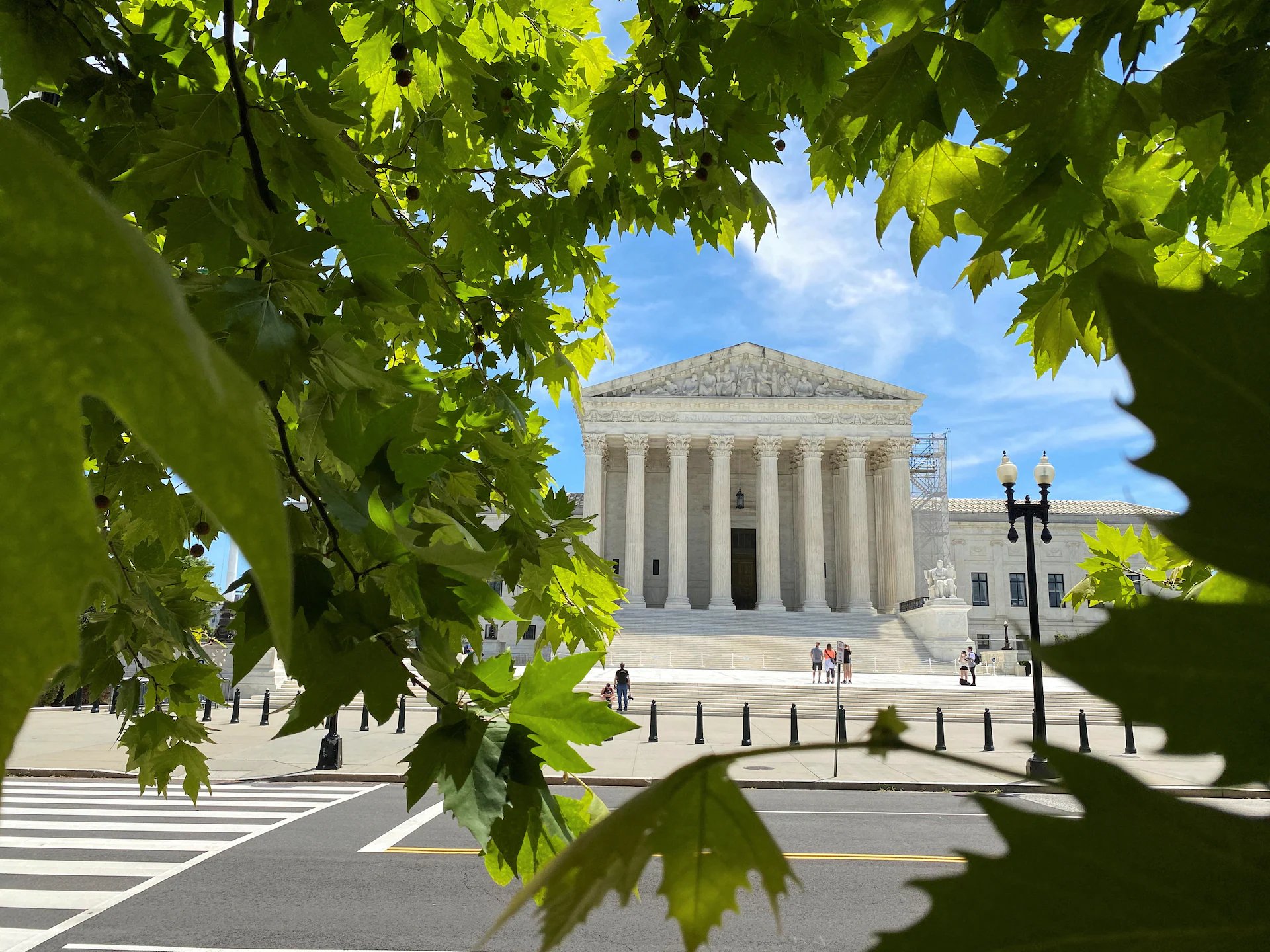
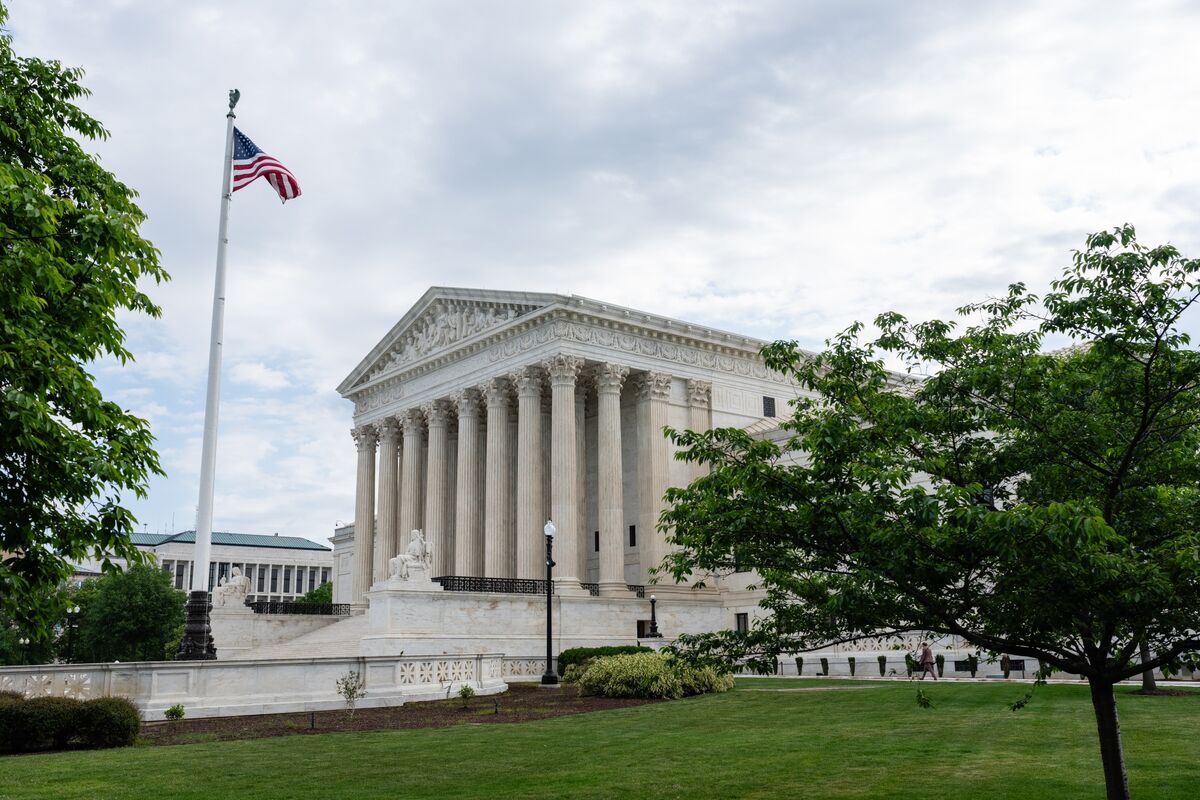
The U.S. Supreme Court has opted not to address a critical legal question regarding the enforcement of the Voting Rights Act, which could drastically limit protections for minority voters. In an unsigned order, the court sent cases concerning redistricting in Mississippi and North Dakota back to lower courts, asking them to reconsider in light of its recent ruling in Louisiana v. Callais. This decision follows a pattern of actions that have weakened the Voting Rights Act, particularly against racial discrimination in redistricting.
Implications for Future Litigation
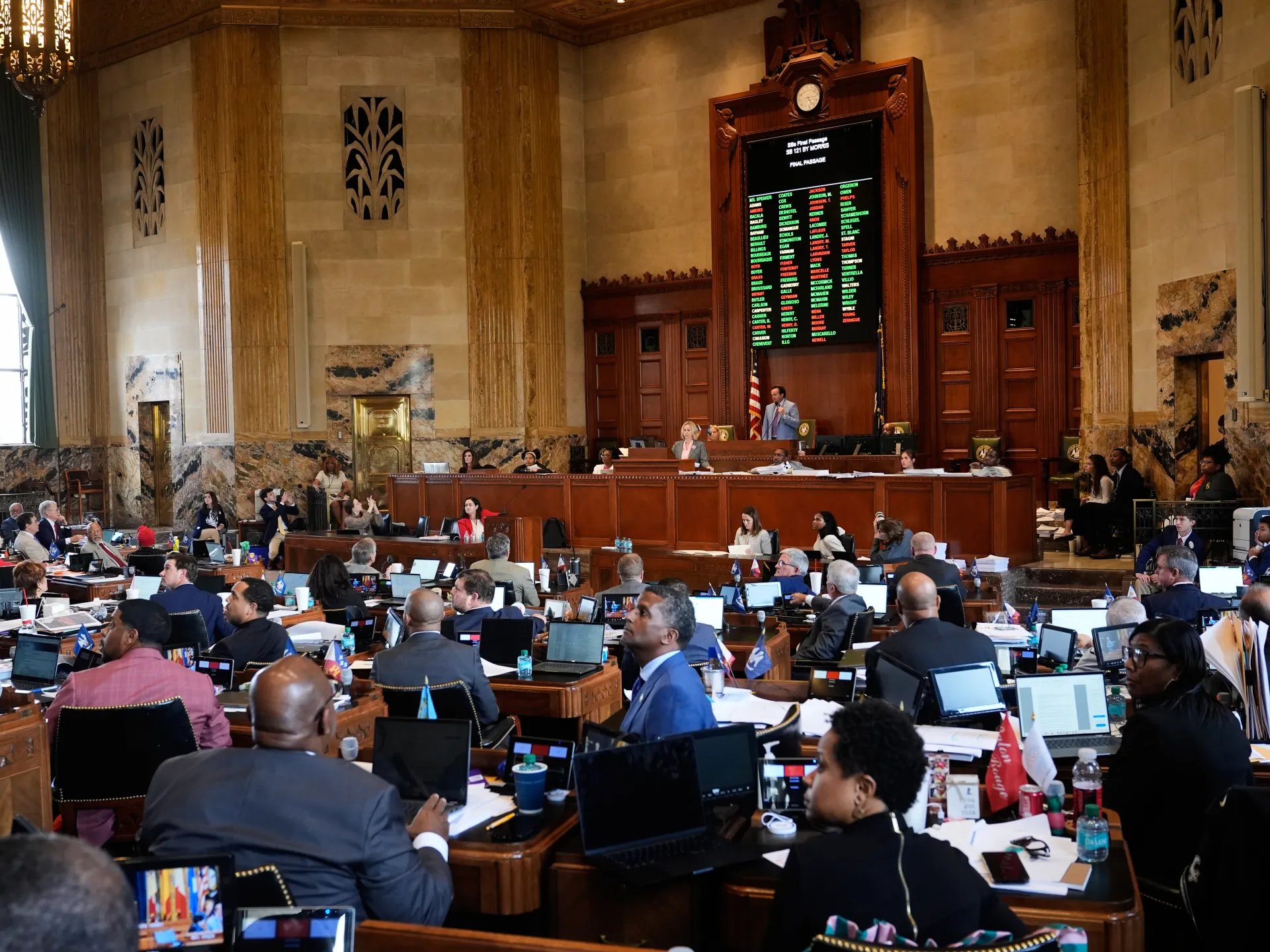
The core issue at stake is whether private individuals and advocacy groups can sue under Section 2 of the Voting Rights Act. Legal experts warn that if the court endorses the argument presented by Republican officials—that only the U.S. attorney general can file such lawsuits—it would significantly reduce the number of challenges to discriminatory voting practices. This would hinder grassroots efforts to combat gerrymandering and protect minority representation, especially as the country heads into the 2026 midterm elections.
Dissenting Opinions Highlight Concerns
Liberal Justice Ketanji Brown Jackson expressed her discontent with the court's decision not to examine the enforceability of Section 2. In her dissent, she noted that the ruling in the Callais case did not resolve the central legal question regarding private rights to action under the Voting Rights Act. Jackson criticized the majority for vacating earlier decisions from lower courts, which had allowed for more robust enforcement of voting rights.
Broader Context of Voting Rights Challenges
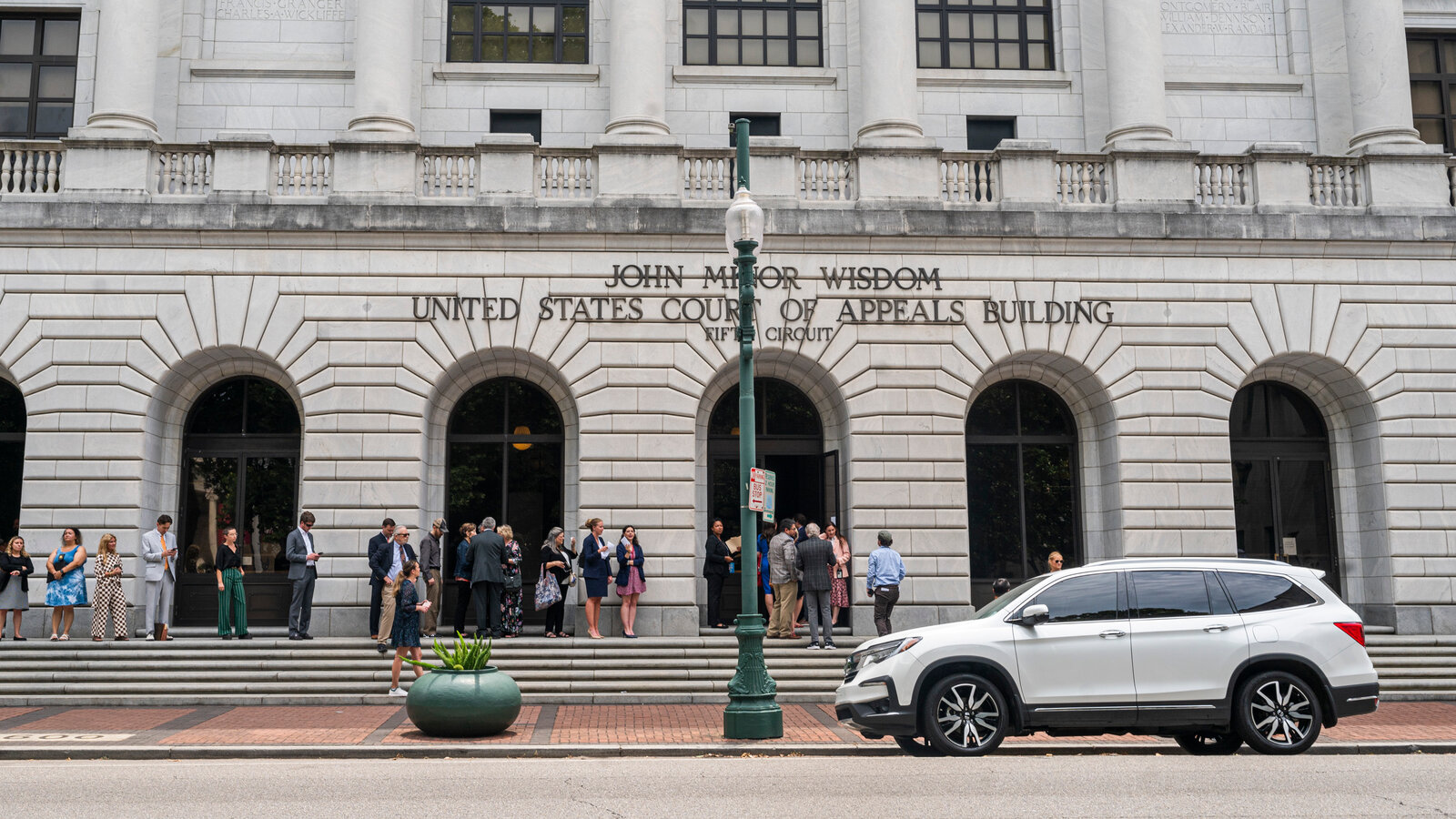
The Supreme Court's reluctance to engage with these cases comes amid ongoing challenges to various sections of the Voting Rights Act. Recently, a panel of the 8th U.S. Circuit Court of Appeals ruled against allowing private groups to enforce Section 208, which permits voters needing assistance to receive help from a person of their choice. This ruling aligns with a concerning trend that could undermine the Act's effectiveness, as noted by Chief Judge Steven Colloton, who lamented the court's approach as a "regrettable path" toward making the law unenforceable in certain jurisdictions.
Looking Ahead: Potential Legislative Changes
As the legal landscape for voting rights continues to shift, advocacy groups and lawmakers are bracing for a potential increase in legislative efforts to solidify protections for minority voters. With the next Supreme Court brief concerning the Arkansas case due soon, the implications of these judicial decisions will likely resonate throughout the electoral process, influencing how elections are conducted and how voters are represented in Congress.
The implications of these developments are profound, affecting not only the immediate legal battles over voting rights but also the broader democratic process in the United States. As the court navigates these complex issues, the future of minority representation hangs in the balance.