
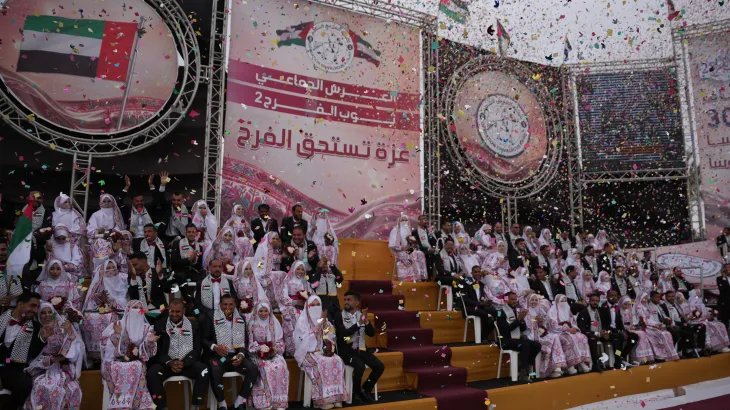





A fragmented political process across two territories
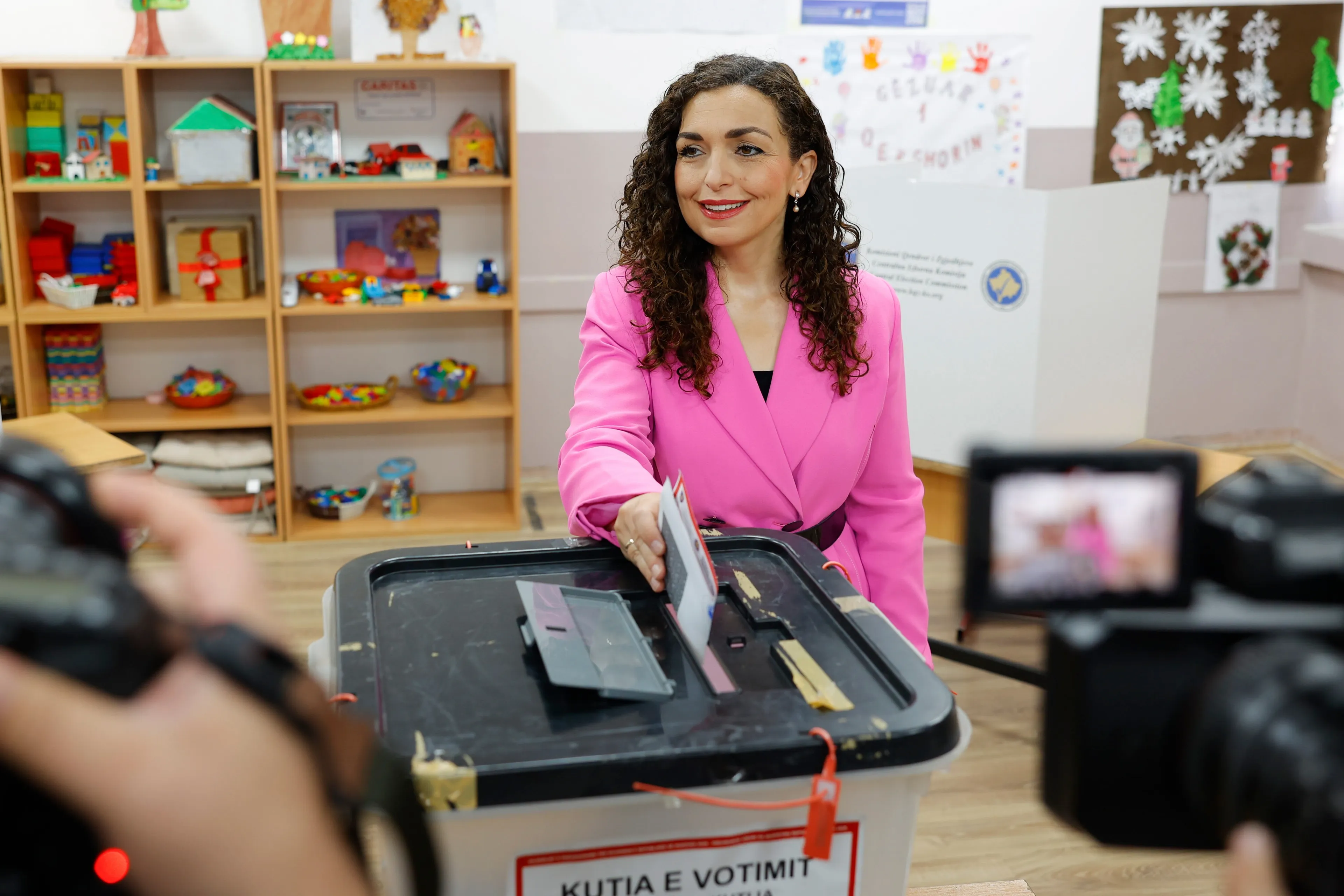
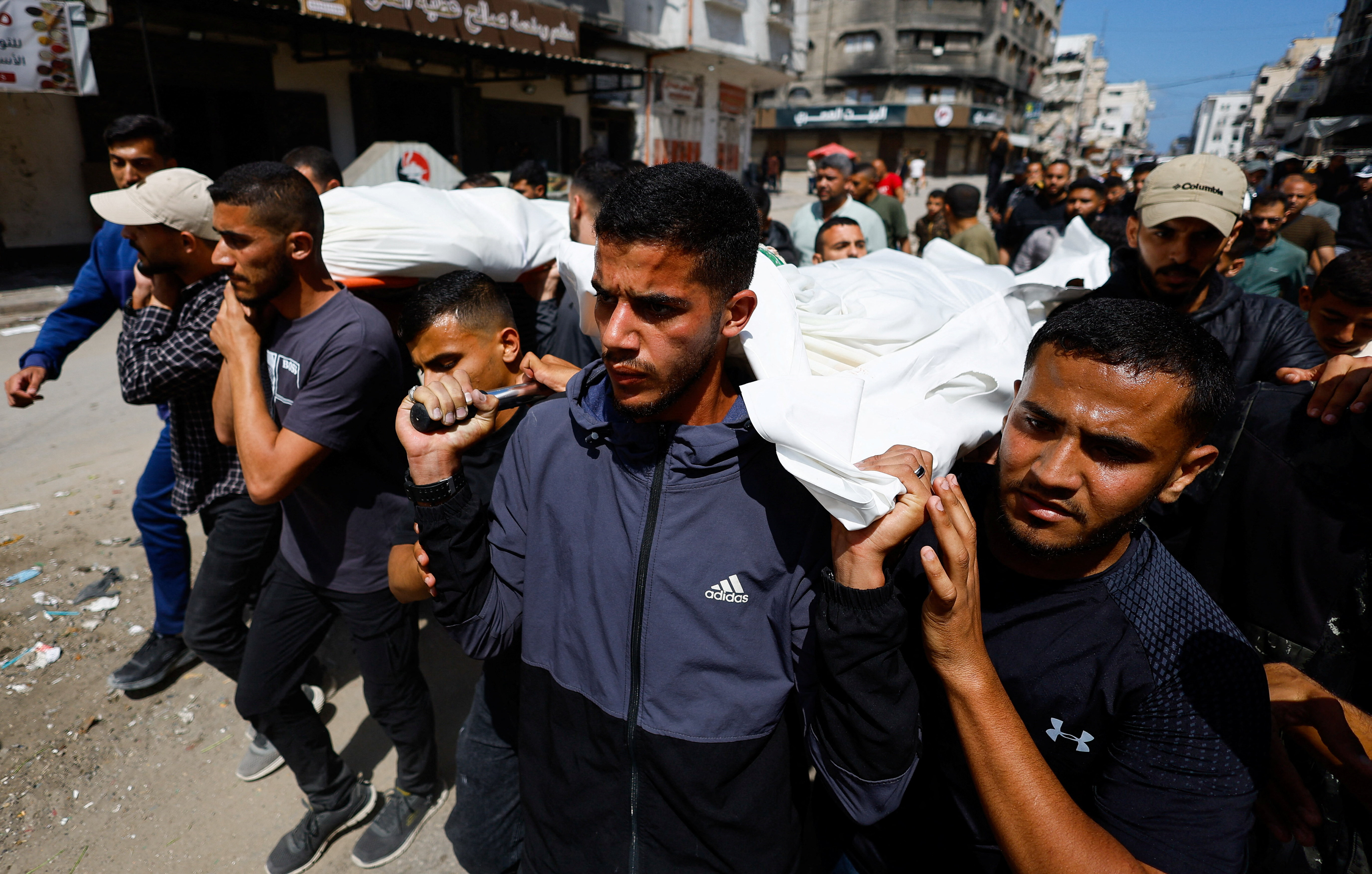
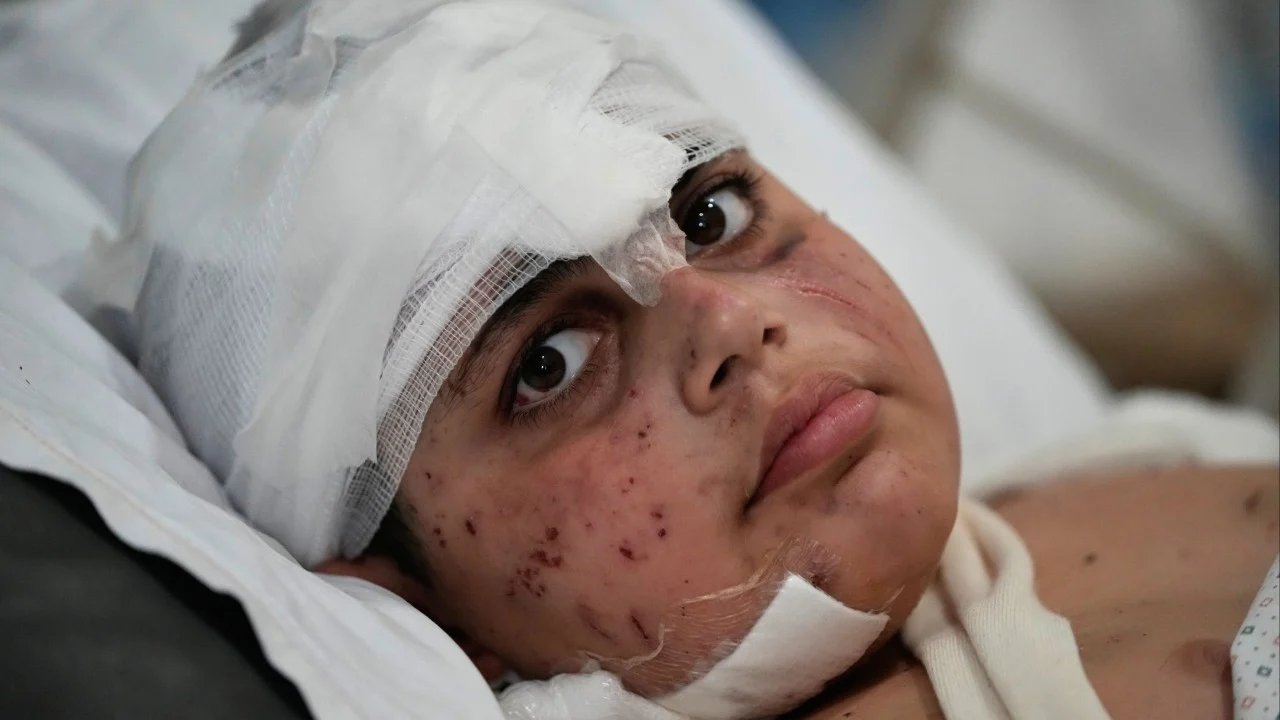
Palestinians cast ballots on Saturday in local elections across the occupied West Bank and in Deir al-Balah, a single city in Gaza, marking the first electoral exercise in the Palestinian territories since the Israel-Hamas war began. Nearly 1.5 million registered voters in the West Bank and approximately 70,000 in Gaza's Deir al-Balah were eligible to participate in choosing representatives to municipal and village councils for four-year terms.
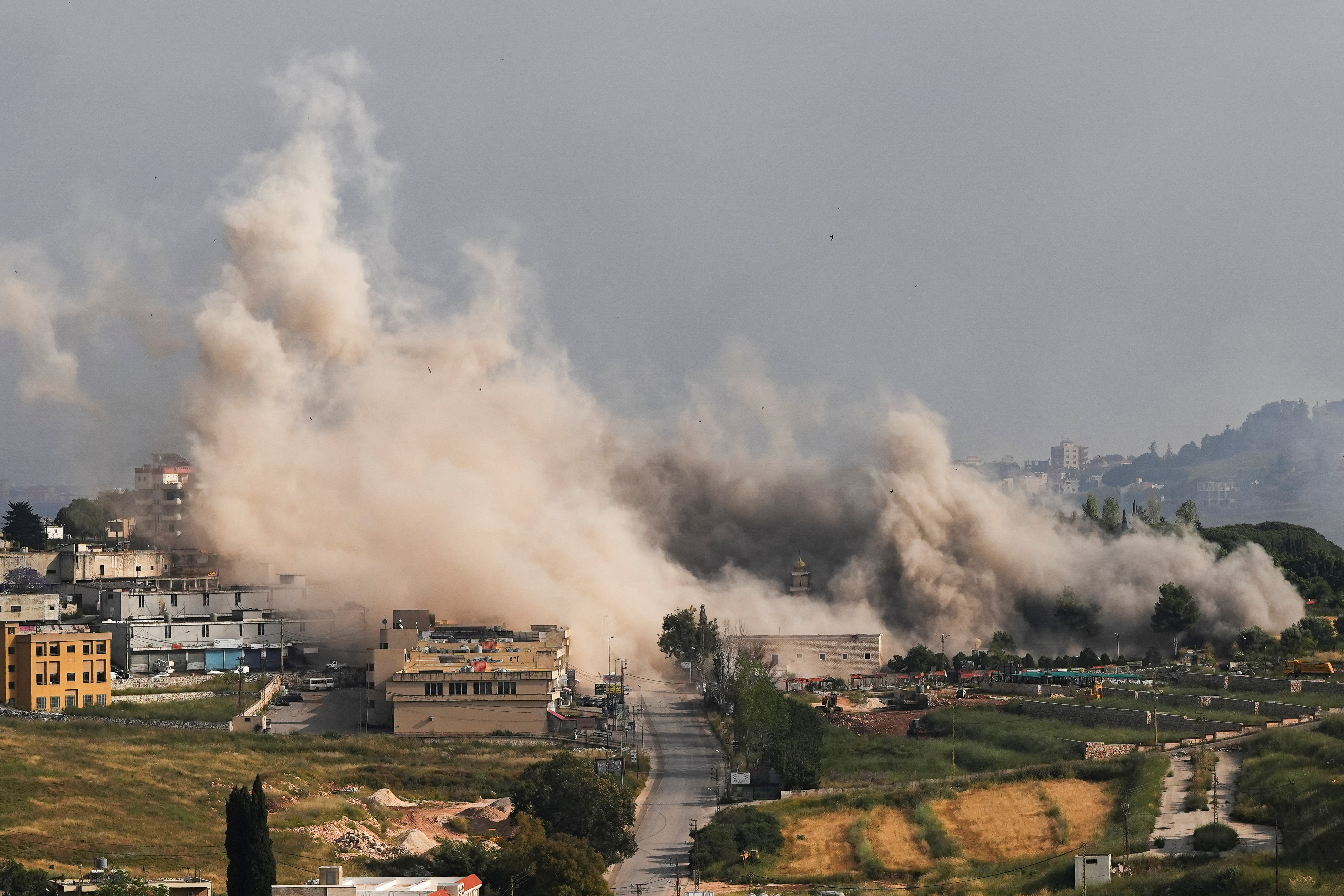
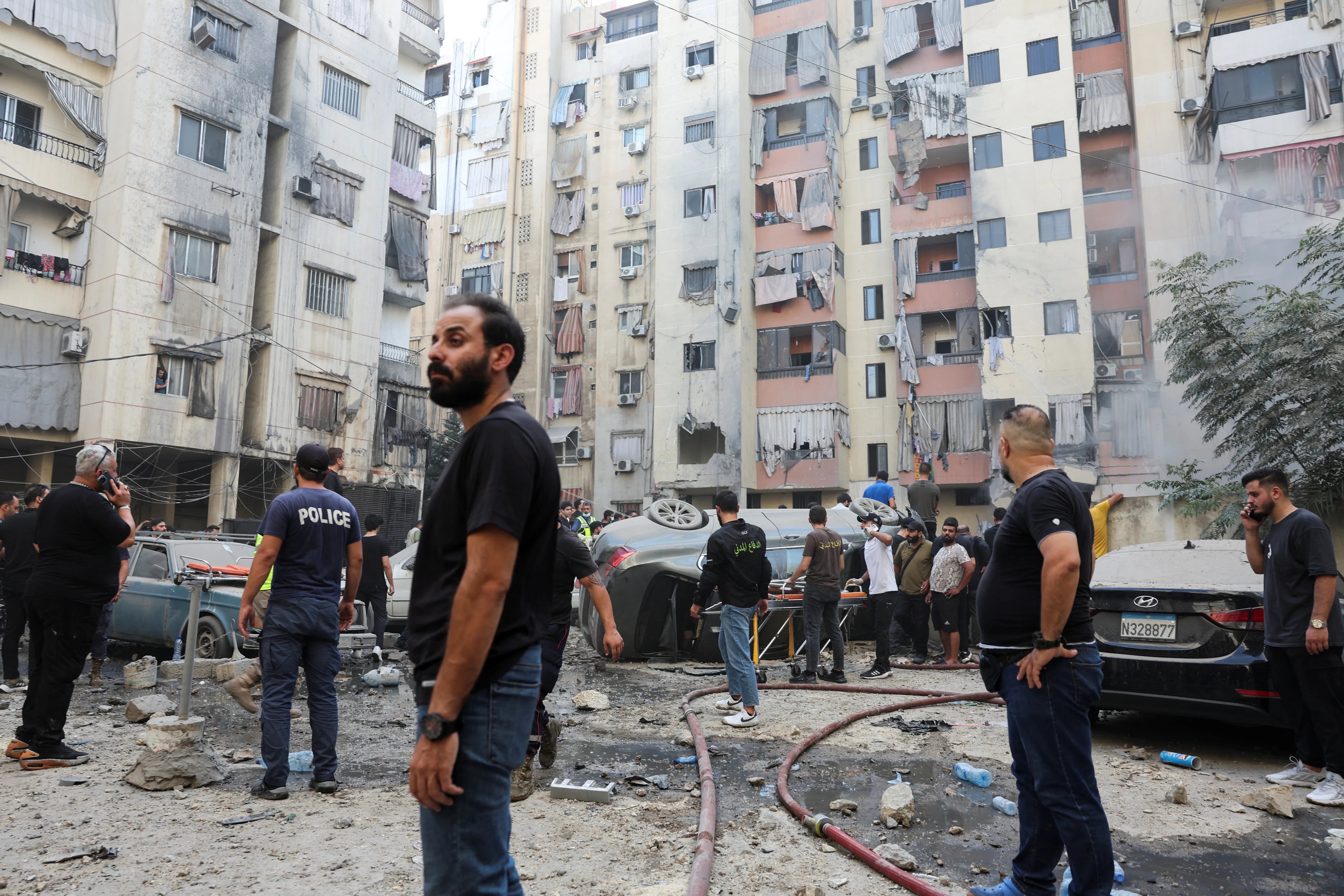
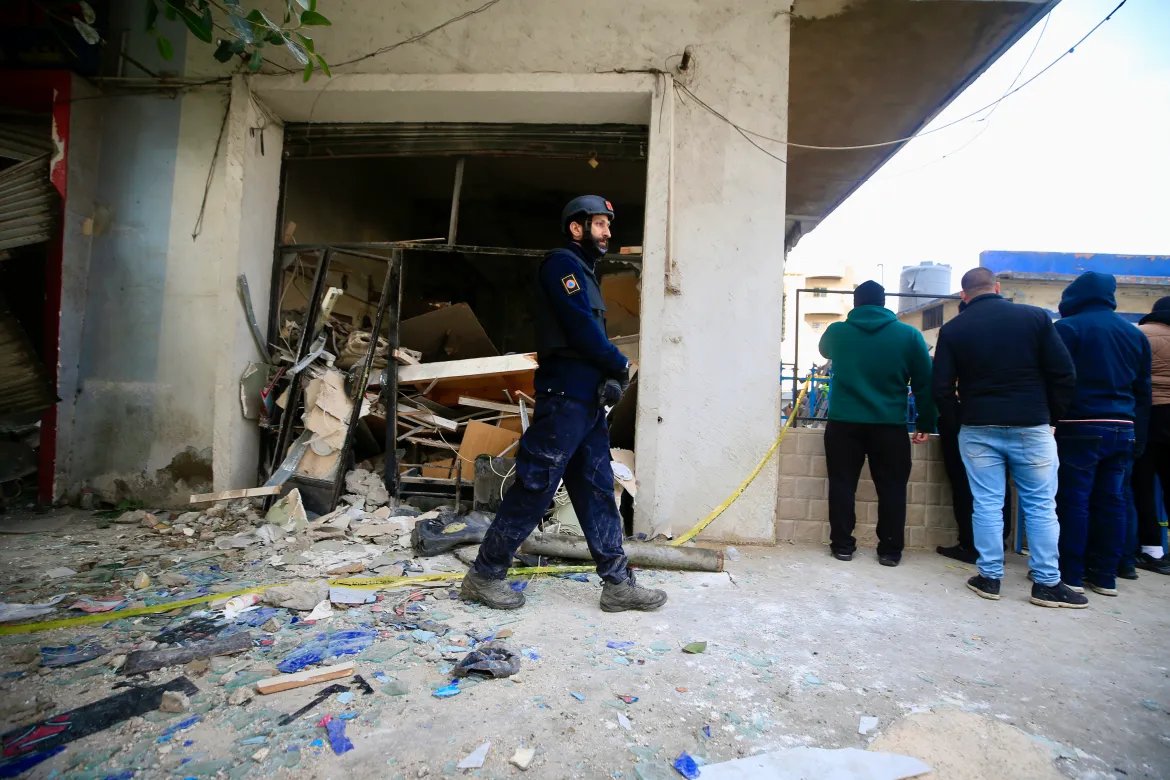
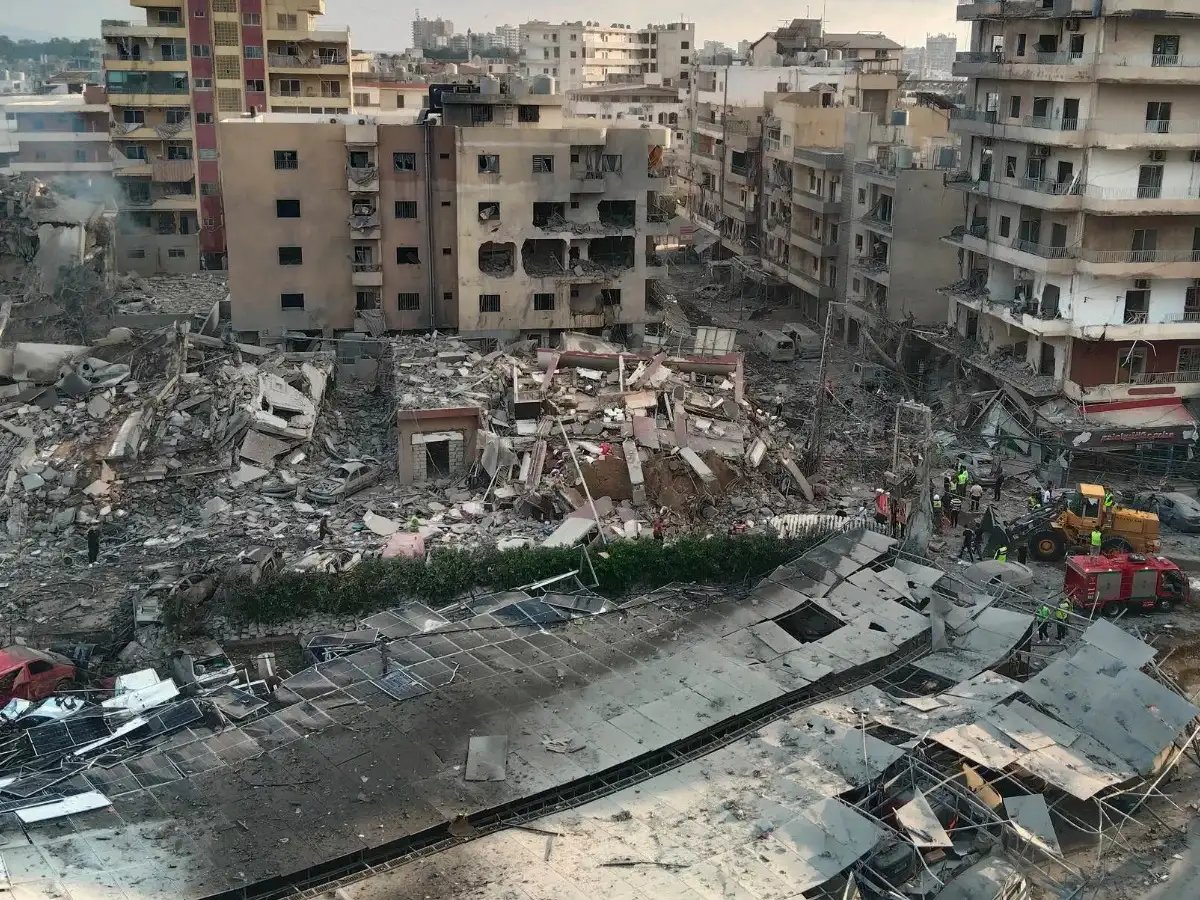
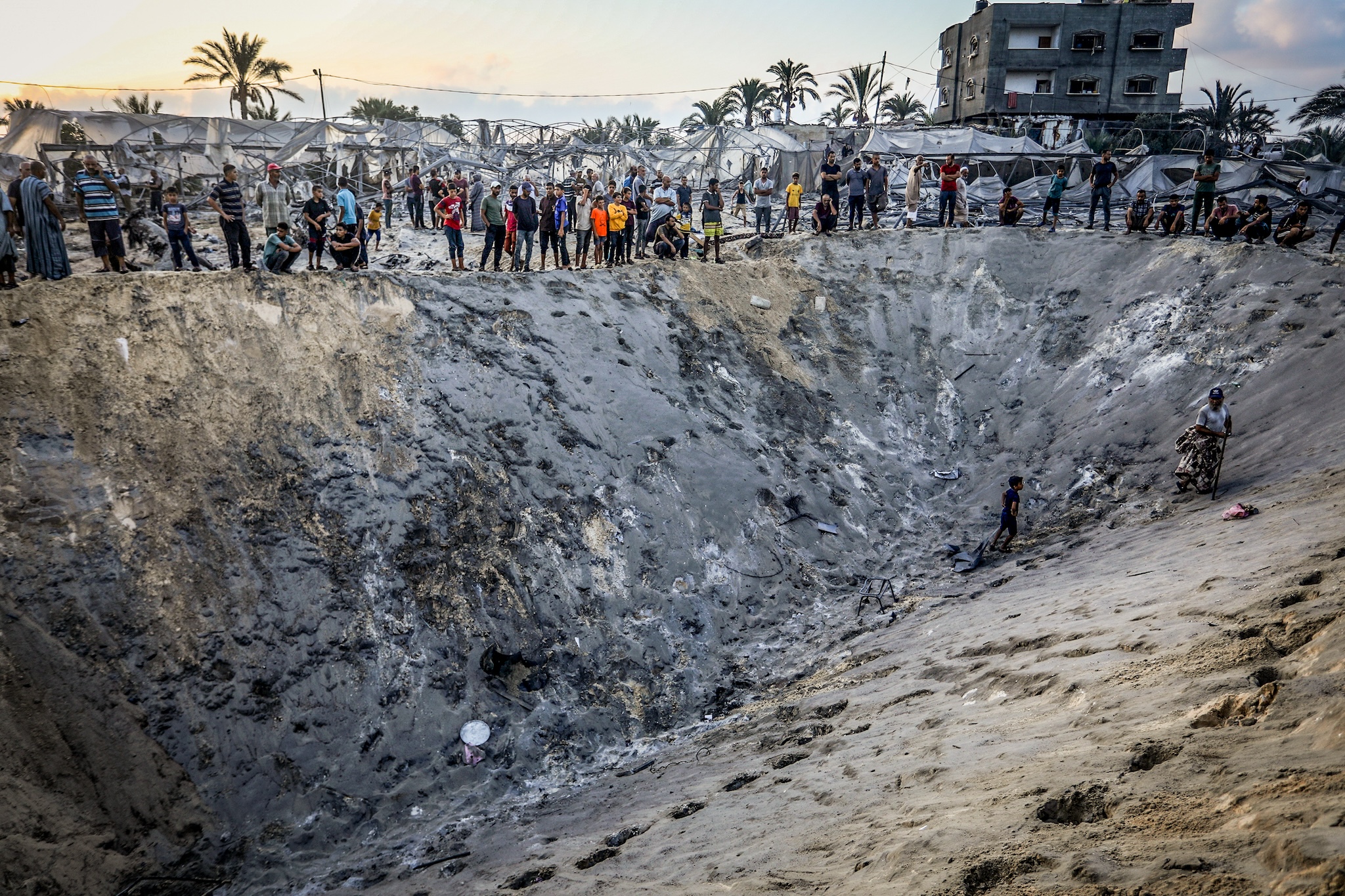
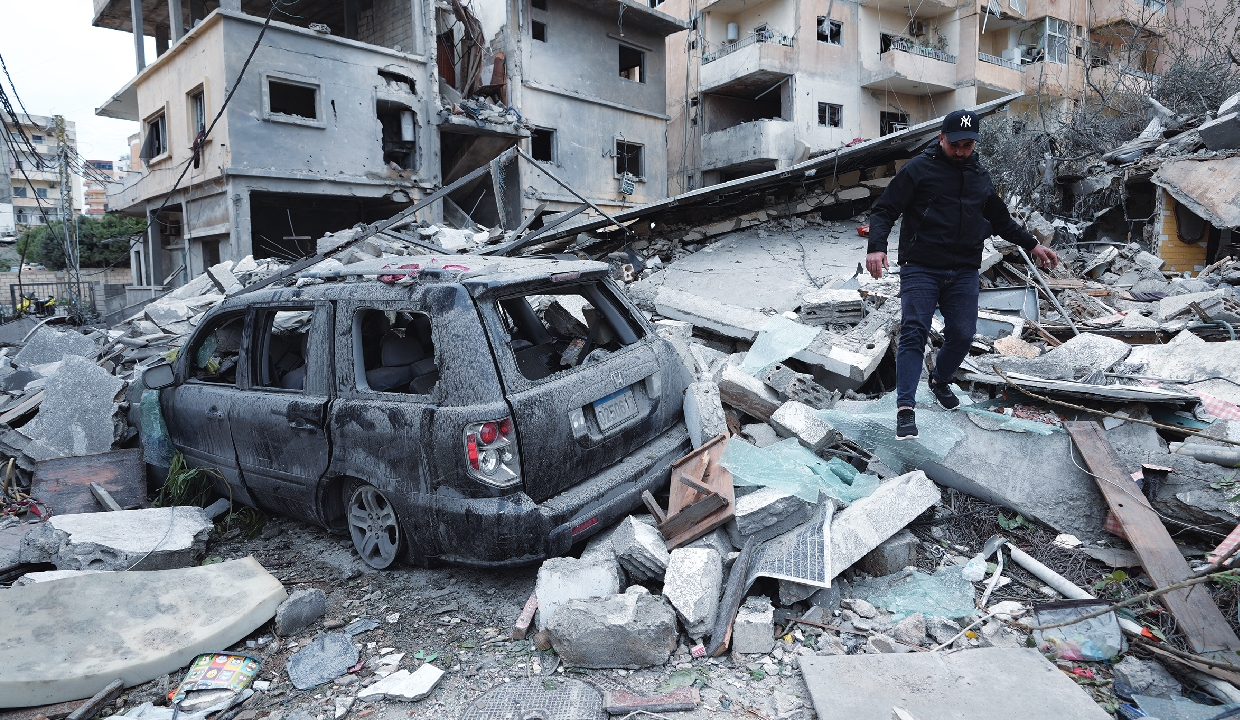
The elections reflect the fractured political landscape Palestinians navigate under Israeli occupation. In Gaza, voting was limited to Deir al-Balah because it was one of the few areas not heavily destroyed by Israeli forces during the war. Gaza officials described the vote as a "pilot" program. The West Bank vote will elect members of local councils that oversee water, roads and electricity but do not enact legislation, as official policy decisions in occupied areas require Israeli approval.
Hamas absent, Fatah dominant
Hamas did not field candidates in either location because candidates were required to recognize the Palestine Liberation Organization as the sole legitimate representative of the Palestinian people. Hamas, which won parliamentary elections in 2006 and seized control of Gaza from the Fatah-led Palestinian Authority a year later, opposes the PLO over its recognition of Israel.
According to the Palestine Elections Commission, 5,131 candidates are competing across 90 municipal councils and 93 village councils. In major West Bank cities including Ramallah and Nablus, single slates were elected through acclamation, a process in which candidates are chosen without a formal vote. Across the West Bank, 42 municipal councils and 155 village councils will be filled this way, representing a majority of local administrative authorities.
Widespread skepticism about change
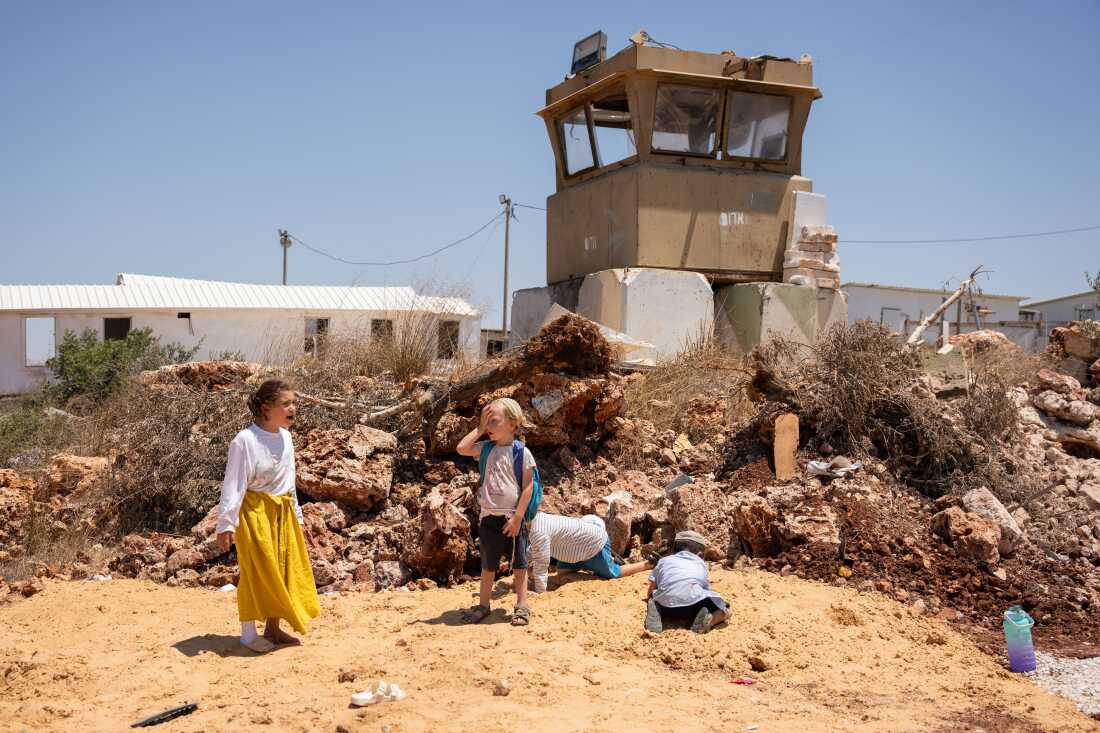
Many Palestinians expressed doubt that the elections would produce meaningful improvements. In Qusra, a town of approximately 6,000 people southeast of Nablus surrounded by illegal Israeli settlements, outgoing Mayor Hani Odeh said he did not believe the vote would alter conditions. "The resources are limited, the demands are many, there's the settlers, the army – the problems don't stop," he said. "You can't do anything for them."
Mahmud Bader, a businessman in Tulkarem, told AFP that Israeli occupation ultimately controls the city. "It would only be an image shown to the international media – as if we have elections, a state or independence," he said. A businesswoman named Fatima, who runs an education center in el-Bireh, said she had not voted since the last Palestinian national election 20 years ago and did not plan to participate. "We don't see any difference between them," she said of competing candidates. "It is not fair."
Zayne Abudaka, cofounder of the Institute for Social and Economic Progress, noted that "there is definitely a sense of futility in certain places." According to the Palestine Elections Commission, Palestinian voter turnout has gradually decreased, though it has averaged between 50 and 60 percent in past local elections.
Some see opportunity for participation
Not all Palestinians viewed the elections with pessimism. Mohammed al-Hasayna, speaking after voting in Deir al-Balah, told AFP the election served as a sign of people's "will to live." He said, "We want the world to help us overcome the catastrophe of war. Enough wars – it is time to work towards rebuilding Gaza."
Iyad Hani, a 20-year-old who works at a children's store in el-Bireh, expressed enthusiasm about voting for the first time. "Hopefully, the one coming is better than the one who left," he said. "There should be construction in the town and fixing the streets – that's the most important thing." Muhammad Bassem, a restaurant manager in Ramallah, said he was optimistic that new candidates would bring change. "It is the new faces that bring about change for the better – always for the better," he said.
Broader context of Palestinian disillusionment
The elections took place amid deep frustration with the Palestinian Authority. Polling from the Palestinian Center for Policy and Survey Research indicates Palestinians have pessimism, lack of hope, and helplessness that goes beyond distrust in the PA as an institution. Fatima said her business had contracted 85 percent in recent years while the PA still charged her 16 percent VAT. "We don't hate Fatah," she said. "We hate the decisions they are taking right now."
The PA's authority has withered amid years without peace negotiations with Israel and the expansion of illegal Israeli settlements in the occupied West Bank. In Qusra, PA civil servants receive salaries of just 2,000 shekels, approximately $670, a fraction of what they are owed, as Israel continues to withhold tax revenues earmarked for Palestinians. These elections represent the only national electoral process held since 2006, when Hamas won parliamentary elections that preceded the political divide between Gaza and the West Bank.
Fareed Taamallah, a spokesperson for the Central Elections Commission, said the main objective was to "link the West Bank and Gaza politically as one system." UN deputy special coordinator Ramiz Alakbarov called the elections "an important opportunity for Palestinians to exercise their democratic rights during an exceptionally challenging period." Yet the commission was unable to send materials like ballot papers and ballot boxes into Gaza because it had not coordinated with Israel or Hamas and had to improvise voter registration because it was unable to conduct traditional voter registration.































































































































The sources also report that in Deir al-Balah, one slate of candidates was widely seen as aligned with Hamas, despite the group not fielding candidates.