



The veto kills a landmark moratorium
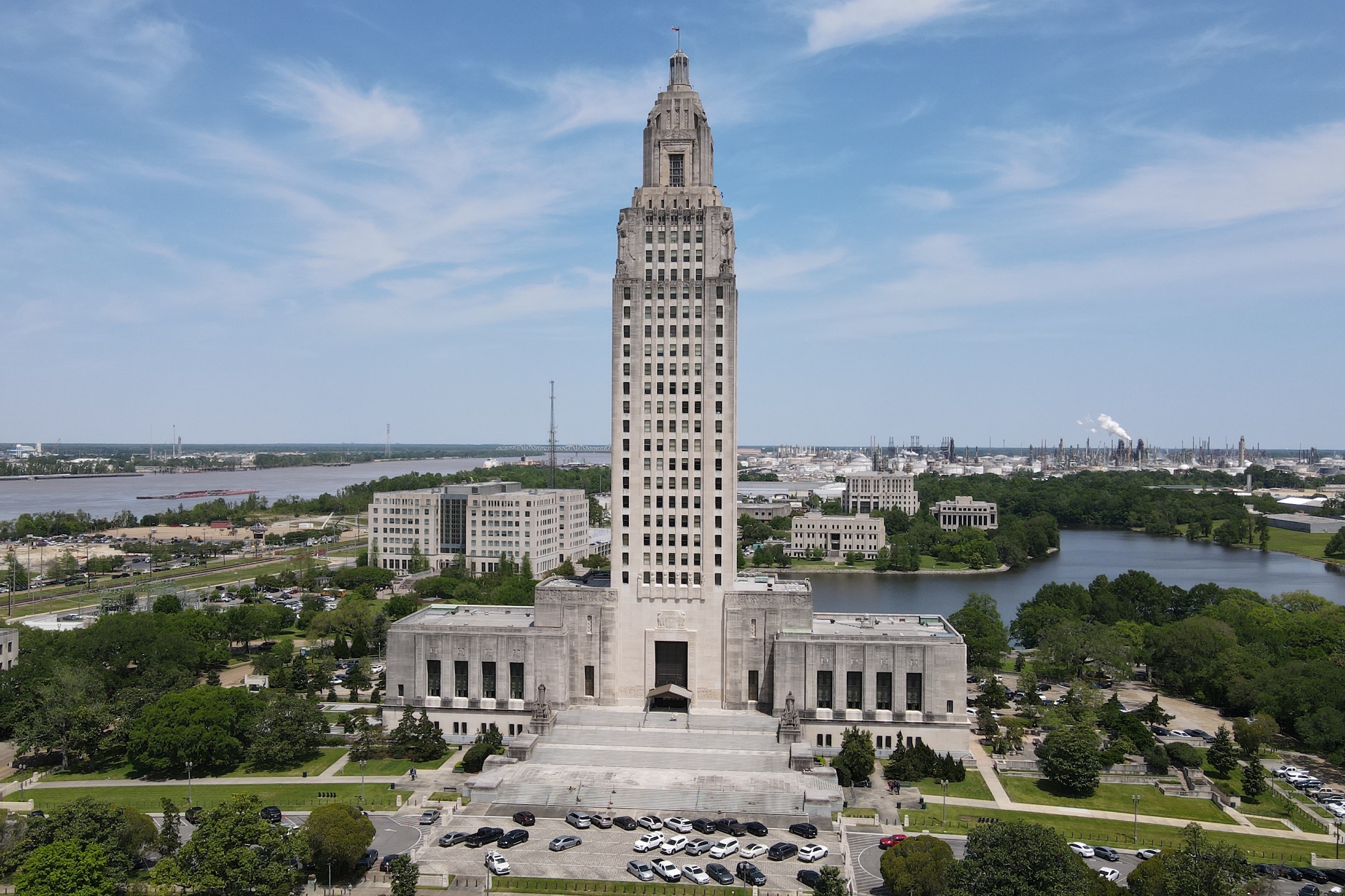
Governor Janet Mills vetoed a bill on Friday that would have made Maine the first US state to impose a moratorium on large new datacenters. The measure, which passed the Maine legislature last week, would have frozen approvals until October 2027 for datacenters requiring more than 20 megawatts of power while a state-appointed council analyzed their impact on the local grid, electricity bills, air and water. The veto likely kills the measure in its current form, as backers fall short of the two-thirds threshold necessary for an override.

The Bloomberg article specifies the moratorium would have lasted until November 2027, while The Guardian says October 2027.
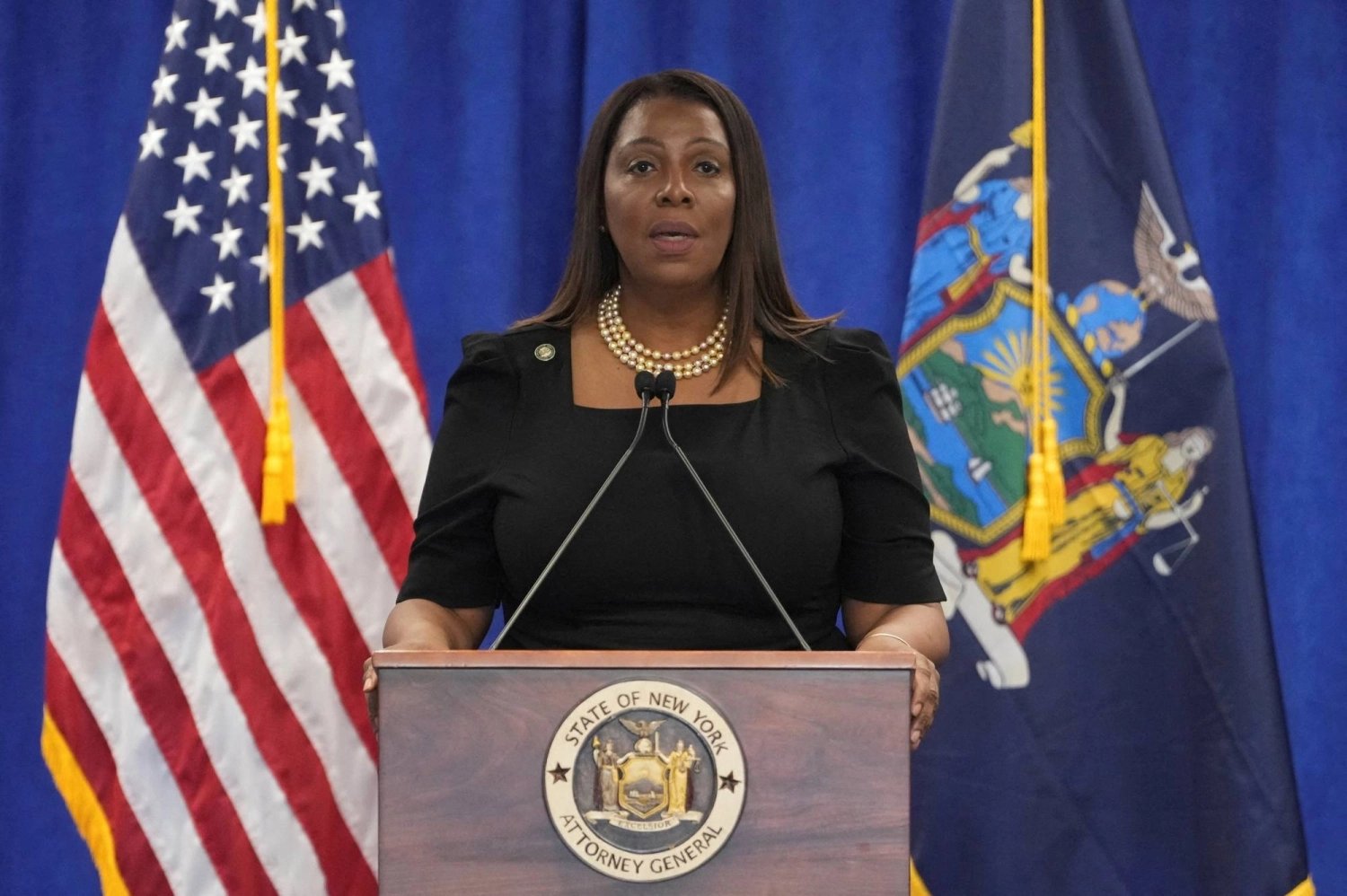
Mills, a Democrat running for US Senate, said she would have signed the bill if it had included an exemption for a specific datacenter project under way in the town of Jay. The Democratic governor stated in a letter to the legislature that "a moratorium is appropriate given the impacts of massive data centers in other states on the environment and on electricity rates. But the final version of this bill fails to allow for a specific project in the Town of Jay that enjoys strong local support from its host community and region."
Why Jay matters to the governor's decision
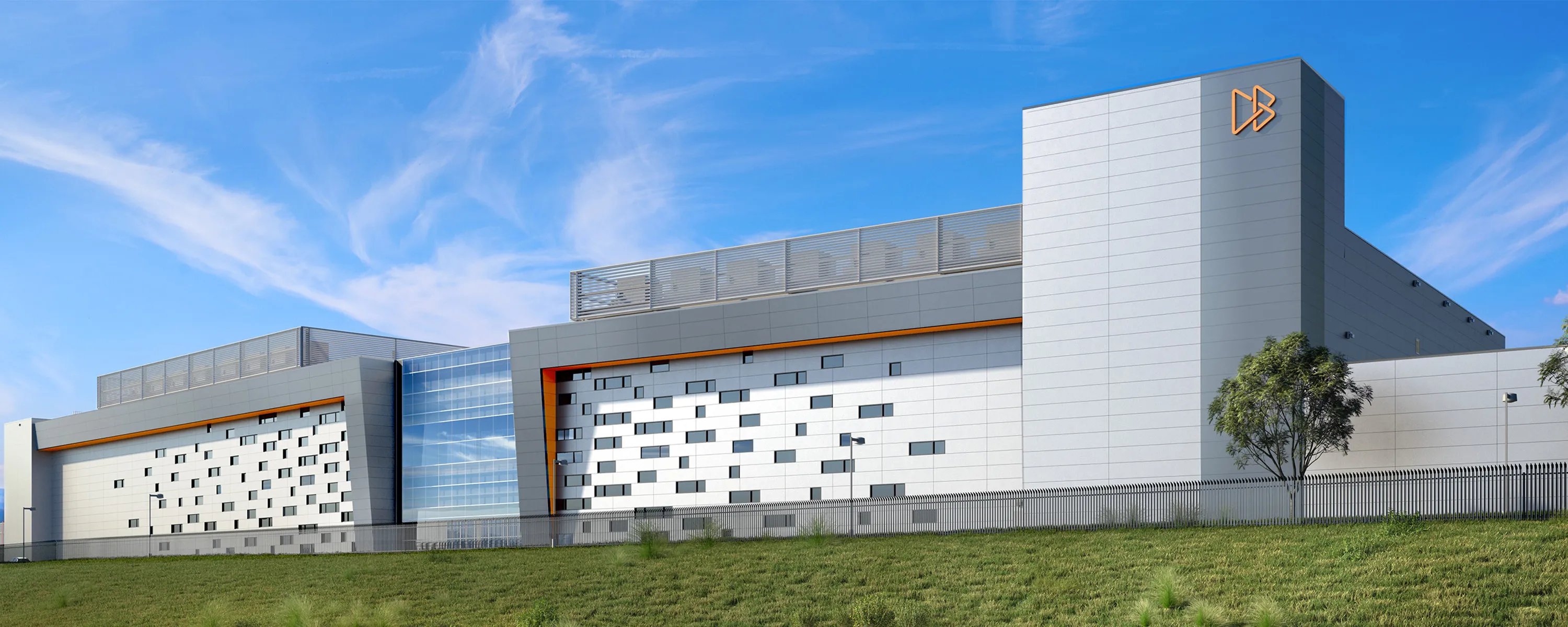
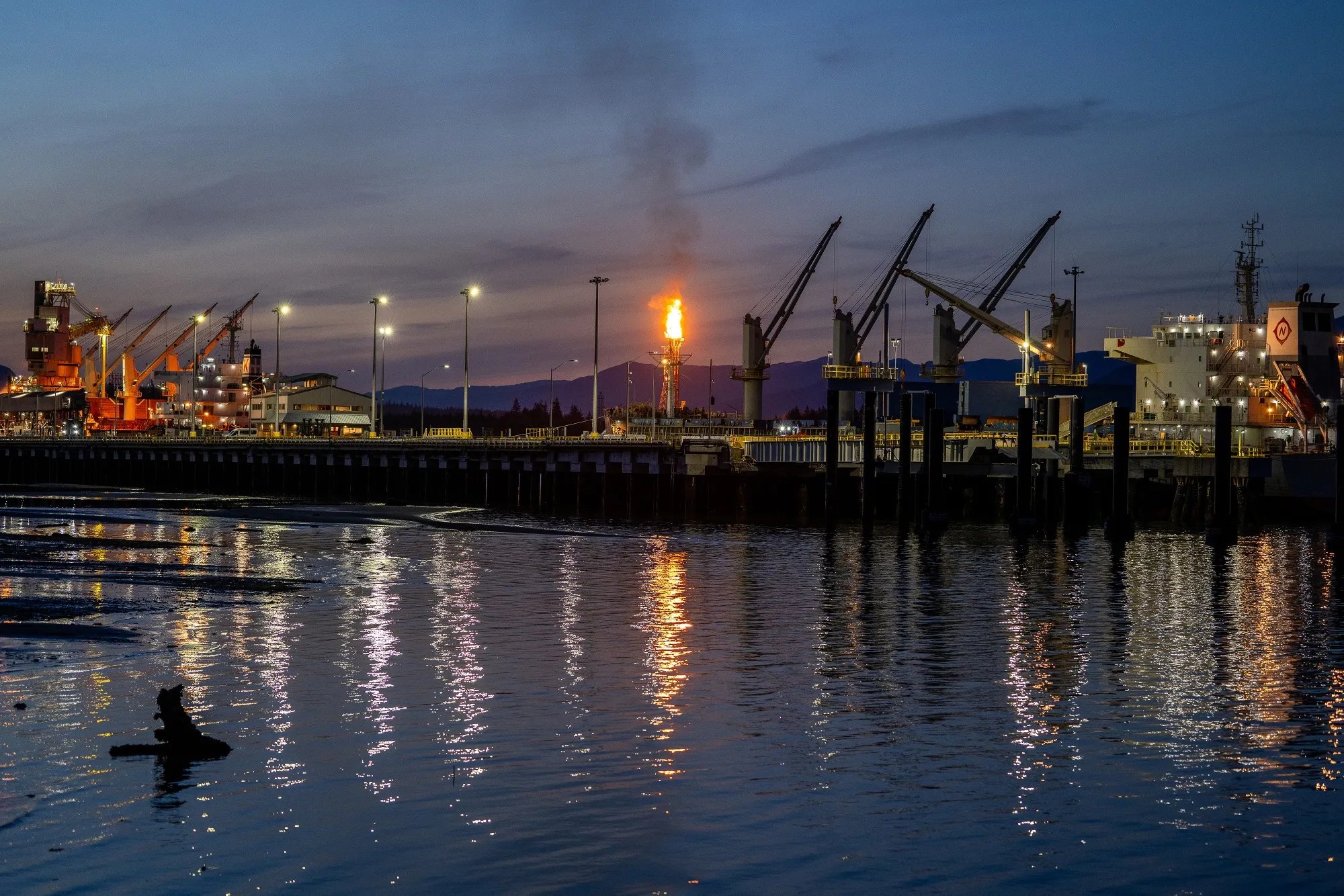
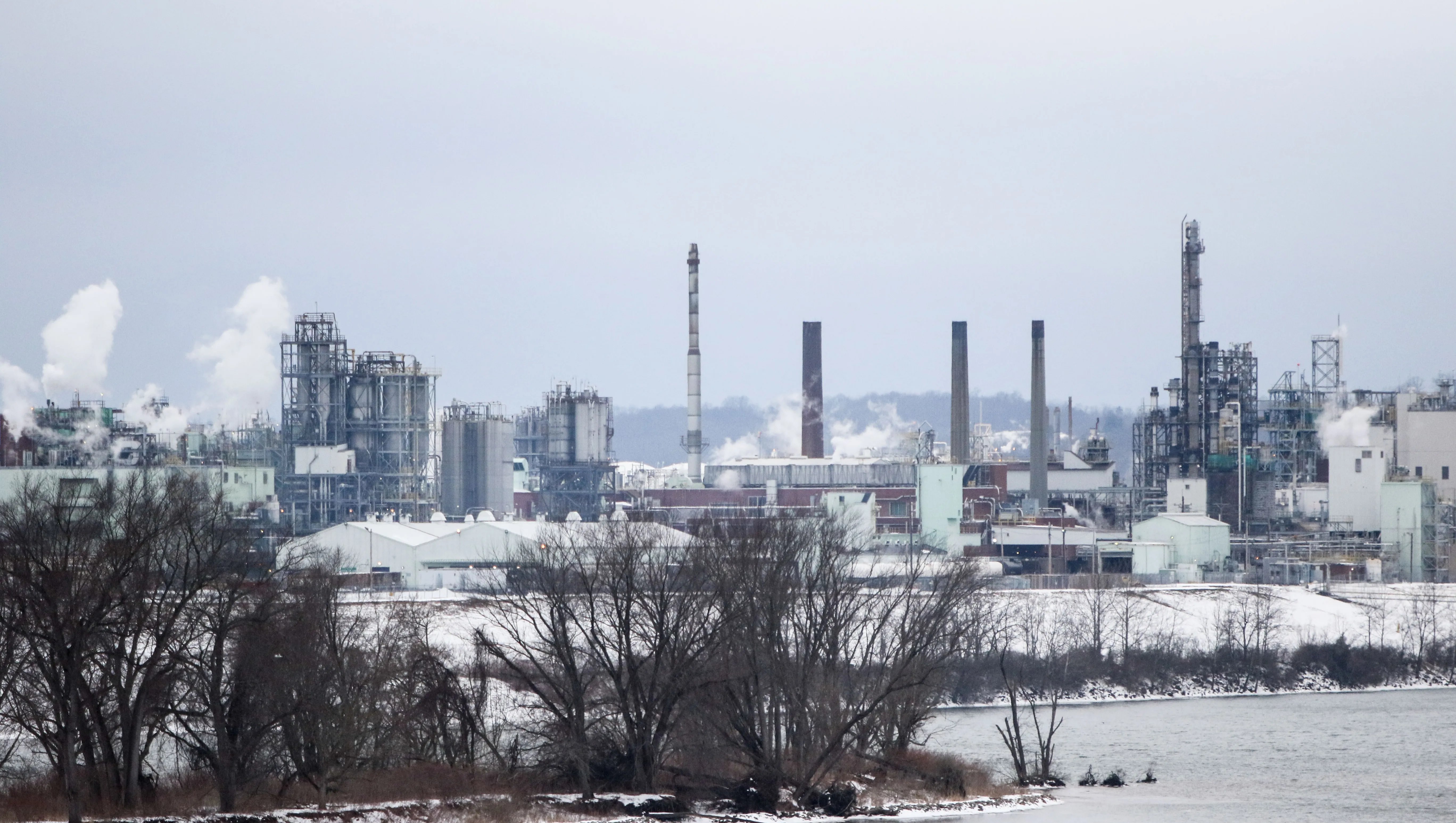
The Jay datacenter project represents a $550 million investment expected to create more than 800 construction jobs and at least 100 permanent positions. The facility would reuse infrastructure at the site of the Androscoggin paper mill, which shut down in 2023 after a boiler explosion, leading to hundreds of job losses. Mills emphasized that the datacenter would not have a major impact on the electric grid or energy bills and would contribute property tax revenue to the town.

The sources also report that the Jay datacenter project is expected to create at least 100 high-paying permanent jobs.
Opposition from the bill's sponsor
State Representative Melanie Sachs, a Democrat who sponsored the moratorium bill, said Mills' decision was "simply wrong." Sachs warned that the veto "poses significant potential consequences for all ratepayers, our electric grid, our environment and our shared energy future."
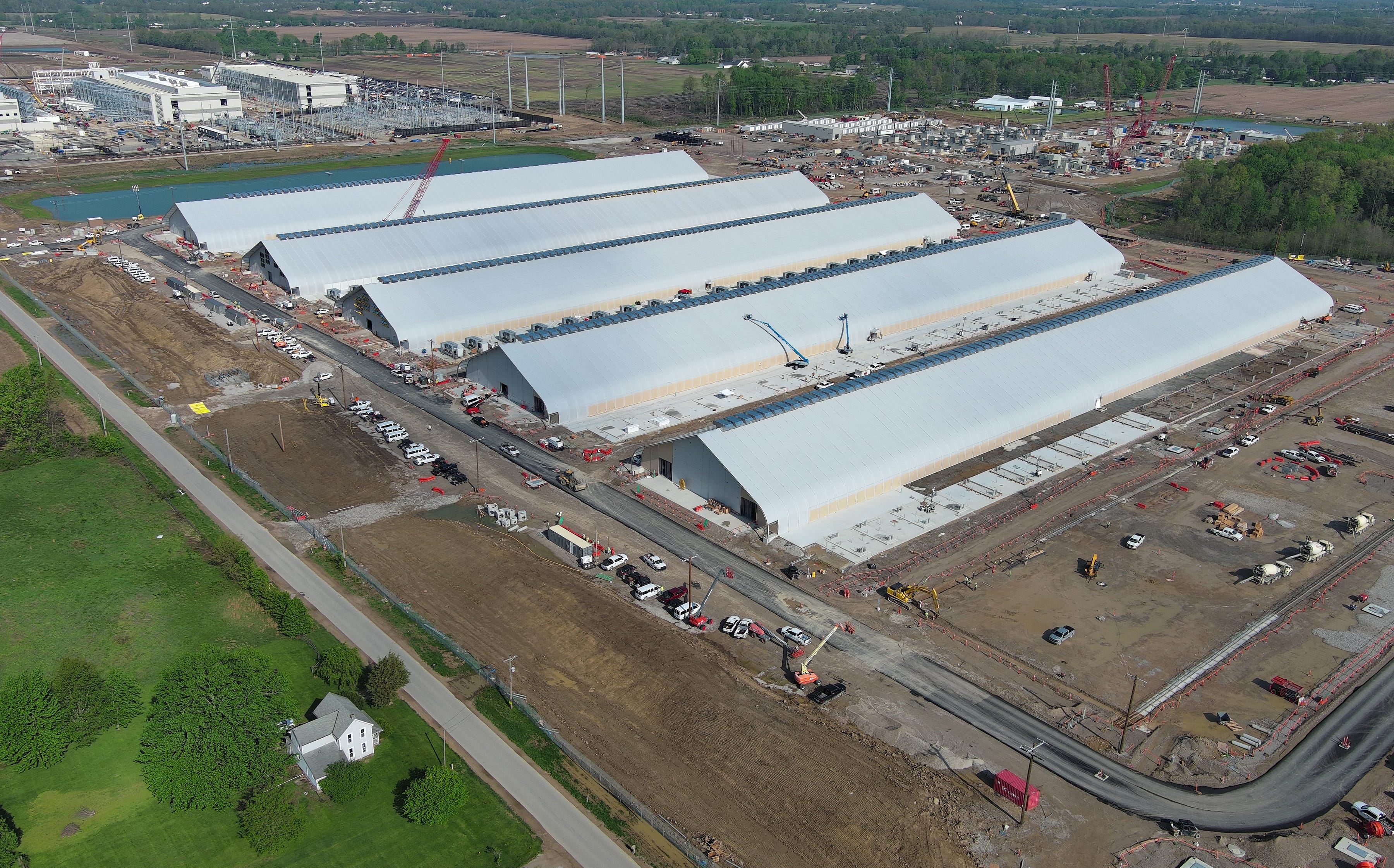
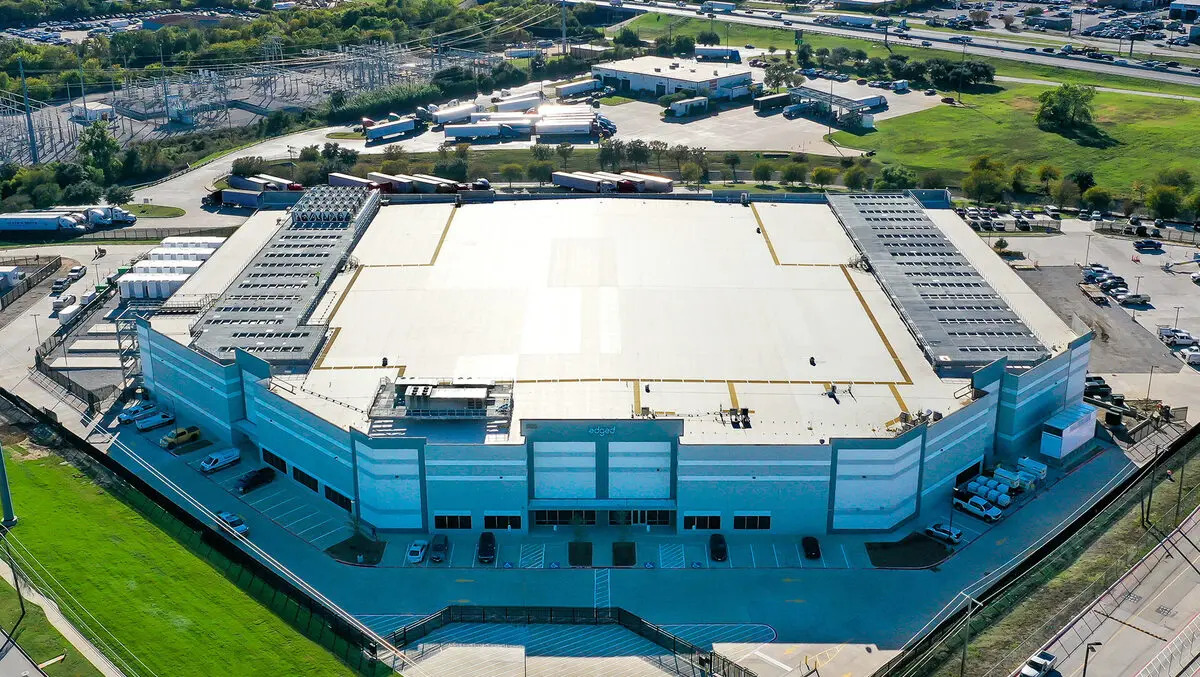
The broader debate reflects a tension facing political leaders nationwide. US tech giants have pledged to spend more than $600 billion on artificial intelligence datacenters this year, a spending spree considered the biggest since the telecom boom of the late 1990s. Yet mounting opposition to that build-out has led more than a dozen US states to weigh legislation that would halt or restrain development of the facilities. Virginia, one of the world's largest datacenter hubs, is among the states considering similar measures.
What Mills plans instead
Rather than signing the moratorium, Mills said she plans to issue an executive order establishing a council to examine the impact of datacenters in Maine. She has also signed a bill to prohibit datacenter projects from Maine's business development tax incentive programs. At the federal level, Senator Bernie Sanders and Representative Alexandria Ocasio-Cortez have introduced legislation to halt all construction on datacenters until Congress passes AI safety legislation.
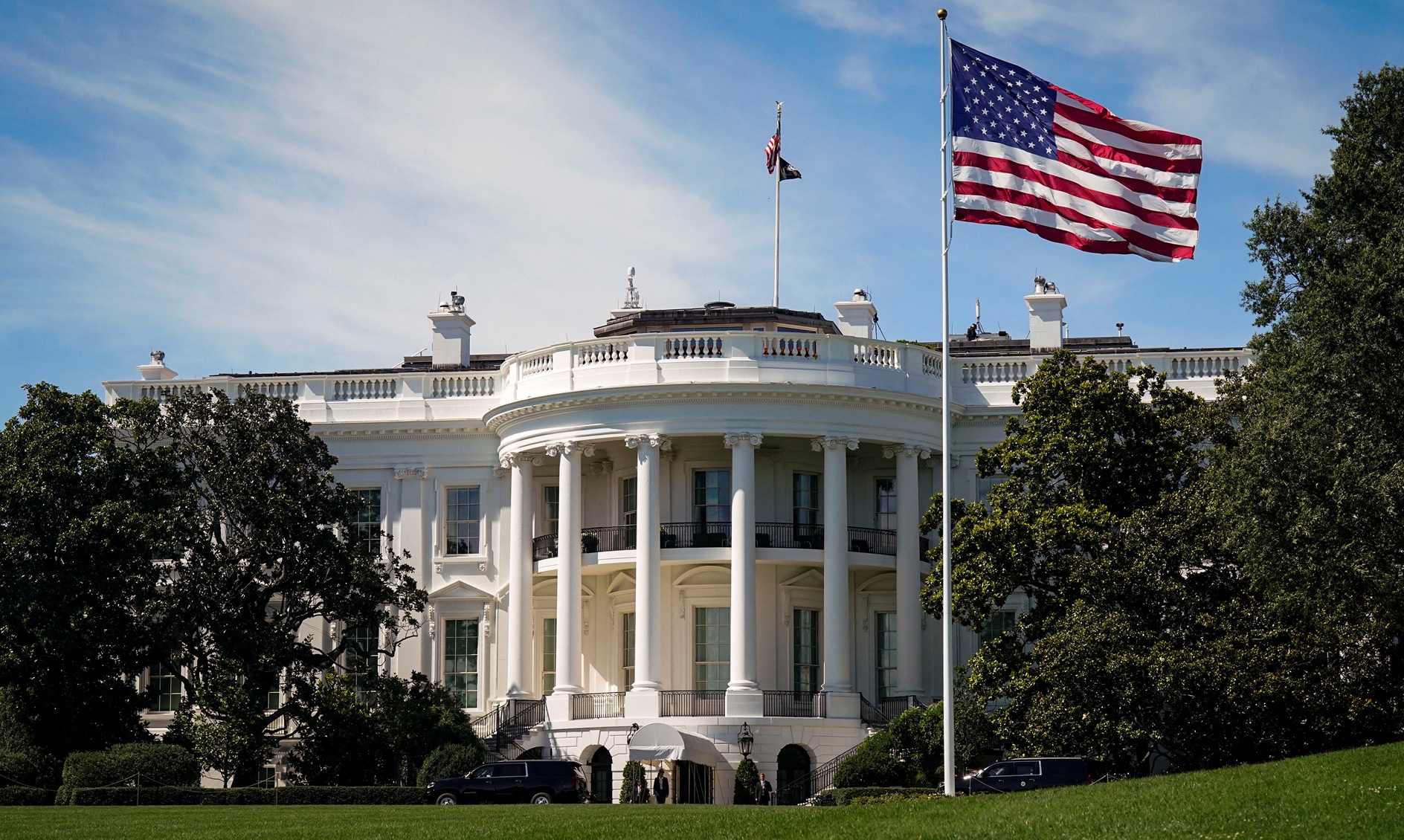
Tech companies have sought to address concerns about rising electricity costs. Major technology firms signed a voluntary pledge at the White House committing to bear the cost of new electricity generation to power their datacenters, an effort to ease worries about the financial burden on ratepayers.































































































































































































































































































































































The sources also report that the moratorium would have frozen approvals until November 2027, differing from the summary.