
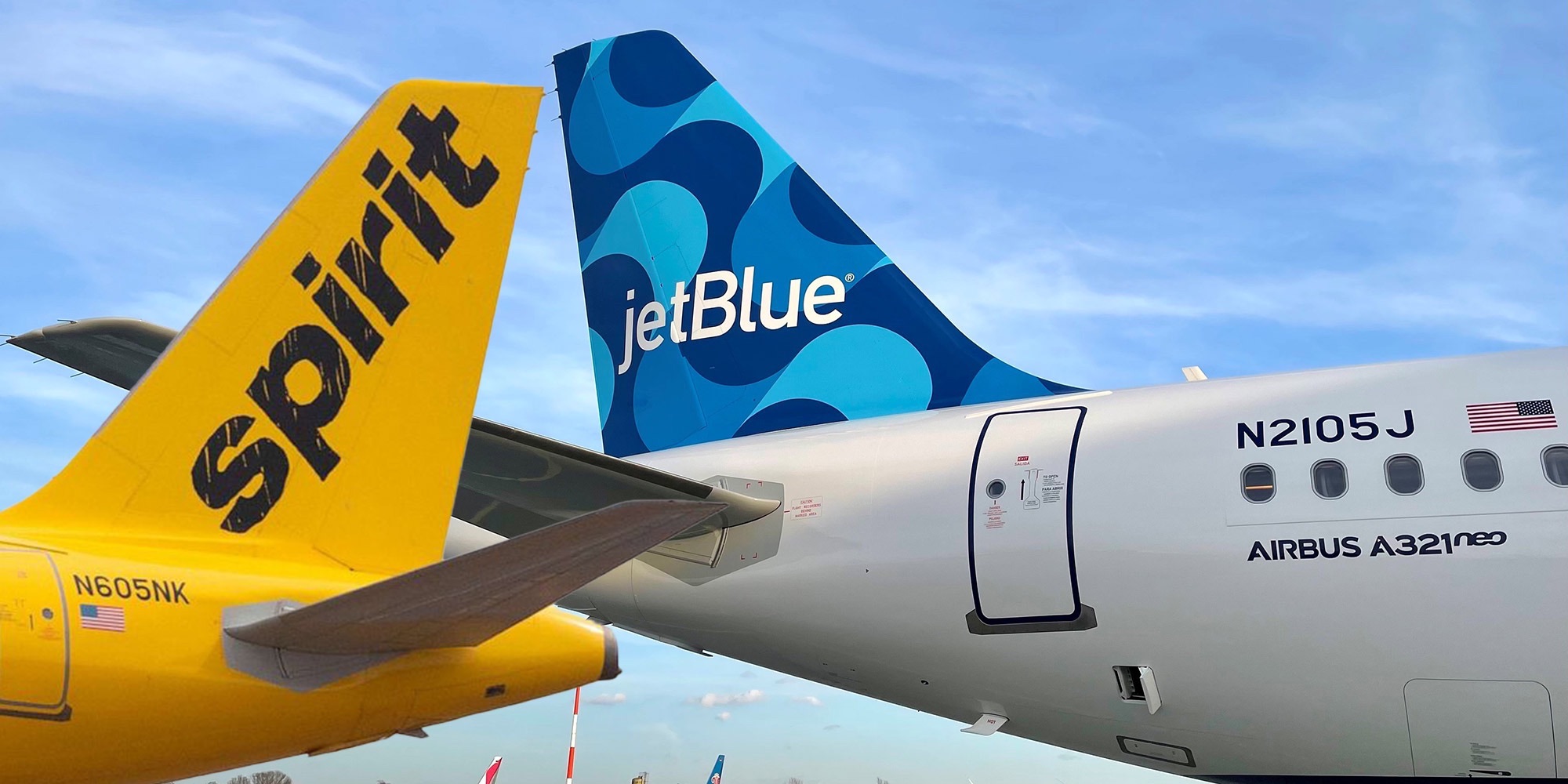





Federal Action to Save Jobs
The Trump administration is exploring the use of the Defense Production Act to potentially bail out Spirit Airlines, which has faced severe financial struggles. President Trump has expressed willingness to take federal action, stating, "I'd do it to save the jobs," as discussions about a $500 million bailout unfold. This emergency power allows the government to compel companies to prioritize contracts for national defense and could provide critical financial support for Spirit, which is grappling with rising jet fuel costs.
Proposed Terms of the Bailout
The proposed bailout would involve the government lending Spirit $500 million at a reasonable interest rate, positioning itself as the top creditor in any bankruptcy proceedings. The loan would be backed by Spirit's assets, which are expected to exceed the government's costs, and would grant taxpayers the right to own 90% of the airline upon its emergence from bankruptcy. The Pentagon could utilize Spirit's excess capacity for military transport, further intertwining the airline's fate with national defense priorities.
Internal Administration Disagreement
While Commerce Secretary Howard Lutnick has advocated for the bailout, arguing that without government intervention, Spirit would likely face liquidation and job losses, Transportation Secretary Sean Duffy has voiced concerns. Duffy fears that such a move could set a problematic precedent and prolong the inevitable financial failure of the airline. This internal disagreement highlights the complexities of government involvement in private business decisions.
Creditor Approval Required
Any bailout strategy will require the approval of Spirit's creditors. The Office of the Management and Budget has been assessing the implications of a federal bailout, with discussions involving potential collaboration with the Commerce Department and the Pentagon. Spirit Airlines has not only been struggling financially but also faces skepticism from creditors regarding its viability moving forward.
Political Ramifications
The proposed bailout has sparked opposition among conservative factions, with notable figures like investor Kevin O'Leary describing it as a "really bad idea." Critics argue that government support for poorly managed companies undermines the principles of capitalism, where failing businesses should not be propped up by taxpayer money. The administration faces pressure to balance the need for job preservation against the potential political fallout of such a significant intervention in the private sector.
Future of Spirit Airlines
As discussions continue, the future of Spirit Airlines remains uncertain. The airline currently operates 48 owned planes and leases an additional 83. Spirit executives have proposed a liquidation plan that includes selling its airport slots at Newark, a move that the federal government has rejected to maintain the airline's value for a future buyer. President Trump noted the airline's valuable assets, including its airport slots, which could play a crucial role in any recovery plan.
Implications for the Airline Industry
The outcome of these discussions could have broader implications for the airline industry, especially as rising fuel prices strain operations across the sector. The potential invocation of the Defense Production Act could set a precedent for future federal support in times of crisis, signaling a shift in how the government interacts with the aviation industry. As the situation develops, the administration's decision will not only impact Spirit Airlines but could reshape the landscape of American aviation and job security for thousands of employees.








For example, the sources report that Spirit Airlines does not own all its assets outright, highlighting that it owned 48 planes and leased 83 at the end of 2025.