




Late-Night Vote Ends DHS Shutdown Standoff
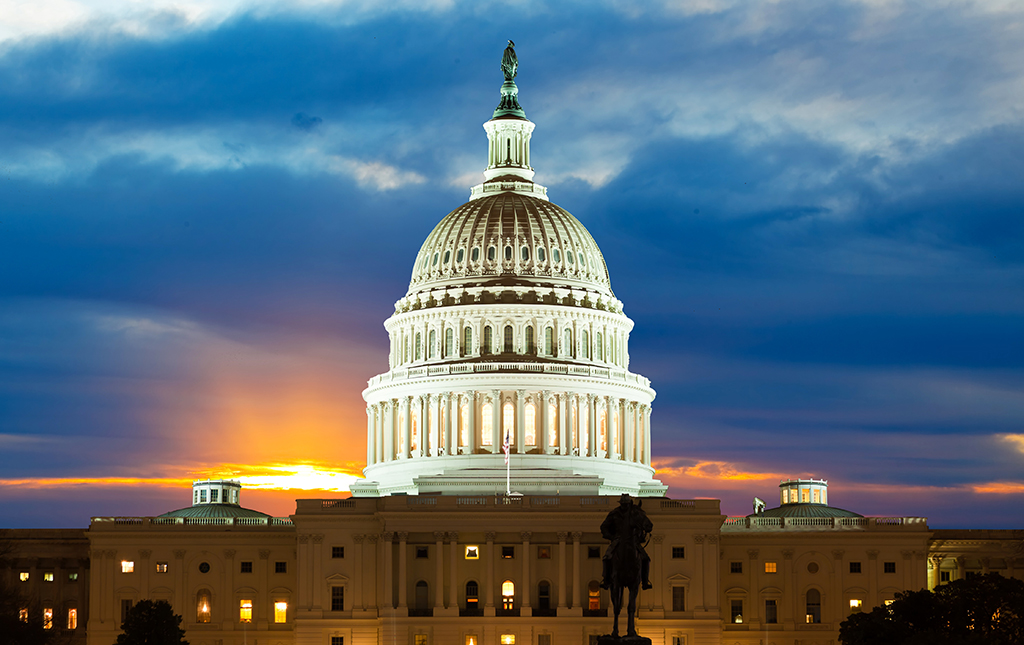
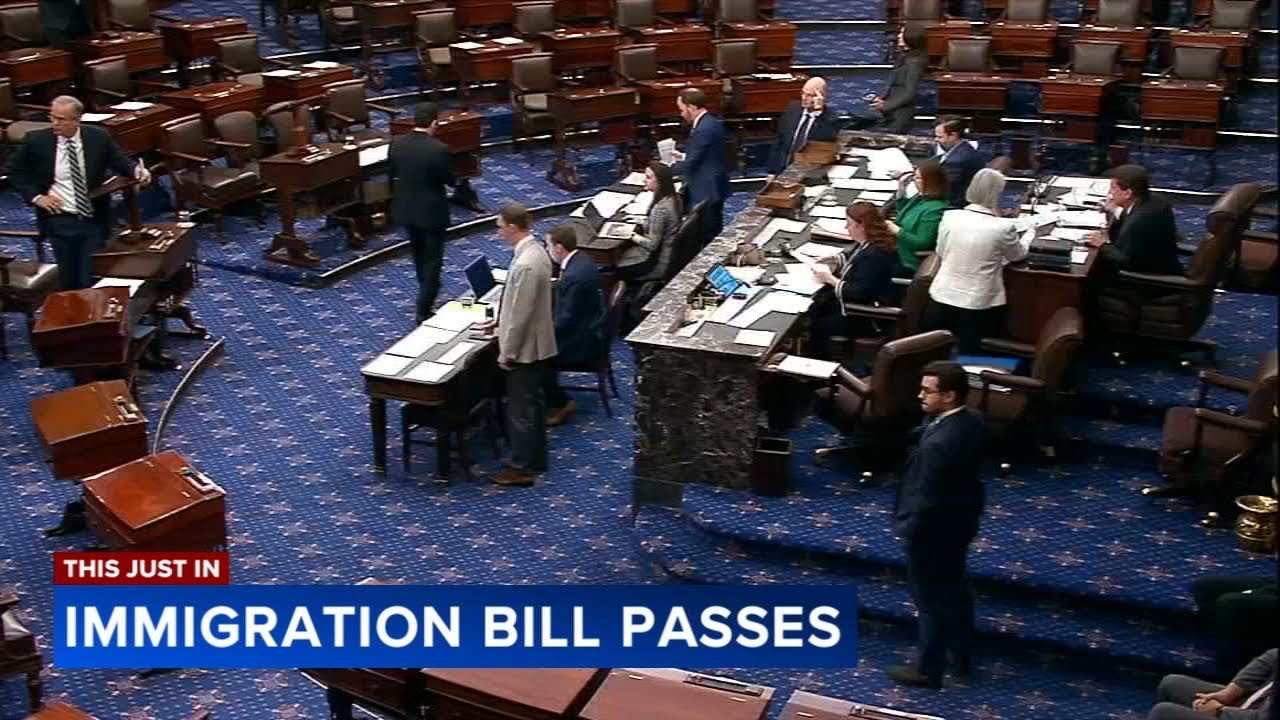
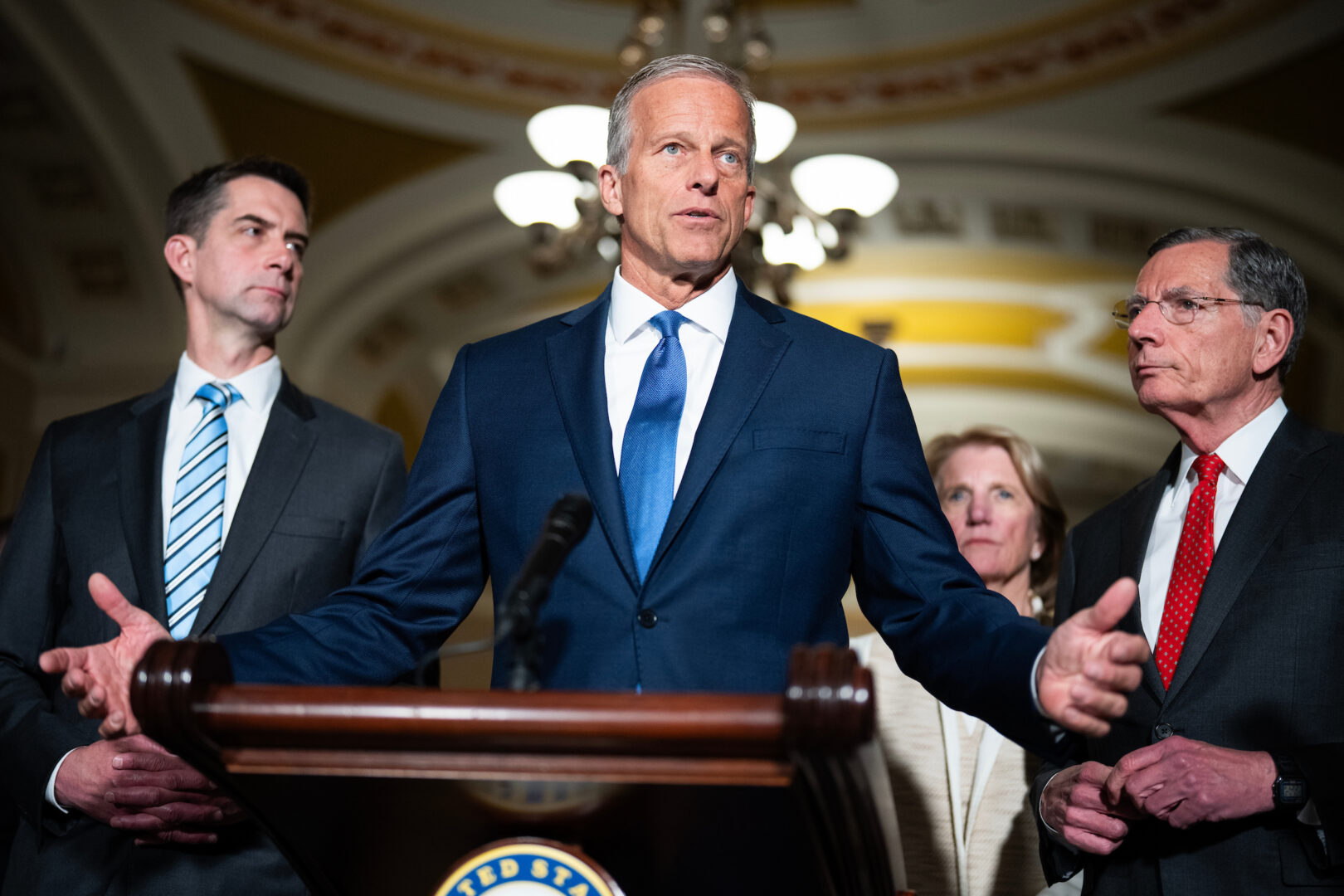
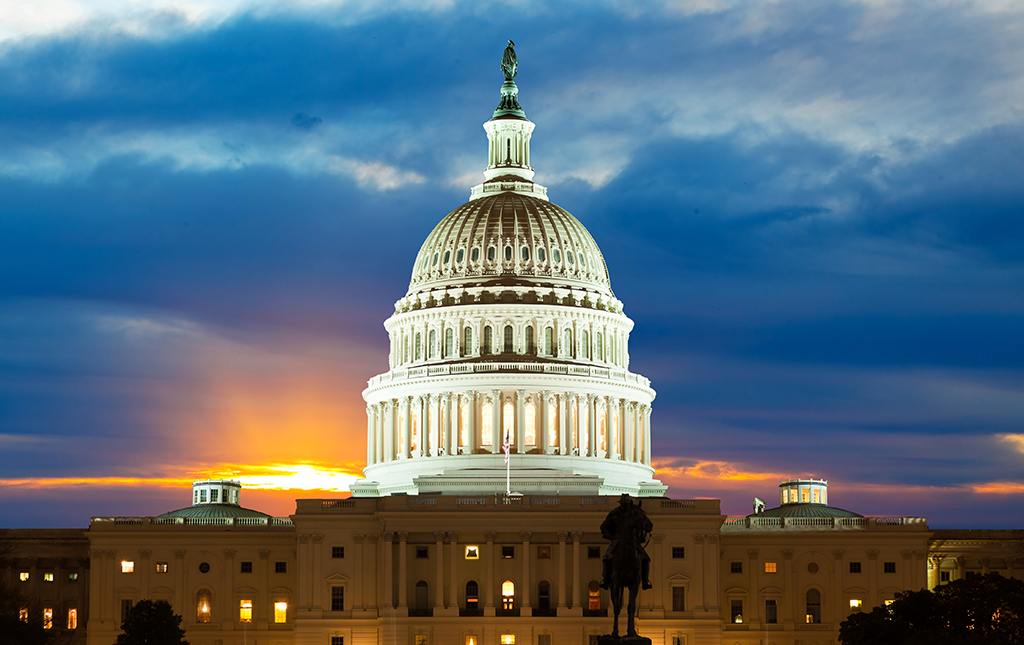
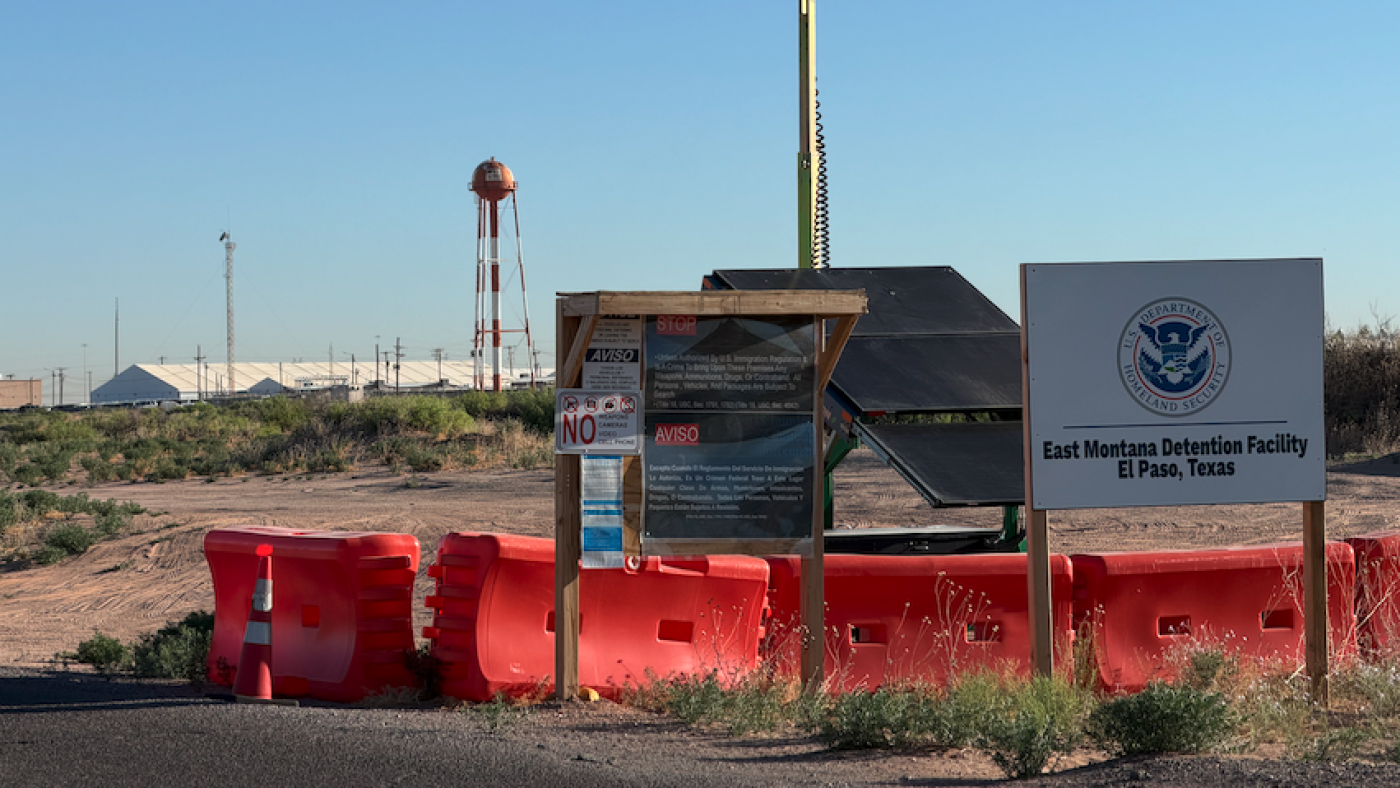
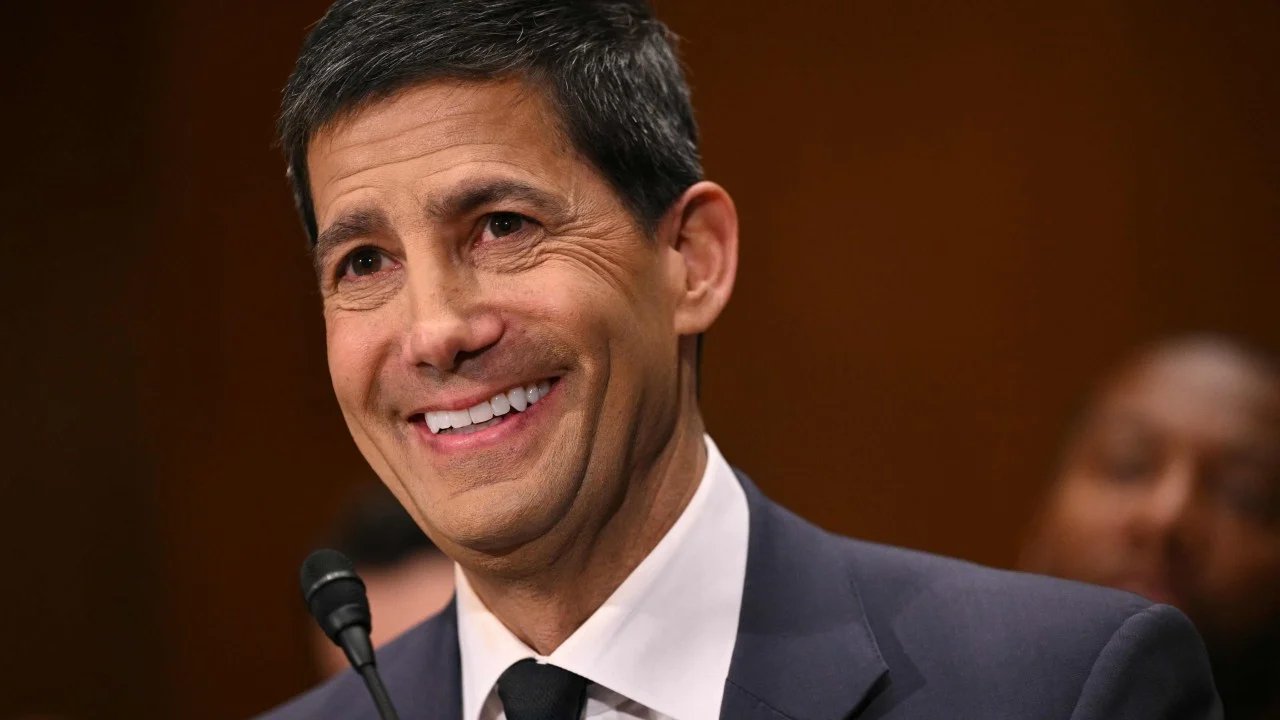
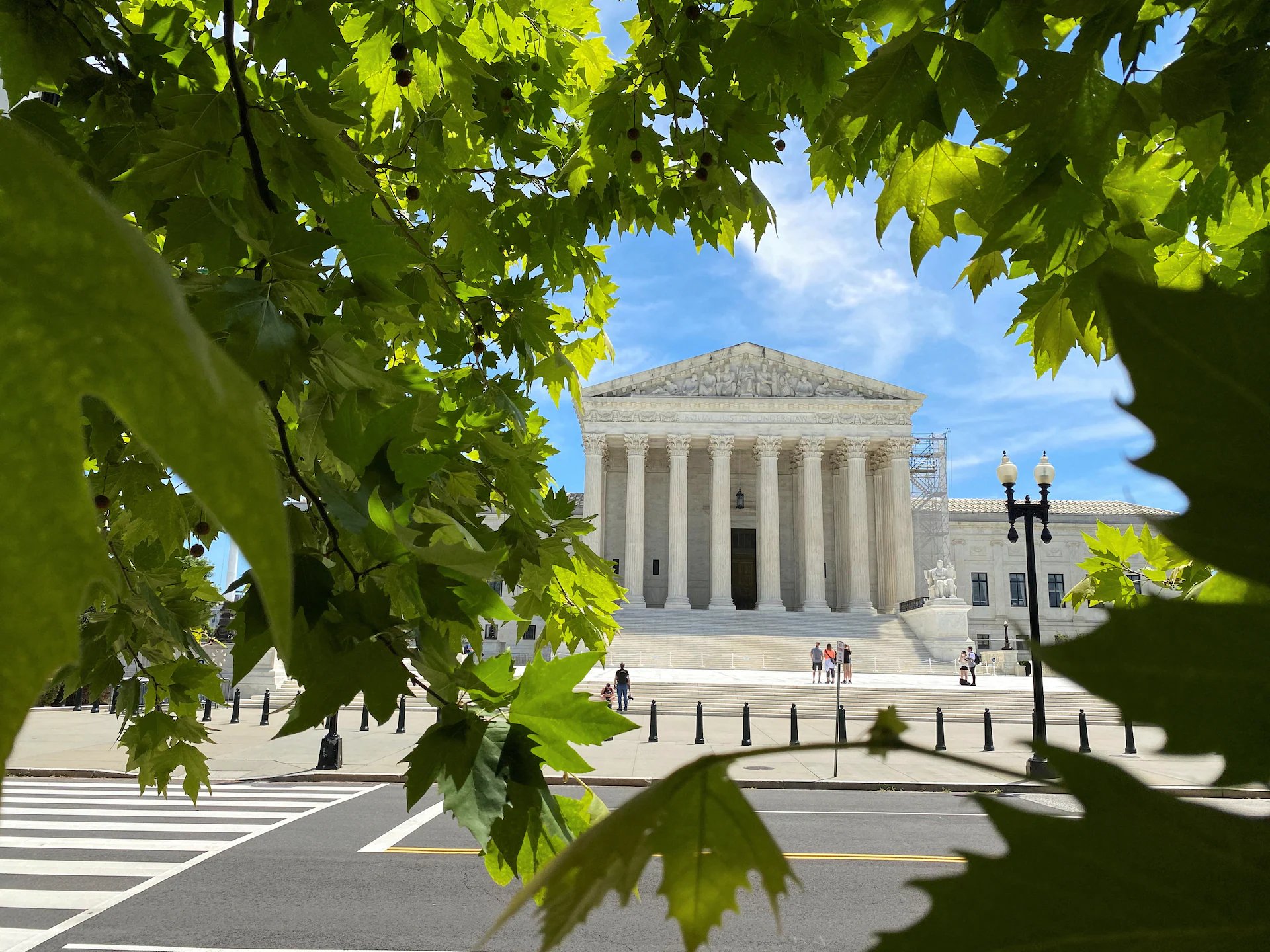
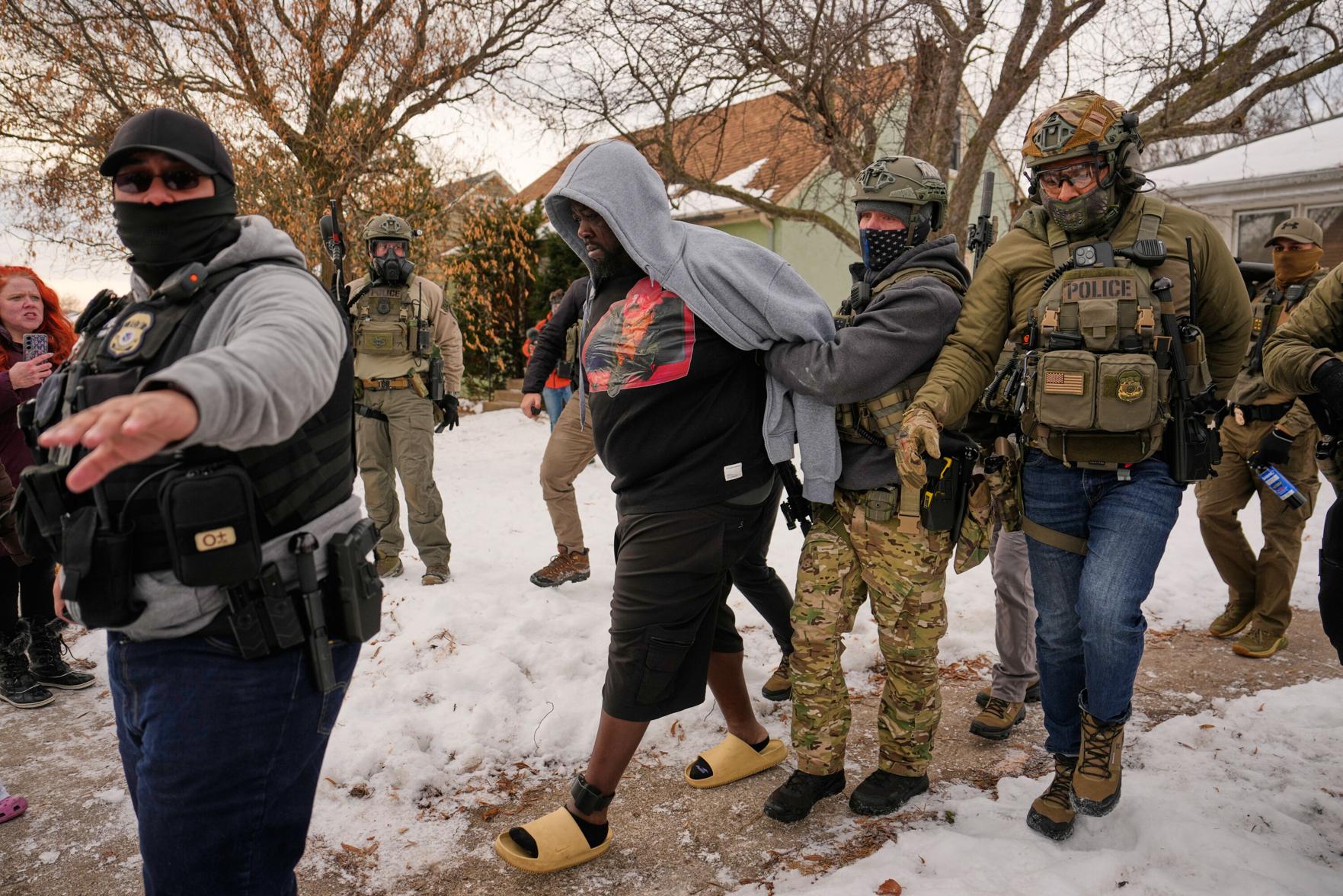
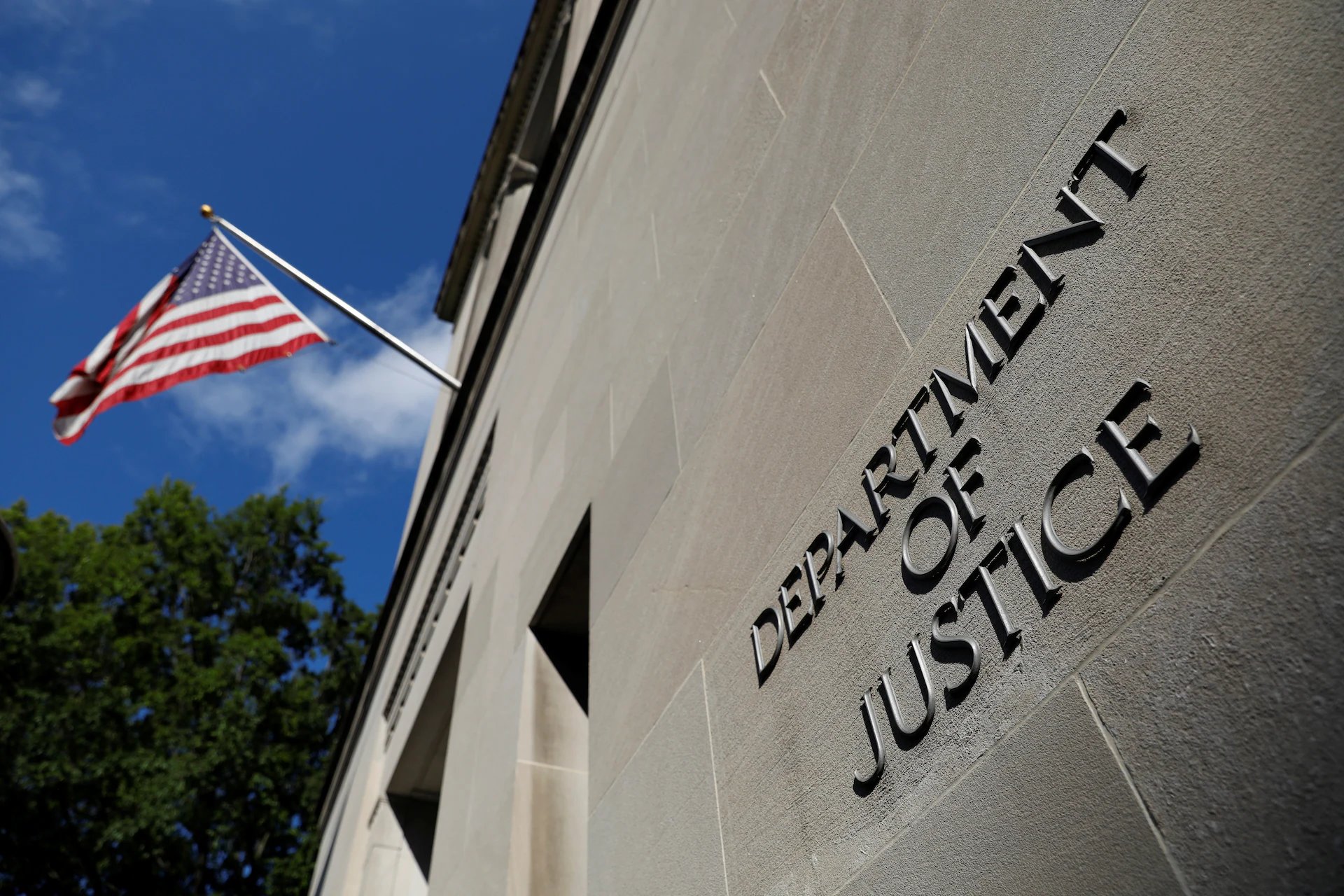
The Senate adopted a budget resolution early Thursday morning aimed at funding the Department of Homeland Security (DHS) immigration agencies, including Immigration and Customs Enforcement (ICE) and Customs and Border Protection (CBP). The resolution passed 50-48, with all 48 no votes coming from Democrats and two Republicans—Rand Paul and Lisa Murkowski—who broke ranks with their party. This vote marks the first step in ending the 70-day shutdown of DHS operations that has left many employees without pay.
GOP Strategy and Budget Reconciliation
Republicans, who hold a slim majority in the Senate, employed a budget reconciliation process to pass the resolution, allowing them to proceed with a simple majority rather than the typical 60 votes required to overcome a filibuster. Republican officials estimate the final legislation will total $70 billion to fund both agencies for three and a half years. The resolution allows Senate committees to increase the federal government deficit by about $140 billion. This budget maneuvering highlights the party's urgency to address funding issues while navigating internal disagreements.
Political Fallout and Amendments
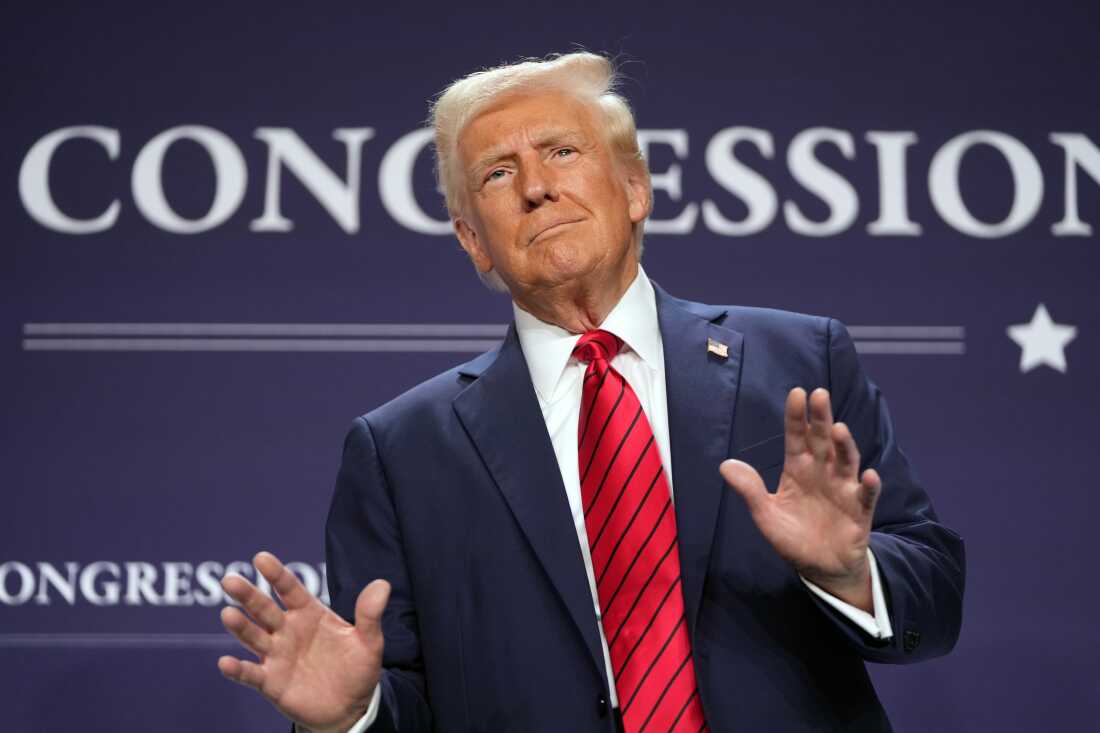
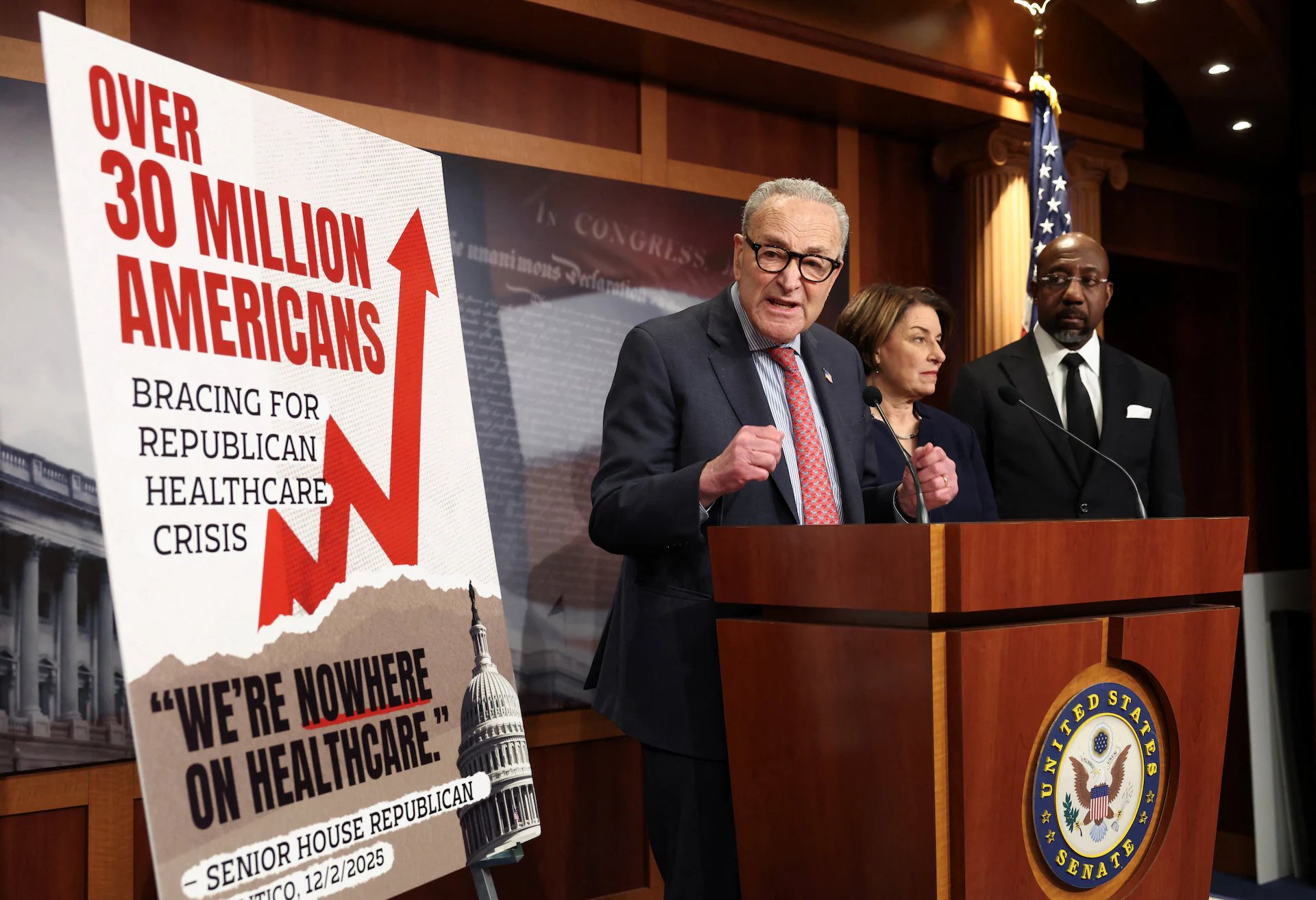
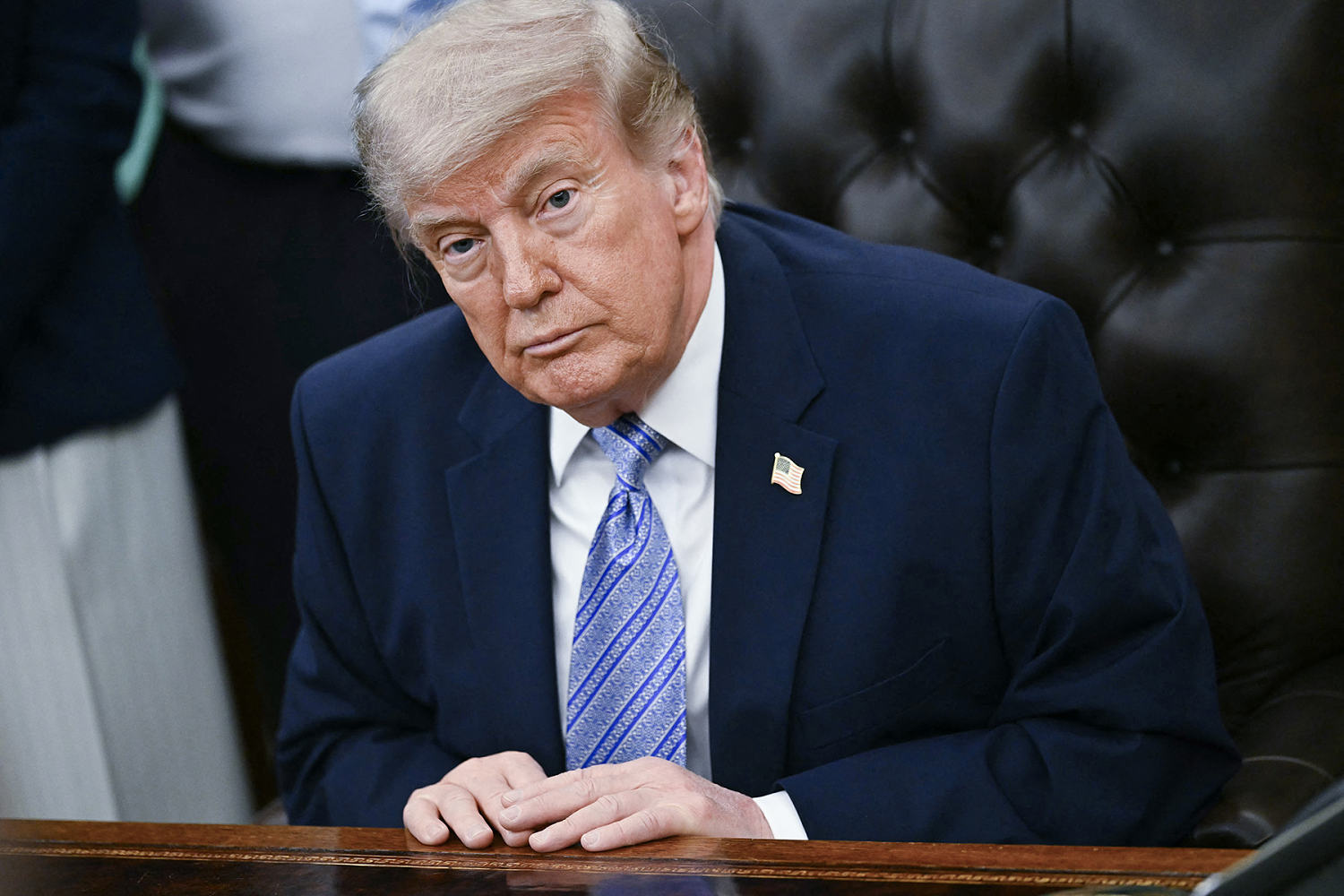
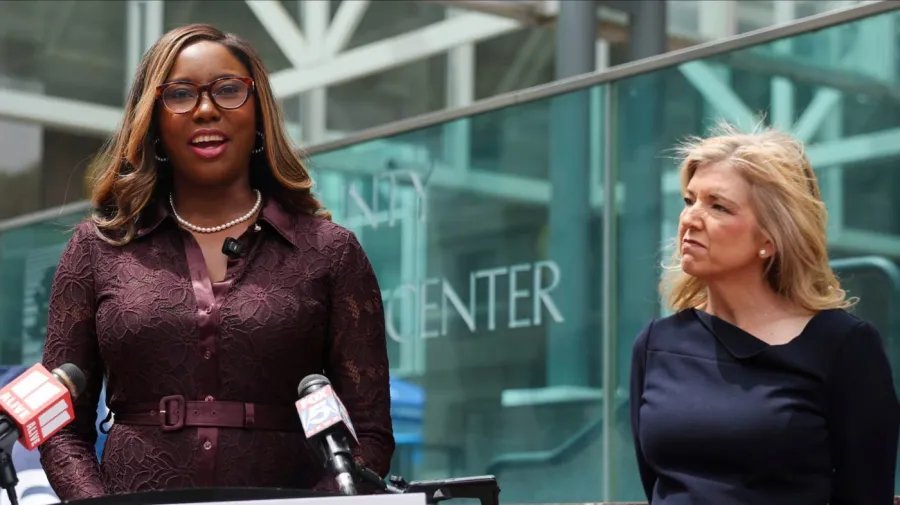
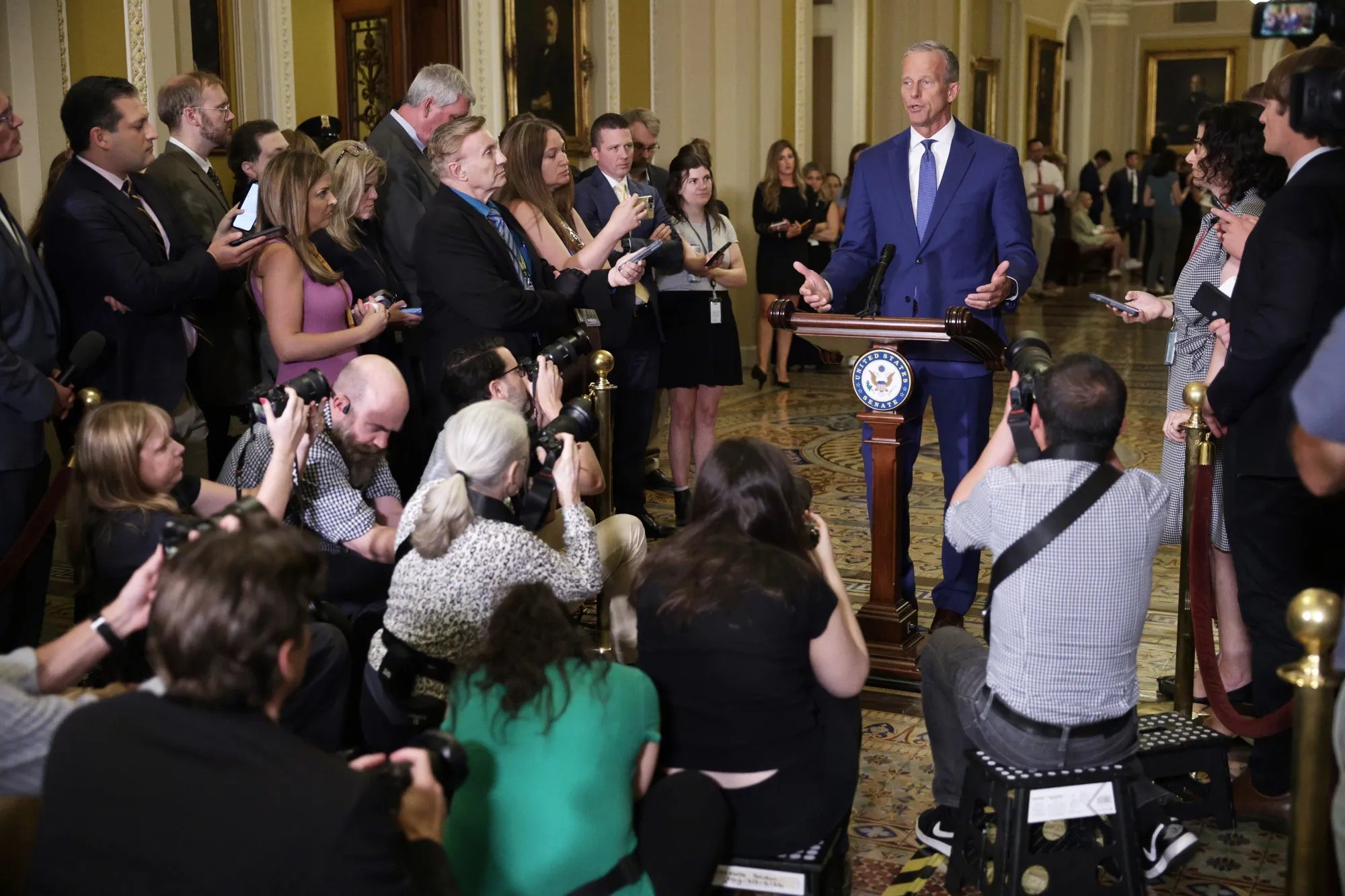
During the lengthy debate, Senate Minority Leader Chuck Schumer criticized the GOP's approach, stating, "Republicans want to shell out billions of dollars to Donald Trump's private army without any common-sense restraints or reforms." The Democrats utilized a "vote-a-rama" tactic, introducing rapid-fire amendments to highlight contrasting priorities, such as reducing healthcare costs, which received support from some Republican senators facing tough re-election campaigns. The political implications of these amendments could resonate in the upcoming midterm elections.
Path Forward for DHS Funding
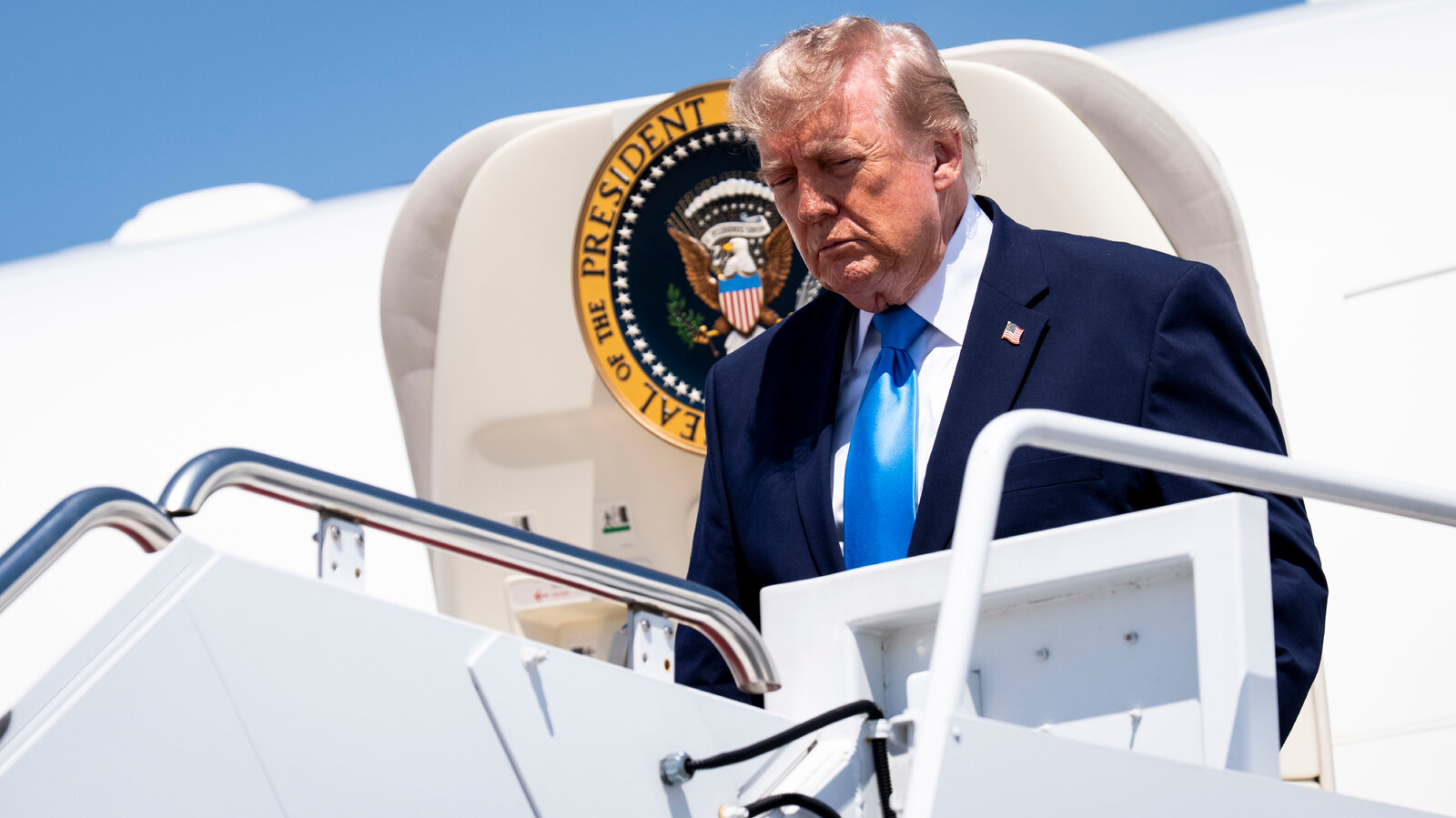
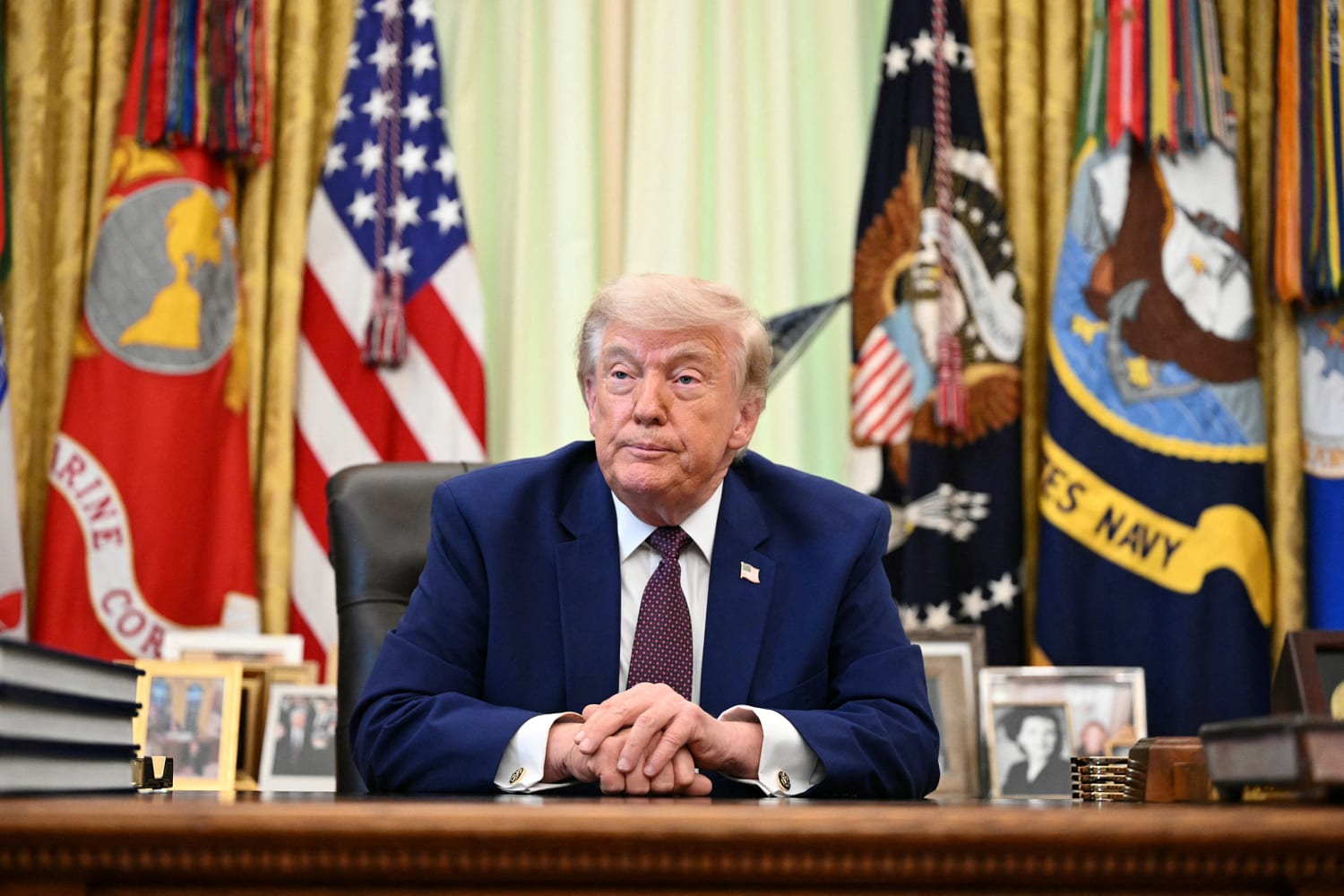
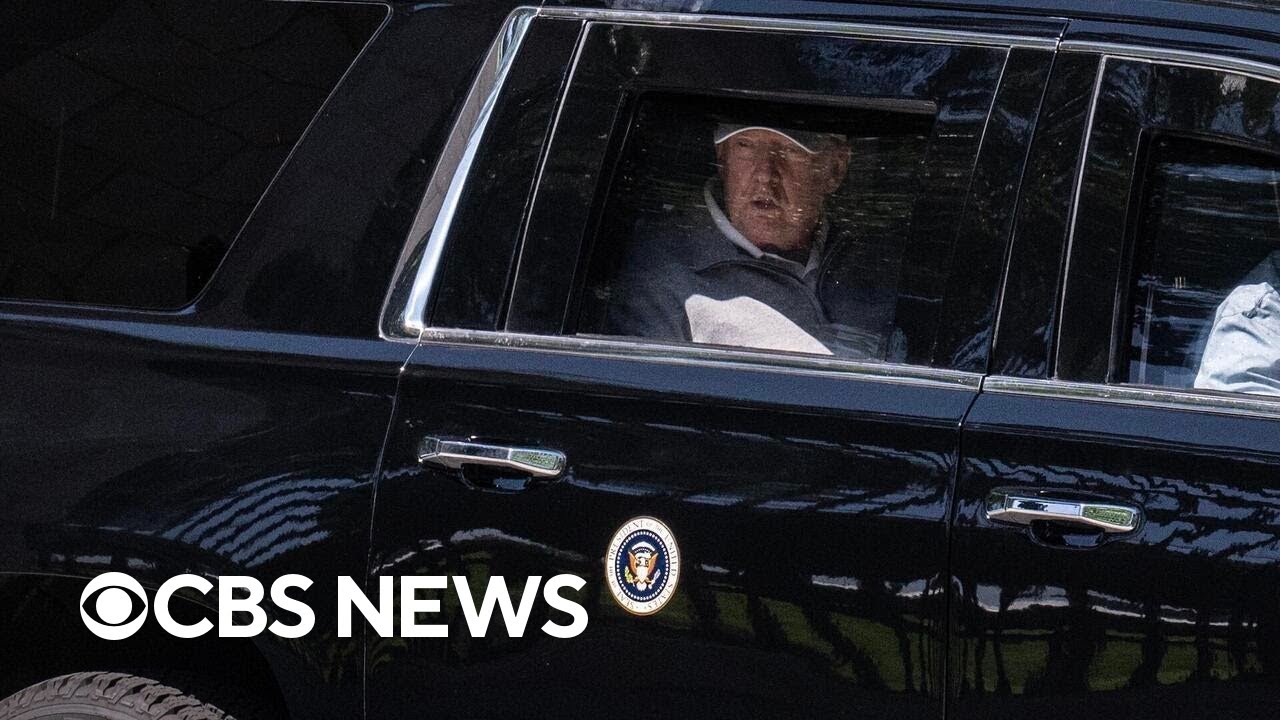
Despite the resolution's passage, significant work remains before the funding is finalized. The House of Representatives must also pass its version of the resolution, and committees in both chambers will need to draft the actual funding legislation. This process will involve additional debates and votes, potentially prolonging the timeline before the final bill reaches President Trump's desk. Trump has said he wants the funding bill on his desk by June 1, and Republicans hope to advance the final legislation by next month.
Human Impact of the Shutdown
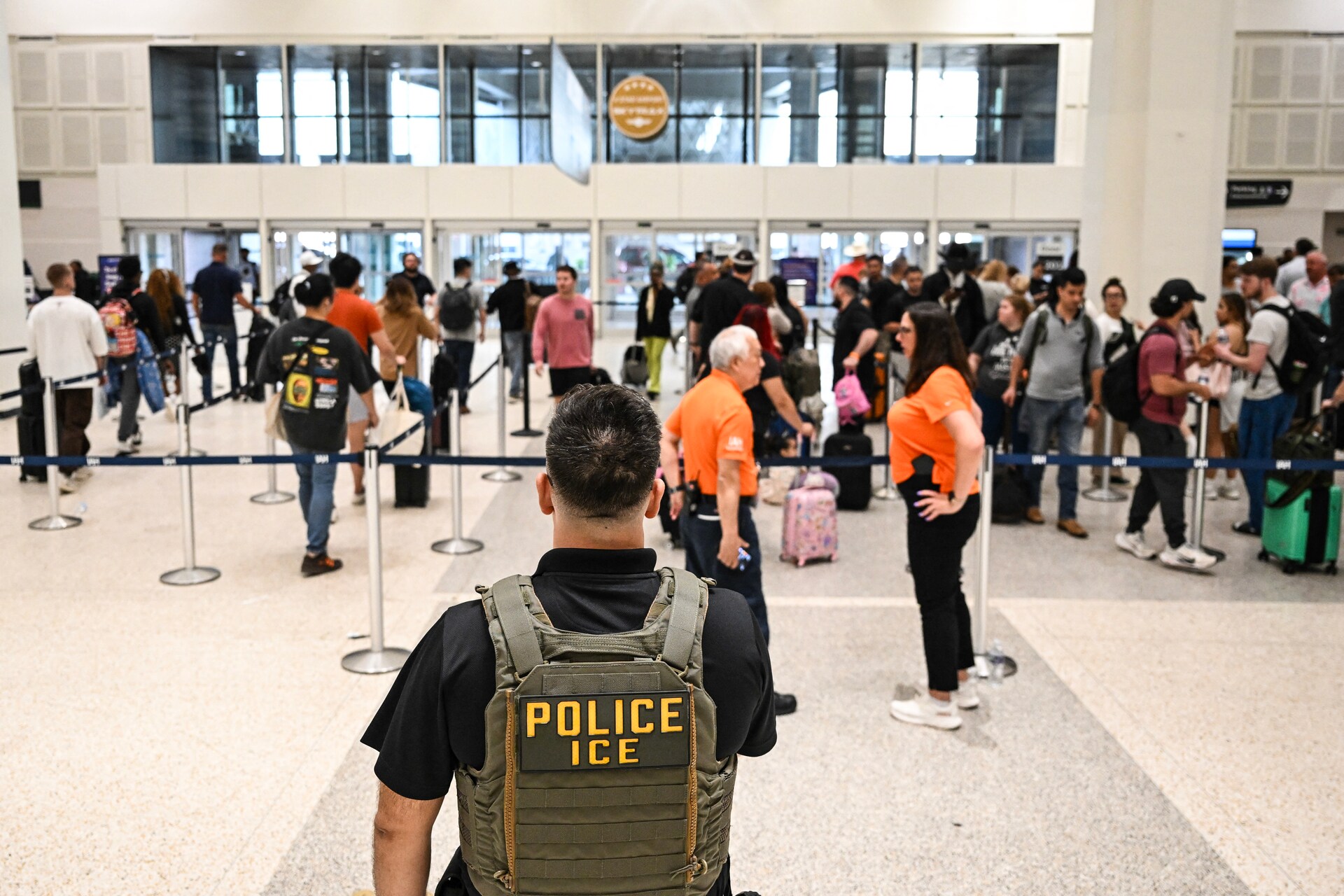
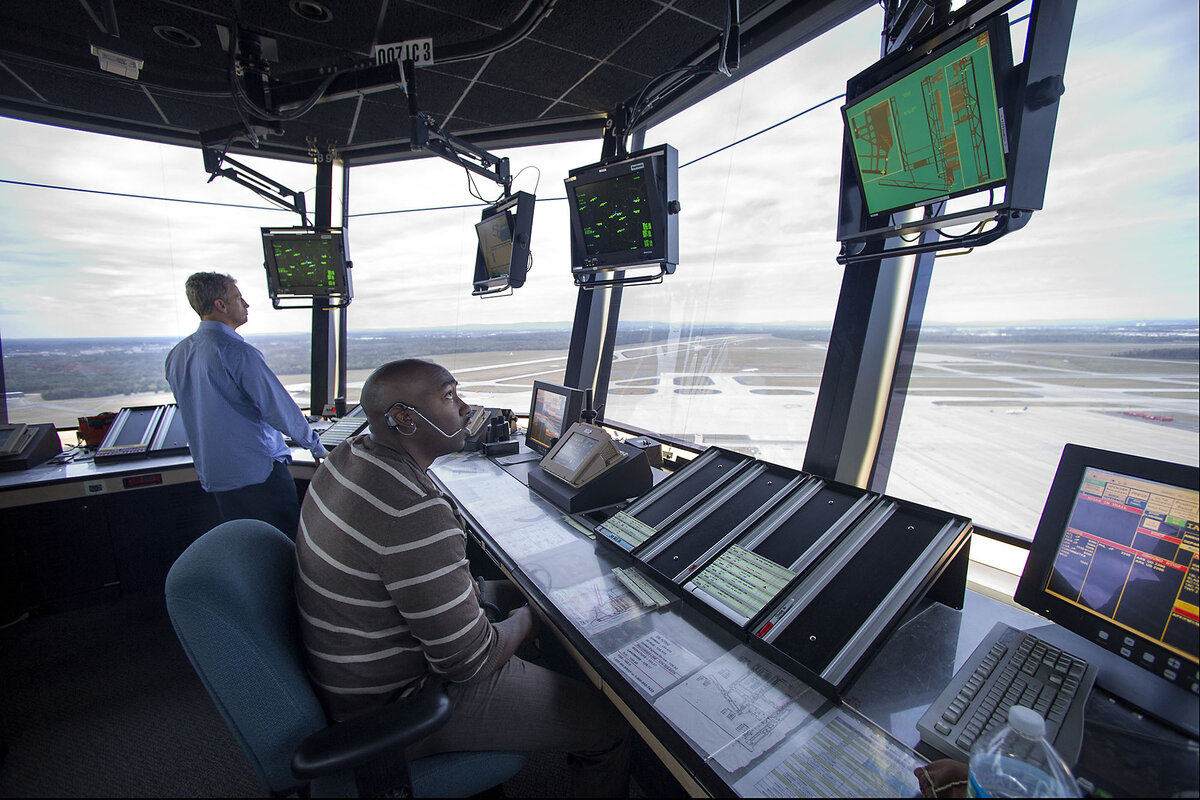
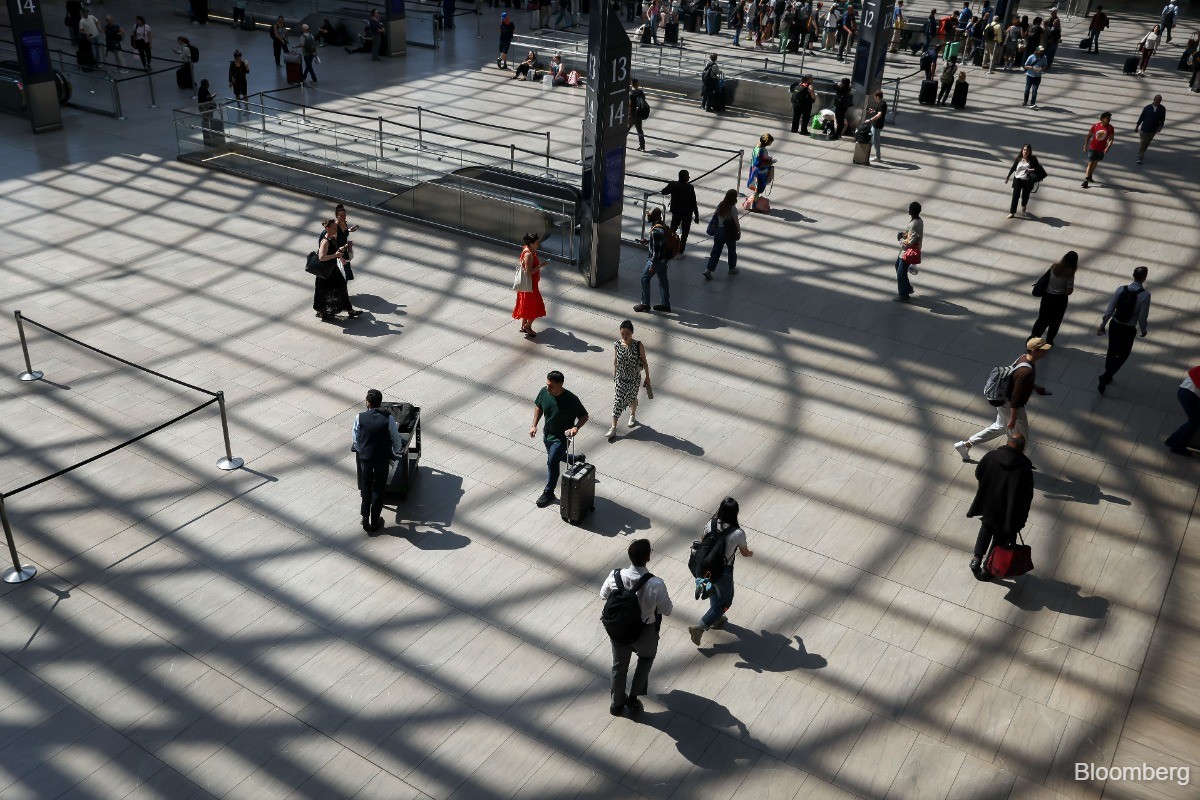
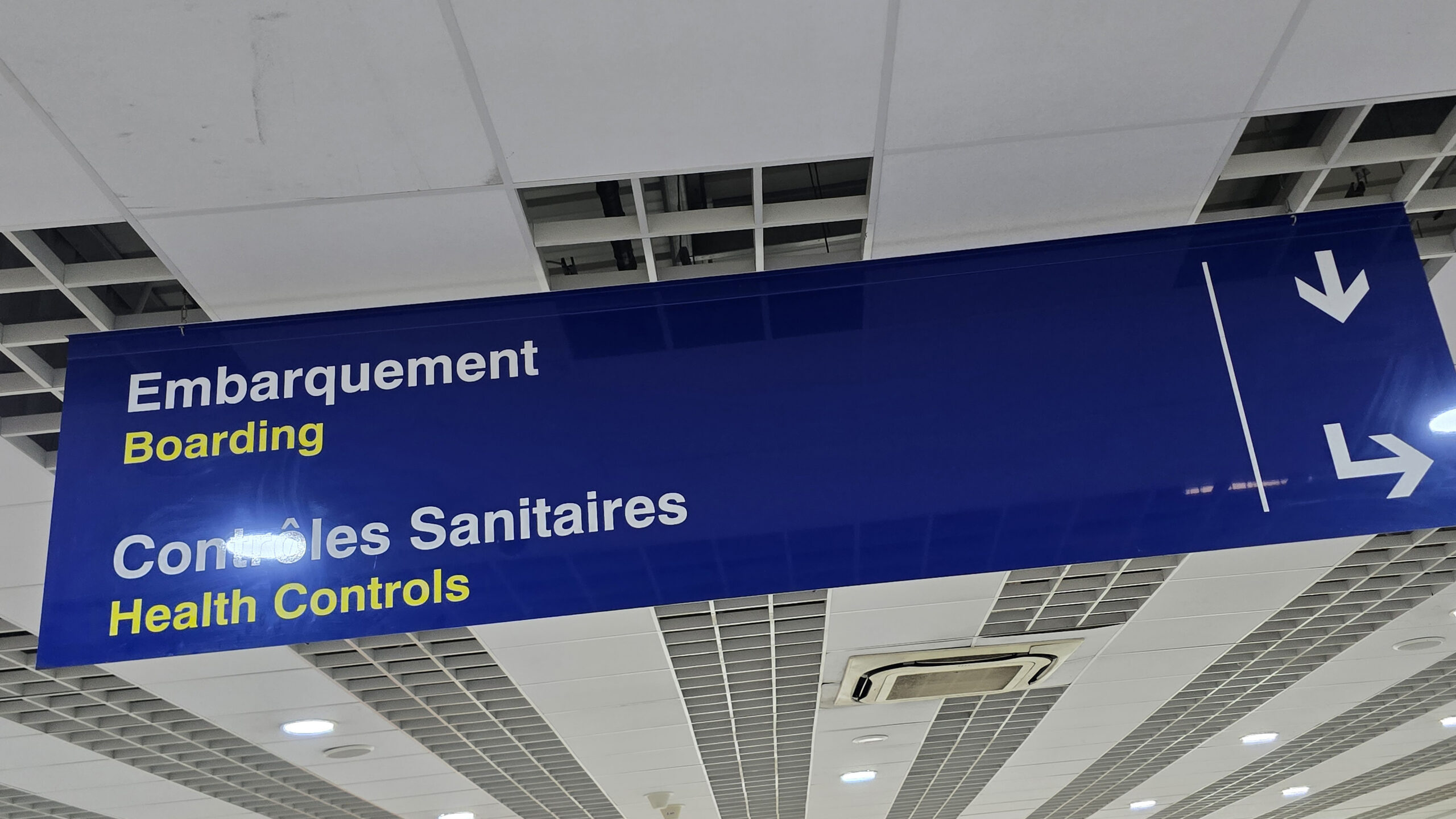
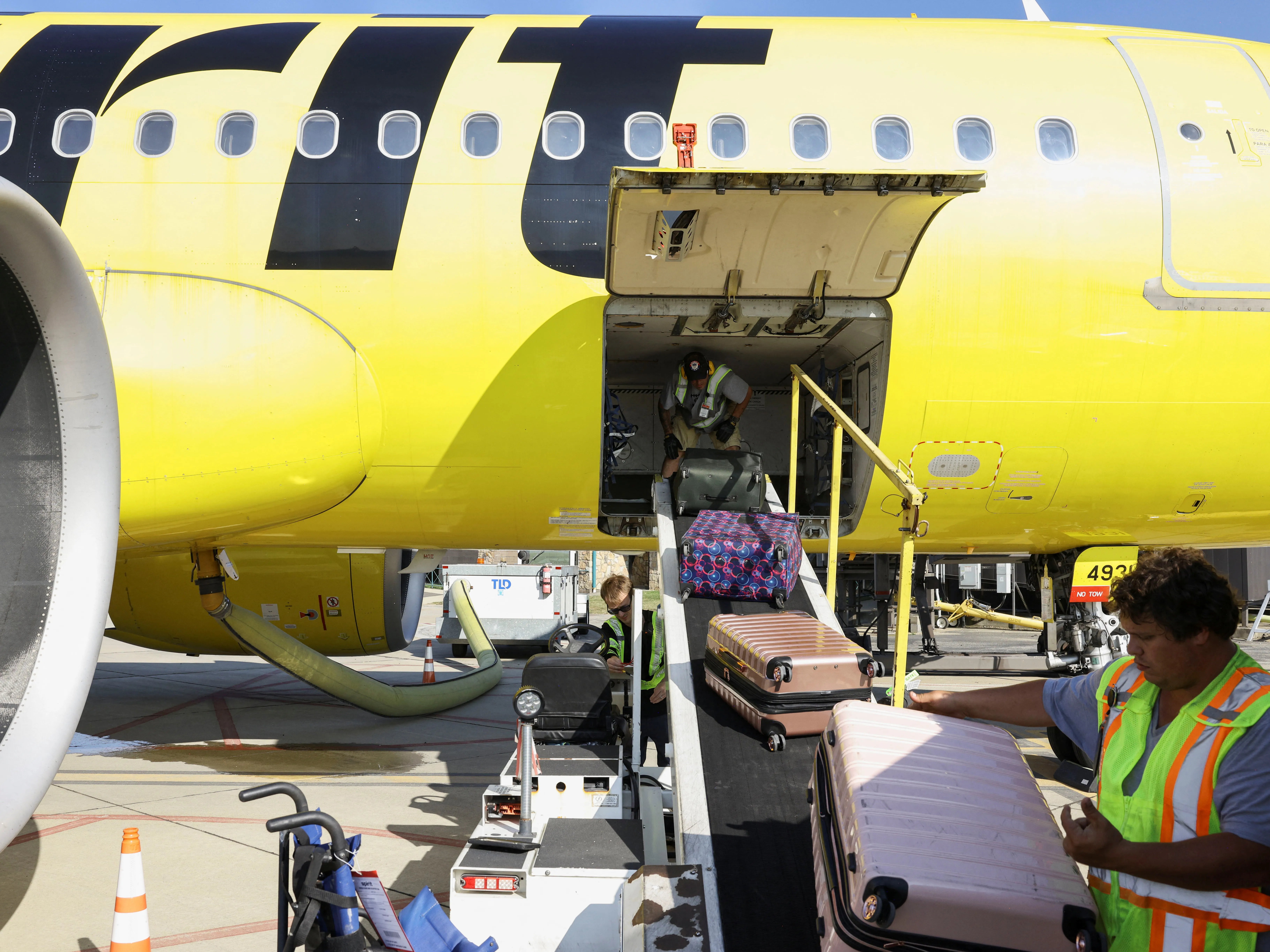
The shutdown has had real consequences for DHS employees and the general public. Transportation Security Administration (TSA) staffing shortages have already led to delays at airports, raising concerns about safety and efficiency. As the political maneuvering continues, the impact on workers and travelers remains a pressing issue. The outcome of this budget resolution not only affects government spending but also the livelihoods of those who work in and rely on the services provided by DHS.